
 Hailey Watson
12 Innocent Childhood Habits That Look Like Witchcraft Now
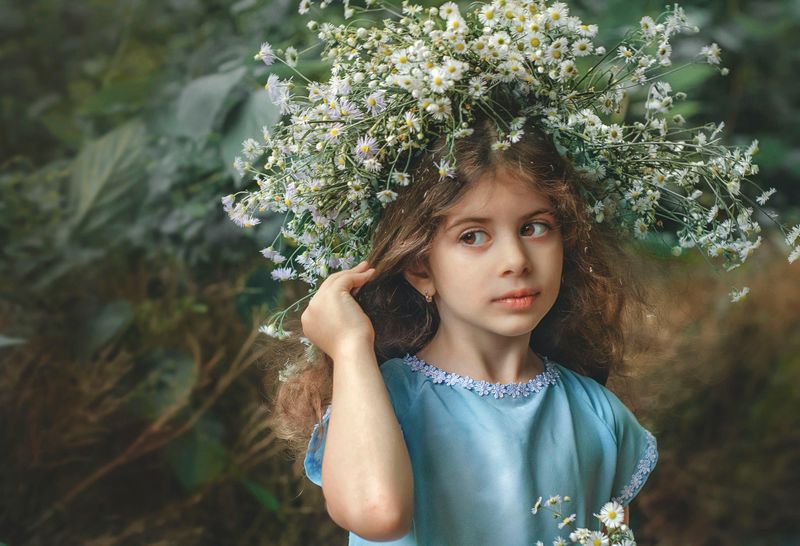
Remember when you were a kid and everything felt like magic?
Turns out, some of those innocent games and traditions you loved actually have roots in ancient witchcraft practices.
From blowing dandelion seeds to chanting in front of mirrors, childhood was full of mystical moments we never questioned.
1. Light as a Feather, Stiff as a Board
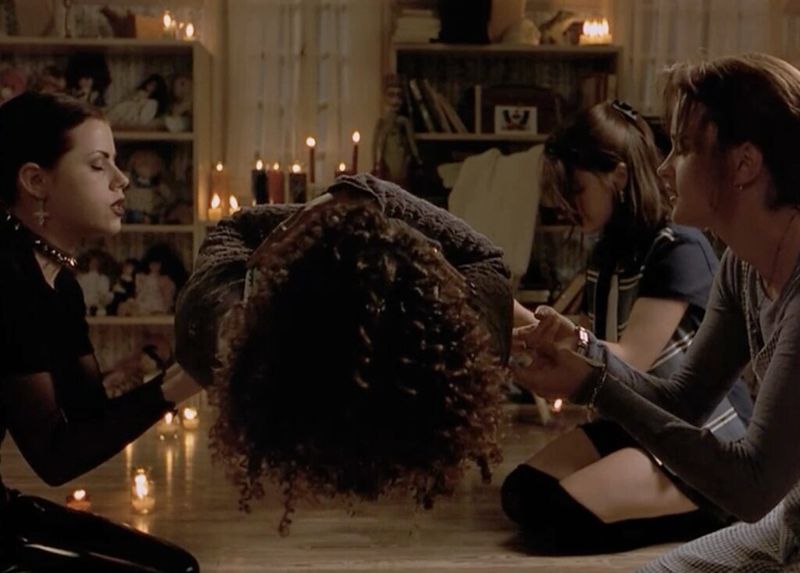
Slumber parties got weird when someone suggested this game.
Everyone would gather around one person lying down, place two fingers underneath them, and chant the mysterious phrase repeatedly.
The goal was to lift the person with barely any effort, as if they were floating.
This classic sleepover activity is actually a form of levitation ritual.
Ancient mystics believed that focused group energy and repetitive chanting could defy gravity.
Kids unknowingly practiced ceremonial magic while giggling in their pajamas.
The combination of dim lighting, hushed voices, and collective belief created the perfect atmosphere for something supernatural.
Whether it worked or not, everyone left feeling like they witnessed real magic.
2. Bloody Mary Mirror Ritual
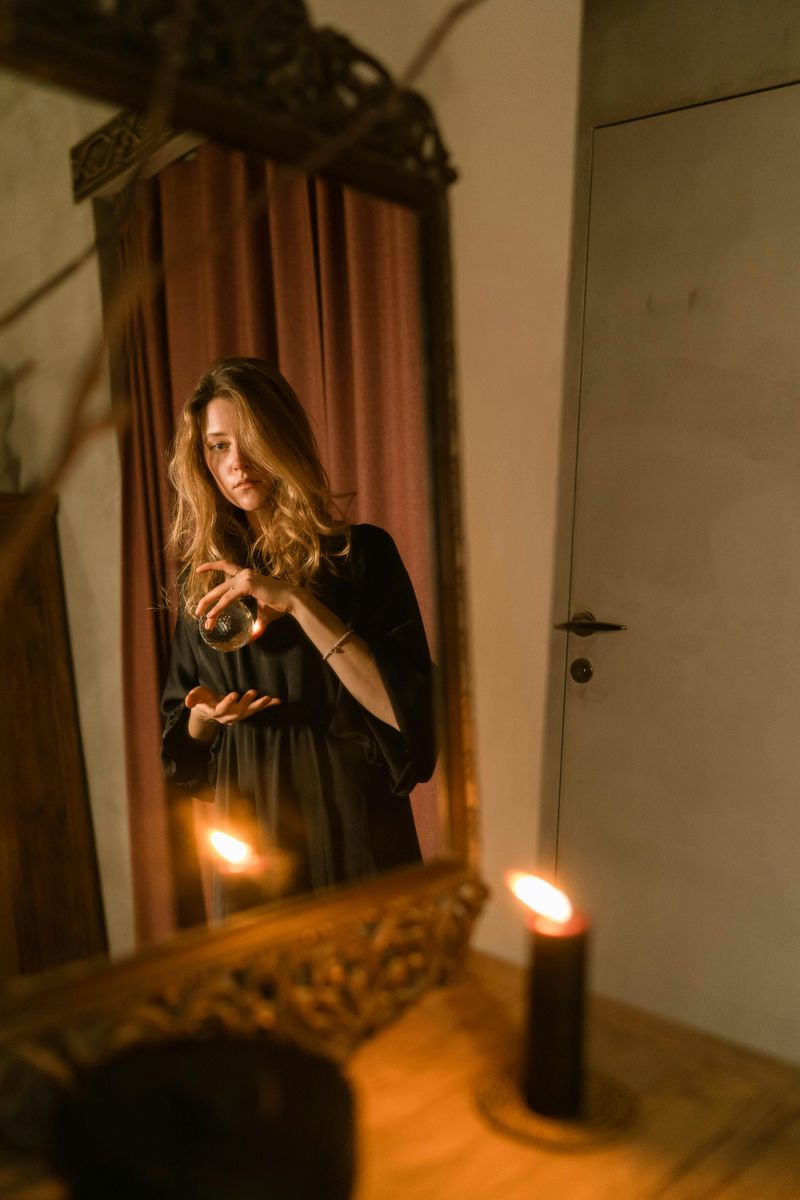
Bathroom lights off, candle flickering, and three brave souls standing before the mirror.
Chanting her name three times was the ultimate test of courage at every sleepover.
Hearts pounding, everyone waited to see if a ghostly figure would appear in the reflection.
This terrifying game is actually spirit summoning, a serious divination practice in witchcraft traditions.
Mirrors have long been considered portals to other realms.
Using them to call forth entities is classic occult behavior, not just childhood fun.
Ancient cultures used reflective surfaces for scrying and communicating with the dead.
Kids were essentially performing séances without realizing the spiritual significance.
The bathroom became an accidental ritual chamber for amateur witches everywhere.
3. Breaking Wishbones for Luck
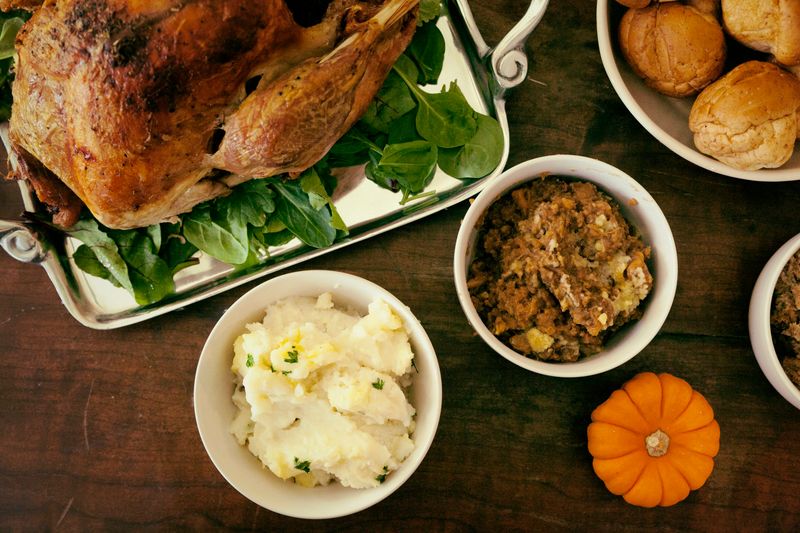
Thanksgiving dinner always ended with a contest.
Two people would grab opposite ends of the dried turkey bone and pull until it snapped.
Whoever got the bigger piece could make a secret wish that supposedly would come true.
This tradition dates back to ancient Roman and Etruscan divination practices.
They believed chicken bones held prophetic powers and breaking them released magical energy.
The practice spread through Europe and eventually became a family-friendly custom.
What seems like innocent fun is actually bone magic, a form of augury used by witches and fortune-tellers.
The wishbone ritual connects us to centuries of mystical belief in the power of animal remains to grant desires and predict futures.
4. Blowing Dandelion Seeds to Make Wishes
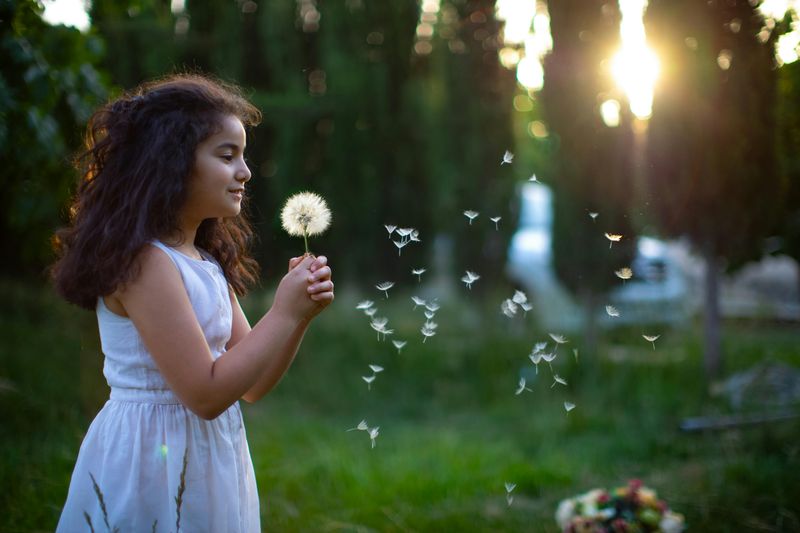
Spotting a fluffy white dandelion was like finding treasure.
You would pick it carefully, close your eyes, think of your deepest wish, and blow with all your might.
Watching the seeds float away on the breeze felt enchanting and hopeful.
Dandelion divination is an actual folk magic practice.
The number of seeds remaining after you blow supposedly tells your fortune.
Some traditions say the direction the seeds fly reveals where your wish will come true.
Using plants and wind to manifest desires is textbook witchcraft.
Nature-based magic relies on harnessing natural elements for spellwork.
Every kid who blew dandelion fluff was unknowingly casting wishes into the universe using botanical sorcery.
5. Leaving Teeth for the Tooth Fairy

Losing a tooth was exciting because it meant money under your pillow.
Before bed, you would carefully place the tiny tooth in a special spot and wake up to find it magically replaced with coins or bills.
The Tooth Fairy never failed to visit.
This custom has roots in ancient rituals where body parts held spiritual power.
Vikings and other cultures believed teeth contained a person’s essence and should be handled ceremonially.
Burying or burning teeth was common to protect against witches using them in spells.
Exchanging teeth for gifts is a form of offering magic.
Parents unknowingly continue a tradition that once protected children from evil spirits and curses involving their discarded body parts.
6. Dressing Up as Witches for Halloween
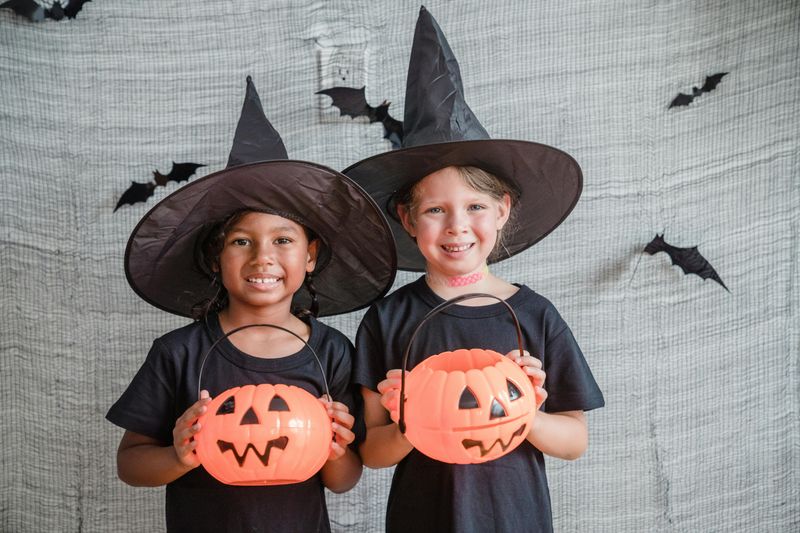
Every October, costume shops filled with pointy hats, black capes, and plastic broomsticks.
Dressing as a witch for Halloween was a classic choice.
You would paint your face green, add a wart, and cackle while collecting candy from neighbors.
Halloween itself originated from Samhain, an ancient Celtic festival marking the time when the veil between worlds grew thin.
People wore costumes to disguise themselves from wandering spirits.
Witches were believed to be most powerful during this night.
By dressing as witches, children honor practitioners of the craft, whether they know it or not.
The holiday celebrates the very magic and mysticism that witchcraft represents, making it the witchiest night of the year.
7. Hunting for Four-Leaf Clovers
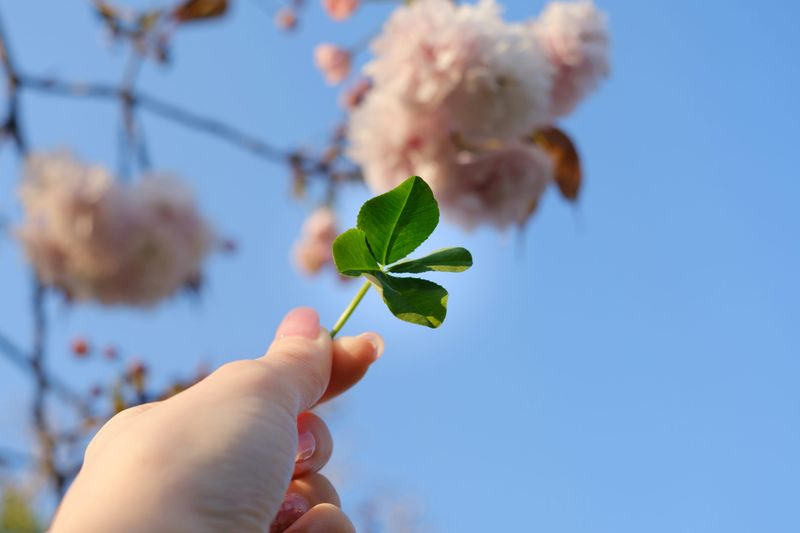
Searching through patches of clover was a favorite outdoor activity.
Finding one with four leaves instead of three felt like winning the lottery.
People say they bring incredible luck to whoever discovers them, so the hunt was always serious business.
Clover magic dates back to ancient Druids who considered them sacred.
Each leaf supposedly represents something: faith, hope, love, and luck.
Finding one was seen as receiving a blessing from nature spirits.
This is botanical divination and charm magic combined.
Witches have long used plants as talismans for protection and fortune.
Kids crawling through grass looking for lucky clovers were practicing the same earth-based magic as ancient pagans and modern witches alike.
8. Mixing Potions from Household Items
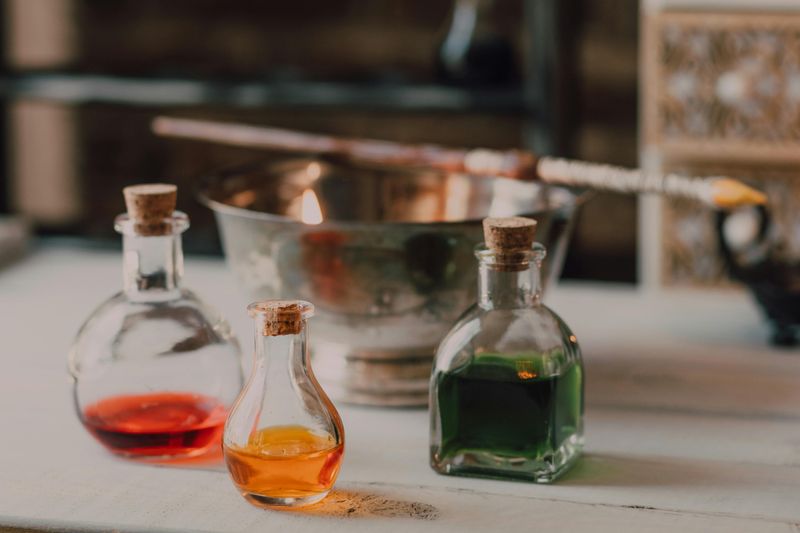
Rainy days meant getting creative indoors.
Armed with bottles, food coloring, soap, glitter, and whatever else you could find, you would create colorful concoctions.
Each mixture needed a dramatic name and imaginary magical properties like invisibility or super strength.
Children naturally understand the essence of potion-making without formal training.
Combining ingredients with intention is fundamental to spellcasting.
Witches have mixed herbs, oils, and other substances for centuries to create remedies and enchantments.
Even pretend potion-making follows magical principles: gathering materials, mixing with purpose, and believing in the outcome.
Those kitchen experiments were essentially entry-level witchcraft lessons disguised as innocent play that taught the basics of alchemical thinking.
9. Wearing Birthstone Jewelry
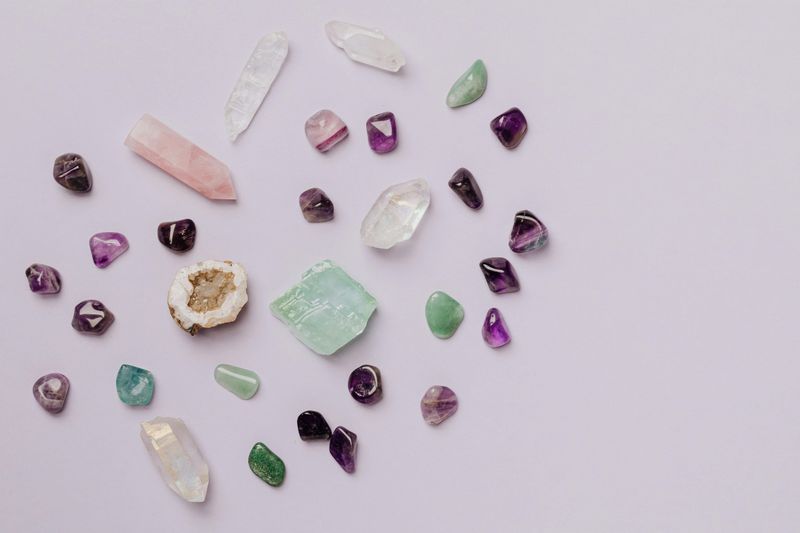
Getting a piece of jewelry with your birthstone felt special and personal.
Whether it was a ring, necklace, or bracelet, wearing your specific gem was supposed to bring good fortune.
Each month had its own stone with unique meanings and powers.
Birthstones connect directly to astrology and crystal magic.
Ancient civilizations believed gemstones held planetary energies that could influence your life.
Wearing the stone aligned with your birth month was thought to amplify positive traits and protect against harm.
Crystal healing and gemstone magic are central practices in modern witchcraft.
Parents who gift birthstone jewelry are unknowingly introducing their children to the metaphysical properties of minerals, a cornerstone of mystical traditions worldwide.
10. Making Daisy Chains and Flower Crowns
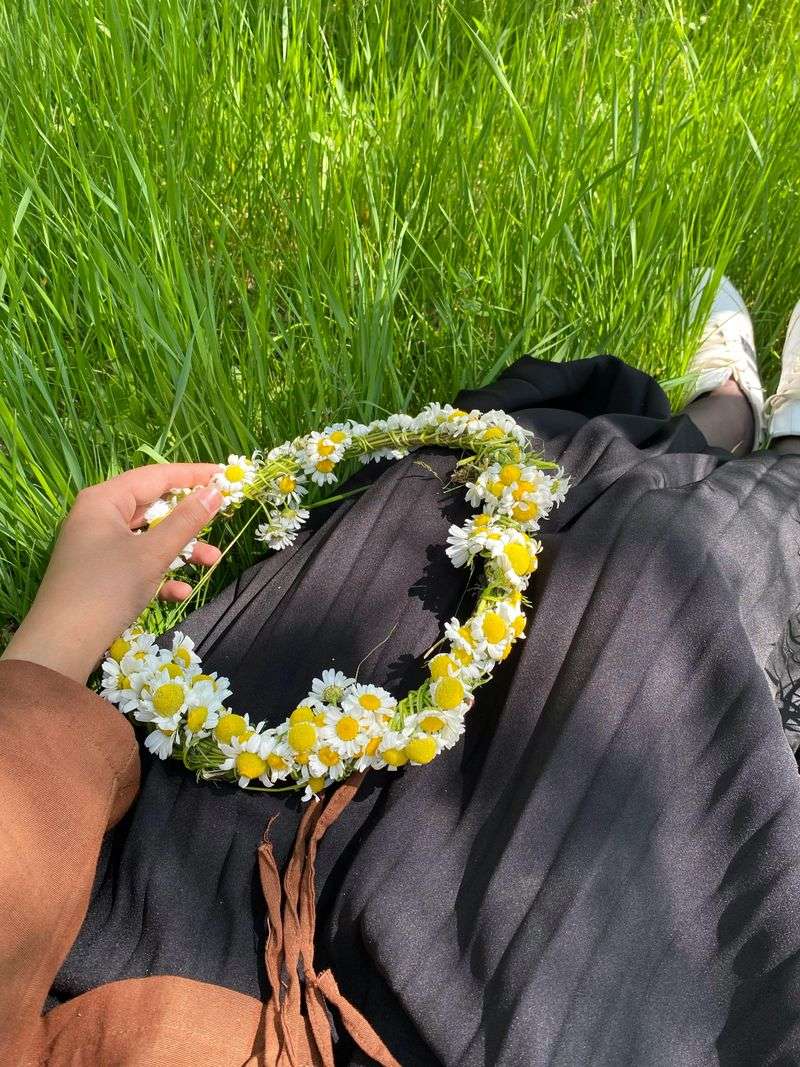
Sitting in a field weaving daisies together created beautiful natural jewelry.
You would carefully split each stem and thread another flower through, creating long chains or circular crowns.
Wearing flowers in your hair felt magical and connected to nature.
Flower crowns have ancient origins in pagan celebrations and fertility rituals.
Different blooms carried specific meanings and powers.
Creating and wearing them honored nature spirits and invited their blessings.
Botanical magic uses plants for their energetic properties.
Weaving flowers with intention, even just for beauty, is a form of green witchcraft.
Children making daisy chains participate in the same earth-honoring traditions that witches have practiced across cultures for thousands of years.
11. Crossing Fingers for Good Luck

Whenever you really wanted something to happen, your fingers would automatically twist together.
Tests, wishes, hopeful moments—all required crossed fingers.
Everyone knew this simple gesture could tip the scales in your favor, though nobody questioned why.
This hand gesture originated from early Christianity but has older pagan roots.
Crossing fingers was believed to trap good spirits and ward off evil ones.
The X shape held protective power in many ancient belief systems.
Gesture magic, or using hand positions to channel energy, appears in witchcraft worldwide.
Mudras in Eastern traditions and symbolic hand signs in Western occultism serve similar purposes.
Crossing fingers is a miniature spell cast through body language to manifest desired outcomes.
12. Collecting Rocks and Crystals
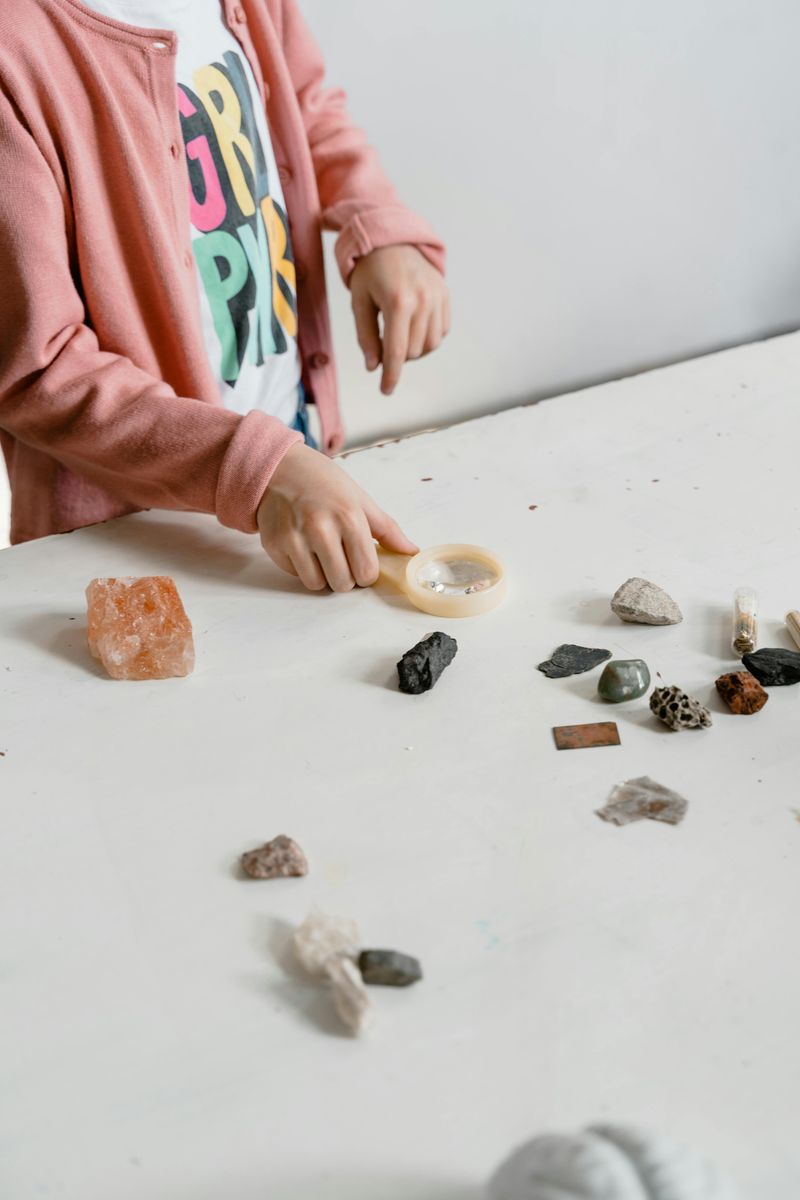
Finding a pretty rock or shiny stone meant adding it to your growing collection.
Bedrooms filled with jars and boxes of geological treasures, each one special for its color, shape, or sparkle.
Some kids could spend hours sorting and admiring their finds.
Crystal and stone collecting is foundational to many magical practices.
Different minerals supposedly hold different energies and healing properties.
Witches carefully select stones for spells, meditation, and protection based on their metaphysical attributes.
Children instinctively recognize the beauty and energy of Earth’s minerals.
This natural attraction to stones mirrors the relationship witches cultivate with crystals.
Every rock collection is essentially a beginner’s altar of natural magic waiting to be activated with intention and knowledge.
Comments
Loading…