
 Isabel Parker
12 Honest Reasons a Great Woman May Not Have Any Friends

Sometimes the most amazing women find themselves without a circle of close friends, and it has nothing to do with being unlikeable or difficult.
Being a great person doesn’t automatically guarantee a packed social calendar, and that’s perfectly okay.
Understanding why this happens can help you appreciate your own journey and realize that being selective about relationships is actually a sign of strength, not weakness.
1. She Outgrew Drama and Chaos

Peace becomes priceless when you’ve spent years navigating emotional roller coasters and unnecessary conflicts.
Many women reach a point where they simply refuse to participate in gossip, backstabbing, or constant crisis mode that some friendships seem to thrive on.
Choosing calm over chaos means walking away from relationships that feel more like work than joy.
This doesn’t make someone boring or uptight—it shows maturity and self-respect.
When you prioritize emotional stability, you naturally distance yourself from people who bring turbulence into your life.
The trade-off is fewer friends, but far more inner peace and genuine happiness in your daily existence.
2. She Has Strong Emotional Boundaries

Energy protection isn’t selfish—it’s essential for mental health and personal wellbeing.
Women with firm boundaries understand that saying no doesn’t require lengthy explanations or apologies to anyone.
They’ve stopped overgiving just to keep others comfortable or to avoid disappointing people who wouldn’t do the same for them.
This shift often confuses those who benefited from their previous people-pleasing habits.
Boundary-setters get labeled as cold, distant, or changed when really they’ve just learned to value themselves appropriately.
Not everyone appreciates this growth, and some friendships naturally fall away when the dynamic becomes more balanced and less one-sided.
3. She’s Highly Self-Aware

Deep self-knowledge creates a powerful presence that some people find unsettling or threatening to be around.
Women who understand their triggers, patterns, and motivations operate from a place of clarity that can feel intimidating.
This awareness means they’re less likely to play games, make excuses, or participate in surface-level conversations that go nowhere.
They see through pretense quickly and value genuine connection above all else.
Unfortunately, this level of consciousness can make others uncomfortable because it holds up a mirror they’re not ready to look into.
The result is often isolation, not because she’s judgmental, but because her presence challenges others to grow.
4. She’s Been Betrayed or Deeply Hurt Before

Heartbreak from friendship betrayal cuts differently than romantic disappointment—it’s a unique kind of pain that changes how you trust.
When someone you considered a sister spreads your secrets or disappears during your hardest moments, the wound runs deep.
These experiences create natural caution, making her more selective about who gets access to her inner world.
She’s not being paranoid; she’s being protective of her emotional safety.
Building trust takes significantly longer after betrayal, and many people aren’t patient enough to earn it properly.
Her smaller circle reflects wisdom gained through painful lessons, not an inability to connect with others meaningfully.
5. She Doesn’t Tolerate Fake Connections

Authenticity matters more than popularity when you’ve experienced the emptiness of superficial relationships that look good but feel hollow.
Small talk at parties and surface-level friendships that never go deeper simply don’t satisfy her anymore.
She’d rather have meaningful conversations about real struggles, dreams, and vulnerabilities than discuss weather and celebrity gossip endlessly.
This preference naturally limits her social options in a world that often values quantity over quality.
Fake friendships require emotional labor she’s no longer willing to invest—nodding along to conversations she doesn’t care about or pretending to enjoy activities that drain her.
Her honesty about what she wants eliminates most potential friendships before they even begin.
6. She’s Introverted or Values Solitude

Recharging batteries looks different for everyone—some people need crowds while others desperately need quiet and alone time.
Introverted women often get misunderstood as antisocial when they’re simply managing their energy wisely.
Social events can feel exhausting rather than energizing, making the recovery period longer than the actual gathering itself.
She’s not avoiding people out of dislike; she’s protecting her mental resources.
Constant socializing leaves her feeling drained and overwhelmed, so she naturally gravitates toward solitude and smaller interactions.
This preference means fewer friendships overall, but the ones she maintains tend to be deeper and more meaningful to her personal happiness.
7. She’s in a Season of Personal Growth

Growth seasons demand focus, energy, and time that social obligations often interrupt or completely derail from important goals.
When you’re building a business, healing from trauma, or completely transforming your life, friendships sometimes take a backseat.
Not everyone understands or supports major life changes, and some friends actively discourage growth because it threatens the familiar dynamic.
She’s outgrowing old versions of herself, and unfortunately, some relationships can’t stretch to accommodate the new her.
Priorities shift dramatically during transformation periods, and what once felt important now seems trivial or distracting from bigger purposes.
Temporary isolation often accompanies genuine personal evolution, and she’s okay with that trade-off.
8. She’s Quietly Confident

Confidence without arrogance confuses people who expect women to constantly seek validation or approval from their social circles.
Her self-assurance doesn’t require loud declarations or constant reinforcement from others around her.
This quiet strength gets misread as aloofness, coldness, or superiority when really it’s just comfort in her own skin.
She doesn’t need to prove anything to anyone, which paradoxically makes some people uncomfortable.
People sometimes mistake her independence for unfriendliness because she’s not desperately seeking connection or approval from groups.
Her calm self-possession attracts some while intimidating others, naturally filtering her social circle down to very few genuine connections that truly matter.
9. She Speaks the Truth

Honesty isn’t always welcomed, especially when people prefer comfortable lies over uncomfortable truths that challenge their perspectives.
Women who value directness often find themselves isolated because sugarcoating everything isn’t their style.
She’ll tell you when your relationship is toxic, your job is draining you, or your choices are self-destructive—not cruelly, but truthfully.
Many people claim they want honest friends until they actually get that honest feedback.
Her refusal to enable bad decisions or validate poor choices makes her unpopular among those seeking echo chambers rather than growth.
Truth-telling requires courage, and it often costs friendships with people who prioritize comfort over personal development and authentic communication.
10. She Avoids Competition and Jealousy

Female friendships sometimes carry undercurrents of comparison and rivalry that emotionally exhausting women simply refuse to participate in anymore.
Constant competition about who has the better job, relationship, or appearance destroys genuine connection.
She wants friends who celebrate her wins without secretly resenting her success or trying to one-up every accomplishment.
This desire for authentic support rather than subtle rivalry eliminates most potential friendships.
Jealousy disguised as concern or competition masked as motivation no longer fools her—she recognizes these dynamics quickly and exits gracefully.
Her refusal to engage in these toxic patterns means loneliness sometimes, but it also means peace and self-preservation over drama.
11. She’s Comfortable in Her Own Company
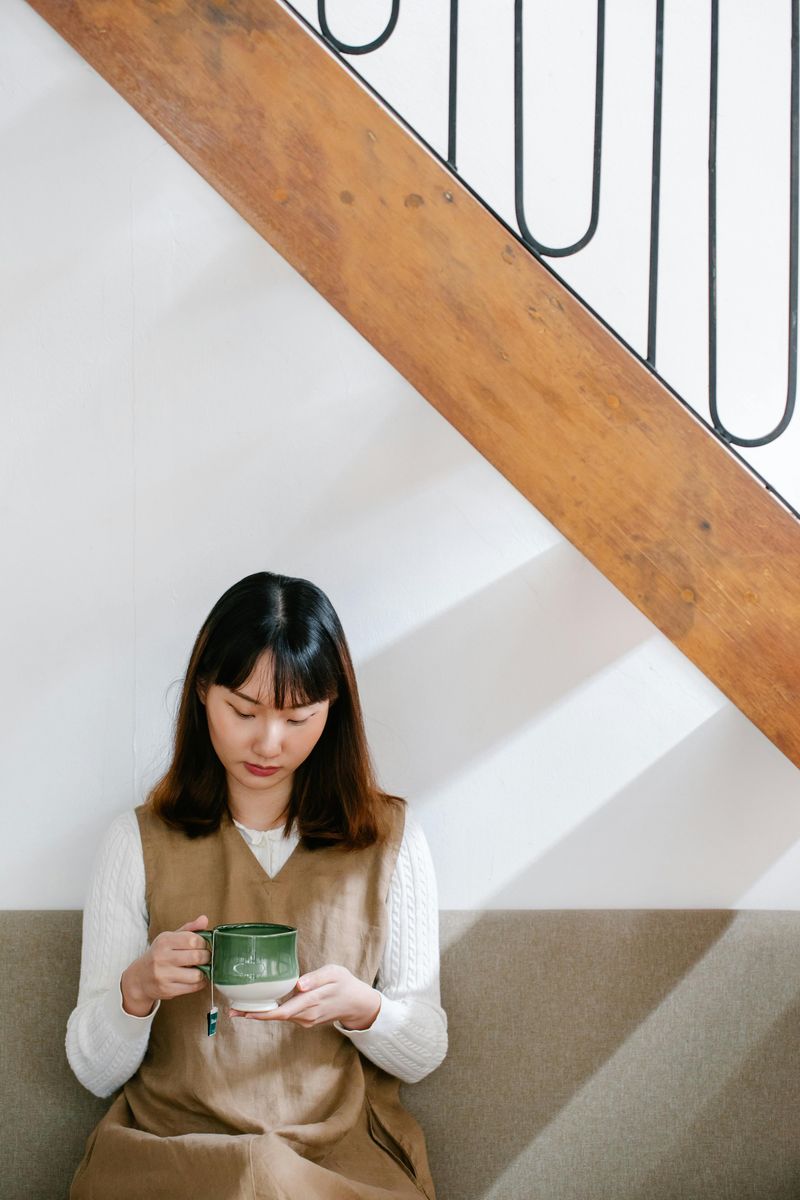
Loneliness and solitude are completely different experiences—one feels empty while the other feels fulfilling and restorative to the soul.
Women comfortable alone don’t desperately seek friendships just to avoid silence or fill empty weekends.
She enjoys her own thoughts, hobbies, and presence without needing constant external validation or entertainment from other people.
This contentment means she’s incredibly selective about who gets added to her life.
Friendship becomes a choice rather than a necessity, which completely changes the dynamic and quality of connections she pursues.
She won’t settle for mediocre relationships simply to avoid being alone, because solitude genuinely nourishes rather than depletes her emotional wellbeing.
12. She Prioritizes Quality Over Quantity

A crowded social calendar filled with shallow connections holds no appeal compared to one deep, meaningful friendship that truly matters.
She’s learned through experience that having fifty acquaintances feels lonelier than having zero friends.
Wrong friendships drain energy, create drama, and ultimately leave you feeling more isolated than being genuinely alone ever could.
She’d rather invest time in herself than waste it on relationships that don’t align with her values.
This selective approach means potentially long periods without close friends, but she views this as temporary rather than tragic.
Quality standards eliminate most candidates, but when the right person appears, the connection will be worth every moment of patient waiting and selective choosing.
Comments
Loading…