
 Hailey Watson
12 Hidden Costs That Hit Poor People Harder Than the Rich
Money doesn’t just buy things—it buys savings, too.
When you’re struggling financially, everyday expenses somehow cost more.
From banking fees to grocery bills, people with less money often pay premium prices for basic needs.
Understanding these hidden costs reveals why escaping poverty is so much harder than it looks.
1. Check-Cashing Services
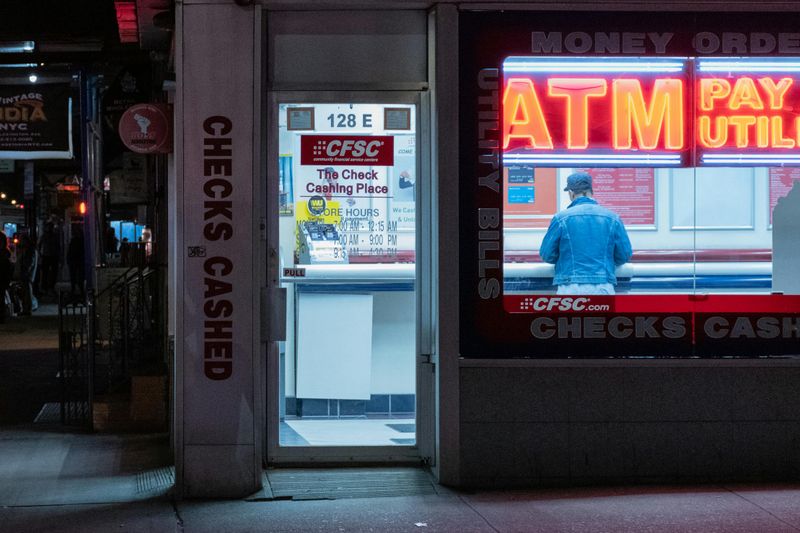
Getting paid shouldn’t cost you money, but that’s exactly what happens when you don’t have a bank account.
Check-cashing stores charge between 2-3% just to turn your paycheck into actual cash you can spend.
On a $500 paycheck, that’s $10-15 vanishing before you even start paying bills.
Banks offer free check cashing if you have an account, but opening one often requires minimum balances many can’t maintain.
Meanwhile, wealthier people deposit checks through phone apps without thinking twice.
Over a year, these fees can drain hundreds of dollars that could’ve gone toward rent, food, or emergencies.
2. Payday Loans and High-Interest Credit
When your car breaks down and payday is two weeks away, desperation makes terrible financial products look like lifelines.
Payday loans promise quick cash but charge interest rates that would make a credit card company blush—sometimes exceeding 400% annually.
Borrowing $300 might mean paying back $450 or more within weeks.
Rich folks never see these storefronts because they have emergency savings, credit cards with reasonable rates, or family who can help.
Poor borrowers get trapped in cycles where they take new loans to pay old ones.
One financial emergency becomes months of debt that’s nearly impossible to escape.
3. Money Order and Bill Payment Services
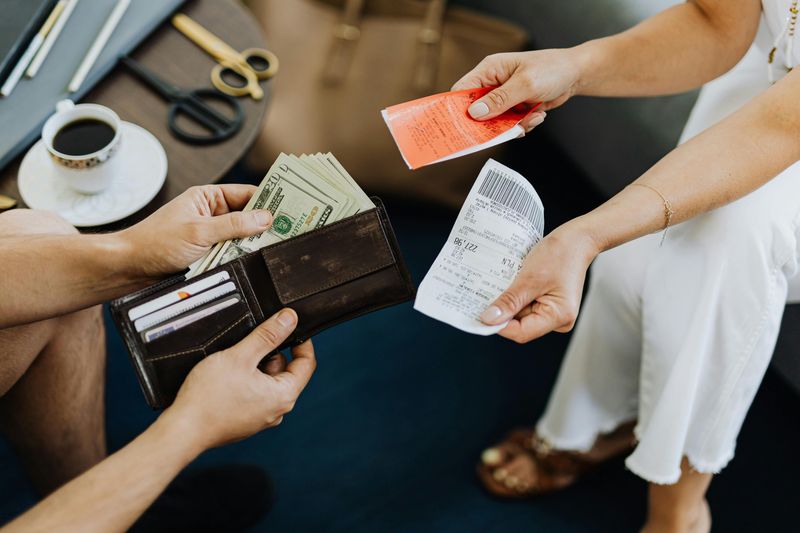
Paying your rent shouldn’t require a separate fee, but without a checking account, that’s reality.
Money orders cost $1-5 each, and if you need several for different bills, those fees multiply fast.
Some landlords and utility companies charge extra for cash payments, creating a no-win situation.
People with bank accounts write free checks or set up automatic payments that sometimes earn rewards.
They spend zero extra dollars doing something poor people pay for repeatedly.
Over twelve months, these small fees add up to significant amounts that could’ve helped build savings or cover unexpected costs instead.
4. Public Transportation Time Tax
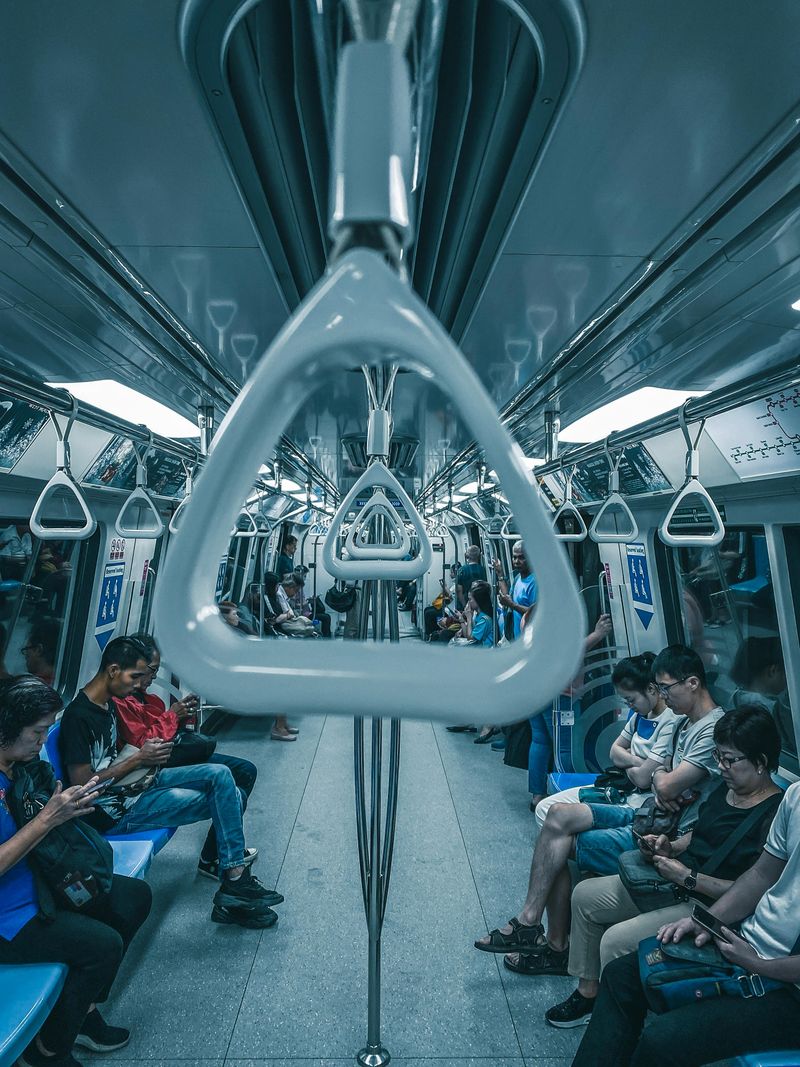
The bus might cost less than car payments, but it charges you in hours instead of dollars.
A 20-minute car commute becomes 90 minutes involving two buses and walking.
Those extra hours mean less time with family, less sleep, or fewer opportunities for second jobs or education.
When your kid gets sick at school, you can’t just drive over—you’re stuck waiting for connections while paying for childcare extensions.
Wealthy people value their time highly and pay for convenience.
Poor people’s time gets stolen daily by transportation systems that don’t value it at all, creating invisible costs that never appear on any receipt.
5. Laundromat Expenses

Washing clothes at home costs maybe 50 cents in water and electricity.
At a laundromat, you’re dropping $5-8 per load between washing and drying, plus buying overpriced detergent in small containers because you can’t store bulk supplies anywhere.
Families easily spend $40-80 monthly just getting clean clothes.
Homeowners with washers and dryers never think about this expense.
They buy giant detergent jugs at warehouse stores and do laundry whenever convenient.
Meanwhile, laundromat users haul bags on buses, sacrifice weekend hours, and watch quarters disappear.
The poverty tax on cleanliness is both financially and physically exhausting.
6. Food Deserts and Convenience Stores
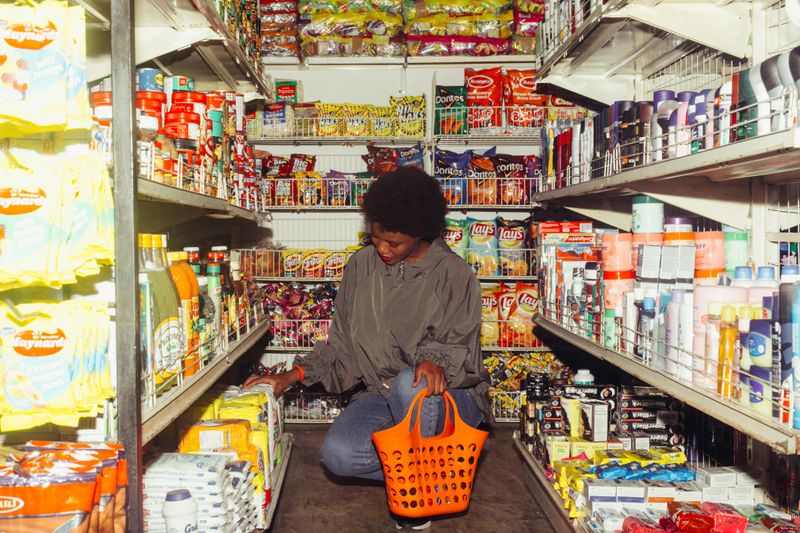
A gallon of milk costs $3.50 at the supermarket but $5.50 at the corner store three blocks from your apartment.
When no grocery stores exist within reasonable distance, you’re stuck paying convenience store markups on everything.
Fresh vegetables?
Forget it—you get chips, soda, and overpriced canned goods instead.
Suburban families drive to Costco and fill carts with affordable bulk food.
Urban poor people in food deserts pay premium prices for inferior selection, contributing to both poverty and health problems.
Transportation costs to reach distant supermarkets often erase any savings.
Geography becomes another hidden tax on being poor.
7. Subprime Auto Loans and Insurance
Needing a car for work but having bad credit means dealerships smell desperation.
Subprime auto loans carry interest rates of 15-25%, turning a $10,000 used car into $15,000 in payments.
Then insurance companies charge extra for living in low-income zip codes, even if you’re a careful driver.
Wealthy buyers get 3% interest rates and insurers compete for their business with discounts.
They pay thousands less for the same transportation.
Poor buyers get trapped in expensive loans for unreliable cars that break down, requiring repairs they can’t afford.
Transportation becomes a financial quicksand instead of a path to opportunity.
8. Rent-to-Own Agreements
Your refrigerator dies, and replacing it requires $800 you don’t have.
Rent-to-own stores offer $20 weekly payments that sound manageable—until you calculate that you’ll pay $1,500 total for a $600 appliance.
The convenience of low weekly payments masks the astronomical markup you’re actually accepting.
People with savings or credit cards buy appliances outright at retail prices or finance them at reasonable rates.
They might even wait for sales.
Rent-to-own customers pay double or triple because they lack upfront cash and good credit.
Missing payments means losing both the item and all money paid, restarting the expensive cycle with nothing to show for it.
9. Prepaid Debit Card Fees
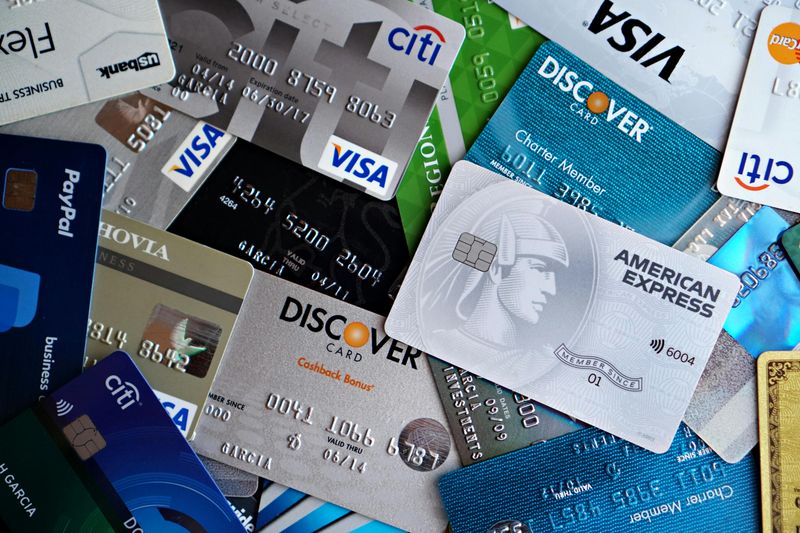
Without qualifying for a regular bank account, prepaid cards seem like the solution.
Then the fees hit: $5 to activate, $3 to reload, $2.50 for ATM withdrawals, $5 monthly maintenance, even $3 for inactivity.
Using your own money costs money at every turn, draining $15-30 monthly just for basic financial access.
Regular bank accounts offer fee-free debit cards with none of these charges.
Wealthy people might pay annual fees for premium credit cards but earn rewards that more than compensate.
Poor people pay fees without benefits, losing hundreds annually just to participate in the modern economy.
Financial exclusion becomes its own expensive trap.
10. Higher Housing Costs Per Square Foot
Renting a tiny 400-square-foot apartment for $800 means paying $2 per square foot.
Meanwhile, someone’s mortgage on a 2,000-square-foot suburban house might be $1,500—just 75 cents per square foot.
Poor renters pay more for less space, often in buildings with maintenance issues landlords ignore because tenants lack alternatives.
Homeowners build equity with every payment and deduct mortgage interest on taxes.
Renters build nothing while paying premiums for substandard housing.
Limited options in affordable neighborhoods mean landlords can charge whatever they want.
The housing market punishes poverty by making basic shelter disproportionately expensive relative to what you actually get.
11. Overdraft Fees
Your account has $50, you forget about a $52 automatic payment, and suddenly you owe $87 because of a $35 overdraft fee.
Buy coffee the next day without realizing?
Another $35 fee.
Three small mistakes become $105 in penalties faster than you can fix the problem, pushing you deeper into the hole.
Banks market overdraft protection as a service, but it’s really a poverty tax.
Wealthy people with cushioned accounts never see these fees.
They might earn interest instead.
Poor people with inconsistent income and tight budgets get hammered repeatedly, with fees often exceeding the actual overdraft amount.
Banks profit enormously from financial vulnerability.
12. Bail Bonds and Legal Fines

Getting arrested for a minor offense with $5,000 bail means two choices: sit in jail losing your job, or pay a bail bondsman $500 you’ll never get back.
That non-refundable fee exists only because you couldn’t afford the full amount upfront.
Then court fines and fees pile up, with payment plans charging extra interest.
Wealthy people post bail immediately and get their money returned after court.
They hire lawyers who minimize fines or arrange community service instead.
Poor people lose jobs while awaiting trial, pay bondsmen premiums, and face escalating penalties for late fine payments.
The justice system literally charges more for being poor, sometimes leading to jail time simply for inability to pay.
Comments
Loading…