
 Harper Hall
12 Everyday Things Baby Boomer Kids Were Expected to Handle Alone

Growing up in the Baby Boomer generation meant learning independence early and often.
Kids from this era were handed responsibilities that might surprise parents today, from managing their own money to caring for younger siblings without a second thought.
These weren’t seen as burdens but as normal parts of childhood that prepared them for adult life.
The freedom and trust they experienced shaped a generation that learned resilience, resourcefulness, and self-reliance in ways modern children rarely encounter.
1. Deciding How to Spend Free Time
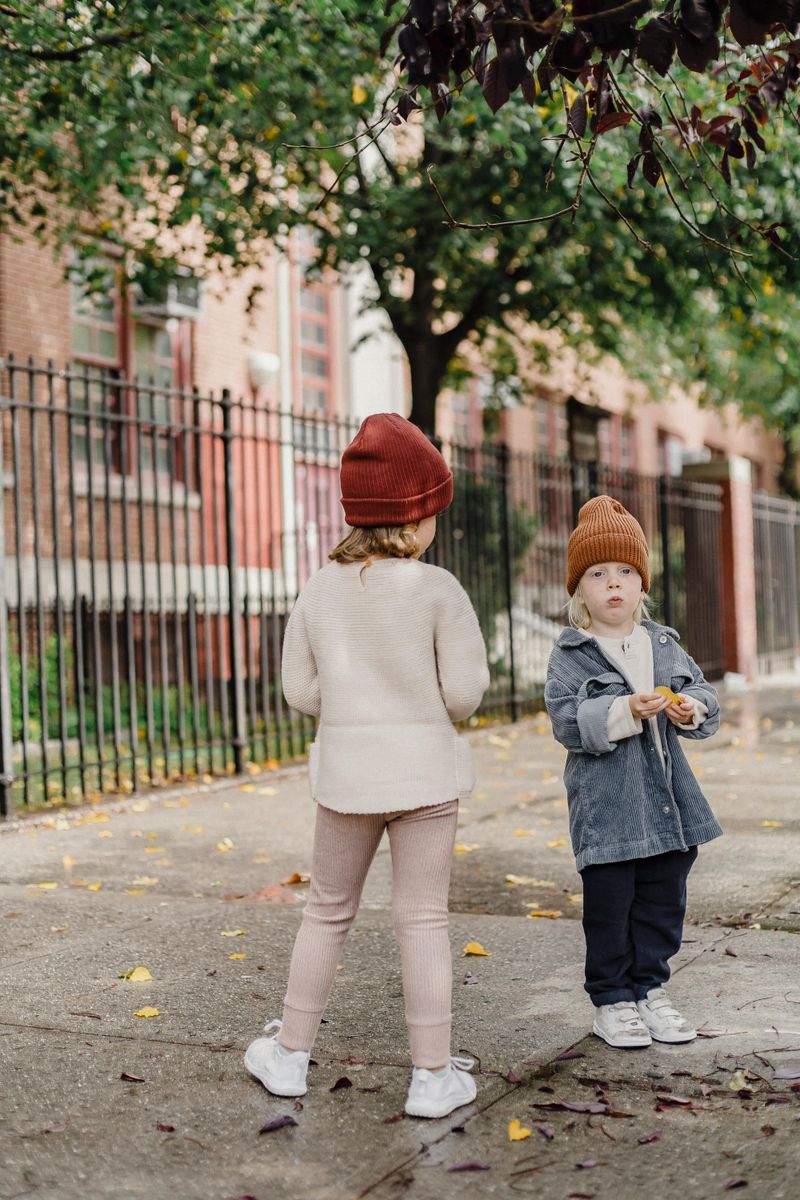
Boredom was something you figured out yourself back then.
There were no tablets, video game systems, or streaming services to fill every quiet moment.
Instead, kids would head outside and invent games, build forts, or explore the neighborhood until dinner time.
Parents expected children to create their own fun without constant entertainment or supervision.
This freedom taught creativity and problem-solving in ways that structured activities never could.
A stick could become a sword, a cardboard box transformed into a spaceship, and an empty lot turned into an adventure zone.
The ability to entertain yourself for hours wasn’t just encouraged—it was the norm, building imagination and independence that lasted a lifetime.
2. Saving and Managing Money
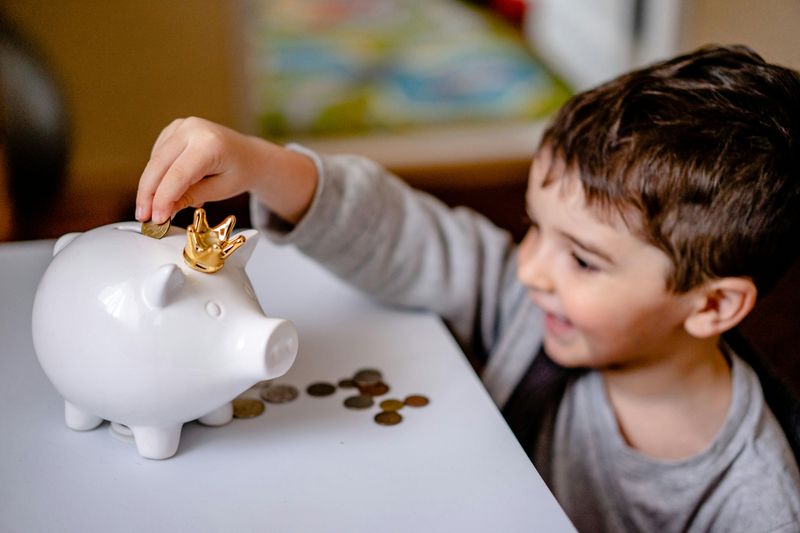
Allowances came with a lesson attached.
Kids received a few dollars each week and were expected to make it stretch until the next payday.
No one tracked their spending in apps or reminded them to save for something special.
This hands-on approach to money management taught the value of a dollar quickly.
Want that new toy or comic book?
You had to save up, count your coins, and decide if it was worth the wait.
Mistakes happened, of course—blowing your whole allowance on candy meant going without later.
These early financial lessons created lifelong habits of budgeting and delayed gratification that many adults today wish they’d learned earlier.
3. Solving Everyday Problems
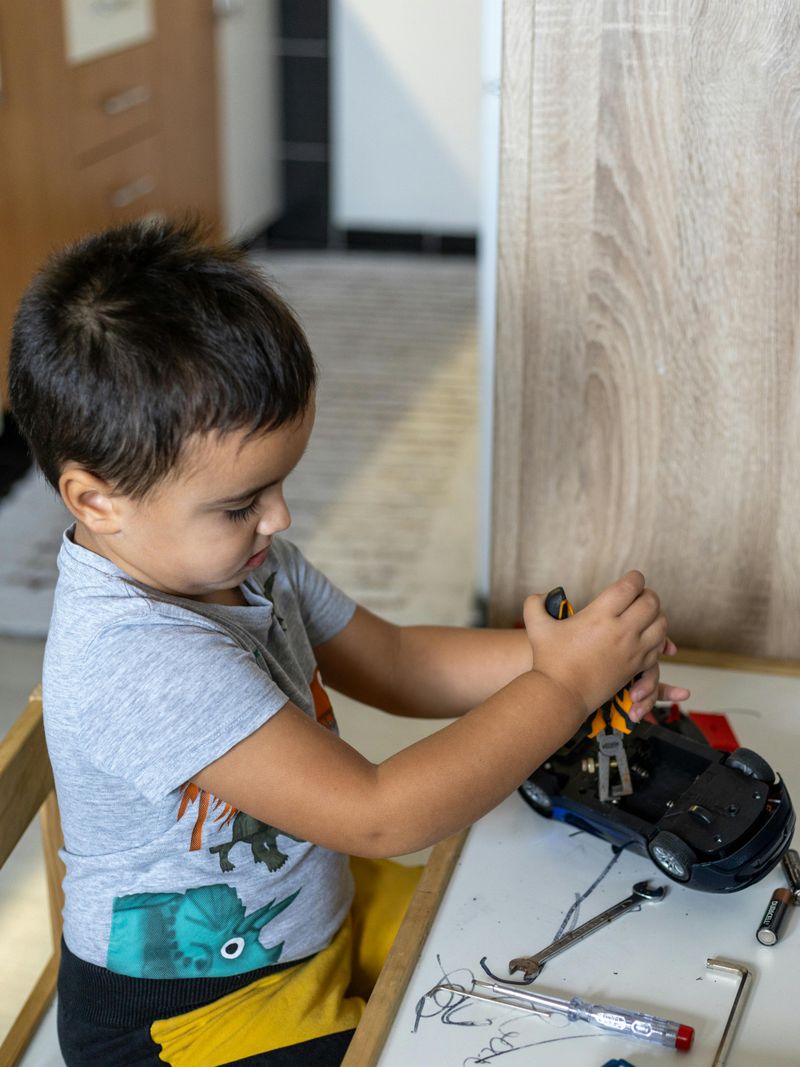
When something went wrong, kids were expected to figure it out themselves first.
Lost your house key?
Find a way in or wait on the porch.
Broke your toy?
Try fixing it with tape and glue before asking for help.
Parents weren’t hovering nearby ready to swoop in and solve every minor crisis that arose.
This approach might seem harsh by today’s standards, but it built confidence and critical thinking skills.
Children learned that problems had solutions and that they were capable of finding them.
The resilience developed through these experiences created adults who could handle setbacks without panicking or immediately seeking rescue from others.
4. Dealing with School Responsibilities

Report cards came home, and kids handed them over knowing they’d better have a good explanation for any poor grades.
Homework was your job, not your parents’, and forgetting an assignment meant facing the consequences at school the next day.
Teachers and parents formed an alliance where academic performance fell squarely on the student’s shoulders.
If you got in trouble or failed a test, there was no calling mom to fix it or negotiate a better outcome.
This accountability taught ownership of both successes and failures.
The lesson was clear: your education was your responsibility, and learning to manage it prepared you for workplace expectations later in life.
5. Completing Household Chores

Saturday mornings meant chores, plain and simple.
Every kid had their assigned tasks—washing dishes, laundry, mowing the lawn, taking out trash, or vacuuming—and they weren’t optional or tied to rewards.
You did them because you were part of the family.
There were no allowance charts or sticker systems to motivate completion.
Chores were simply expectations that taught responsibility and contribution to the household.
Kids learned that maintaining a home required everyone’s effort, not just the parents’.
This approach instilled a work ethic and sense of duty that carried into adulthood, where pulling your weight wasn’t negotiable but expected.
6. Babysitting Younger Siblings

Being the oldest meant automatic babysitting duty.
Parents would head out for errands or date nights, leaving older kids—sometimes as young as ten or eleven—in charge of younger brothers and sisters for hours at a time.
This responsibility came with real expectations: keep everyone safe, fed, and out of trouble until the adults returned.
There were no cell phones to check in every fifteen minutes or neighbors on speed dial.
Older siblings learned to handle emergencies, resolve fights, and keep things running smoothly.
The trust placed in these young caretakers built maturity and leadership skills that shaped how they approached responsibility throughout their lives.
7. Running Errands Alone

Need milk from the store?
Your mom would hand you a few dollars and send you on your way—even if you were only eight or nine years old.
Walking to the corner store, post office, or neighbor’s house to deliver something was just part of being a kid.
These solo missions taught navigation, money handling, and social interaction with shopkeepers and other adults.
Kids learned to follow directions, make correct change, and get home safely without GPS or parental tracking.
The independence felt grown-up and important.
This trust in children’s capabilities built confidence and street smarts that prepared them for navigating the world without constant supervision or digital assistance.
8. Making Simple Meals
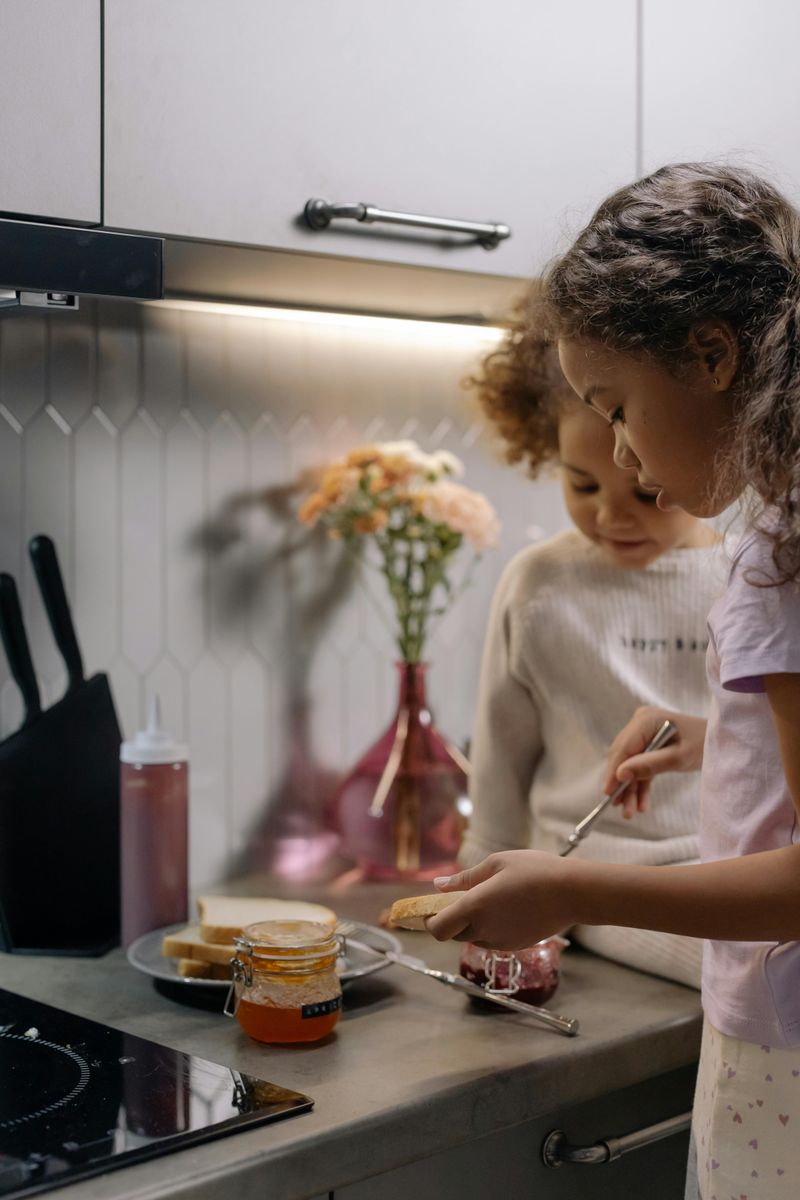
Hungry after school?
You knew where the bread and peanut butter lived.
Boomer kids were expected to make their own snacks and simple meals without waiting for someone to serve them.
Sandwiches, cereal, heating up leftovers—these were basic survival skills.
By the time many kids hit their early teens, they could prepare basic dinners for the family if needed.
There was no takeout habit or reliance on pre-packaged convenience foods for every meal.
Learning to feed yourself was practical and necessary.
This early kitchen independence created adults comfortable with cooking and self-sufficiency, rather than dependent on others or restaurants for every meal.
9. Handling Minor Injuries
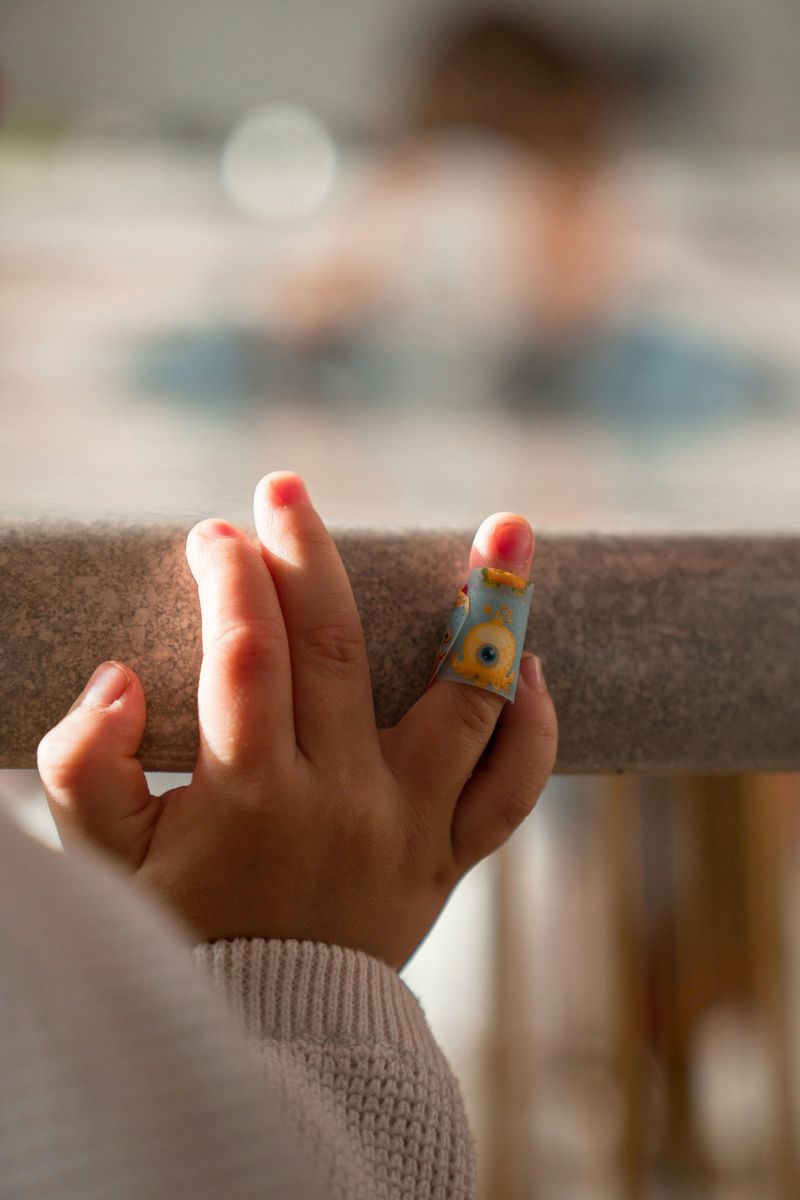
Scraped knees and bruised elbows were badges of honor, not emergencies.
Kids would come home bleeding from a bike crash or tree-climbing mishap, wash it off with the garden hose, and slap on a Band-Aid themselves.
Unless bones were visible or blood wouldn’t stop, you handled it.
This wasn’t neglect—it was teaching kids to assess situations and treat minor injuries independently.
They learned the difference between serious problems needing adult help and everyday bumps that just needed cleaning and time to heal.
The resilience built through these experiences created adults who didn’t panic at every small injury and understood basic first aid naturally.
10. Managing Friendships and Conflicts
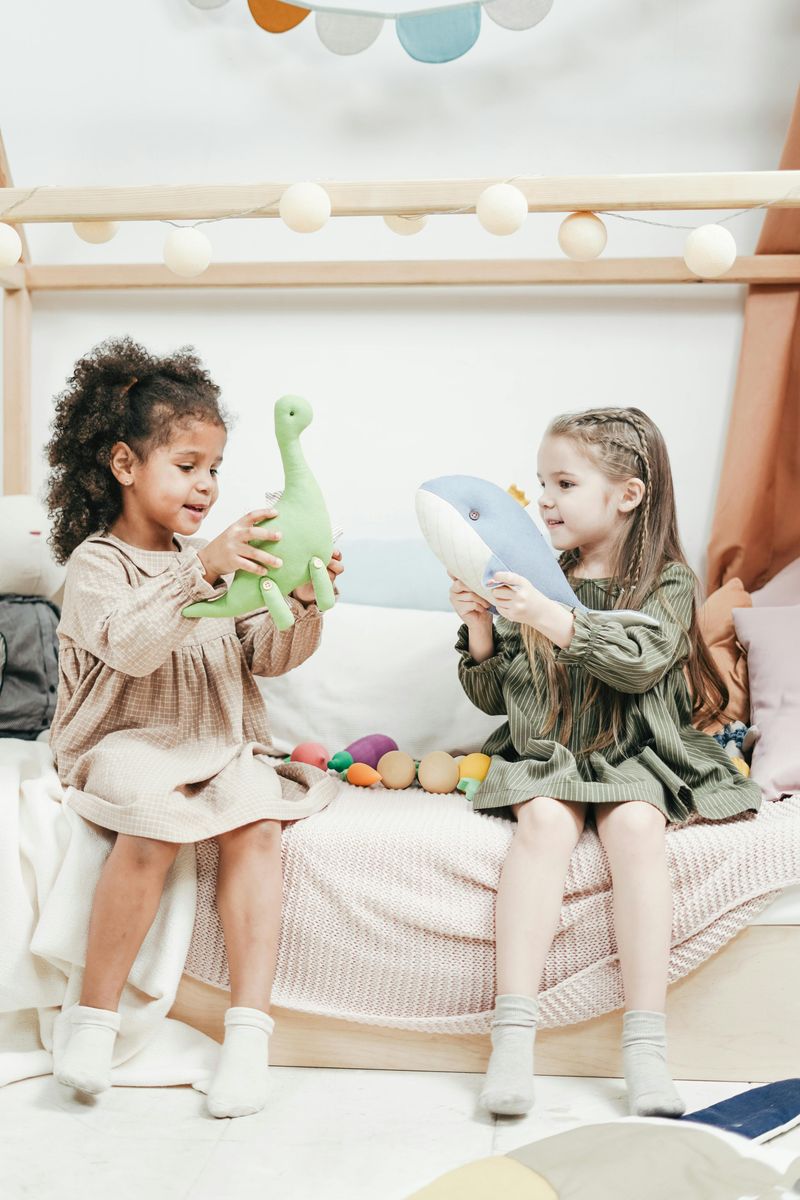
Had a fight with your best friend?
You worked it out yourselves, face-to-face, without parents calling each other or scheduling mediation sessions.
Social conflicts were considered part of growing up and learning to navigate relationships.
Kids developed their own conflict resolution skills through trial and error.
They learned to apologize, compromise, and sometimes just agree to disagree.
There were no text messages to hide behind or parents intervening in every disagreement.
Real communication skills developed through these unfiltered interactions.
This direct approach to handling social issues created adults capable of managing workplace conflicts and personal relationships without constant outside intervention or guidance.
11. Following Curfews on Their Own

When the streetlights came on, you knew it was time to head home.
There were no smartphones with GPS tracking or parents texting to check your location every hour.
Kids were simply expected to keep track of time and show up when they were supposed to.
This system operated entirely on trust and personal responsibility.
Being late meant consequences—lost privileges or stricter rules—so kids learned quickly to pay attention to the time.
They developed internal clocks and awareness of their surroundings without digital reminders.
The self-discipline required to manage your own schedule built time management skills and accountability that served them well throughout their adult lives.
12. Getting Themselves to and from Places
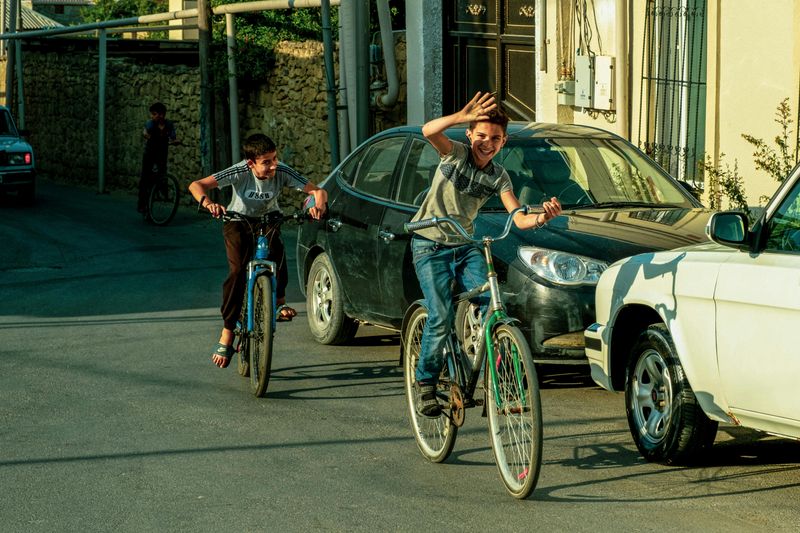
Want to go to the park, library, or friend’s house?
You walked, rode your bike, or figured out the bus route.
Parents weren’t running a taxi service for every activity or social engagement.
Kids as young as seven or eight navigated their neighborhoods independently.
This freedom to move around without constant adult supervision built confidence and spatial awareness.
Children learned street safety, how to read maps, and the responsibility of getting places on time.
The independence felt empowering and prepared them for real-world navigation.
These experiences created adults comfortable with exploring new places and confident in their ability to find their way without relying on others or technology.
Comments
Loading…