
 Mary Murphy
12 Dining Habits That Instantly Reveal Your Social Status

Ever notice how some people seem effortlessly polished at the dinner table while others struggle with basic etiquette?
The way you behave during a meal says more about your background and social awareness than you might think.
From how you treat your server to where you place your phone, these small actions can reveal volumes about your upbringing and confidence in formal settings.
1. How You Treat the Server

Watch someone interact with restaurant staff, and you’ll learn everything about their character.
People who consistently say please and thank you, make eye contact, and show patience during busy times display genuine emotional maturity.
This behavior isn’t about being fake or overly formal.
It reflects real confidence and an understanding that everyone deserves respect, regardless of their job title.
When things get hectic or mistakes happen, gracious diners remain calm and kind.
Those who snap fingers, ignore servers, or speak rudely often reveal insecurity masked as superiority.
True social grace means treating everyone with the same level of courtesy, from the host to the busser clearing your table.
2. The Phone on the Table

Placing your phone on the table during dinner sends a clear message about your priorities and social training.
In refined dining circles, phones stay completely out of sight—tucked in a pocket or bag throughout the entire meal.
Even keeping it face-down beside your plate suggests you’re half-expecting an interruption.
People comfortable in formal settings understand that mealtime represents dedicated social time.
Checking notifications, scrolling through messages, or snapping food photos demonstrates distraction and poor presence.
Younger diners especially struggle with this habit, not realizing how disrespectful it appears to companions.
Making eye contact and engaging fully in conversation shows emotional intelligence and respect that transcends generations and social backgrounds.
3. Navigating the Wine List
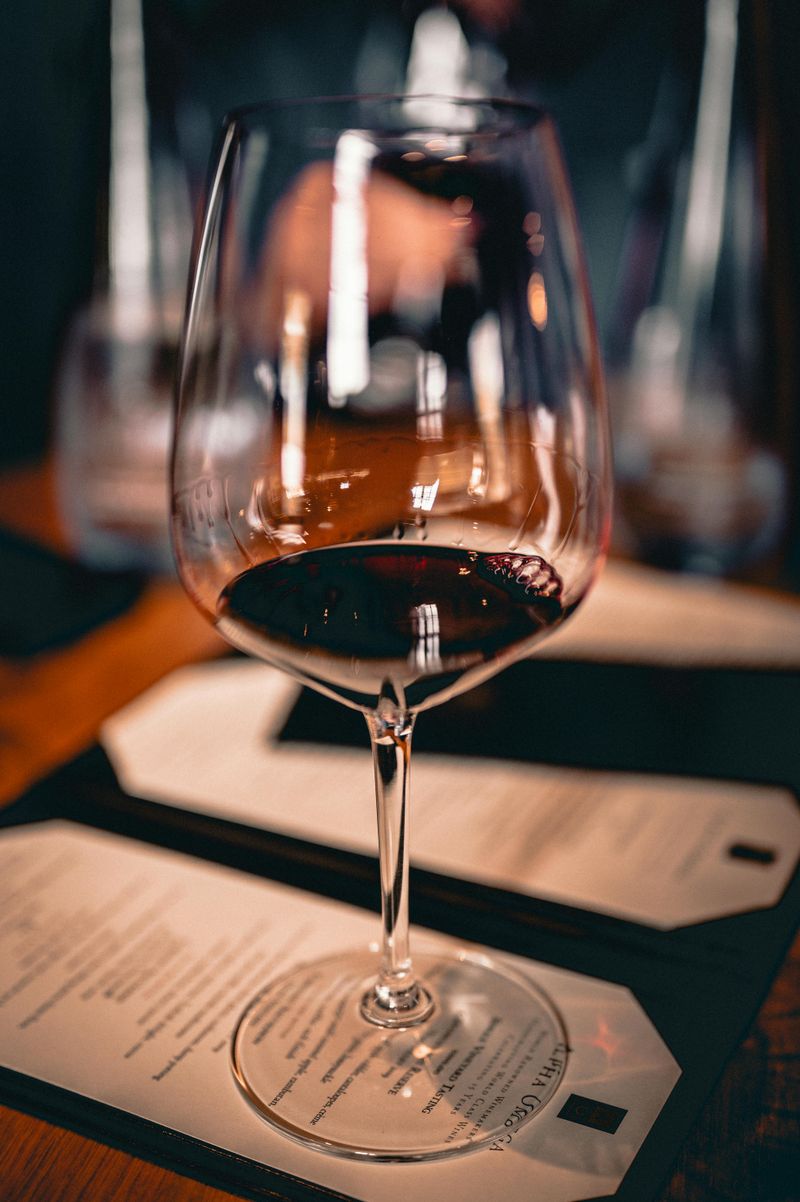
Confidence with a wine list reveals cultural exposure and dining experience immediately.
You don’t need to be a sommelier, but understanding basic wine regions, grape varieties, or even asking informed questions signals sophistication.
People familiar with upscale dining know how to pronounce French appellations without stumbling.
They might ask the server for recommendations based on their meal choice rather than randomly pointing at bottles.
Ordering wine by the glass versus bottle also demonstrates awareness of appropriate choices for different occasions.
Those uncomfortable in refined settings might skip wine entirely, order the cheapest option, or defer all decisions to others.
Taking a moment to consider pairings and make a thoughtful selection shows you’ve dined well before and understand this cultural ritual.
4. Asking the Price of Specials

Talking about money at the table can feel awkward, but how you handle it reveals your comfort level in upscale environments.
Directly asking “How much is that?” when a server describes specials can signal unfamiliarity with high-end dining customs.
Experienced diners know that if price isn’t mentioned, it’s often comparable to other entrees.
They might discreetly check the regular menu for context or ask in a subtle way: “Is that similar in price to the other seafood dishes?”
This approach gets information without making the conversation about cost.
People raised in affluent settings rarely discuss money openly during meals.
They understand that some conversations belong in private, not at the dinner table where focus should remain on food, company, and enjoyment of the experience.
5. Napkin Etiquette

Something as simple as napkin handling separates the experienced diner from the novice.
Placing your napkin on your lap immediately upon sitting—not after food arrives—shows automatic familiarity with formal customs.
Using it to gently dab your mouth rather than wiping aggressively demonstrates refinement.
When leaving the table temporarily, loosely place it on your chair, not the table.
At meal’s end, set it casually to the left of your plate, never refold it neatly.
These small gestures signal you’ve been taught proper etiquette, likely from childhood.
People unfamiliar with these rules might tuck napkins into collars, leave them untouched, or ball them up on their plates.
Napkin use seems minor but reveals volumes about your dining background and social polish.
6. The Volume of Your Conversation
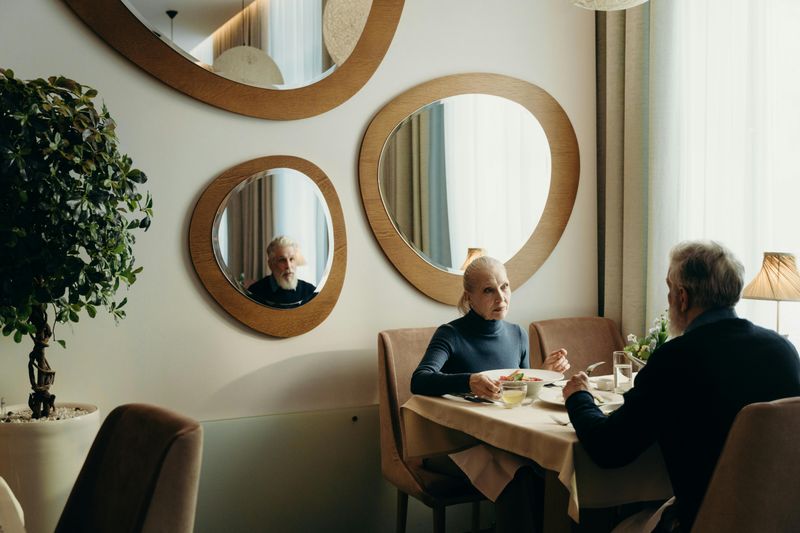
Volume control during dinner reveals spatial awareness and social maturity that money can’t buy.
Speaking at a moderate level that doesn’t carry to neighboring tables shows respect for others sharing the space.
Restaurants aren’t private living rooms, and understanding this distinction demonstrates experience in public dining settings.
People comfortable in refined environments naturally modulate their voices, keeping conversations intimate and contained.
Loud laughter, booming voices, or animated storytelling that disrupts nearby diners suggests inexperience with formal atmospheres.
This doesn’t mean being silent or stiff—just aware.
Children often need reminding about indoor voices, but adults should instinctively know appropriate volume levels.
Those raised attending upscale restaurants absorb this lesson early, making controlled conversation second nature in any dining situation they encounter.
7. Handling a Mistake From the Kitchen

Mistakes happen in every restaurant, but your response reveals true character and social confidence.
Sending food back calmly and politely, without drama or raised voices, shows emotional control associated with higher social standing.
Explaining the issue clearly while maintaining kindness toward staff demonstrates you understand these are human errors, not personal attacks.
People secure in themselves don’t need to make scenes or demand compensation aggressively.
They know that respectful communication gets better results than tantrums.
Those less comfortable in upscale settings might either suffer silently through a problem or overreact with indignation.
Both extremes signal insecurity.
Confident diners address issues directly but graciously, understanding that how you handle adversity speaks louder than how you behave when everything goes perfectly at the table.
8. Ordering Complex Customizations

Requesting modifications shows confidence, but excessive demands reveal something else entirely.
Asking for dressing on the side or swapping a vegetable demonstrates reasonable preferences and self-advocacy.
However, requesting five different changes, substituting multiple ingredients, or micromanaging every detail can come across as high-maintenance and inexperienced.
Refined diners understand that chefs design dishes with specific flavor profiles in mind.
They trust the restaurant’s expertise while voicing genuine dietary needs or allergies clearly and courteously.
Making requests without apology but with appreciation strikes the right balance.
Those who order off-menu entirely or treat servers like personal chefs often reveal discomfort with dining norms.
True sophistication means respecting kitchen workflow while confidently communicating your needs in a straightforward, polite manner that values everyone’s time and effort.
9. Tipping Behavior
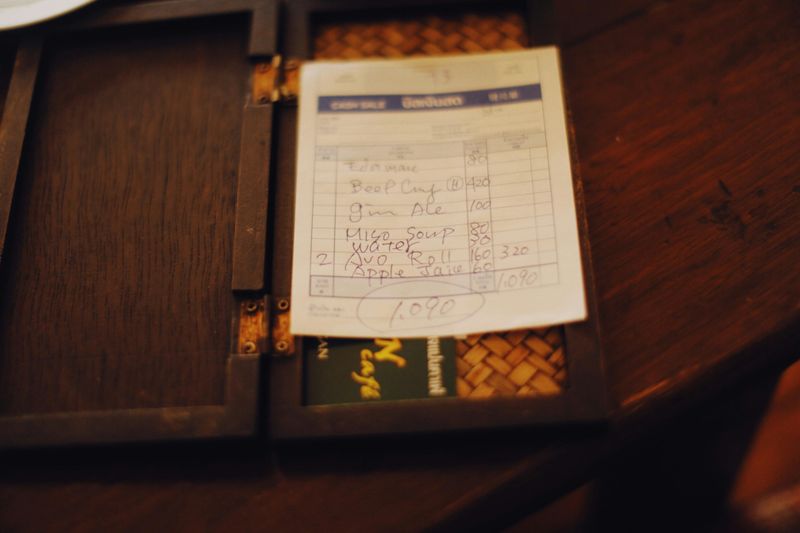
Nothing reveals your understanding of social norms quite like tipping habits.
In cultures where tipping is standard, leaving an appropriate amount without hesitation shows you grasp service industry customs and respect workers who depend on gratuities.
Calculating 18-20% automatically and rounding up demonstrates both mathematical comfort and generosity.
People from higher socioeconomic backgrounds typically tip consistently and well, understanding this as part of the dining cost.
They don’t agonize over percentages or shortchange servers.
Those who undertip, skip tipping entirely, or loudly debate appropriate amounts often signal either unfamiliarity with customs or financial insecurity.
Even asking companions “What should we tip?” can reveal inexperience.
Confident diners handle this transaction smoothly, privately, and generously, recognizing that service quality deserves fair compensation without making it a public discussion or negotiation.
10. Table Manners and the Cookie Monster Effect
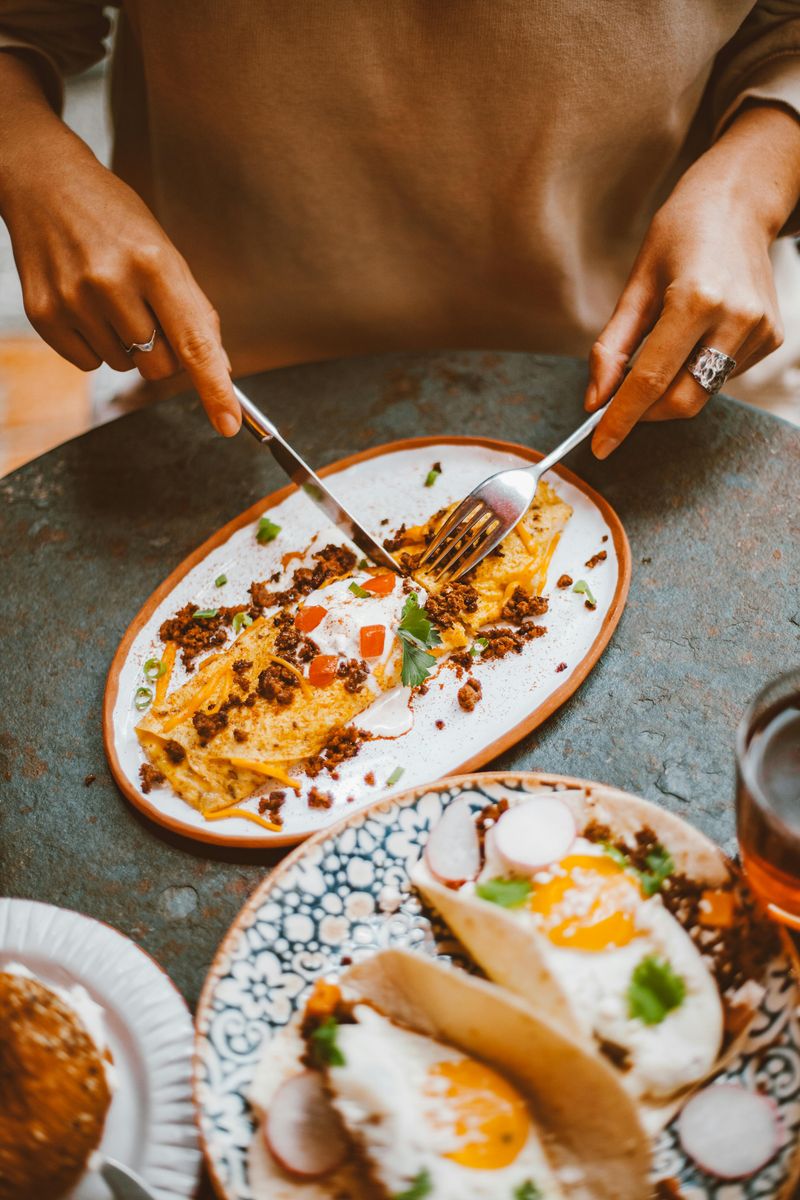
Eating like Cookie Monster—messily, noisily, or sloppily—instantly reveals your upbringing and social polish.
Using utensils correctly, chewing with your mouth closed, and avoiding loud eating sounds are basics that separate refined diners from others.
Taking appropriately sized bites, not talking with food in your mouth, and keeping your eating space tidy demonstrate discipline learned early.
These habits become automatic when taught from childhood in homes that value etiquette.
People who slouch, reach across others, or leave food scattered around their plate often lacked this training.
Good table manners aren’t about being stuffy—they’re about respect and awareness.
Keeping elbows off the table, passing dishes properly, and using bread plates correctly all signal familiarity with formal dining standards that distinguish socially experienced individuals from those still learning these important customs.
11. Hygiene and Hand Washing

Personal hygiene before dining reveals respect for yourself, your companions, and the dining experience itself.
Washing hands before meals, maintaining clean fingernails, and presenting yourself neatly shows awareness of appropriate restaurant behavior.
Subtle grooming matters—hair pulled back if long, minimal perfume or cologne, and overall cleanliness signal social consciousness.
People comfortable in refined settings understand that dining is partly about presentation and respecting shared space.
They wouldn’t dream of sitting down with visibly dirty hands or strong odors.
Those who neglect basic hygiene or groom themselves at the table—applying makeup, picking teeth, or combing hair—demonstrate unfamiliarity with public dining norms.
These actions belong in restrooms, not at the table.
Taking a moment to freshen up before meals shows consideration that extends beyond yourself to everyone sharing the dining experience with you.
12. Presence and Engagement

Being mentally present during a meal demonstrates confidence and refined interpersonal skills that transcend economic status.
Giving companions your full attention, maintaining eye contact, and actively listening shows respect and social ease.
People comfortable in their own skin don’t need constant external stimulation or validation from devices.
They can sit through a two-hour dinner fully engaged in conversation without fidgeting or checking phones.
This presence signals emotional maturity and strong social training.
Those who seem distracted, scan the room constantly, or mentally check out reveal discomfort with intimate social situations.
True sophistication isn’t about knowing which fork to use—it’s about making others feel valued through your complete attention.
This quality, often cultivated in families that prioritize meaningful connection, instantly elevates your social presence in any dining environment.
Comments
Loading…