
 Hailey Watson
12 Dark Truths About Why Funny People Are Often the Saddest

Behind every big laugh, there’s often an even bigger story. Many of the funniest people you know carry a quiet kind of sadness that goes unnoticed by most. Humor can serve as a shield, a mask, and sometimes even a subtle cry for help all at once.
By taking the time to understand why those who make us laugh the most often struggle in silence, we can become more empathetic friends, better listeners, and ultimately more compassionate human beings, noticing the emotions that lie beneath the surface.
1. Humor Is Their Armor Against Pain

Long before the jokes got polished, the pain came first.
Many funny people discovered early in life that making others laugh was the fastest way to stop feeling hurt themselves.
A well-timed joke could defuse a tense situation, distract a bully, or simply make a lonely moment feel less heavy.
Over time, humor becomes less of a choice and more of a reflex.
The armor gets so comfortable they forget it is even on.
Sadly, armor is great at keeping danger out but terrible at letting warmth in.
2. They Mask Depression With Laughter

Clinical depression does not always look like crying in bed.
Sometimes it looks like the life of the party.
Research has shown that a significant number of people who struggle with depression use humor as a coping mechanism, making it nearly impossible for others to notice the warning signs.
Laughing through the pain feels safer than admitting it exists.
The person cracking jokes at dinner might be falling apart at midnight.
That gap between public performance and private suffering is where the real danger quietly lives.
3. Making Others Happy Feels Easier Than Helping Themselves
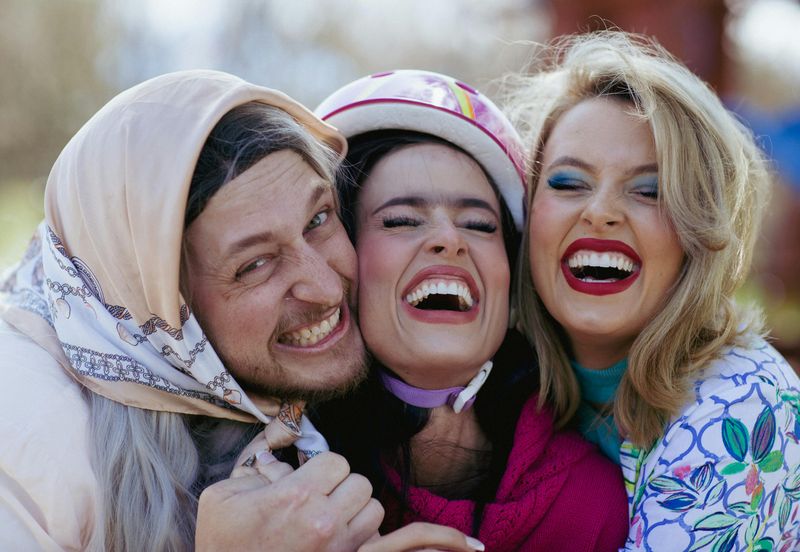
There is something deeply satisfying about making someone else smile, especially when your own smile feels hollow.
Funny people often pour enormous energy into lifting the mood of everyone around them because it gives them a sense of purpose and value.
Being needed feels good, even when you are running on empty.
The problem is that this pattern quietly drains them.
They become emotional caretakers for the whole room while nobody checks in on them.
Eventually, the well runs dry, and they are left wondering why nobody ever asks if they are okay.
4. Childhood Trauma Often Sparks the Funniest Minds

Psychologists have noted a striking connection between early trauma and the development of sharp comedic instincts.
Kids who grow up in unpredictable or painful households often learn to read the room with incredible precision.
Knowing when to crack a joke to ease tension becomes a survival skill.
That skill sharpens into genuine talent over the years.
Many beloved comedians have spoken openly about difficult childhoods filled with loss, abuse, or instability.
The stage becomes a place to finally be in control of the story they once had no power over.
5. They Fear Being Seen as Weak

Vulnerability is terrifying for people who have built an identity around being the funny one.
Admitting sadness feels like breaking character, like letting everyone down.
There is an unspoken pressure to stay entertaining, stay light, and never burden others with anything real or heavy.
This fear of appearing weak keeps funny people from reaching out when they need help the most.
They would rather deflect with a joke than confess they are struggling.
Over time, that emotional silence piles up into something much heavier than any single feeling they were originally trying to hide.
6. Laughter Becomes a Cry for Connection

At its core, every joke is a bid for connection.
Funny people crave closeness just like everyone else, but they have learned to reach for it indirectly through laughter rather than honest conversation.
Getting a room to laugh feels like being loved, even if just for a moment.
But laughs fade fast.
Once the room quiets down, the loneliness creeps back in.
The applause and the giggles are wonderful, but they cannot replace a real conversation where someone looks you in the eye and says they truly see you.
7. High Intelligence Fuels Both Wit and Sadness

Studies suggest that people with higher intelligence tend to experience deeper emotional highs and lows.
That same sharp mind that crafts a brilliant punchline also overthinks every awkward silence, every missed connection, and every regret.
The brain that sees humor in everything also sees the darker side of things most people overlook.
Wit and wisdom often walk side by side with anxiety and sadness.
The comedian who dissects human behavior on stage is doing the same thing at 3 a.m. when sleep will not come.
A sharp mind rarely gets to rest.
8. They Struggle to Accept Genuine Kindness
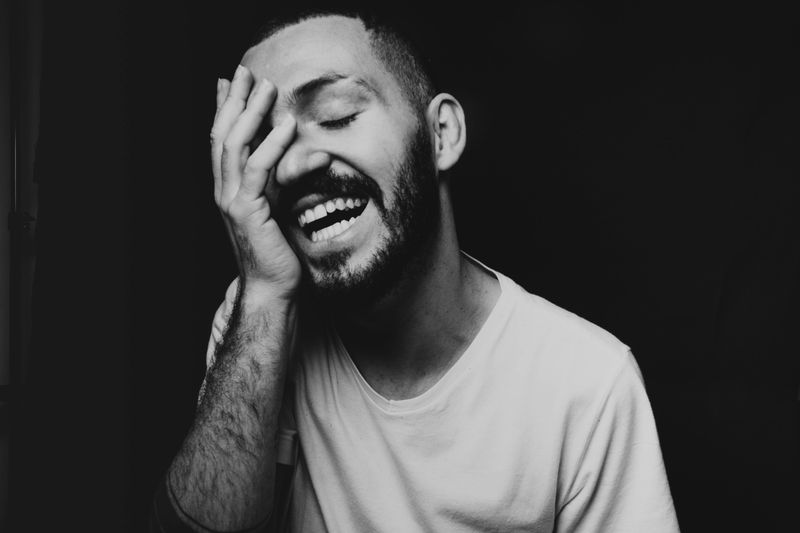
Funny people are experts at giving warmth but often freeze when it comes back to them.
Compliments get deflected with self-deprecating jokes.
Sincere emotional moments get broken with a perfectly timed quip.
Accepting kindness means being seen, and being seen without the armor on feels incredibly unsafe.
This pattern can quietly destroy relationships over time.
Partners and friends start to feel shut out, never quite able to reach the real person underneath all the laughs.
Learning to receive care without flinching is one of the hardest and most important lessons for someone who hides behind humor.
9. Performing Happiness Becomes Exhausting

Keeping an audience laughing takes real energy, but keeping up the act in everyday life is a whole different kind of exhausting.
Funny people often feel pressure to be “on” at all times, as if showing a bad mood would disappoint everyone around them.
That pressure never really turns off.
Imagine going to work every single day and performing a one-person show.
That is what life can feel like when humor is your entire identity.
Eventually, the performance wears thin, and the person behind it is left feeling hollow, unseen, and utterly spent.
10. Their Jokes Are Often Rooted in Real Pain

The funniest material almost always comes from the most painful places.
Loss, embarrassment, heartbreak, and failure are comedy gold precisely because they are universally human.
When a comedian makes an audience laugh about something dark, they are often processing their own wounds in real time.
Writing a joke about grief does not mean the grief is gone.
Laughing about a broken relationship does not mean the heart has healed.
For many funny people, the stage or the group chat is the only place they ever allow themselves to touch the pain at all.
11. They Often Feel Profoundly Misunderstood

Being the funny one in any group comes with an invisible label that is incredibly hard to shake.
People expect jokes, not depth.
They expect entertainment, not vulnerability.
So when a funny person tries to share something real, the room sometimes laughs anyway, assuming it is just another bit.
That experience of not being taken seriously is quietly devastating.
Over time, they stop trying to be understood and just stick to what people expect from them.
The comedy continues, but somewhere inside, a small and sincere voice stops trying to be heard altogether.
12. The Funniest Moments Often Follow the Darkest Ones

Grief and laughter have always been strange neighbors.
Many people report that their funniest moments happened right after or during some of the most painful experiences of their lives.
Humor at a funeral, jokes in the hospital, laughter through tears at a breakup dinner.
It sounds odd, but it makes perfect sense.
When the pain becomes too heavy to carry straight, humor tilts it sideways just enough to make it bearable.
Funny people have learned this trick better than most.
The darkest chapters of their lives quietly become the richest material, and the audience never knows the real cost of the punchline.
Comments
Loading…