
 Isabel Parker
12 Creative Hobbies That Aren’t a Waste of Time
Some people think hobbies are just ways to pass the time, but the right ones can do so much more—they can make you smarter, happier, and more skilled. Creative hobbies, in particular, encourage you to think in new ways, solve problems creatively, and express yourself in ways that school, work, or everyday routines often don’t allow.
Whether you have just 20 minutes or an entire weekend to spare, there’s something on this list for everyone. So dive in, explore, and get ready to discover your next favorite activity—one that could inspire, challenge, and truly enrich your life.
1. Watercolor Painting
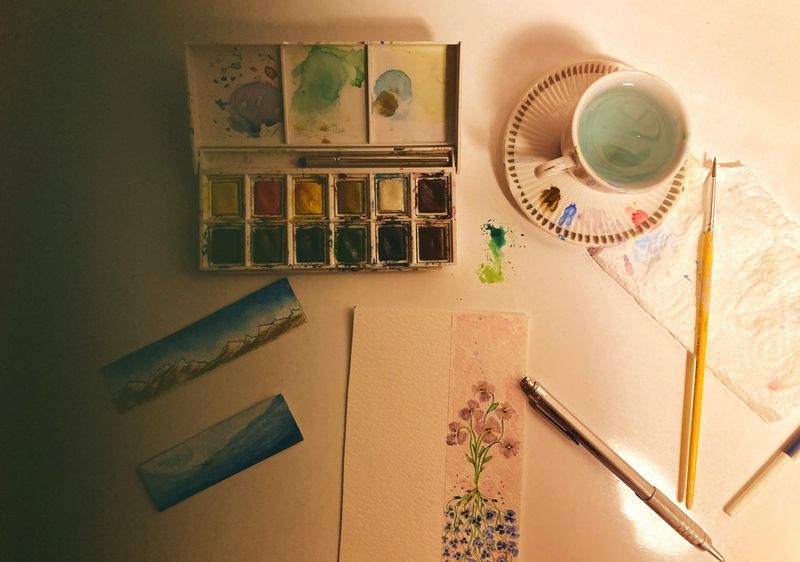
There’s something almost magical about the way watercolor paint bleeds across wet paper, creating soft, dreamy effects you never fully planned.
Unlike oil or acrylic painting, watercolor is lightweight, affordable, and easy to set up anywhere — even on your kitchen table.
You don’t need expensive gear to get started.
Beginners can learn simple techniques like wet-on-wet blending and color washes through free YouTube tutorials.
Practicing watercolor sharpens your eye for color and trains your hand to move with more control.
Over time, you’ll notice improvements in your patience and attention to detail too.
2. Creative Writing

Every story ever told started with someone deciding to write it down.
Creative writing — whether it’s short stories, poetry, or world-building — gives your imagination a place to run wild without any rules.
It’s one of the few hobbies that costs almost nothing to start.
Writing regularly builds vocabulary, sharpens your communication skills, and even helps process emotions in a healthy way.
Many professional writers started by scribbling in notebooks as kids.
You don’t have to share your work with anyone right away — just write for yourself first and see where it takes you.
3. Learning a Musical Instrument
Scientists have found that learning a musical instrument is one of the best workouts you can give your brain.
Playing music activates nearly every area of the brain at once, strengthening memory, coordination, and even math skills.
That’s a pretty impressive return for something that’s also just really fun.
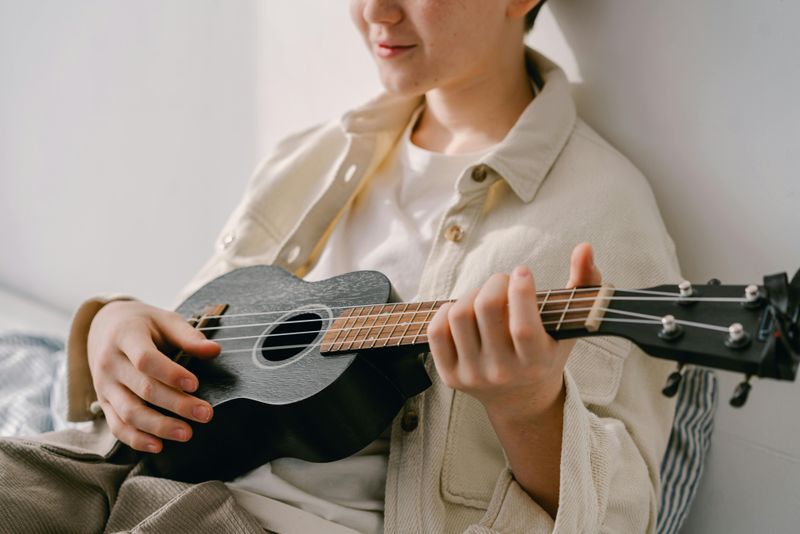
You don’t need to start with piano or violin — a ukulele or keyboard can cost less than $50 and is beginner-friendly.
Free apps like Yousician make lessons accessible anytime.
Even practicing just 15 minutes a day leads to noticeable progress within a few weeks.
4. Photography
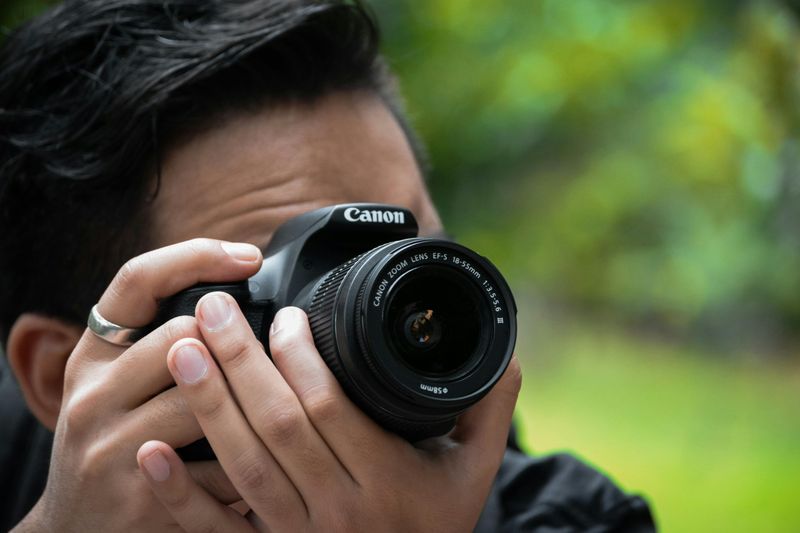
Photography is the art of noticing things other people walk past without a second glance.
A great photo isn’t always about having an expensive camera — it’s about understanding light, framing, and the story you want to tell.
Many stunning images have been taken on smartphones.
Learning the basics of composition, like the rule of thirds or leading lines, can dramatically change how your photos look.
Photography also pushes you to get outside, explore new places, and see the world from fresh angles.
Sharing your work on platforms like Instagram or Flickr can connect you with a whole creative community.
5. Knitting or Crocheting
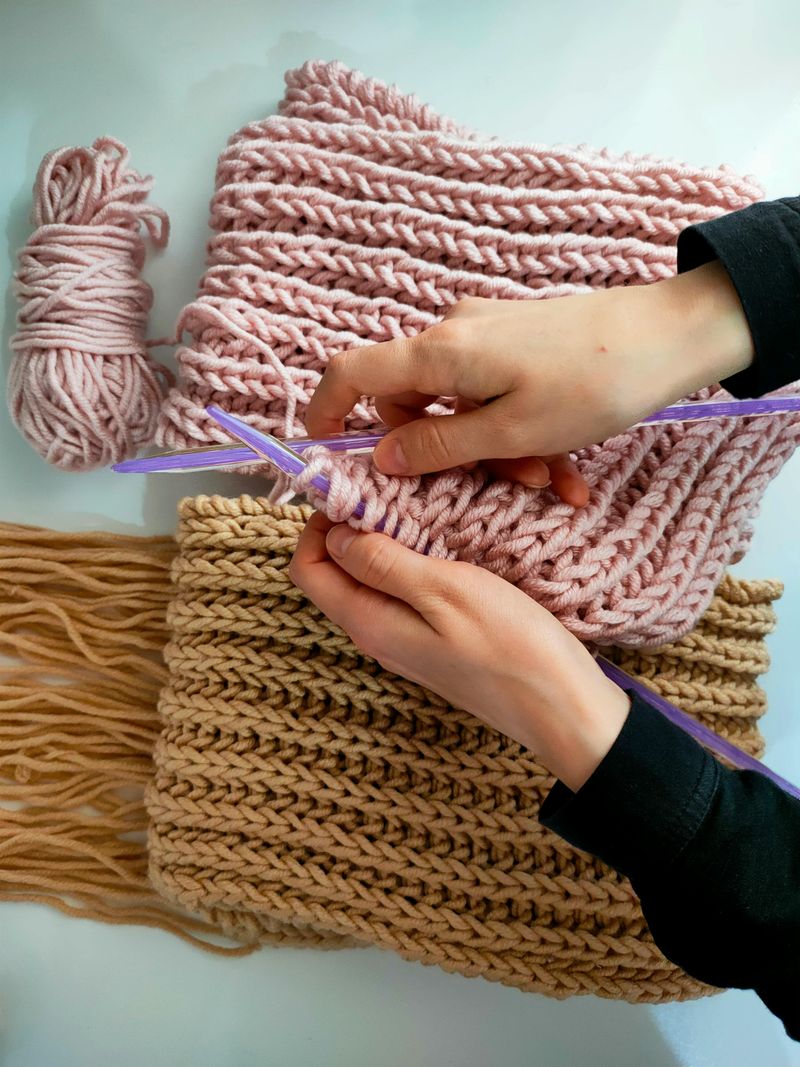
Knitting and crocheting have had a serious comeback, and for good reason — they’re meditative, productive, and surprisingly satisfying once you get the hang of it.
People have been crafting fabric by hand for thousands of years, and modern patterns range from simple scarves to complex sweaters and plush toys.
Starting with basic crochet is often easier than knitting since you only need one hook instead of two needles.
Following a pattern also quietly builds reading comprehension and sequential thinking skills.
Best of all, you end up with something real and wearable at the end — which beats scrolling for hours any day.
6. Cooking and Baking

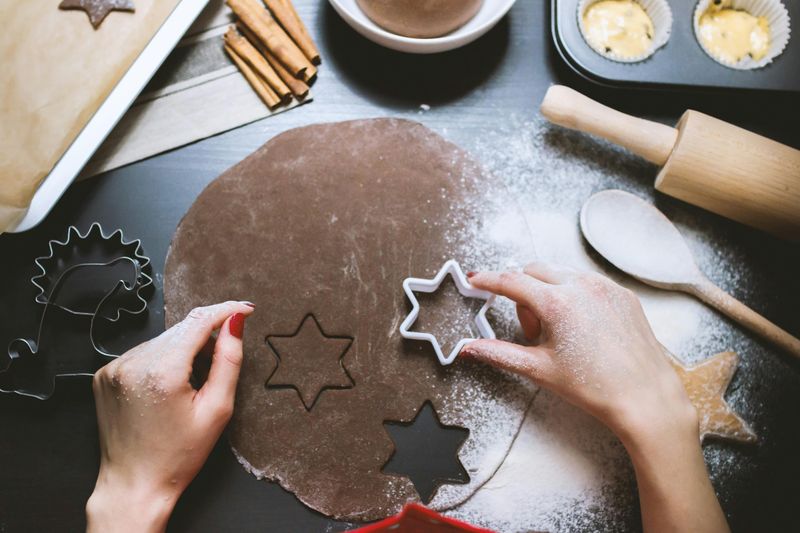
Cooking and baking are two of the most practical creative hobbies you can pick up, because the results are literally delicious.
Baking in particular is often called edible chemistry — measurements, temperatures, and timing all play a role in whether your cake rises perfectly or flops flat.
Starting with simple recipes like pancakes, pasta, or chocolate chip cookies gives you early wins that build confidence fast.
As your skills grow, you can experiment with flavors, techniques, and cuisines from around the world.
Knowing how to cook also sets you up for real-life independence in a way few other hobbies can match.
7. Journaling
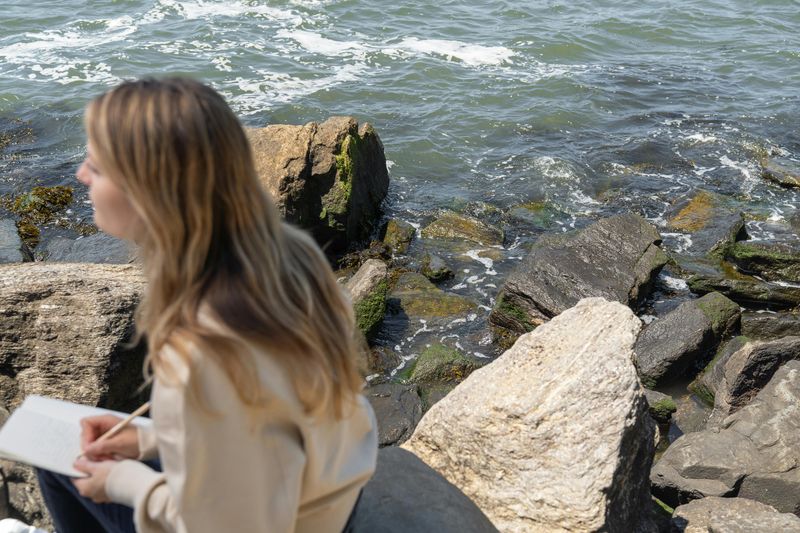
Journaling is one of those habits that sounds simple but has a surprisingly powerful effect on your mental clarity and emotional health.
Studies show that writing about your thoughts and feelings helps reduce stress, improve mood, and even boost your immune system.
It’s basically free therapy.
You don’t need to write in complete sentences or follow any format — bullet points, doodles, and random thoughts all count.
Trying different styles like gratitude journaling, brain dumps, or daily reflection keeps it fresh and interesting.
Over time, flipping back through old entries gives you a fascinating look at how much you’ve grown.
8. Digital Art and Illustration
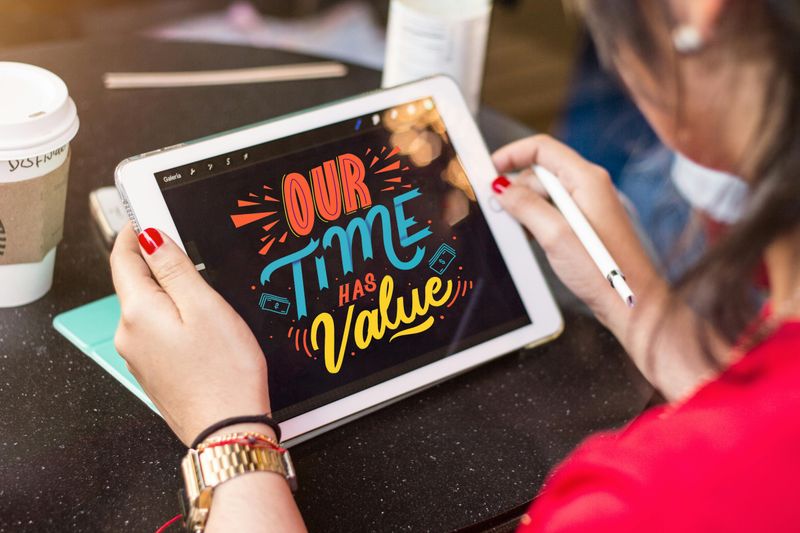
Digital art has completely changed what it means to be an artist.
With tools like Procreate, Adobe Fresco, or even free programs like Krita, anyone with a tablet or computer can create stunning illustrations, character designs, or graphic artwork from scratch.
One huge advantage of digital art is the undo button — mistakes are never permanent, which makes experimenting way less stressful.
Many digital artists share their work on platforms like DeviantArt or ArtStation and build passionate fan followings.
Learning digital illustration also opens doors to careers in game design, animation, and graphic design, making it one of the most future-proof creative hobbies out there.
9. Origami
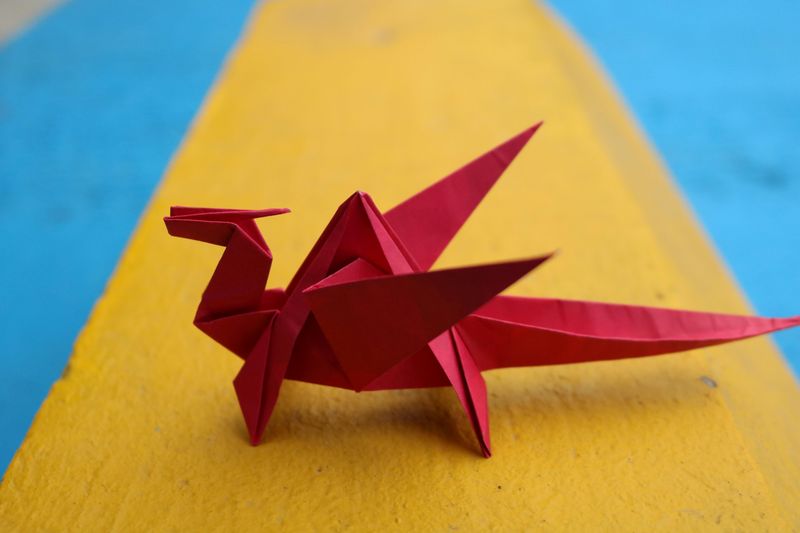
Origami, the ancient Japanese art of paper folding, is proof that you can create something extraordinary from almost nothing.
All you need is a square sheet of paper and the patience to follow a sequence of folds.
The results range from simple frogs and boats to jaw-dropping dragons and geometric sculptures.
Beyond being visually impressive, origami genuinely trains spatial reasoning and fine motor skills.
Engineers and scientists actually study origami principles to design folding solar panels and medical devices.
Starting with beginner models builds confidence quickly, and free tutorials on YouTube make it incredibly easy to learn at your own pace.
10. Calligraphy and Hand Lettering
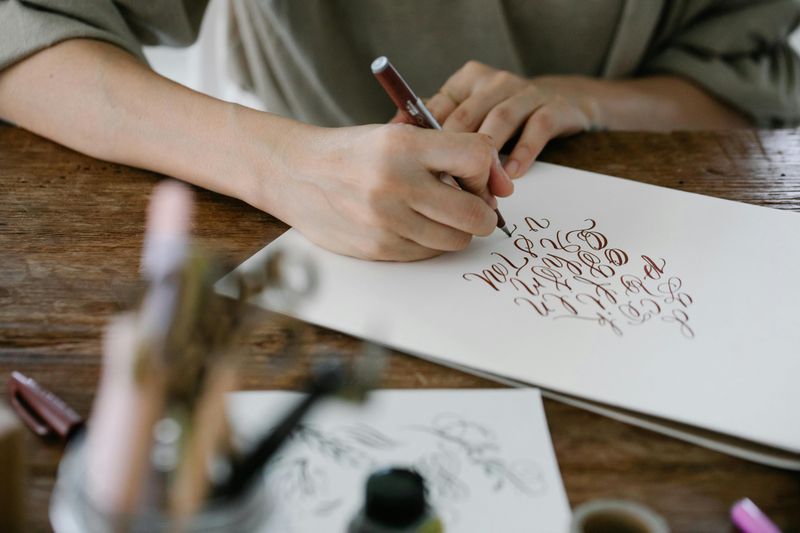
There’s a reason handwritten notes feel more special than typed ones — beautiful lettering carries personality and warmth that fonts simply can’t replicate.
Calligraphy and hand lettering are skills that let you turn ordinary words into works of art, whether you’re addressing envelopes, creating posters, or designing greeting cards.
Modern brush lettering is a great entry point since brush pens are inexpensive and forgiving for beginners.
Consistent daily practice — even just 10 to 15 minutes — leads to dramatic improvement within weeks.
Many calligraphers eventually sell their work at craft fairs or on Etsy, turning a relaxing pastime into a small side income.
11. Gardening
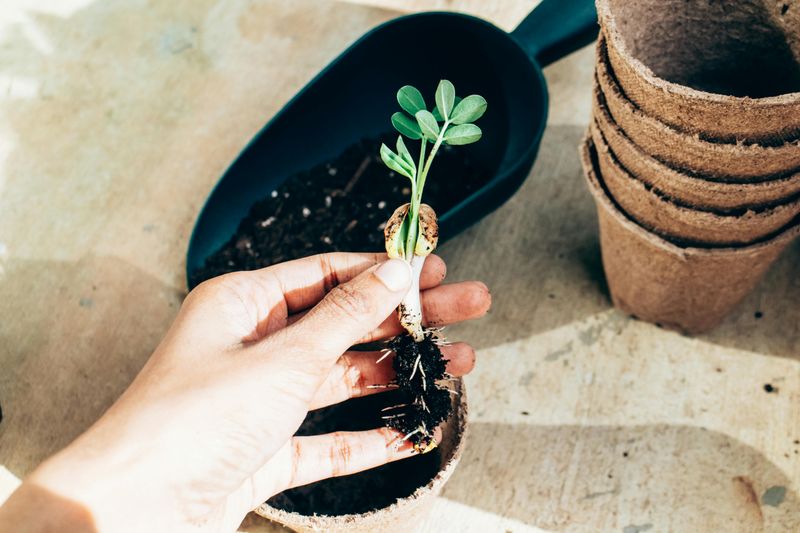
Gardening might seem like something only grandparents enjoy, but it’s actually one of the most rewarding and grounding hobbies you can try.
Growing something from a tiny seed into a full plant teaches patience, responsibility, and a real respect for nature’s pace.
Plus, fresh herbs and vegetables taste incredible when you grew them yourself.
You don’t need a big yard — container gardening works perfectly on balconies or windowsills.
Starting with easy plants like basil, mint, or cherry tomatoes gives quick, satisfying results.
Research consistently shows that spending time with plants lowers stress levels and improves overall mood in measurable ways.
12. Podcasting or Storytelling

Podcasting lets you share your voice, your ideas, and your stories with anyone in the world — and the barrier to entry has never been lower.
A basic USB microphone and free software like Audacity are all you need to record your first episode.
The format is flexible enough to cover any topic you’re passionate about.
Creating a podcast builds confidence in public speaking, sharpens your research skills, and teaches you how to structure ideas clearly.
Many successful podcasters started as teenagers with zero experience.
Whether you want to discuss sports, true crime, pop culture, or your own fiction, podcasting turns your enthusiasm into something others can genuinely enjoy.
Comments
Loading…