
 Hailey Watson
12 Classic Household Items That Only People Over 50 Still Keep in Their Homes
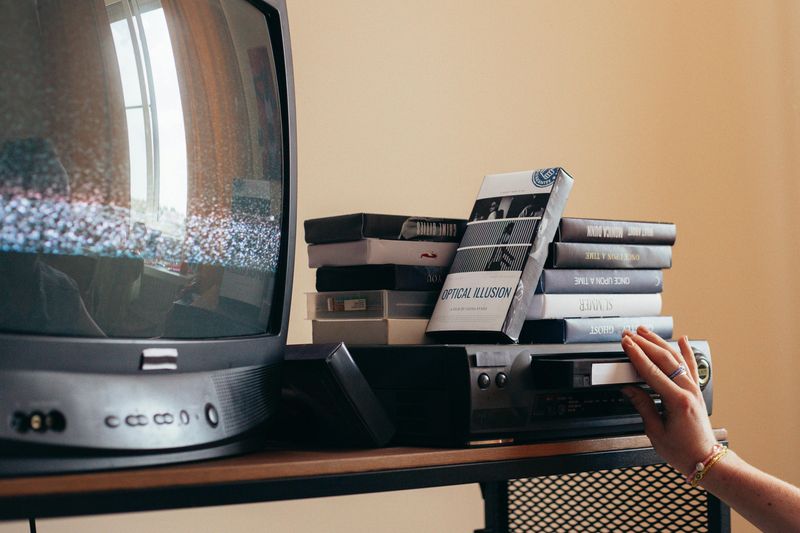
Walk into the home of someone over 50, and you might spot treasures that younger generations have never seen.
These items once filled every household across America, serving important daily purposes.
Today, they sit quietly in closets, basements, and display cabinets, reminders of simpler times when life moved at a different pace.
1. Landline Telephones with Cords
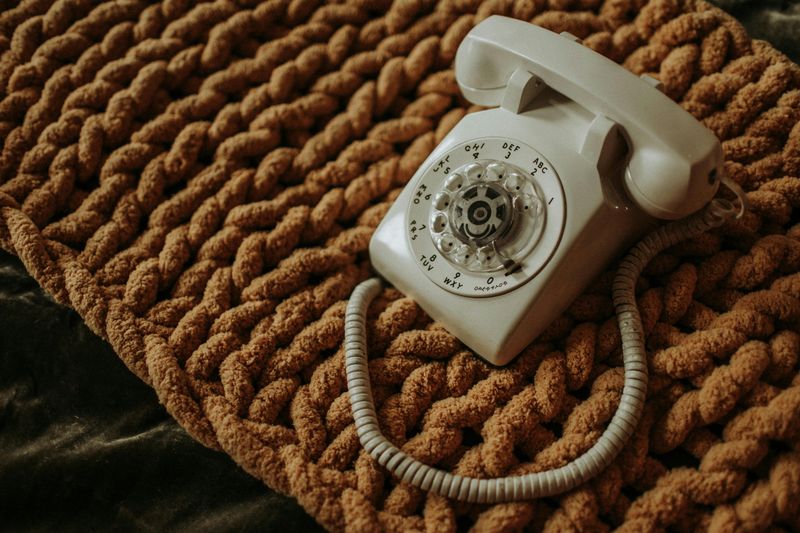
Remember when every home had a phone attached to the wall?
Landline telephones still occupy kitchen counters and bedroom nightstands in many homes today.
Some folks keep them because they work during power outages when cell towers might fail.
Others simply appreciate the reliability and clear connection quality.
The satisfying click of hanging up a receiver beats tapping a screen any day.
Plus, there’s something comforting about knowing your phone number stays the same for decades, anchored to your actual home address.
2. Complete Encyclopedia Sets
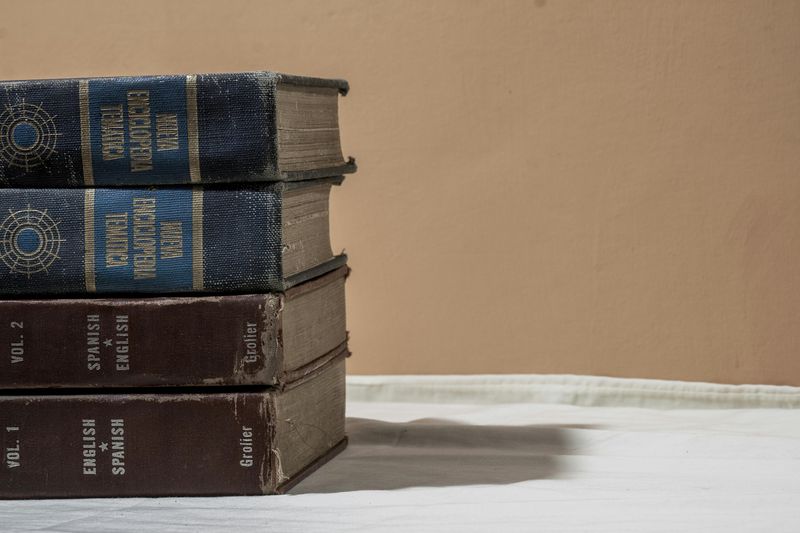
Before Google existed, families invested in massive encyclopedia collections that cost thousands of dollars.
These leather-bound volumes represented knowledge and learning, displayed prominently in living rooms.
Kids would flip through pages for school reports, discovering random facts along the way.
The weight of each book felt substantial and important.
Many people can’t bear to throw them away, even though they haven’t opened one in years.
They represent a time when research meant physical effort and discovery happened page by page.
3. China Cabinets with Fine Dinnerware
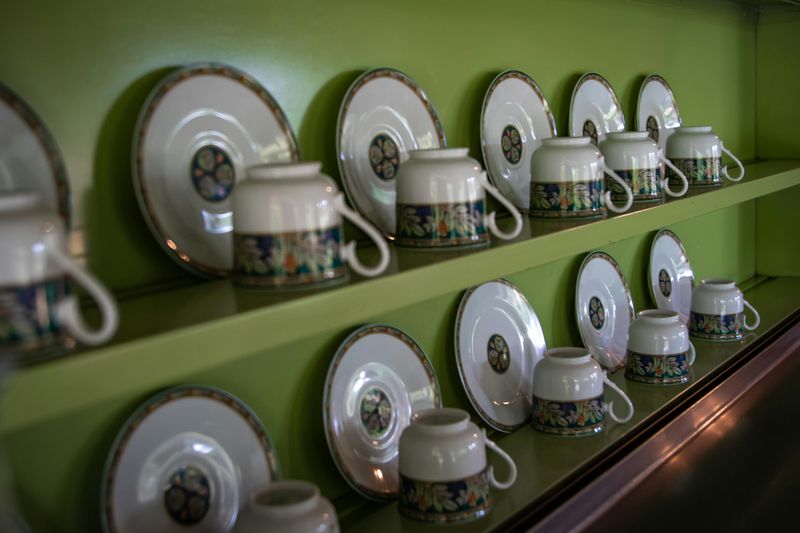
Grandma’s good dishes sit behind glass doors, waiting for special occasions that rarely come.
China cabinets once dominated dining rooms, showcasing wedding gifts and heirloom patterns passed through generations.
Each piece was hand-washed and carefully returned to its designated spot.
Younger folks prefer casual dining and dishwasher-safe plates.
But those over 50 remember formal Sunday dinners when using the fine china meant something.
The cabinet itself becomes a museum of family history, holding memories more valuable than the dishes themselves.
4. VHS Tapes and VCR Players
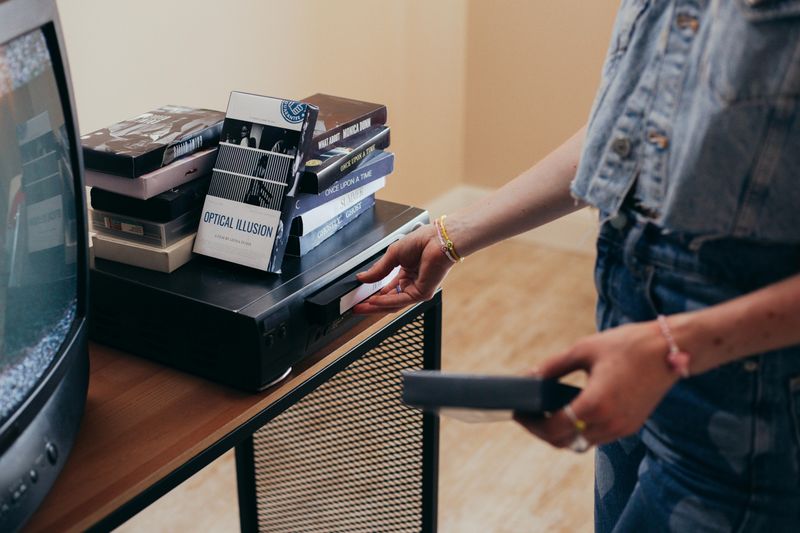
Boxes of VHS tapes fill storage spaces, containing recorded TV shows, family vacations, and rental store favorites.
The clunky VCR might still be hooked up to a TV, just in case someone wants to watch those old recordings.
Rewinding tapes was once a weekly chore everyone understood.
“Be kind, rewind” stickers decorated every rental movie.
Now streaming services offer everything instantly, but those tapes hold irreplaceable memories.
Baby’s first steps and wedding videos exist nowhere else but on magnetic tape that degrades a little more each year.
5. Manual Typewriters
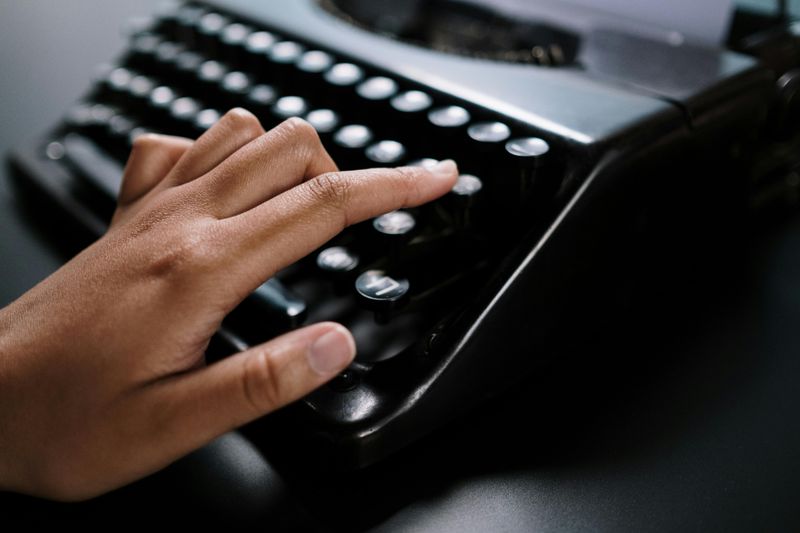
The satisfying clack of metal keys striking paper through an ink ribbon is music to some ears.
Manual typewriters sit on desks or shelves, sometimes still functional, often purely decorative.
Writers once depended entirely on these mechanical marvels before computers existed.
Every mistake required correction fluid or starting over completely.
Some people still type letters on them occasionally, enjoying the deliberate pace and permanent impression.
They’re beautiful machines that represent craftsmanship and a time when writing demanded focus and intention with every keystroke.
6. Rotary Address Books
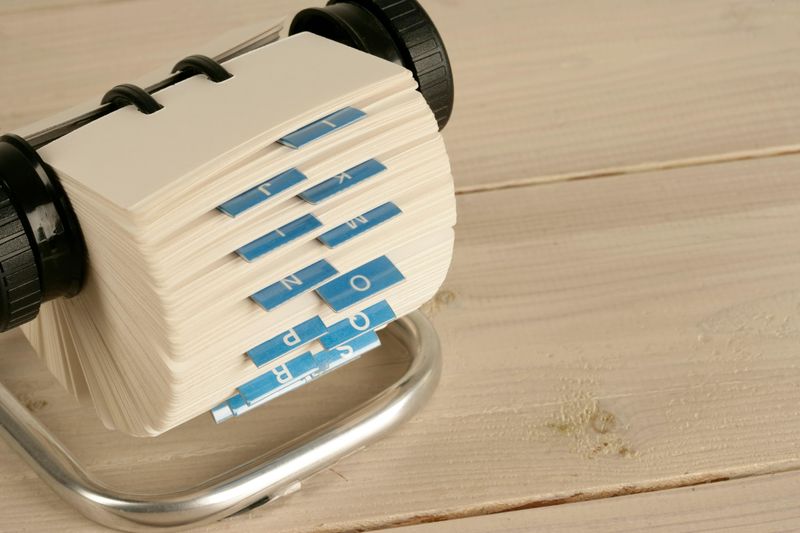
Flipping through alphabetical tabs to find someone’s phone number feels ancient now.
These pocket-sized books contain decades of contacts, with crossed-out addresses and updated numbers squeezed into margins.
Every entry was handwritten, making the book uniquely personal.
People moved, changed numbers, and life events got recorded through layers of pen marks.
Smartphones store thousands of contacts instantly, but they lack the tangible history.
Opening an old address book reveals names of people almost forgotten and phone numbers that once connected you to important moments.
7. Sewing Machines in Cabinets
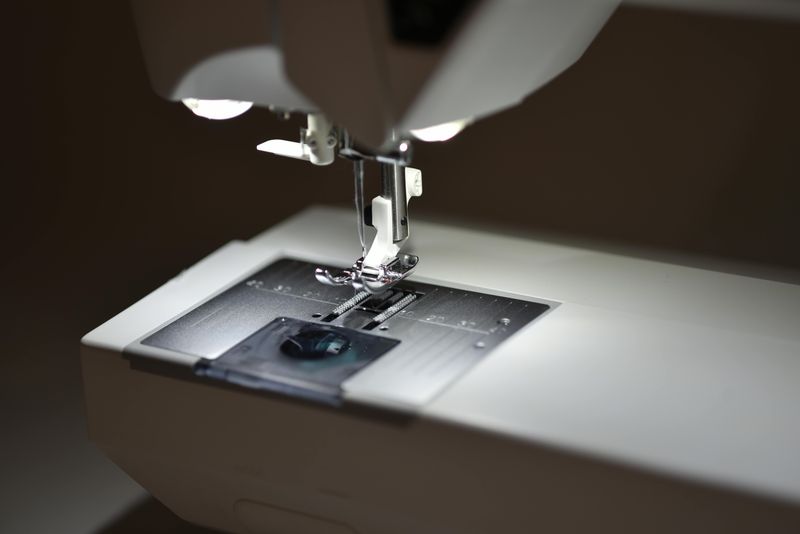
Heavy wooden cabinets house sewing machines that once mended every torn garment and created clothing from scratch.
These machines were wedding gifts and practical necessities, not hobbies.
Mothers sewed school clothes, Halloween costumes, and curtains for every window.
The rhythmic hum of the motor and the foot pedal’s pressure were familiar household sounds.
Fast fashion made sewing less essential, but the machines remain.
They’re too sturdy to break and too meaningful to discard, representing self-sufficiency and the value of making things last.
8. Film Cameras and Photo Albums
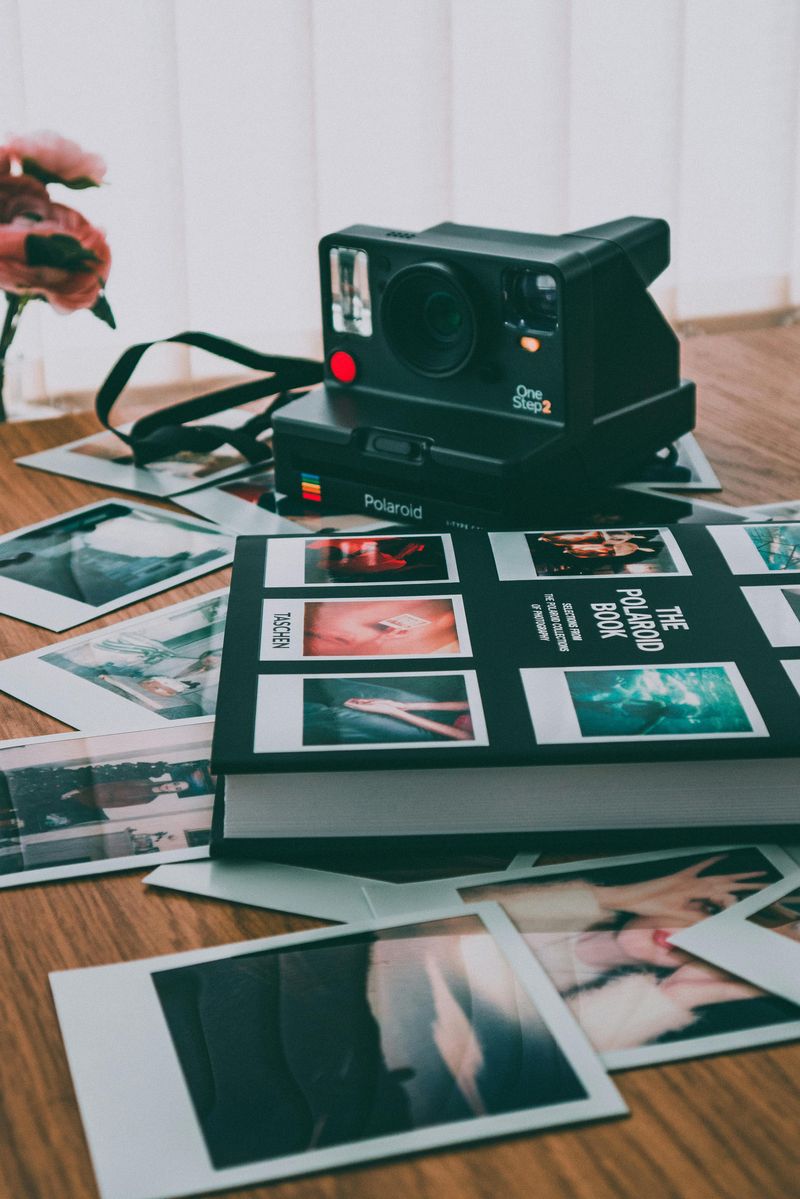
Shelves hold cameras that required actual film rolls and trips to the photo lab.
You had 24 or 36 shots per roll, making each picture deliberate and precious.
Waiting days to see how photos turned out added anticipation that instant digital images can’t match.
Thick photo albums preserve these printed memories, organized chronologically with handwritten captions.
Flipping through physical pages creates a different experience than scrolling through phone galleries.
The cameras themselves are mechanical wonders that many can’t throw away, even without film readily available anymore.
9. Silverware Sets in Wooden Cases
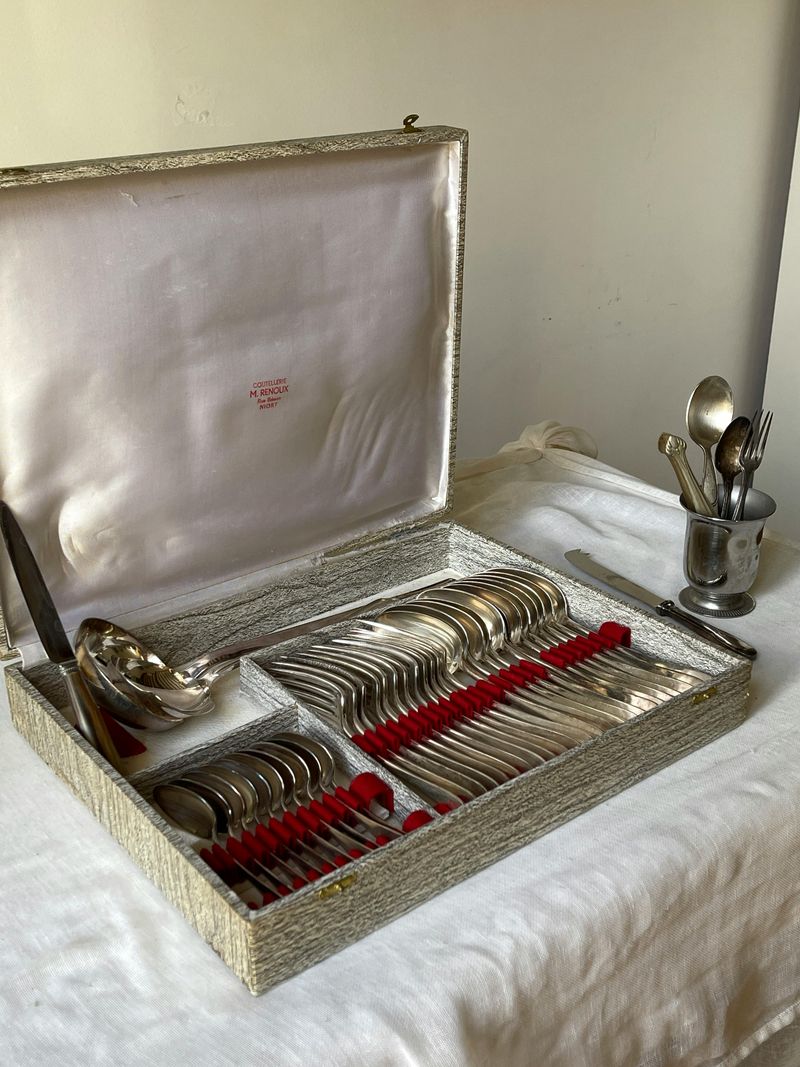
Velvet-lined boxes protect complete silverware services that require regular polishing to prevent tarnish.
These sets were expensive investments, often received as wedding presents meant to last forever.
Using them for holiday meals made occasions feel genuinely special.
Each piece needed hand washing and careful drying to maintain its shine.
Stainless steel proved more practical for everyday use, but silver carries weight and elegance that lighter metals lack.
The ritual of polishing silver before company arrived was labor-intensive, yet somehow satisfying and worth the effort.
10. Analog Radio Alarm Clocks
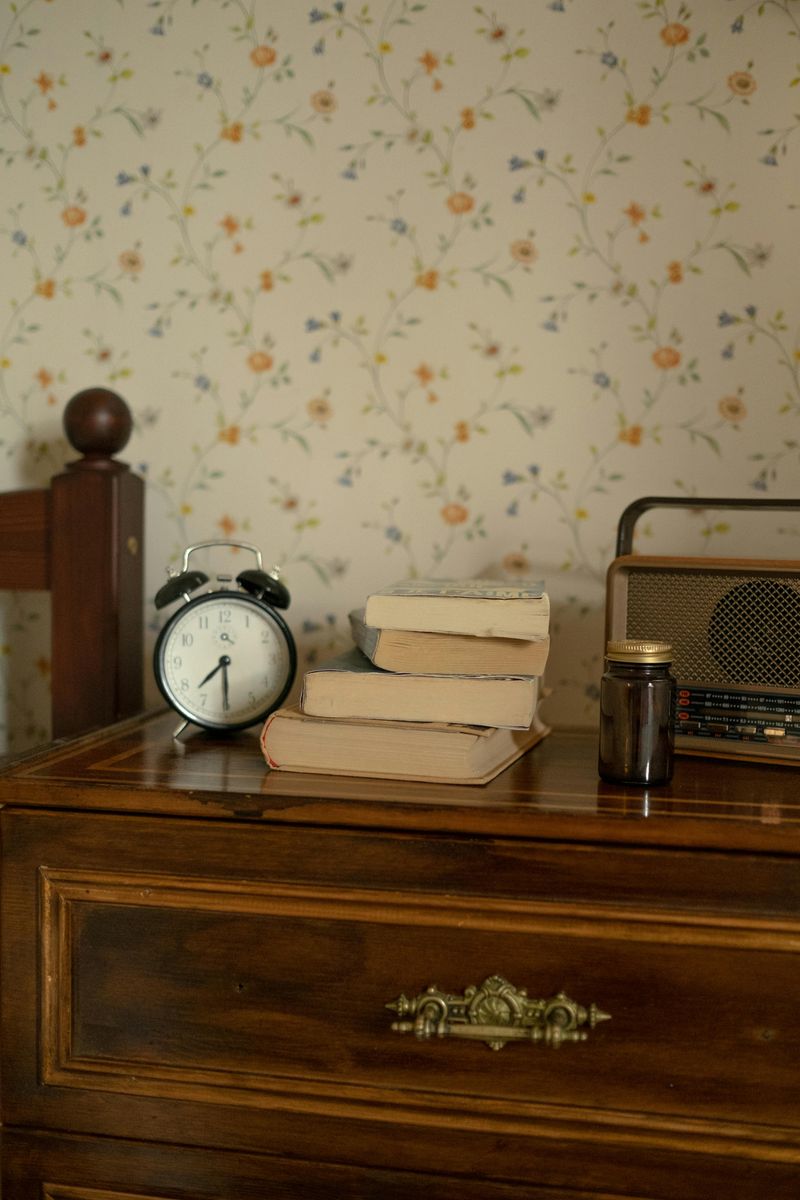
Bedside tables still hold chunky clock radios with red LED numbers or flip displays.
Waking to radio DJs or buzzing alarms was the morning routine for generations.
You’d fall asleep to music, and the radio would shut off automatically after an hour.
Setting the time after power outages was a universal frustration.
These clocks are nearly indestructible, still working decades later while smartphones need charging daily.
There’s comfort in their simplicity—no apps, no updates, just reliable timekeeping and local radio stations keeping you company.
11. Recipe Card Boxes
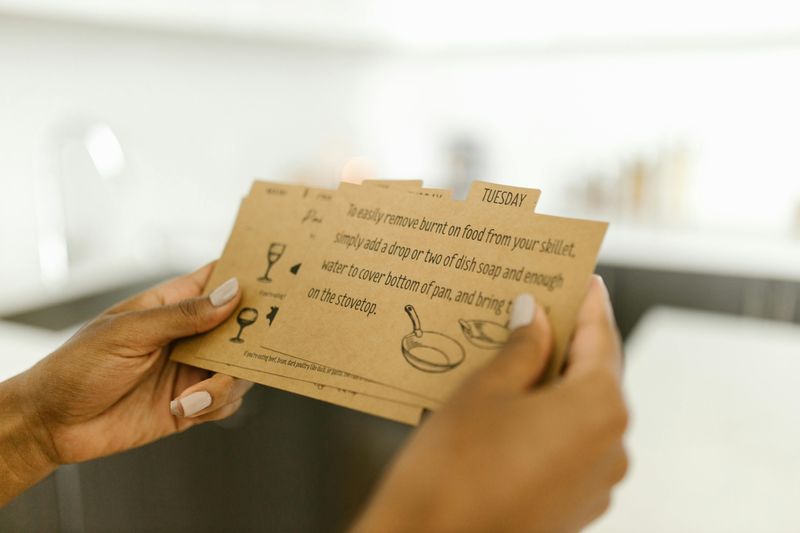
Small boxes stuffed with index cards hold family recipes written in mothers’ and grandmothers’ handwriting.
Ingredient lists and instructions were copied from cookbooks or shared between friends.
Stained cards indicate the most-loved dishes, worn from repeated use.
Each card tells a story beyond the recipe itself.
Online cooking sites offer millions of recipes instantly, but they lack personal connection.
These handwritten cards preserve family traditions and cooking wisdom passed down through generations, irreplaceable even when the same recipe exists online.
12. Ironing Boards with Cover Storage
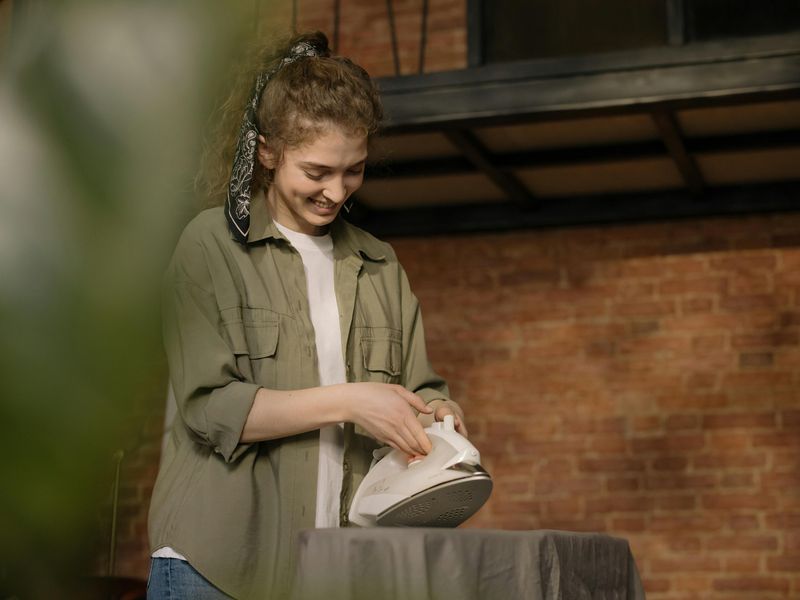
Folding ironing boards lean against laundry room walls or hide in closets, ready for action.
Permanent-press fabrics and casual dress codes reduced ironing from a weekly chore to an occasional task.
But older generations remember ironing everything—sheets, pillowcases, even underwear.
The board’s metal legs would sometimes pinch fingers when folding it up.
Fresh iron scorch marks on the padded cover showed someone got distracted.
Despite wrinkle-free clothing technology, many households keep their boards, using them for special occasions when crisp, pressed clothing still matters.
Comments
Loading…