
 Mila Ross
12 Christmas Traditions That Are Slowly Disappearing in America

Christmas might still be the most magical time of the year, but the way Americans celebrate it has changed a lot over the decades.
What once involved handwritten cards, homemade ornaments, and big family gatherings has slowly transformed into a season shaped by convenience, technology, and new lifestyles.
Most of these old traditions didn’t disappear overnight—they simply faded as our routines shifted and our schedules got busier.
You might even catch yourself feeling nostalgic as you remember the things your family used to do without fail every December.
So, if you’ve ever wondered why certain festive customs rarely show up anymore, here’s a warm and slightly humorous look at the Christmas traditions Americans have quietly let slip away.
1. Sending Handwritten Christmas Cards to Everyone You Know
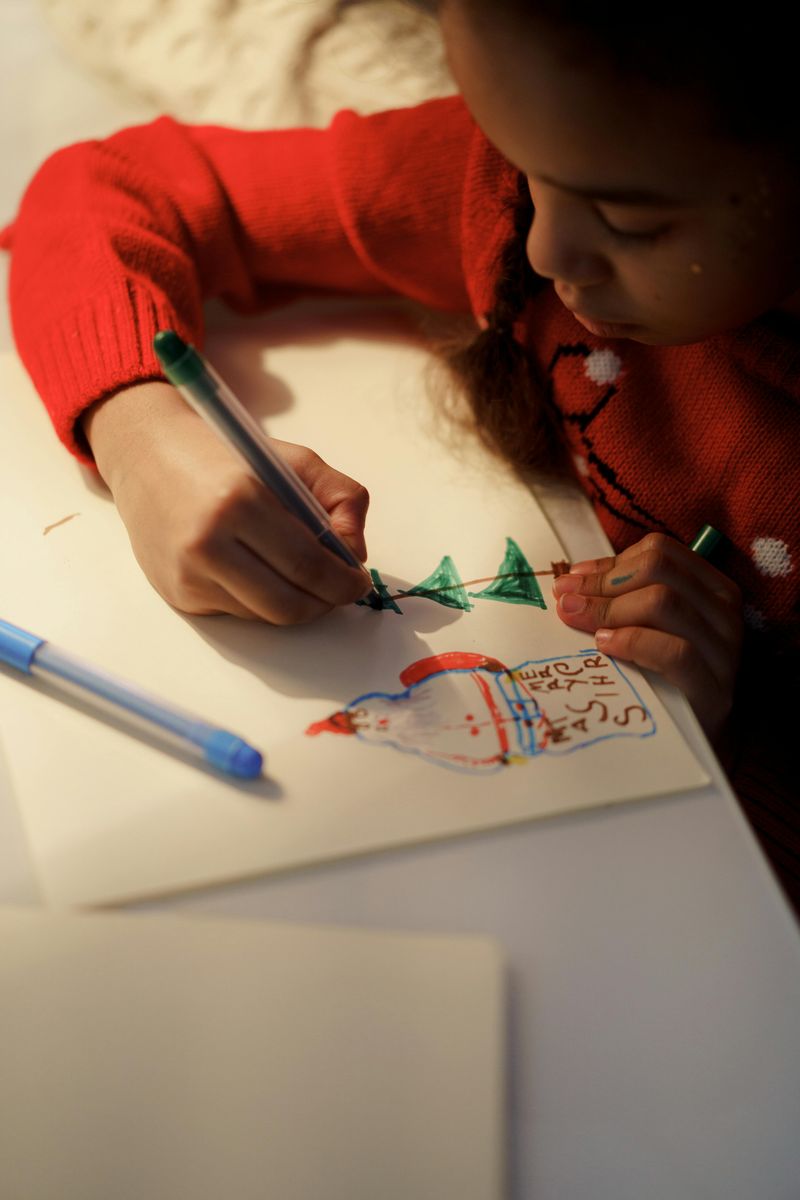
People used to spend entire evenings writing out Christmas cards, adding personal notes, and double-checking addresses in their paper address books.
Handwritten cards were once a December badge of honor, showing just how committed you were to staying connected.
Now, with texting, social media, and the dreaded “mass holiday email,” the charm of handwriting has taken a backseat to convenience.
Many families still send cards, of course, but the big batches—forty, fifty, sometimes a hundred—don’t happen nearly as often.
Cost plays a role, too, with postage and printed cards adding up quickly.
Digital greetings feel faster, easier, and more practical, but they don’t quite carry the same warmth.
There’s something special about opening a real card, yet most Americans have moved on to more modern methods of holiday well-wishing.
2. Caroling Door-to-Door in the Neighborhood

Few traditions brought neighbors together quite like a group of bundled-up singers knocking on doors with holiday cheer.
Caroling once created instant community, even if the singing talent varied wildly from house to house.
Today, the thought of opening the door to strangers—even cheerful ones—feels less common and sometimes even awkward.
Add in busy schedules, colder winters, and a general shift toward staying indoors, and caroling slowly slipped from mainstream holiday culture.
Liability concerns and safety worries haven’t helped either, especially in larger cities.
Organized groups and church choirs still keep the tradition alive, but spontaneous neighborhood caroling is largely a memory.
It’s one of those charming customs people love in theory but rarely participate in anymore.
3. Cutting Down a Real Christmas Tree as a Family Outing
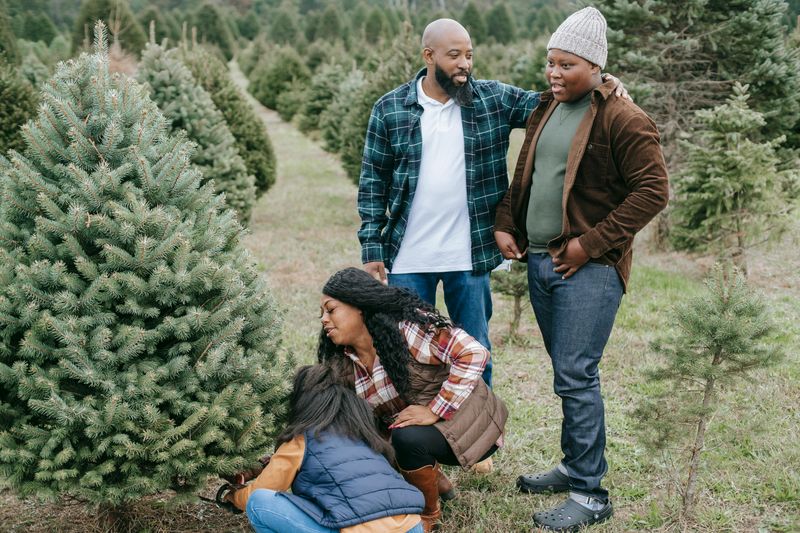
Families once loaded into their cars, drove to local tree farms, and spent hours searching for “the perfect one.”
The smell of pine, the fresh cold air, and the satisfaction of sawing down a tree together made for unforgettable memories.
These days, artificial trees have taken over due to convenience, cost-effectiveness, and fewer needles to vacuum.
Finding time for the adventure is harder, too, as December calendars fill up faster than ever.
Real trees also require watering, disposal, and a bit of maintenance that not everyone wants to deal with.
Even families who love the smell and nostalgia often choose a quick tree-lot visit instead of a full outing.
While tree farms still exist, the classic cut-your-own tradition just isn’t as widespread as it once was.
4. Leaving Out Homemade Treats for Santa (and Carrots for the Reindeer)

Baking cookies specifically for Santa used to be one of the most wholesome childhood rituals of the season.
Kids took pride in their creations, even if half the cookies were oddly shaped or mysteriously burnt.
Nowadays, exhausted parents are more likely to grab store-bought cookies—or skip the ritual entirely.
The tradition fades a bit faster once kids grow up earlier in the digital age and start questioning the Santa storyline.
Busy households simply don’t always have the time for holiday baking marathons anymore.
Some families still enjoy the tradition, but it’s rarely the big, eagerly anticipated event it once was.
Even the carrots for the reindeer have become optional, making Santa’s late-night snack far less elaborate than in decades past.
5. Hanging Christmas Stockings Handmade by Family Members

Crafting stockings by hand used to be a beloved pastime passed down through generations.
Moms, grandmas, and even kids stitched names, sewed patterns, and added little embellishments that made each stocking unique.
Today, mass-produced stockings dominate store aisles, complete with glitter, initials, and trendy designs.
Few people have the time—or sewing skills—to create handmade stockings from scratch anymore.
Crafting traditions in general have taken a hit as families rely more on fast décor and less on DIY projects.
While handmade stockings still exist, they usually come from Etsy shops rather than a family sewing basket.
The sentimental charm is still there, but the tradition of making them at home has nearly faded away.
6. Hosting Large Multi-Generational Christmas Dinners
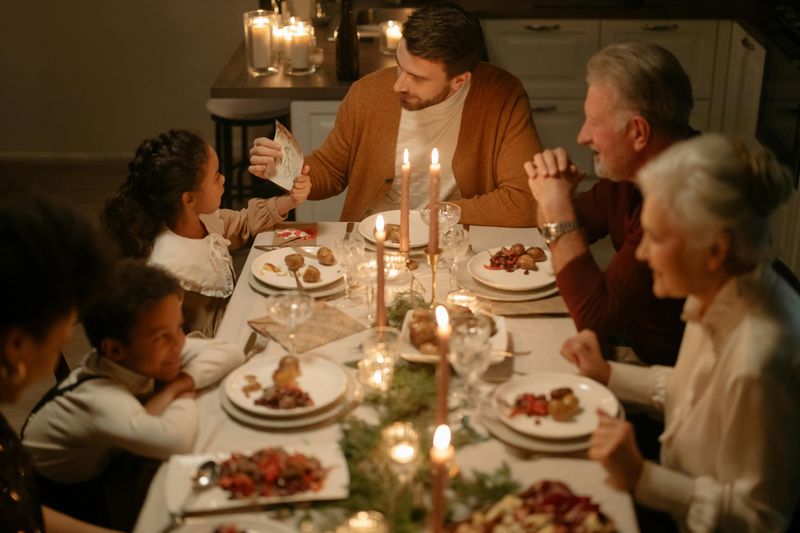
Holiday gatherings once brought grandparents, cousins, aunts, uncles, and even neighbors together under one roof.
Families cooked all day, juggling casseroles, pies, and giant turkeys like seasoned professionals.
Modern life looks very different, with relatives living farther apart and travel becoming more expensive.
Many households now opt for smaller, simpler celebrations or even restaurant dinners.
The rise of blended families and complex schedules has also made big gatherings harder to coordinate.
Some still pull off the giant feast, but it’s no longer the default Christmas experience.
The shift doesn’t mean people love each other less—it just reflects how lifestyles and expectations have changed over time.
7. Attending Midnight Mass or Late-Night Church Services
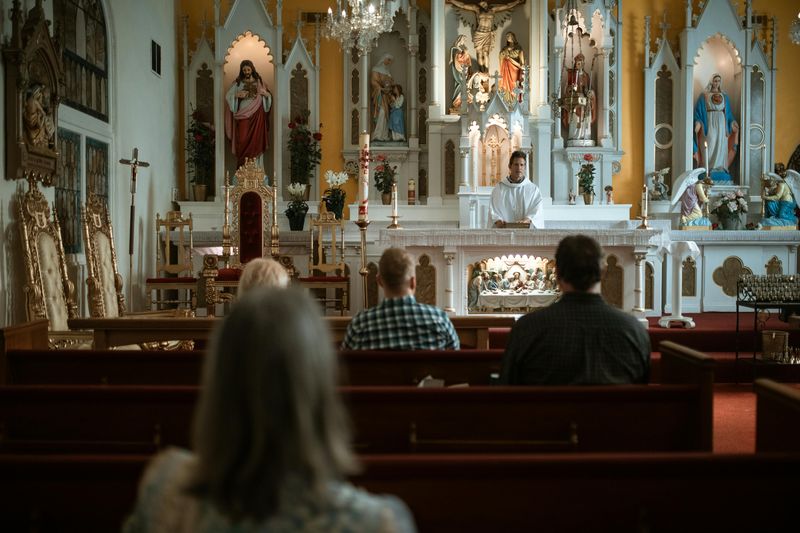
Generations of families once fought off sleep to attend solemn, candlelit services at midnight.
The experience felt magical, quiet, and deeply traditional, often marking the true start of Christmas Day.
Today, churches schedule earlier services to accommodate families with young children and busy routines.
Attendance has dipped overall as society becomes more secular and holiday schedules grow more hectic.
Late-night services simply aren’t practical for most people who need rest before a full Christmas Day.
While some still cherish the tradition, it’s far less common than it was decades ago.
The shift reflects a broader trend toward convenience-focused holiday planning rather than pure tradition.
8. Watching the Local Christmas Parade in Person
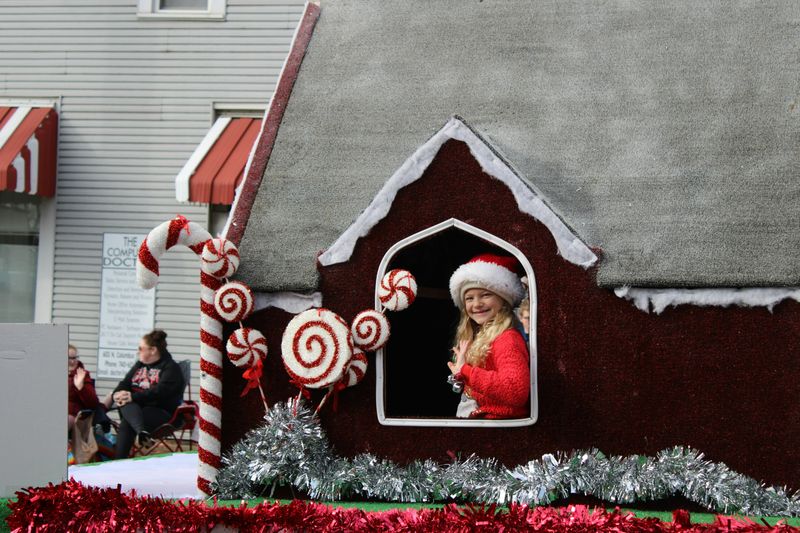
Parades once served as a community’s big holiday highlight, complete with floats, marching bands, and bundled-up spectators.
Families woke up early, packed thermoses of cocoa, and claimed the perfect viewing spot along the street.
In recent years, many towns have scaled back or canceled their parades due to budget cuts or low attendance.
Streaming events from the comfort of the couch has become the easier option for many families.
Cold weather, travel, and timing conflicts also play a role in declining turnout.
The tradition hasn’t vanished entirely, but it no longer commands the same excitement it once did.
Local parades now feel like a sweet remnant of small-town holiday charm rather than a national expectation.
9. Making Homemade Christmas Ornaments Together

Families once gathered around the kitchen table with glue sticks, glitter, pipe cleaners, and endless enthusiasm.
Homemade ornaments carried stories, imperfections, and memories no store-bought decoration could compete with.
Today, ready-made décor is cheaper, trendier, and far less messy than a full crafting session.
Time constraints keep many households from dedicating an afternoon to DIY ornament-making.
The rise of minimalist décor trends has also pushed people toward sleek, coordinated ornaments.
Kids still make ornaments in school, but the at-home tradition has become less common.
While the DIY spirit hasn’t disappeared completely, it’s no longer a staple of the holiday season for most families.
10. Participating in Secret Santa with Neighbors or Community Groups

Organizing a neighborhood gift exchange once helped people bond and feel connected during the holidays.
Communities used to rely on these small traditions to build friendships and a sense of belonging.
Now, people barely know their neighbors, let alone exchange presents with them.
Frequent moves, busy schedules, and changing community dynamics make coordination difficult.
Online Secret Santa exchanges have replaced face-to-face ones, taking away some of the festive charm.
The tradition still pops up at workplaces or among close friends, but neighborhoods rarely participate.
It’s a reminder of how community life has shifted away from local relationships and toward digital interaction.
11. Reading Classic Christmas Stories Aloud by the Fireplace

Families once ended December evenings curled up by the fire, listening to timeless stories like “A Christmas Carol.”
The ritual created a cozy, peaceful moment amid the holiday chaos.
Today, screens often replace storytelling, as families turn to movies, apps, and audiobooks instead.
The slower pace required for reading aloud feels harder to maintain in modern homes.
Kids may still enjoy the stories, but the tradition of reading them together as a family has faded.
Parents are stretched thin, evenings are packed, and fireplaces aren’t as common as they used to be.
The charm remains, but the custom has quietly slipped out of regular holiday rotation.
12. Going All Out with Outdoor Christmas Caroling or Light Displays as a Neighborhood Competition
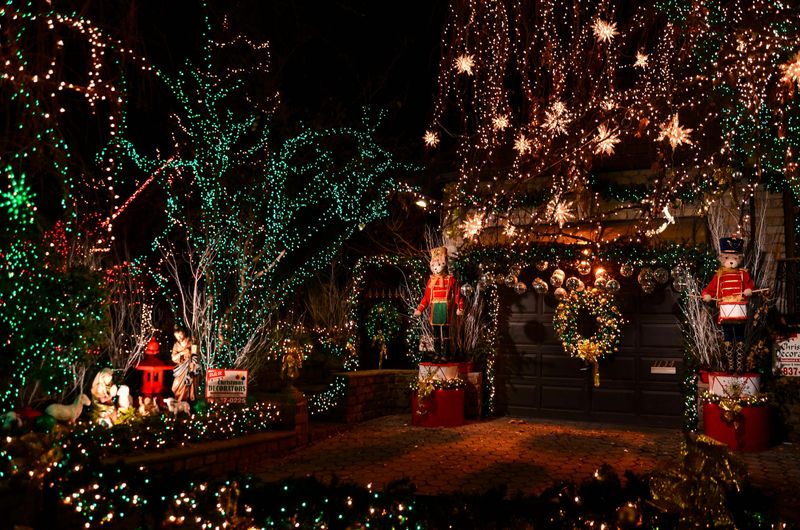
Many neighborhoods once held unofficial competitions to see who could create the most dazzling Christmas display.
Lights wrapped around every tree, rooftop décor sparkled, and entire streets glowed with pride.
Over time, rising electric bills and busier schedules dimmed the enthusiasm.
Homeowners’ associations often impose stricter rules now, limiting elaborate decorations.
The tradition also faded as fewer neighbors know one another well enough to participate collectively.
While some areas still host impressive displays, the large-scale competitions aren’t as widespread.
The era of entire neighborhoods going all-in together has mostly become a nostalgic memory.
Comments
Loading…