
 Hailey Watson
11 Ways Society Normalizes Exhaustion

We live in a world where being tired is almost a badge of honor. Running on empty has become so common that many people brag about how little sleep they get or how packed their schedules are, as if exhaustion were proof of ambition or success.
Somewhere along the way, rest began to look like laziness, and constant busyness became a measure of worth. But when did exhaustion turn into something to celebrate instead of a warning sign that something is wrong?
1. Hustle Culture Glorification
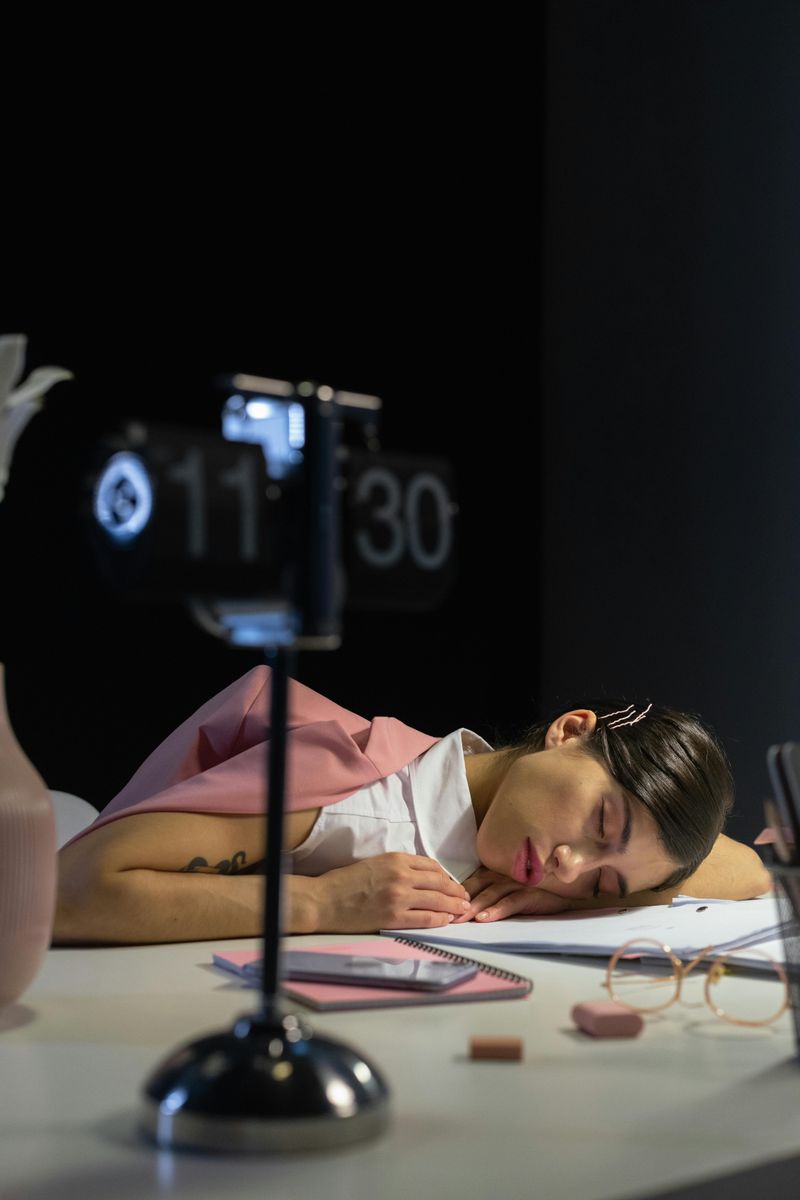
Social media feeds overflow with motivational quotes about grinding 24/7 and sleeping when you’re dead.
Influencers and entrepreneurs constantly post about working late into the night, making rest seem like laziness.
Young people absorb these messages and believe success only comes through constant work.
This mindset creates impossible standards where downtime feels wasteful.
People feel guilty for taking breaks or enjoying hobbies that don’t generate income.
The truth is, rest actually improves productivity and creativity, but hustle culture refuses to acknowledge this basic human need.
Sustainable success requires balance, not burnout.
2. Coffee as Personality Trait

Coffee mugs with slogans like “Don’t talk to me before my third cup” have become fashion statements.
People proudly declare they’re non-functional without caffeine, treating dependency as something cute or relatable.
Workplace culture reinforces this by putting coffee stations everywhere and celebrating those who drink the most.
What started as a morning beverage has become a crutch for chronic sleep deprivation.
Instead of addressing why everyone needs chemical stimulation to function, society packages it as quirky personality traits.
Coffee shops thrive on exhausted customers who need constant energy boosts.
Natural energy from adequate rest gets ignored completely.
3. Bragging About Sleeplessness

“I only got three hours of sleep last night” has become a weird flex in conversations.
Coworkers compete over who stayed up latest or woke up earliest, turning sleep deprivation into a competition.
Students especially fall into this trap during exam seasons, wearing their all-nighters like medals of dedication.
Medical research consistently shows sleep deprivation damages physical health, mental clarity, and emotional stability.
Yet people continue treating it as proof of commitment rather than a serious health risk.
Parents, professionals, and students all participate in this dangerous game.
Quality sleep should be celebrated, not sacrificed for status.
4. Always-On Work Expectations

Smartphones blur the line between work hours and personal time completely.
Bosses send emails at midnight expecting responses, and employees feel pressured to stay connected constantly.
Remote work has made this worse, with some companies treating home as just another office location without boundaries.
The expectation to be available 24/7 prevents genuine rest and recovery.
Vacation days get interrupted by work calls, and weekends become extension of the workweek.
Mental health suffers when brains never get true downtime to recharge properly.
Right to disconnect should be protected and respected everywhere.
5. Busy as Status Symbol

Ask someone how they’re doing, and the most common response is “busy!” spoken with odd pride.
Packed schedules signal importance and value in modern society, while having free time suggests you’re not successful or needed.
Calendar apps overflow with back-to-back commitments leaving zero breathing room.
This constant busyness prevents meaningful connections and self-reflection.
People rush from one activity to another without stopping to consider if these commitments actually bring joy or purpose.
Being overscheduled has replaced being fulfilled as the goal.
Intentional rest creates space for what truly matters most.
6. Productivity Apps Everywhere

Technology promises to make life easier, yet productivity apps multiply our to-do lists instead.
Habit trackers, time management tools, and efficiency software create pressure to optimize every single minute.
Even leisure time gets scheduled and measured for maximum productivity.
The irony is that constant optimization causes more stress than it relieves.
People feel inadequate when they can’t meet arbitrary productivity standards set by apps.
Rest becomes another task to complete efficiently rather than genuine recovery time.
Sometimes the most productive thing is doing absolutely nothing at all.
7. Energy Drinks as Lifestyle

Convenience stores dedicate entire aisles to energy drinks in wild flavors and extreme caffeine doses.
Teenagers and young adults consume these regularly, normalizing chemical stimulation as daily necessity.
Marketing campaigns target exhausted demographics promising instant alertness and enhanced performance.
These beverages mask underlying problems like poor sleep habits, overcommitment, and stress.
Bodies develop tolerance requiring larger doses for the same effect, creating dependency cycles.
Health consequences get ignored in favor of temporary energy boosts that crash hard later.
Addressing root causes beats masking symptoms with stimulants every time.
8. Side Hustle Pressure

Having one job isn’t enough anymore according to social media and financial advice columns.
Everyone supposedly needs a side hustle, passion project, or secondary income stream to be financially secure.
This mentality ensures people never truly clock out or rest.
The gig economy feeds this pressure by making extra work easily accessible through apps and platforms.
People sacrifice sleep, hobbies, and relationships to monetize every skill and spare moment.
Financial anxiety drives this behavior, but constant work creates different problems.
Financial health and mental health both deserve protection and priority.
9. Parenting Martyrdom Culture

Parents compete over who sacrifices the most sleep and personal care for their children.
Social media showcases exhausted parents as the most dedicated ones, while those who prioritize self-care face judgment.
Phrases like “sleep when the baby sleeps” ignore realistic household demands and mental health needs.
This martyrdom approach leads to burnout, resentment, and decreased parenting quality.
Exhausted parents have less patience, creativity, and emotional availability for their kids.
Taking care of yourself isn’t selfish—it’s essential for sustainable, healthy parenting.
Well-rested parents are better parents, period.
10. School Schedule Insanity

Students face early morning start times despite research showing teenagers need more sleep and function better later.
After school, they juggle homework, extracurricular activities, sports, and college preparation with barely any downtime.
School systems pile on commitments while ignoring adolescent sleep requirements and stress levels.
College applications demand impossible resumes forcing students to overcommit from middle school onward.
Mental health crises among youth continue rising, yet schedules keep intensifying.
Academic success built on sleep deprivation isn’t real success at all.
Education should nurture healthy, balanced humans, not exhausted overachievers.
11. Wellness Industry Irony

Even self-care has become another exhausting task to complete perfectly.
Wellness routines require elaborate morning rituals, specific supplements, meditation apps, fitness tracking, and meal prepping.
What should reduce stress instead creates more obligations and feelings of inadequacy.
Instagram influencers showcase unrealistic wellness routines that would require unlimited time and money.
People feel guilty for not doing enough self-care, missing the point entirely.
The commercialization of rest has turned recovery into another competitive performance.
True wellness sometimes means doing less, not adding more tasks.
Comments
Loading…