
 Isabel Parker
11 Ways Single Life Is Harder Than People Admit

Single life gets marketed as carefree: eat what you want, do what you want, answer to no one.
And sometimes, it really is that simple and satisfying.
But there’s another side to it that doesn’t fit in a cute meme or a “just love yourself” caption.
Being single can be empowering while still being inconvenient, expensive, lonely in oddly specific ways, and mentally exhausting when you’re the only person carrying the load.
The hardest part isn’t always the lack of a relationship, either.
It’s the way the world is built around pairs, the assumptions people make about your time and priorities, and the quiet pressure to justify your status like it’s a temporary phase.
If you’ve ever felt both proud of your independence and tired of doing everything alone, you’re not imagining it.
These are 11 real struggles that make single life feel heavier than people admit.
1. Being “the only one” at weddings, plus-ones, and couple-heavy events

Walking into an event solo can feel like stepping into a room where everyone else has been handed a script.
Couples arrive together, sit together, and have a built-in person to talk to during every lull, which can make you feel like you’re drifting on the edges even when you’re genuinely happy for everyone there.
The awkwardness usually isn’t constant, but it spikes at the worst moments—when the seating chart pairs you with strangers, when slow songs start, or when someone insists you “must be next.”
You might spend more energy managing other people’s assumptions than enjoying the celebration itself.
Even if you’re confident, there’s a particular fatigue that comes from repeatedly showing up as a party of one.
2. Shouldering every bill solo (rent, utilities, vacations, emergencies—no built-in split)

Money stress hits differently when there’s no second income to absorb a surprise expense.
A flat tire, a dental bill, or a rent increase doesn’t just throw off your month—it can force you to reshuffle your entire budget.
Splitting costs is one of the most underrated perks of partnership, and when you’re single, you feel the full price of everything from groceries to vacation lodging.
Even “small” savings add up, like sharing streaming services, dividing utility bills, or having someone to alternate picking up dinner.
None of this means single people can’t be financially stable, but it does mean stability often requires more planning, more emergency padding, and more discipline.
And when life gets expensive, you don’t have a built-in teammate to help carry it.
3. Decision fatigue from handling everything yourself (repairs, errands, insurance, appointments)
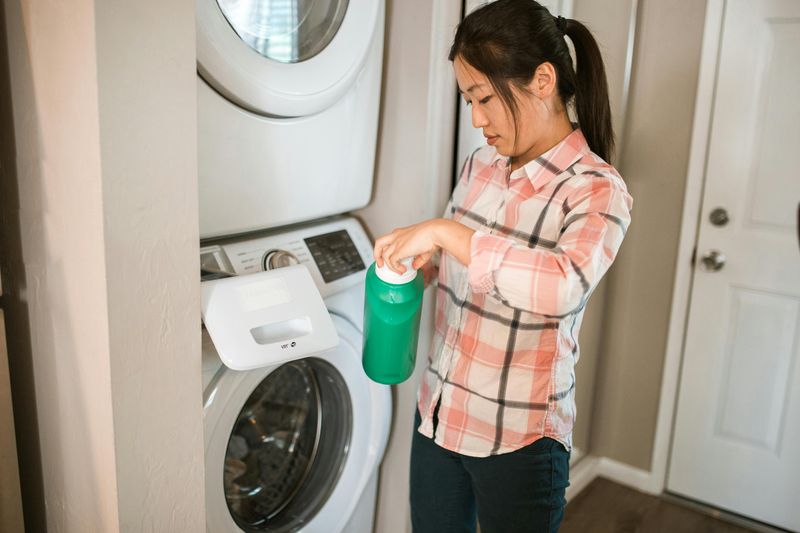
Money stress hits differently when there’s no second income to absorb a surprise expense.
A flat tire, a dental bill, or a rent increase doesn’t just throw off your month—it can force you to reshuffle your entire budget.
Splitting costs is one of the most underrated perks of partnership, and when you’re single, you feel the full price of everything from groceries to vacation lodging.
Even “small” savings add up, like sharing streaming services, dividing utility bills, or having someone to alternate picking up dinner.
None of this means single people can’t be financially stable, but it does mean stability often requires more planning, more emergency padding, and more discipline.
And when life gets expensive, you don’t have a built-in teammate to help carry it.
4. The constant “So… are you dating anyone?” commentary from family, friends, coworkers

Few questions are as casually intrusive as the ones people ask about your relationship status.
Sometimes it’s framed as concern, sometimes as teasing, and sometimes as a “helpful” suggestion that you try harder, download a different app, or lower your standards.
Even when you know people mean well, being repeatedly asked can make you feel like your life is being evaluated.
It’s especially frustrating because the question often implies that singleness is a problem to solve rather than a season, a choice, or simply where you are right now.
Over time, you may start mentally preparing for these conversations before holidays, reunions, or even random coworker chats.
It’s not the question itself that stings; it’s the underlying assumption that you owe someone an update.
5. Cooking for one without wasting food (and still trying to eat like an adult)
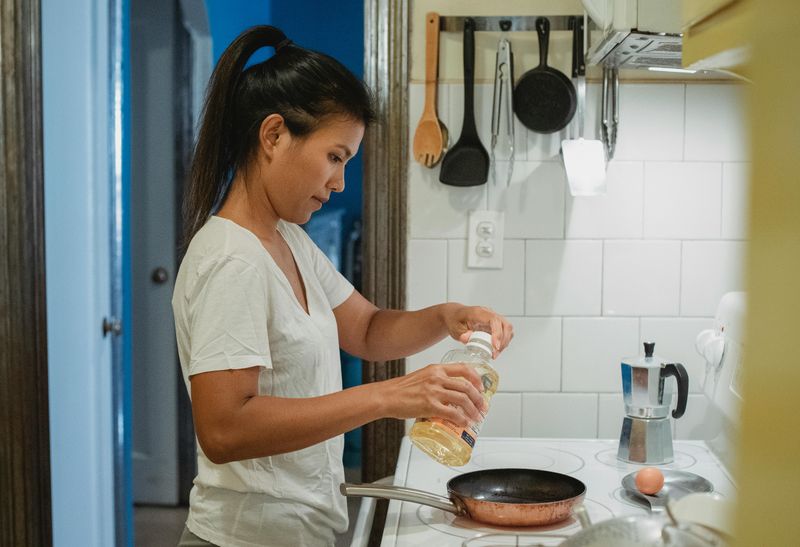
Feeding yourself sounds simple until you realize how much of the grocery store is designed for families.
Produce goes bad faster than you can eat it, recipes make four servings by default, and buying in bulk can feel like a money-saver until you’re throwing half of it away.
Single life often means trying to balance health, convenience, and cost without the motivation that comes from cooking for someone else.
It can also be emotionally draining to put effort into a meal and then eat it alone at the counter because sitting at the table feels too quiet.
Meal planning helps, but it’s still work, and the “just cook more” advice ignores how exhausting it can be to do all the shopping, prepping, and cleanup without anyone sharing the load.
6. Having no default emergency contact (and feeling it most when you’re sick)

The reality of being sick, stressed, or overwhelmed hits harder when there’s no obvious person to call.
You can have supportive friends and family and still feel the gap of not having a default “your person” who automatically knows your routines, your medications, or what you’d need in a pinch.
It becomes more noticeable during small crises, like needing a ride from a medical appointment or dealing with a plumbing emergency, because you have to actively figure out who to ask and whether you’re inconveniencing them.
Sometimes you push through alone simply because coordinating help feels like more effort than coping.
Single people are often incredibly resilient, but resilience shouldn’t be confused with not needing support.
The struggle is real when practical help requires planning and vulnerability.
7. Dating burnout (apps, ghosting, “situationships,” and starting over repeatedly)

Modern dating can feel like a part-time job that never quite pays off.
You put in effort—messages, first dates, emotional openness—and then you get ghosted, breadcrumbed, or stuck in the confusing gray area of a situationship.
The exhausting part isn’t just rejection; it’s the repeated need to introduce yourself, explain your life, and hope the other person is being honest about their intentions.
Apps can make it worse by turning people into endless options, which can encourage shallow conversations and quick dismissals.
Even when you meet someone promising, the early stages can feel like walking on eggshells because you don’t want to invest too quickly and get hurt again.
Eventually, taking breaks starts to feel necessary, but the pressure to “keep trying” never fully disappears.
8. Loneliness that hits at oddly specific times (Sunday nights, holidays, after social plans end)

Loneliness isn’t always a constant ache; sometimes it’s a sudden wave that shows up at the most random moments.
It can hit after a great night out when everyone goes home to someone, or when you’re proud of yourself for accomplishing something and realize you don’t have a built-in person to celebrate with.
Holidays are the obvious trigger, but so are quiet Sunday evenings, rainy days, and those in-between moments when you’re not busy enough to distract yourself.
The frustrating part is that you can have a full social life and still feel lonely, because companionship isn’t the same as having someone consistently close.
Single life can be peaceful, but it can also be quiet in a way that feels heavy.
Learning to sit with that feeling takes strength most people never acknowledge.
9. Being expected to be endlessly available because people assume you have “no obligations”

When you’re single, people often assume your time is more flexible, as if you’re just waiting around for plans.
Friends might expect you to babysit, work late, travel on short notice, or attend every event because you “don’t have anyone.”
Coworkers may volunteer you for extra tasks without asking, and family members can treat your schedule like it’s automatically open.
The pressure is subtle, but it adds up, especially if you’re someone who struggles to say no. The truth is that your time is not less valuable because you’re single, and your rest is not optional.
You still have responsibilities, goals, and boundaries that deserve respect.
Single life can teach you independence, but it also forces you to advocate for yourself when others treat your availability like a given.
10. Navigating big life milestones without a built-in teammate (moving, job stress, grief, wins)

Big moments feel different when you’re the only one steering the ship.
Moving apartments, switching jobs, grieving a loss, dealing with burnout, or celebrating a win can all feel heavier when you don’t have a live-in partner to share the stress and excitement with.
Friends can be supportive, but they usually have their own lives, and they can’t always show up in the same consistent way a partner might.
That means you often have to be your own coach, your own comfort, and your own logistics manager at the same time.
Even practical tasks—packing, assembling furniture, attending events—can feel harder without someone in the trenches with you.
Single people become incredibly capable, but capability doesn’t erase the longing for shared effort and shared joy.
11. The mental load of planning your future alone (retirement, housing, caregiving, long-term support)

Thinking about the future can feel empowering until you realize how many plans assume a couple.
Housing decisions, retirement contributions, caregiving responsibilities, and even small things like travel safety can weigh differently when you’re planning as a one-person unit.
You have to consider what happens if you lose your job, get sick, or need help later in life, and you can’t automatically assume someone will be there to share the burden.
That doesn’t mean your future is bleak; it just means you may need stronger systems, like a bigger emergency fund, clearer insurance coverage, and a tighter support network.
The emotional side matters too, because it can be scary to picture major life chapters without a guaranteed partner beside you.
Planning alone takes courage, even when you’re optimistic.
Comments
Loading…