
 Hailey Watson
11 Reasons Many Men Still Struggle to Express Their Emotions

Talking about feelings can be tough for anyone, but for many men, it feels especially hard.
Society has long sent the message that men should be tough, quiet, and in control, making emotional openness seem off-limits.
Understanding why so many men hold back emotionally is the first step toward breaking down those walls.
These 11 reasons shed light on what’s really going on beneath the surface.
1. Societal Expectations
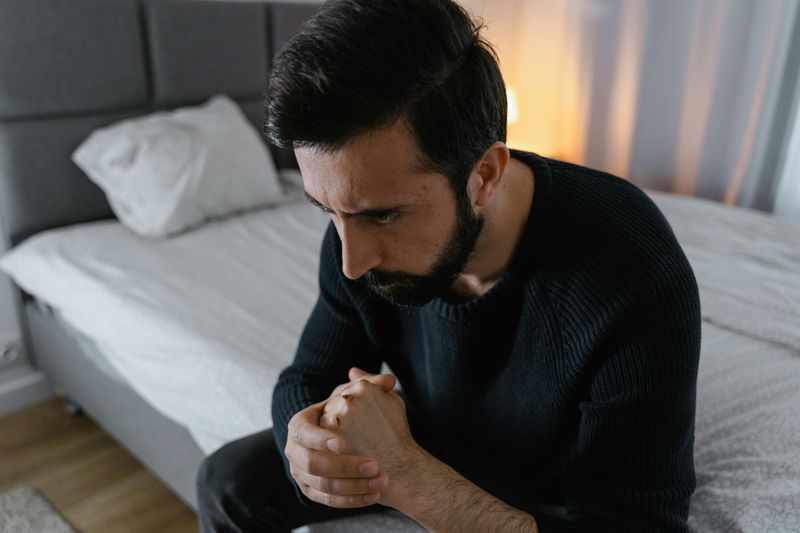
From the time many boys are in kindergarten, they hear messages like “boys don’t cry” or “toughen up,” which quietly teach them that emotions are a sign of weakness.
“Man up.”
Two words that carry a heavy load.
Over time, these messages become deeply rooted beliefs.
A boy who gets teased for crying learns fast that showing feelings comes with a cost.
That lesson sticks well into adulthood.
Changing this starts with changing what we say to young boys.
Telling them it’s okay to feel something is one of the most powerful things an adult can do.
2. Cultural Stereotypes

Flip through old movies or TV shows and you’ll notice a pattern: the “strong” male hero rarely cries, rarely admits fear, and almost never asks for help.
These images have shaped what many people believe a man is supposed to look like emotionally.
Cultural stereotypes paint masculinity as stoic, controlled, and unshakeable.
Men who don’t fit that mold often feel out of place or judged.
The pressure to perform toughness is real and exhausting.
Recognizing these stereotypes for what they are — outdated ideas — is a solid first step toward building a healthier emotional culture for men everywhere.
3. Fear of Being Seen as Weak
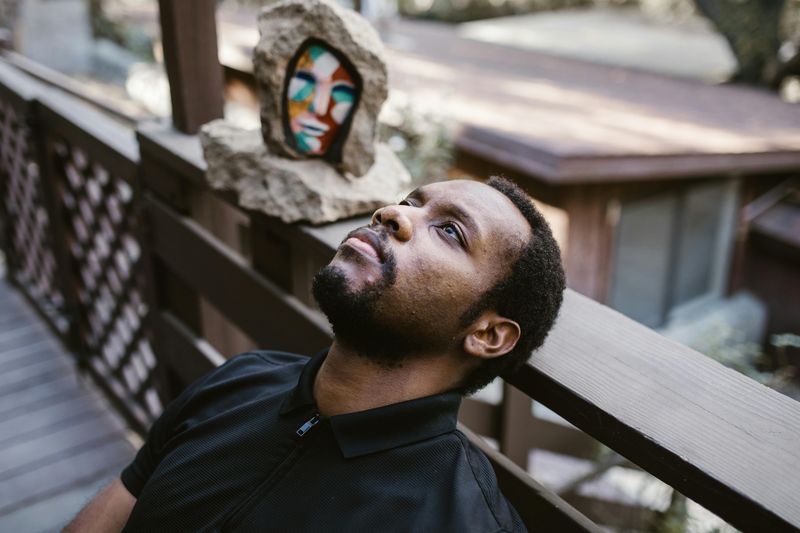
Nobody wants to be seen as the weak link.
For many men, showing sadness, fear, or insecurity feels like handing someone a reason to think less of them.
That fear is surprisingly common and very real.
The tricky part is that vulnerability actually takes courage.
Admitting you’re struggling or scared is harder than pretending everything’s fine.
Yet many men choose silence because the alternative feels too risky.
Research consistently shows that expressing emotions improves mental health and strengthens relationships.
Reframing vulnerability as a form of strength, rather than a flaw, can slowly change how men relate to their own feelings.
4. Limited Emotional Education

Most schools teach math, science, and history — but very few teach kids how to understand their own feelings.
For many men, emotional education simply never happened, leaving a major gap in their personal development toolkit.
Without learning how to name emotions or talk about them, feelings can become confusing and overwhelming.
It’s hard to express something you don’t have the words for.
That confusion often turns into silence.
The good news?
Emotional skills can be learned at any age.
Therapy, journaling, and honest conversations with trusted people are all practical ways to start building that emotional vocabulary later in life.
5. Pressure to Be the Provider
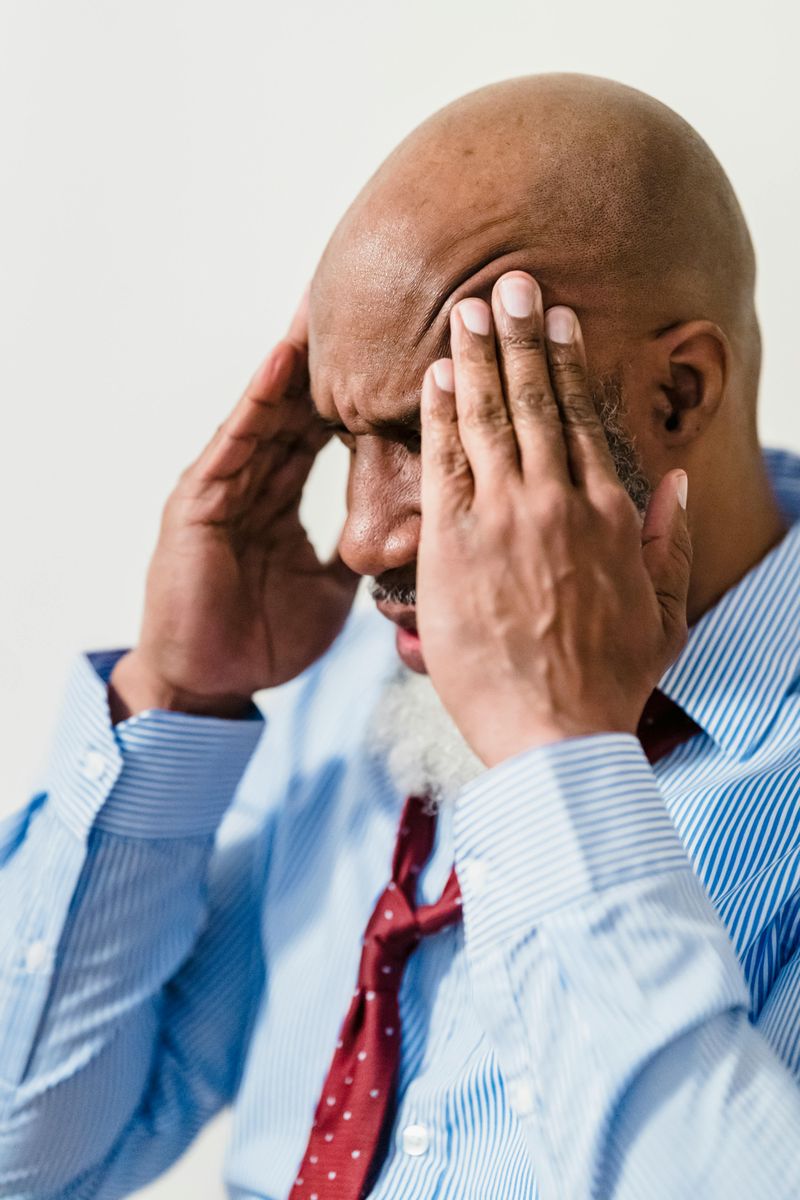
There’s an old, unspoken rule that men should be the fixers, the providers, the ones who hold everything together.
Feeling scared or overwhelmed doesn’t fit neatly into that role, so many men quietly push those feelings aside.
When your identity is wrapped up in being strong for everyone else, admitting your own struggles can feel like letting the team down.
That pressure creates a kind of emotional armor that gets harder to take off over time.
Sharing the load — emotionally and practically — actually makes relationships stronger.
Men who let others support them tend to feel more connected and less isolated in the long run.
6. Fear of Judgment or Rejection

Opening up is a gamble.
What if the other person laughs?
What if they think you’re being dramatic?
For many men, the risk of being dismissed or criticized feels too high, so they keep quiet instead.
That fear isn’t irrational.
Some men have shared their feelings before and been met with eye rolls or cold silence.
Those experiences leave a mark.
Over time, the lesson becomes: keep it inside, stay safe.
Building trust is key.
When men find people — friends, partners, or therapists — who respond with empathy rather than judgment, emotional openness becomes a lot less terrifying and a lot more possible.
7. Habit of Emotional Suppression

Push something down long enough and it starts to feel normal.
Many men have spent so many years suppressing their emotions that doing anything else feels genuinely strange — almost uncomfortable, like wearing a shirt inside out.
Suppression often starts as a survival strategy.
In environments where showing feelings wasn’t safe, shutting them down made sense.
The problem is that the habit follows men into situations where it’s no longer necessary.
Breaking a deeply ingrained habit takes patience and practice.
Small steps, like pausing to notice how you feel before reacting, can slowly rewire the brain’s default setting from “shut it down” to “let it out.”
8. Lack of Safe Spaces
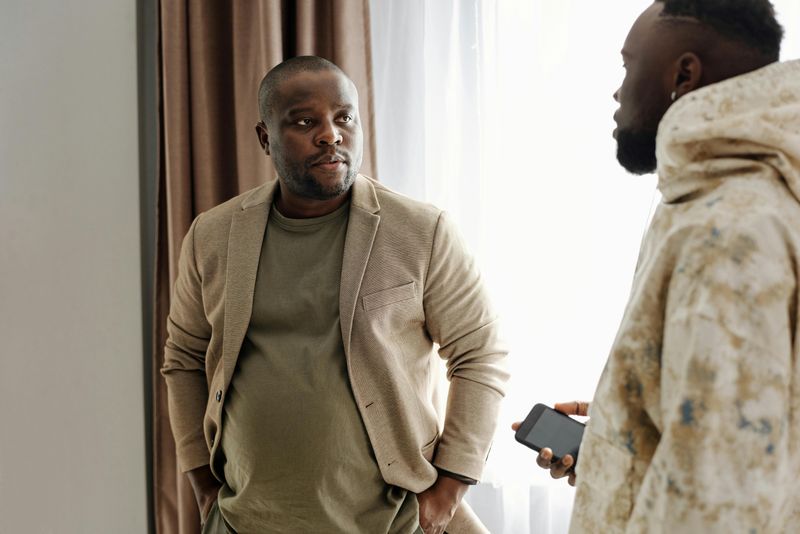
Imagine wanting to talk but having no one to talk to — not because people aren’t around, but because none of them feel safe.
That’s a reality for a lot of men who lack supportive, judgment-free spaces to process their feelings.
Male friendships often center around shared activities rather than deep conversations.
While that bond is valuable, it doesn’t always create room for emotional honesty.
Many men simply don’t have a go-to person they can be fully open with.
Creating safe spaces matters — whether that’s a close friendship, a men’s group, or professional therapy.
Knowing someone is truly there to listen changes everything about the willingness to speak up.
9. Past Negative Experiences

Once burned, twice shy.
If a man once opened up about something painful and was met with laughter, dismissal, or complete indifference, his brain files that away as a warning: don’t do that again.
Past experiences shape present behavior in powerful ways.
A single moment of being made fun of for crying, or being told to “get over it,” can close emotional doors for years.
The wound isn’t always visible, but it’s there.
Healing from those experiences is possible, but it usually requires intentional work.
Therapy, self-reflection, and finding people who respond with genuine care can slowly rebuild the trust needed to open up again.
10. Communication Differences

Actions speak louder than words — and for many men, that’s not just a saying, it’s how they actually operate.
Fixing the car, showing up when someone needs help, or giving a firm hug can all be ways men communicate care without using a single word.
That action-based style isn’t wrong, but it can create gaps when direct emotional conversation is needed.
Partners, friends, or family members may feel unheard even when a man feels like he’s been showing up all along.
Learning to bridge the gap between doing and saying takes practice.
Small steps, like naming a feeling out loud once a day, can gradually make verbal emotional expression feel more natural and less foreign.
11. Internalized Masculinity Norms

Some beliefs go so deep they feel like facts.
For many men, the idea that “real men don’t show weakness” isn’t just something they heard — it’s something they genuinely believe about themselves, even if they’ve never examined where that belief came from.
Internalized norms are tricky because they operate quietly in the background, shaping decisions without announcing themselves.
A man might not even realize he’s suppressing emotions; it just feels like what he’s supposed to do.
Questioning those beliefs — asking “who told me this?” and “is it actually true?” — can be surprisingly powerful.
Unpacking internalized norms is slow work, but it opens the door to a more authentic and emotionally free way of living.
Comments
Loading…