
 Isabel Parker
11 Powerful Ways Women Are Breaking Generational Patterns
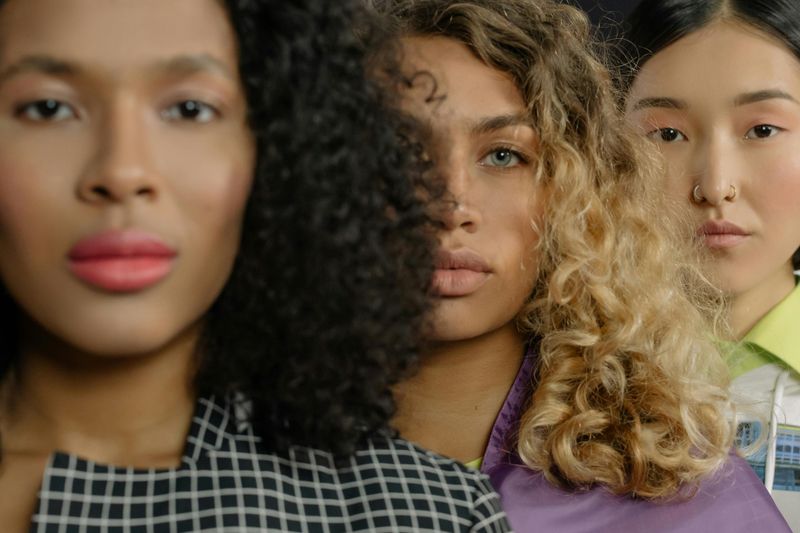
Across the world, something remarkable is unfolding — women are rewriting the rules that once defined their lives.
In classrooms, boardrooms, courtrooms, and homes, they’re challenging traditions that limited opportunity for generations.
These shifts go far beyond personal success stories; they’re reshaping families, strengthening communities, and influencing entire societies.
Understanding how and why this transformation is happening reveals just how powerful generational change can be.
1. They Are Earning More Degrees Than Previous Generations

A generation ago, college campuses looked very different.
Women were often the exception, not the rule, in lecture halls and labs.
Today, UNESCO and OECD data confirm that women now complete higher education at greater rates than men in many countries — a remarkable turnaround in just a few decades.
More degrees mean higher lifetime earnings, healthier families, and stronger communities.
Education hands women a key that unlocks doors that were once firmly shut.
Each diploma earned is a direct challenge to the cycles of limited opportunity that shaped previous generations.
2. They Are Delaying Marriage and Motherhood to Expand Opportunity
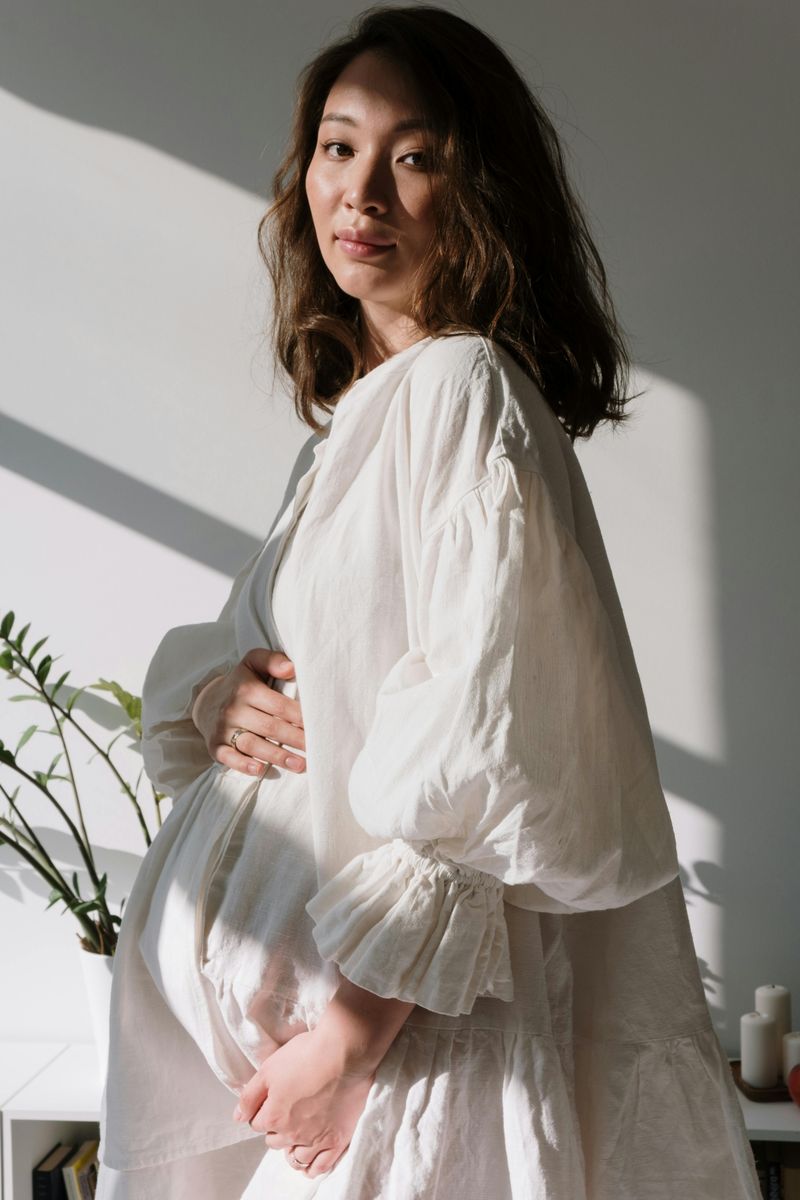
Choosing when to start a family is one of the most powerful decisions a woman can make.
World Bank and UN Population Division data show that women today are marrying and having children significantly later than their mothers and grandmothers did.
That shift is not accidental — it is intentional and deeply connected to education and financial independence.
When women have more time to build careers and savings, they enter partnerships and parenthood from a position of strength.
Reshaping the traditional life timeline on their own terms is itself a form of generational change worth celebrating.
3. They Are Strengthening Their Presence in the Workforce
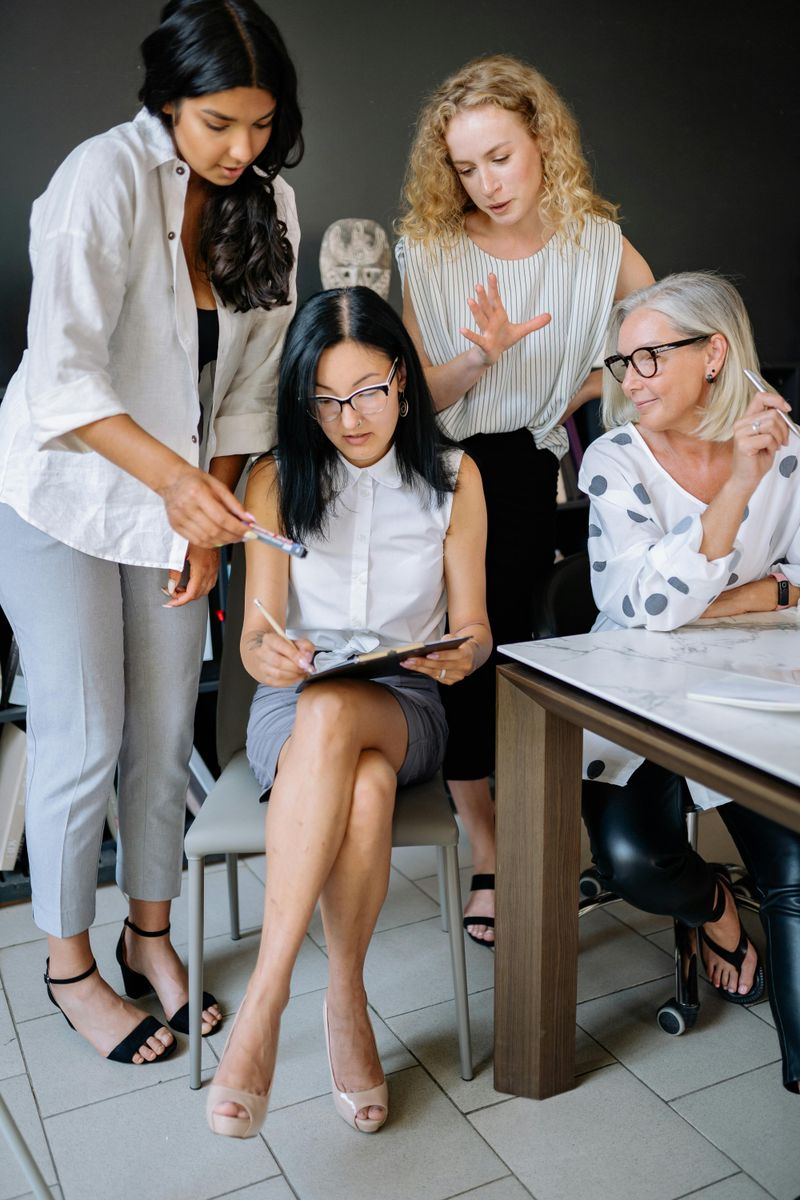
Picture a typical household from the 1950s — and compare it to one today.
The difference in who brings home a paycheck is striking.
International Labour Organization data confirm that women’s labor force participation has grown dramatically compared to their grandmothers’ era, making dual-income households the new normal in many regions.
This shift goes beyond economics.
When women earn their own income, patterns of financial dependency that stretched back generations begin to crack.
Greater workforce presence means more negotiating power, more financial security, and a fundamentally different story for the next generation of daughters watching their mothers work.
4. They Are Entering High-Growth, Male-Dominated Fields

Engineering. Computer science.
Medicine. Surgery.
These fields once carried an unspoken sign that read “men only.”
Reports from the U.S. National Science Foundation and UNESCO now highlight steady, measurable increases in women earning STEM degrees — numbers that would have seemed unimaginable just fifty years ago.
Every woman who walks into a science lab or codes a software program chips away at occupational segregation that once narrowed career options for half the population.
Beyond personal achievement, their presence changes what young girls believe is possible for themselves.
Representation in these fields is not just progress — it is a pattern-breaker in the truest sense.
5. They Are Breaking Barriers in Corporate Leadership
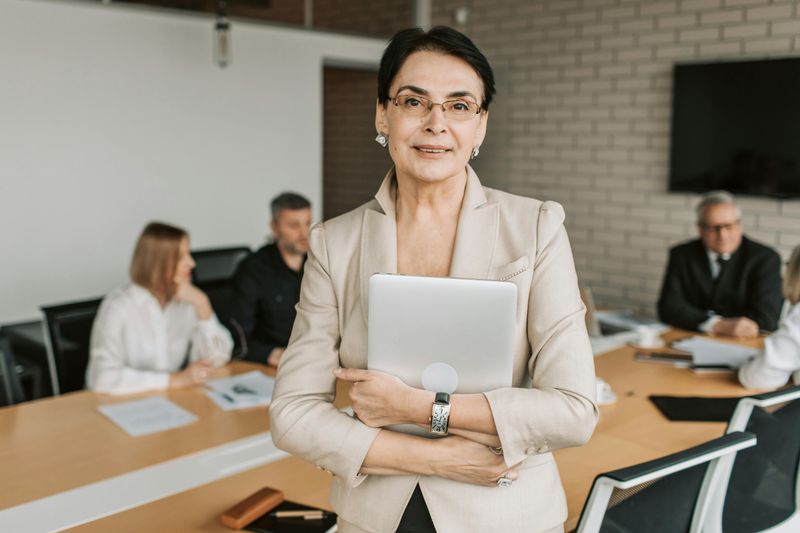
Not long ago, a woman at the top of a major corporation was headline news simply because it was so rare.
McKinsey and Catalyst research now document record highs of women in senior management and board positions across multiple countries — a shift that would have stunned previous generations of working women.
Full parity has not arrived yet, and the climb remains steep in many industries.
But the trend line is clear and moving upward.
Each woman who reaches an executive seat rewrites the internal story of what leadership looks like, making the path slightly less steep for every woman who follows behind her.
6. They Are Expanding Their Political Representation
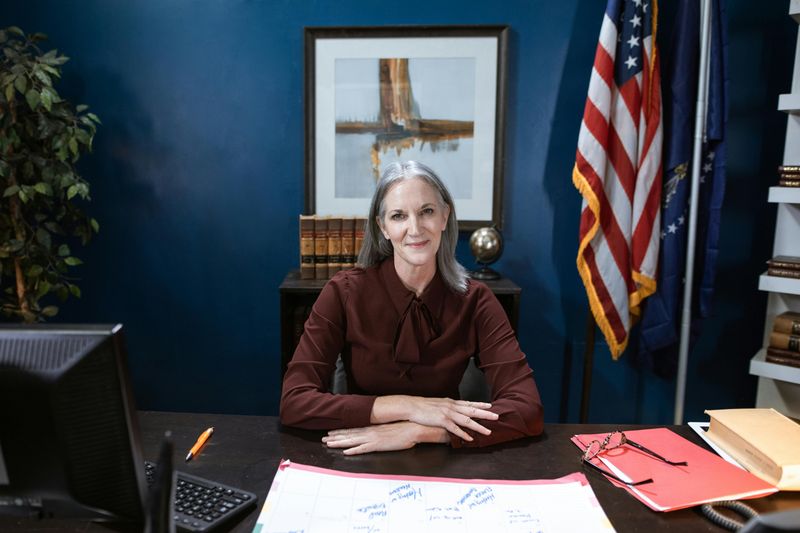
Laws shape lives.
Policies determine who gets healthcare, who gets educated, and whose rights are protected.
According to UN Women and the Inter-Parliamentary Union, the share of women in national parliaments worldwide has more than doubled since the 1990s — a political shift with real consequences for everyday people.
When women hold legislative power, the issues that affect families, children, and working people tend to receive more attention.
Voting for, running for, and winning office is how women turn personal experience into public policy.
Greater political representation does not just change government — it changes what future generations inherit from it.
7. They Are Securing Greater Property and Financial Rights

Owning land.
Opening a bank account.
Inheriting property.
These sound like basic rights, but for millions of women in recent history — and still today in some places — they were legally out of reach.
The World Bank’s Women, Business and the Law reports document sweeping legal reforms in inheritance, property ownership, and financial access over the past five decades.
In many countries, women now hold rights their mothers and grandmothers were flatly denied.
Financial autonomy changes everything: how women plan for the future, how they protect their children, and how they build lasting security across generations rather than starting from zero each time.
8. They Are Prioritizing Mental Health and Challenging Stigma
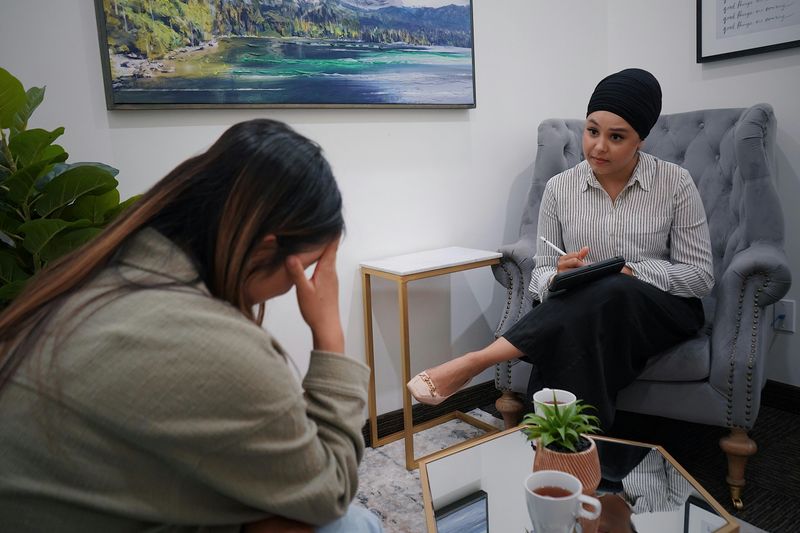
For generations, “just push through it” was the unofficial family motto when it came to emotional pain.
Surveys from the American Psychological Association and global health organizations now show that women are increasingly seeking therapy and speaking openly about mental health — a cultural shift that quietly dismantles cycles of untreated trauma passed down through families.
Choosing to talk about anxiety, depression, or past wounds takes real courage when silence was the family tradition.
But healing one person can change how an entire family communicates, parents, and copes.
Mental health awareness is not a trend — it is a generation deciding the cycle stops here.
9. They Are Rejecting Tolerance for Domestic Violence

“That’s just how it was” used to be the explanation — and the excuse — for abuse that went unaddressed in homes across generations.
World Health Organization and UN Women data now indicate declining acceptance of domestic violence in many regions, with younger generations showing the sharpest rejection of harmful norms once widely tolerated.
Stronger legal protections, expanded awareness campaigns, and growing community support systems have empowered women to name abuse, seek help, and leave dangerous situations.
Every woman who refuses to normalize violence — and raises children who see that refusal — breaks a pattern that may have stretched back through her family for decades.
10. They Are Building Businesses at Record Levels

Starting a business used to require access to capital, credit, and connections that were rarely extended to women.
The Global Entrepreneurship Monitor now reports significant growth in women-owned businesses over the past two decades — a surge that is reshaping local economies and creating new pathways to generational wealth that did not exist before.
Female entrepreneurs are not just building companies — they are building legacies.
A mother who runs her own business models financial agency for her children in ways that no classroom lesson can fully replicate.
Entrepreneurship transforms a single woman’s ambition into a family’s changed economic trajectory for years to come.
11. They Are Investing More in Their Children’s Futures
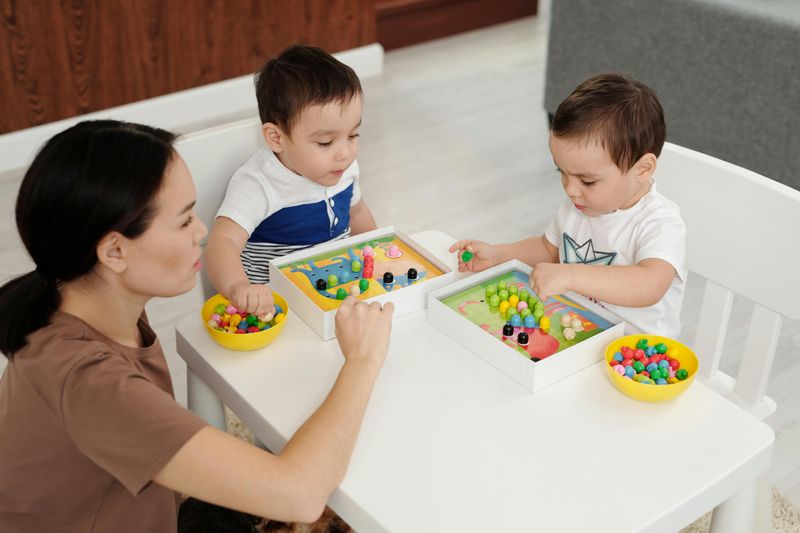
World Bank research consistently shows one of the most powerful patterns in global development: when women control household income, a larger share flows toward children’s education, nutrition, and healthcare.
That finding has been replicated across dozens of countries and cultures, making it one of the most reliable insights in poverty research.
A woman who breaks her own generational cycle and then invests in her children multiplies that impact across the next generation.
She is not just changing her own story — she is changing the starting point for her kids.
That ripple effect is how generational patterns do not just bend; they break for good.
Comments
Loading…