
 Isabel Parker
11 Culture Shocks Americans Always Notice in Europe
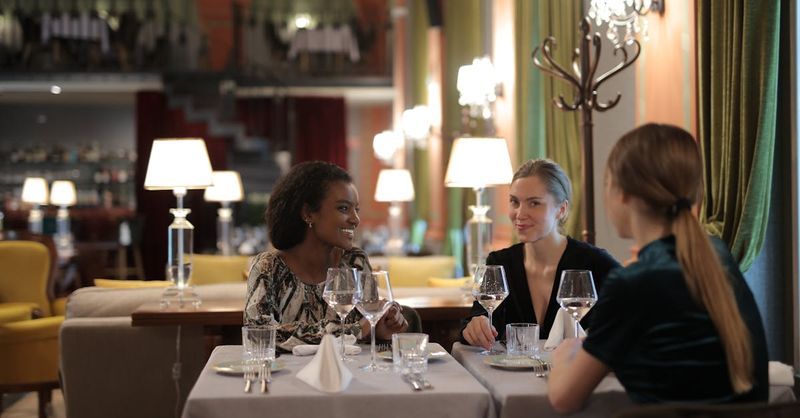
Europe has a funny way of making Americans feel both adventurous and slightly confused at the same time.
One minute you’re strolling past a building that’s older than your entire hometown, and the next you’re standing in a café wondering why the water is fizzy and why no one is rushing you out the door.
The differences aren’t usually “better” or “worse,” but they can be surprising when you’re used to a very specific set of routines back home.
From how people shop to how they drive, eat, and even handle small talk, everyday life can feel just different enough to make you do a double take.
Here are a few of the most common culture shocks Americans mention, along with why they happen and how to roll with them.
1. Still water isn’t the default (and you have to ask for it)
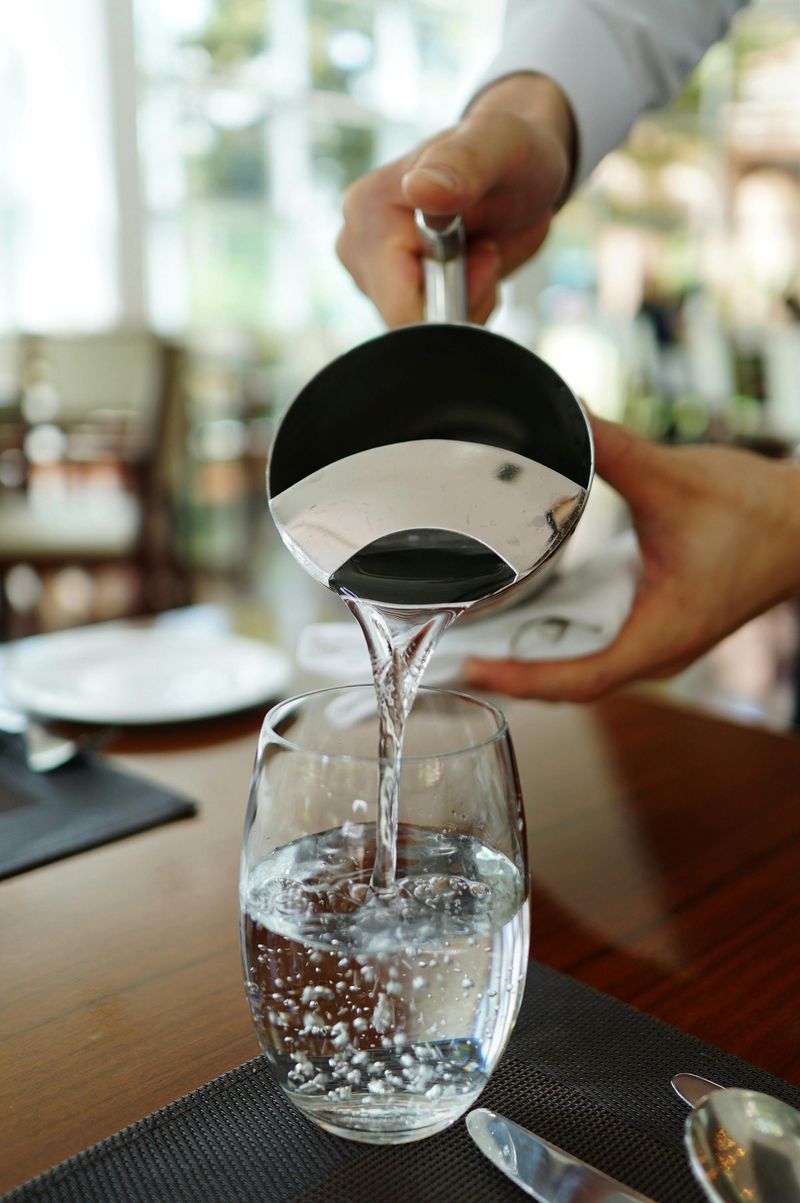
In many European countries, sparkling water shows up like it’s the standard option, and Americans often don’t realize they need to be specific until the bottle arrives.
Ordering “water” can mean you’ll be offered choices, asked whether you want it still or sparkling, and sometimes even expected to pick a brand.
That feels unusual if you’re used to servers automatically bringing a big glass of tap water without discussion.
Depending on where you are, tap water might be available, but it may not be the first thing offered, and it can vary from place to place.
The easiest fix is learning the local words for still water and tap water, then asking confidently.
Once you do, it stops feeling like a mystery and starts feeling like a small, oddly empowering travel skill.
2. Stores close early—and many shut down on Sundays
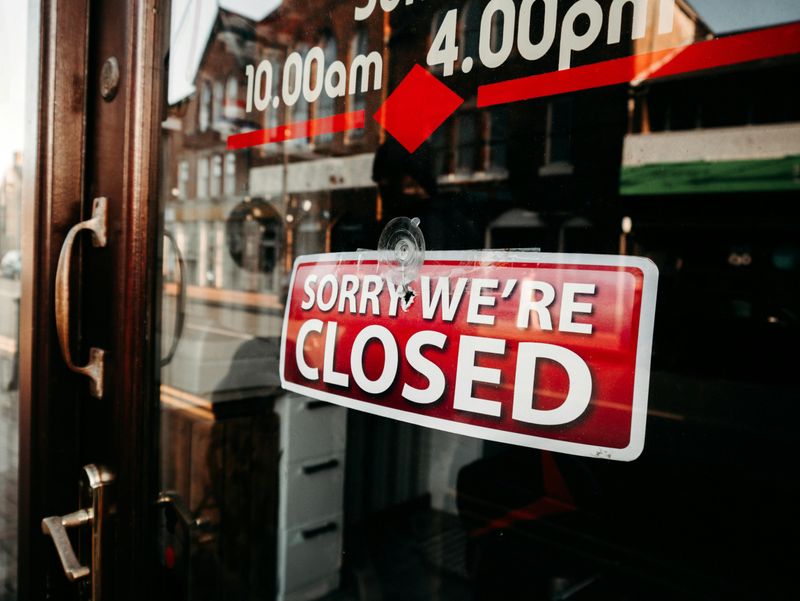
Shopping in Europe can require more planning than Americans are used to, especially if you’re coming from a world of late-night errands and 24/7 convenience.
In many places, smaller shops close earlier in the evening, and Sunday can feel like a full-on pause button, with many stores locked up and streets noticeably calmer.
That can be frustrating at first, particularly if you’re hungry, need toiletries, or realize at 8 p.m. that you forgot something important.
The flip side is that the slower schedule often reflects cultural priorities around rest, family time, and workers’ rights.
After a few days, some visitors find it refreshing to have a built-in reason to slow down.
The trick is stocking up ahead of time and treating Sunday like a day for strolling, snacking, and exploring instead of “getting things done.”
3. Tiny refrigerators, washers, and everyday appliances
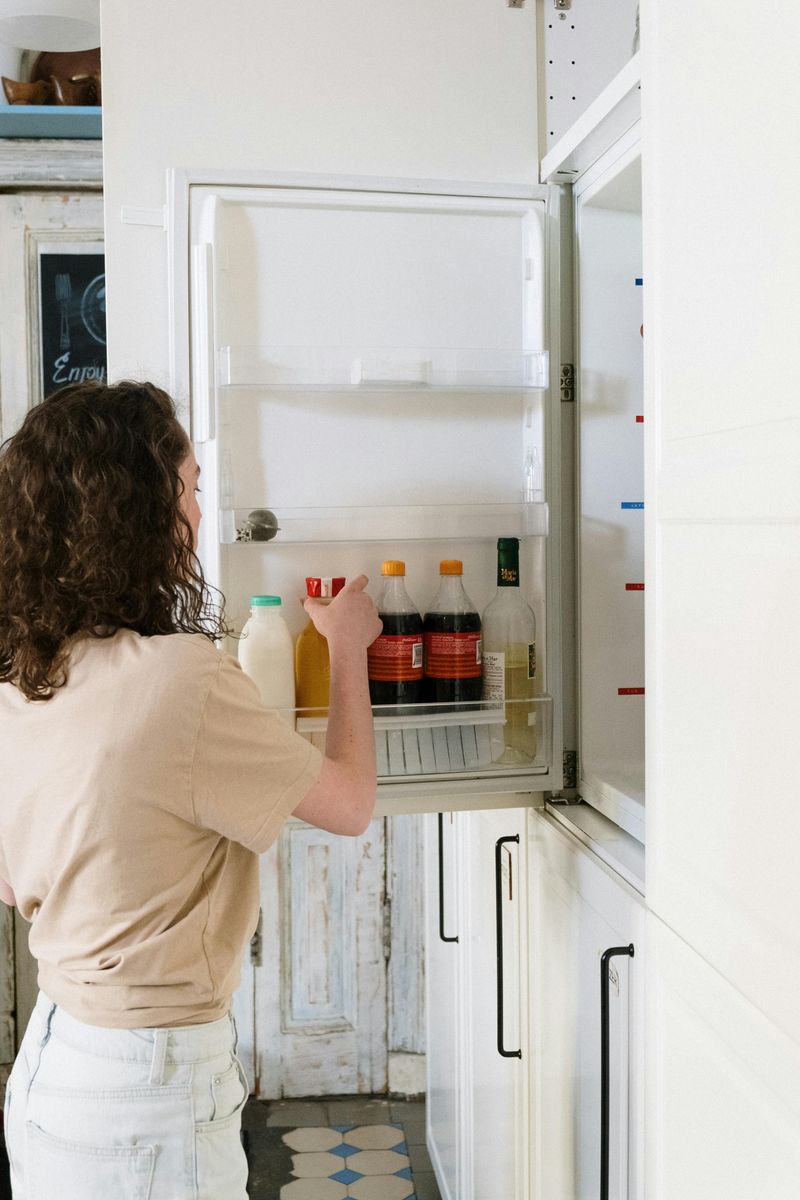
European homes often make Americans feel like they’ve been shrunk to apartment size, because many everyday appliances are noticeably smaller.
Refrigerators can look compact, freezers may be the size of a drawer, and washing machines sometimes seem designed for a couple of outfits rather than a full laundry day.
That can be surprising if you’re used to buying groceries in bulk, storing giant beverage packs, and washing mountains of towels at once.
The smaller scale usually matches smaller kitchens, older buildings, and a lifestyle built around more frequent shopping trips rather than one massive weekly haul.
It can also encourage less food waste, since you’re storing what you’ll actually eat soon.
Once you adjust, it can feel oddly efficient, even if you still miss the thrill of fitting an entire pizza box into the fridge without a strategy meeting.
4. Paying to use public bathrooms
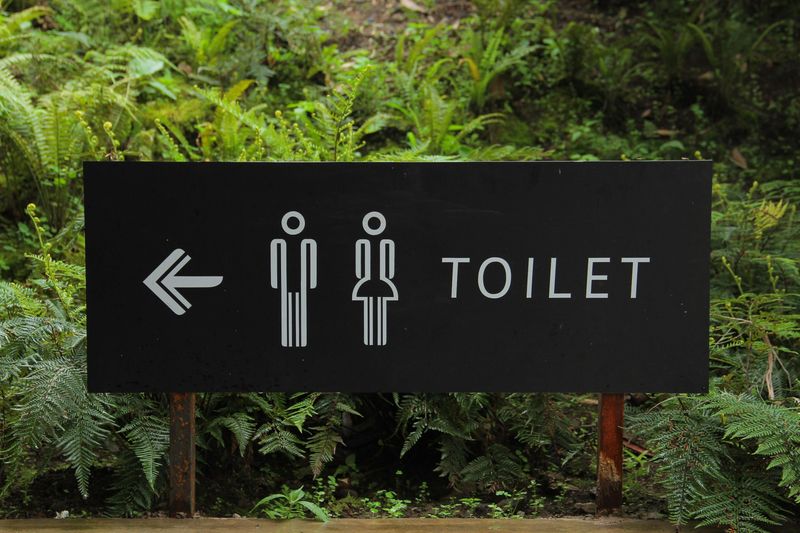
Few things catch Americans off guard faster than realizing a restroom isn’t automatically free.
In many European cities, public bathrooms are pay-to-enter, and even some cafés, train stations, and tourist areas have attendants or turnstiles.
If you’re used to popping into a restroom without thinking twice, it can feel inconvenient, especially when you’re out walking for hours.
The logic is usually straightforward: the small fee helps keep facilities cleaner, stocked, and maintained, which can be a major win in busy locations.
Still, it’s smart to carry coins or a small card-ready option, because the need always seems to appear at the worst possible time.
Many travelers quickly develop a routine of using restrooms whenever they see them and treating the fee like a tiny “cleanliness tax.” It’s not glamorous, but it’s practical, and your future self will thank you.
5. No free drink refills (and water might not be free either)
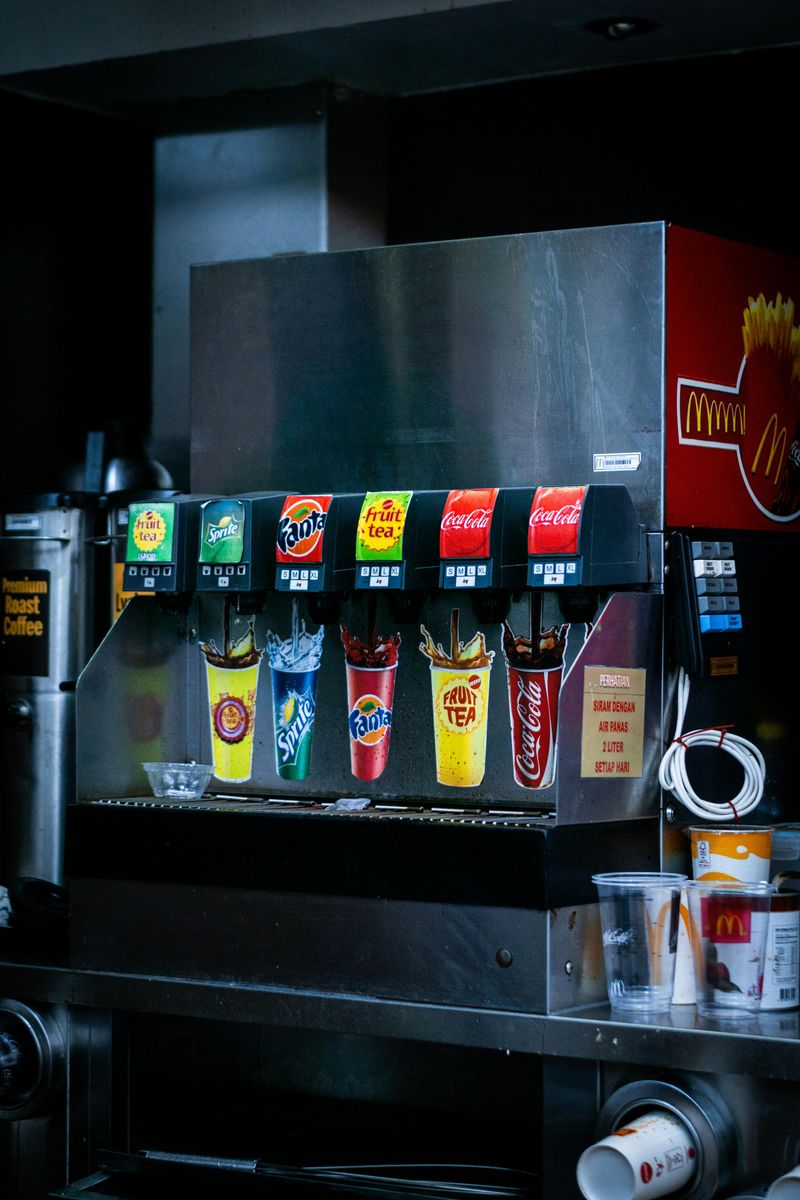
Restaurant culture can be one of the biggest surprises, because the American expectation of unlimited refills simply doesn’t translate in many European countries.
When you order a soda, iced tea, or even coffee, you’re typically paying for that specific drink, and a refill is often treated as a brand-new order.
That can feel shocking if you’re used to servers topping off your glass repeatedly without asking.
Water can also work differently, since bottled water is common, and complimentary tap water isn’t always offered unless you request it directly.
The good news is that this approach often comes with a slower dining pace, fewer interruptions, and a feeling that you’re allowed to linger.
If you want to avoid awkward surprises, ask about still versus sparkling water and whether tap is available.
Once you adjust your expectations, the meal feels less like a transaction and more like an experience you can actually savor.
6. Smoking feels more common—and rules vary a lot by country

Depending on where you travel, Americans often notice that smoking seems more visible than it does in many parts of the United States.
You might see people smoking outside cafés, on patios, or near building entrances, and it can feel like stepping back in time if you’re used to stricter restrictions at home.
The reality is that attitudes, regulations, and rates vary widely across Europe, so one city may feel very smoke-heavy while another feels much closer to what you’re used to.
Outdoor seating can be the biggest difference, because smokers tend to gather where food and social life happen, which makes it harder to avoid.
If it bothers you, choosing indoor tables where permitted, sitting farther from the crowd, or picking less busy patios can help.
Over time, many travelers learn to treat it like a local quirk: not ideal for everyone, but part of the atmosphere in certain places, especially in older café cultures.
7. Driving manual is normal, and cars are smaller
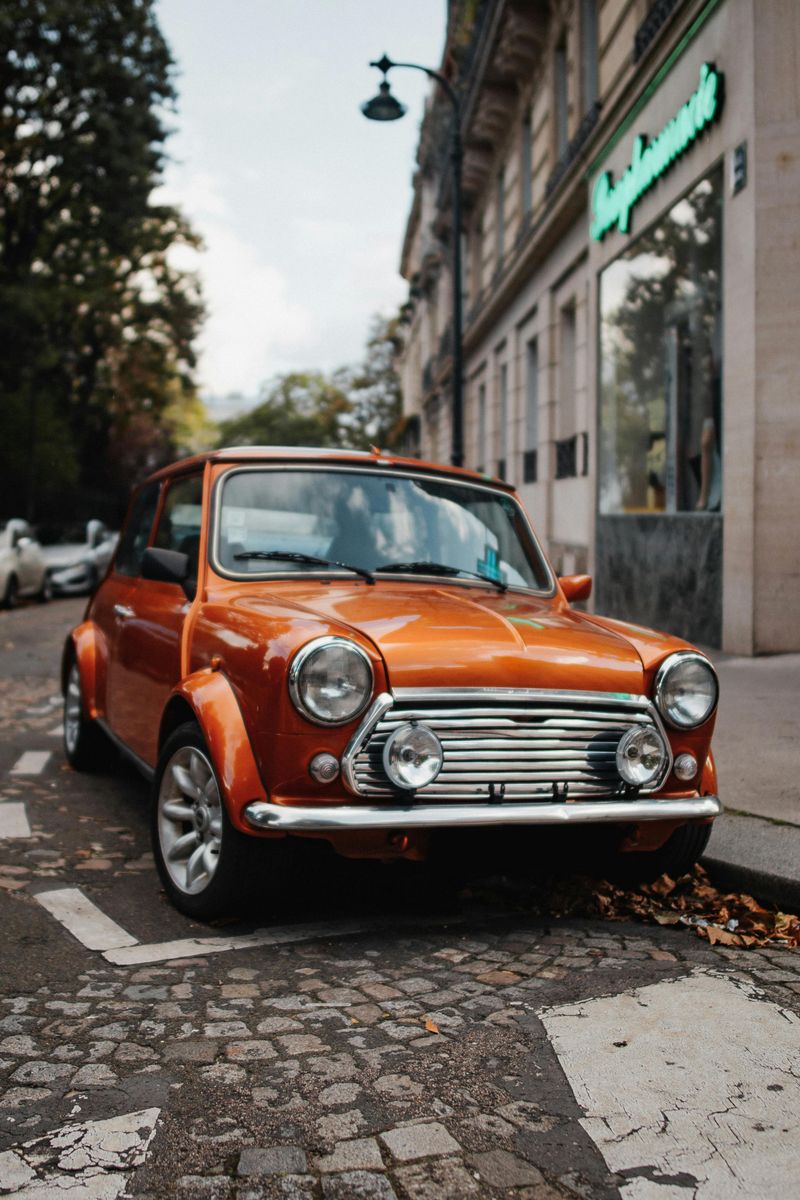
Renting a car in Europe can turn into an unexpected challenge when you realize automatic transmissions aren’t always the default.
Manual cars are common, and even when you can request an automatic, it may cost more or be less available depending on the country and the season.
On top of that, vehicles tend to be smaller, which makes perfect sense once you see narrow streets, tight parking, and old city layouts that were built long before SUVs were a thing.
For Americans used to roomy cars and wide lanes, it can feel like playing a driving video game on hard mode.
The payoff is that small cars are easier to maneuver, more fuel-efficient, and better suited for towns where space is limited.
If you’re not comfortable with a stick shift, booking an automatic early is key, and it helps to remember that trains and local transit are often so good you might not need a car at all.
8. Roundabouts everywhere (and locals actually love them)
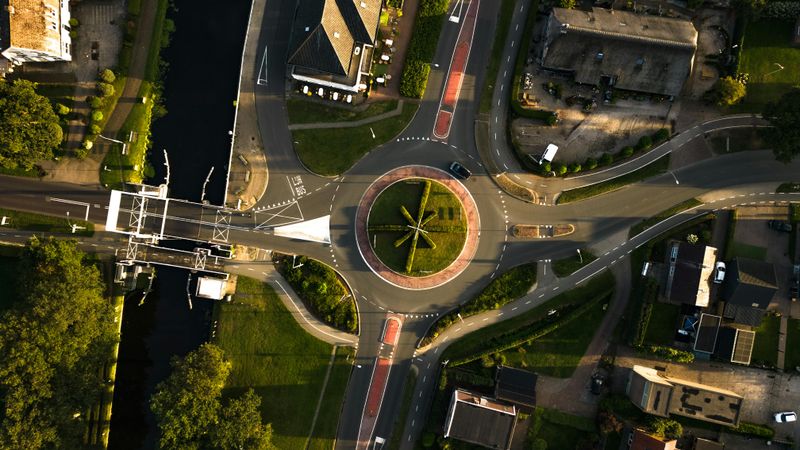
Traffic circles can feel intimidating at first, especially if you don’t encounter them often at home, but in many European countries they’re a normal part of daily driving.
Instead of waiting at endless stoplights, cars flow through roundabouts in a steady rhythm, and locals tend to move with confidence that can make visitors feel like they’re doing something wrong.
The system works best when everyone understands who has the right of way and uses turn signals correctly, which is why it can feel chaotic if you’re still figuring it out.
Once it clicks, though, many Americans admit it’s kind of brilliant, because it can reduce congestion and keep traffic moving.
The trick is staying calm, looking for signs, and committing when it’s your turn rather than hesitating.
After a few successful roundabouts, the fear fades, and you may even catch yourself wishing your hometown had more of them.
9. Bread and bakeries are a daily routine, not a “special treat”
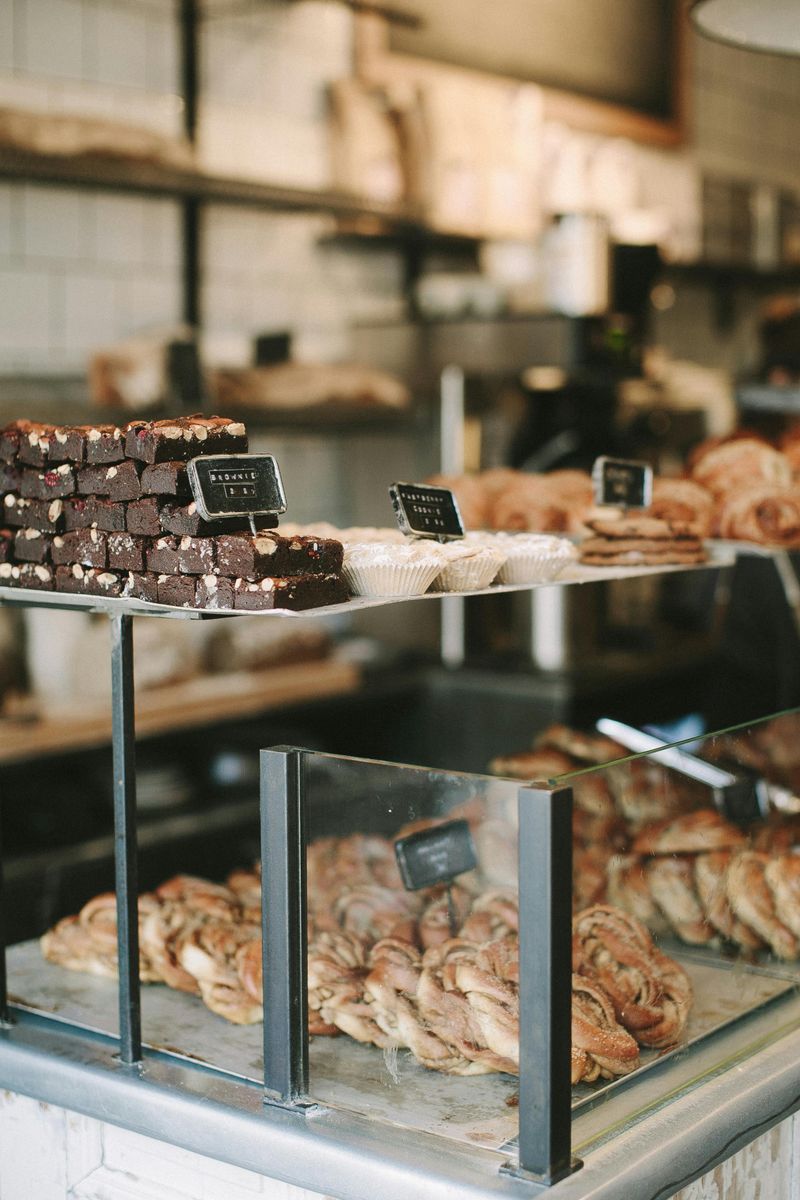
Walking past a bakery in Europe can feel like a personal challenge, because the smell alone makes you want to buy something immediately.
Many Americans are surprised by how common it is to pick up fresh bread daily, grab pastries for breakfast, or treat a local bakery like a regular stop rather than an occasional indulgence.
In the U.S., bread often comes pre-sliced and lasts for days, so the idea of buying a fresh loaf that you’ll eat quickly can feel like a luxury habit.
In many European places, it’s simply normal, and quality is treated as a basic expectation.
That daily freshness changes how people eat, because meals often revolve around bread that’s actually worth building a meal around.
The only danger is developing bakery standards you can’t unlearn, then returning home and feeling personally offended by bland supermarket rolls.
If nothing else, it’s a delicious culture shock.
10. The blunt honesty—less small talk, more directness
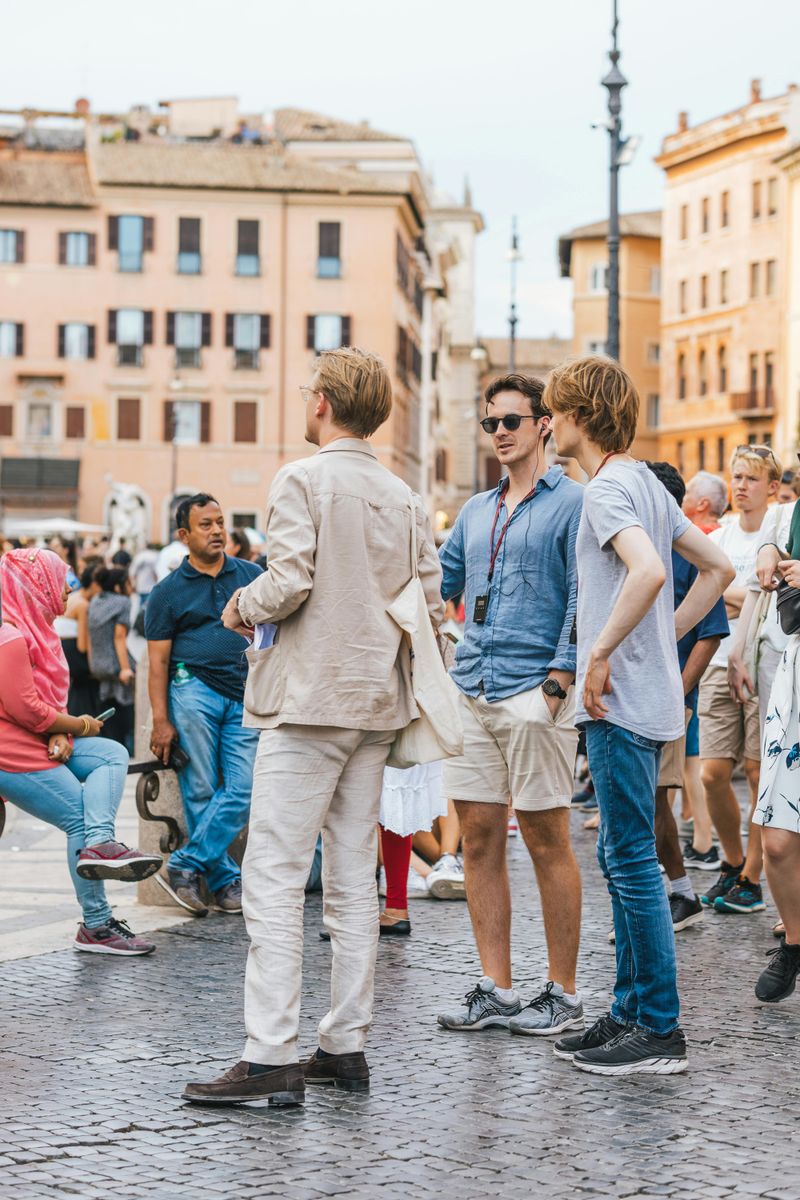
Social interactions can feel different in ways that surprise Americans, especially if you’re used to friendly small talk with strangers and a more “softened” communication style.
In many European cultures, people may get to the point more quickly, offer opinions more directly, and skip the cheerful filler language Americans often rely on to sound polite.
That can come across as rude if you’re not expecting it, even when it’s not meant that way.
The upside is that directness can feel refreshingly clear, because you don’t have to decode what someone “really” means.
Service interactions may also be less bubbly, which can be mistaken for poor customer service when it’s simply a different cultural norm.
The best approach is to avoid taking it personally and to mirror the tone around you, keeping your communication straightforward and respectful.
After a while, many travelers realize it’s not coldness, it’s efficiency, and it can be oddly relaxing not to perform friendliness every second of the day.
11. So many languages and currencies/history packed into short distances
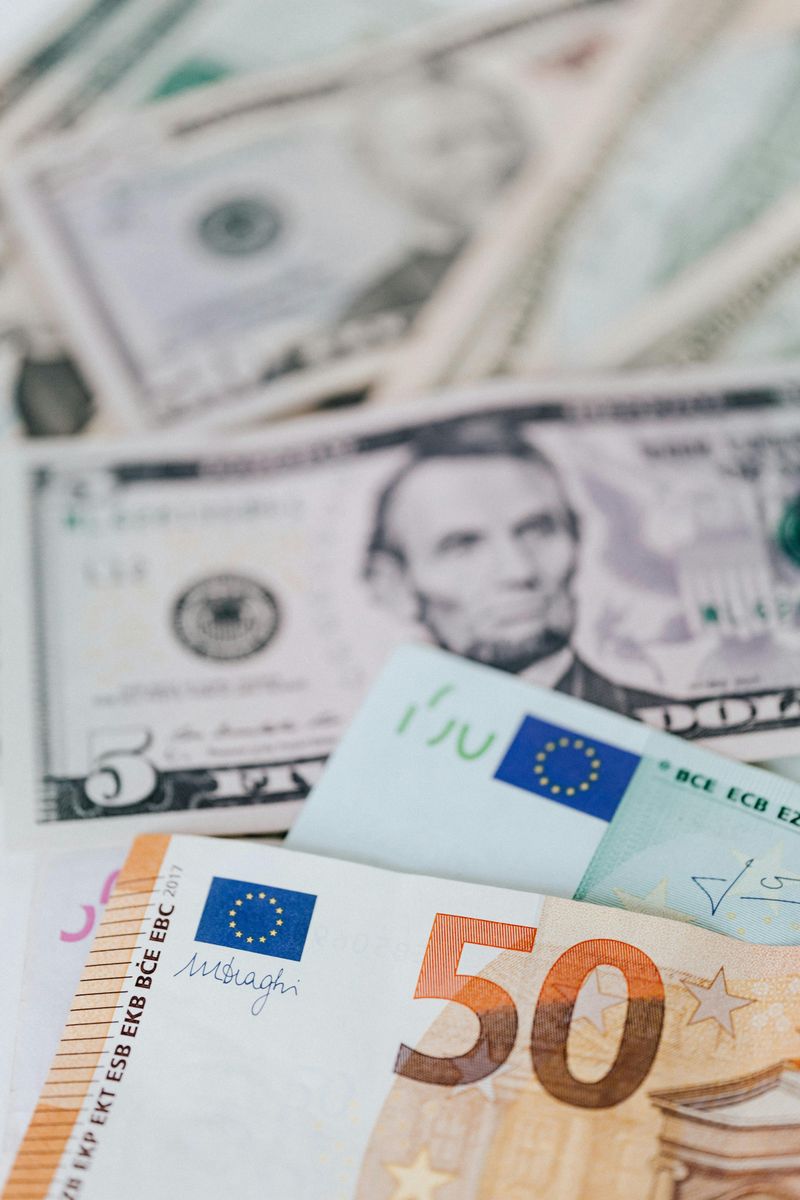
Distance means something different when you can travel a few hours and end up somewhere that looks, sounds, and tastes completely different.
Americans often find it wild that crossing a border can bring a new language, new road signs, and an entirely different cultural vibe, sometimes after what feels like a short drive.
In the U.S., you can travel for days and still be in the same country with the same language and many of the same chains, so the rapid shifts in Europe can feel like teleportation.
The history factor adds another layer, because it’s common to see ancient ruins beside modern shops or to walk streets that have been in use for centuries.
That density can make even a casual weekend trip feel rich, because every town has its own identity and story.
The only downside is trying to do too much too fast, since everything feels close enough to squeeze in.
The best Europe lesson is slowing down, choosing a few places, and letting the differences really sink in.
Comments
Loading…