
 Chloe Peterson
11 Behaviors Women Over 50 See as Immediate Deal-Breakers Now

Life after 50 comes with a kind of clarity that only experience can buy.
The drama, the guesswork, and the emotional chaos that once passed for “romance” don’t stand a chance anymore.
Women in this age group have lived enough life to know exactly what drains them—and exactly what brings peace.
Dating becomes less about impressing someone and more about protecting energy, health, and emotional well-being.
Studies from the National Council on Aging show that people over 50 overwhelmingly prioritize stability, respect, and meaningful companionship over everything else.
These priorities shape what becomes a deal-breaker—and what becomes a definite “nope, not doing this again.”
Here are the behaviors women over 50 shut down instantly—often without apology, hesitation, or regret.
1. Poor Communication Skills

A lack of meaningful communication becomes painfully obvious when someone has decades of life experience behind them.
Women over 50 have learned that avoiding tough conversations or shutting down emotionally isn’t a phase—it’s a pattern.
Research from The Gottman Institute shows that stonewalling and defensiveness are two of the biggest predictors of failed relationships.
This age group doesn’t waste time hoping someone will magically become emotionally articulate.
Clear, respectful communication builds trust, reduces conflict, and strengthens connection, and anything less feels exhausting.
If someone disappears mid-conversation, sends mixed messages, or refuses to articulate how they feel, she sees the future clearly—and it’s not with him.
Mature communication isn’t about being perfect.
It’s about showing up and participating.
Women over 50 value peace, and poor communication creates the exact opposite.
So they walk away early rather than drown in avoidable misunderstandings.
2. Financial Irresponsibility

A messy financial life isn’t just inconvenient—it’s destabilizing.
Women over 50 often come with responsibilities like mortgages, families, retirement plans, or long-term investments.
Studies from AARP show that financial stability becomes one of the top priorities for adults in midlife and beyond.
Someone who overspends, avoids bills, or has no plan for the future signals chaos.
And chaos is the one thing she’s absolutely not signing up for.
She’s lived through the stress of financial uncertainty, and she knows how quickly it erodes relationships.
This isn’t about demanding wealth—just responsibility.
A partner who refuses to budget, frequently asks for financial favors, or hides spending habits becomes a liability.
Women over 50 want a teammate, not a dependent.
When money is mismanaged, she sees the warning signs instantly—and opts out for her own security.
3. Disrespectful or Dismissive Behavior

A condescending tone or a dismissive comment hits differently when you’ve spent decades building confidence and wisdom.
Women over 50 have worked too hard to be treated as if their opinions don’t matter.
Psychology research consistently shows that chronic disrespect erodes self-esteem and breeds resentment.
Anyone who interrupts constantly, mocks her thoughts, or talks down to her exposes an insecurity she has no interest in managing.
This age group values mutual respect and emotional safety above all else.
When someone acts dismissive, it signals incompatibility—not something to “work through.”
She knows her worth and expects a partner who recognizes it too.
Disrespect isn’t viewed as a personality flaw—it’s a character problem.
And character problems don’t get fixed with time.
They get exited from her life immediately.
4. Lack of Follow-Through

Empty promises are more than annoying—they’re a preview of a disappointing future.
Women over 50 have seen enough inconsistency to know that reliability is non-negotiable.
Research from Purdue University highlights that dependability is one of the top traits long-term partners value as they age.
When someone constantly says they’ll call but doesn’t, plans dates they cancel, or talks big but never acts, she recognizes the red flags.
Consistency builds trust, and trust is essential at any age—but especially later in life.
Unreliable behavior often points to deeper issues like disorganization, lack of respect, or emotional avoidance.
She doesn’t want to feel like she’s babysitting an adult or guessing whether someone will show up.
A pattern of flaking tells her everything she needs to know.
She’ll stop investing the moment she stops believing.
5. Emotional Immaturity

Childish reactions become intolerable when someone has spent years developing emotional intelligence.
Women over 50 have little patience for tantrums, passive-aggressive comments, jealousy, or manipulation.
A study from UC Berkeley shows that emotional stability tends to increase with age—so someone stuck in adolescence stands out immediately.
Emotional immaturity makes relationships chaotic and unpredictable.
It also signals a lack of accountability, which is one of her biggest turn-offs.
Emotional adults can apologize, self-reflect, and manage conflict calmly.
Immature adults blame, pout, and run.
She’s not interested in teaching someone how to regulate their emotions; that’s childhood work, not her responsibility.
A partner unable to handle discomfort or communicate honestly creates instability.
She wants peace, not drama.
And emotional immaturity is pure drama.
6. Self-Centeredness

A relationship becomes draining fast when everything revolves around one person.
Women over 50 are finely tuned to recognize a self-absorbed partner because they’ve often encountered them before.
Narcissistic traits—such as excessive need for attention or lack of empathy—create emotional fatigue, according to numerous studies in personality psychology.
If conversations always circle back to him, his needs, or his schedule, she mentally checks out.
Healthy relationships require reciprocity, and she’s not interested in playing the role of permanent cheerleader.
A man who never asks about her day, her feelings, or her interests appears incapable of true partnership.
She values emotional generosity—small acts of thoughtfulness that show care.
Self-centeredness, on the other hand, drains joy.
She refuses to shrink herself to make space for someone else’s ego.
She’s done that before.
7. Poor Hygiene or Health Neglect

Neglecting basic hygiene or refusing to care for one’s health sends an immediate and unappealing message.
Women over 50 take their well-being seriously; many exercise regularly, eat well, and follow medical advice.
Studies from the CDC show that adults over 50 are more likely to maintain preventive health habits than younger groups.
So a partner who ignores medical checkups, has consistently poor grooming, or shows disregard for physical wellness feels misaligned with her lifestyle.
This isn’t about vanity.
It’s about longevity, vitality, and shared quality of life.
She understands the real consequences of chronic neglect because she’s seen them—sometimes in friends, family, or past partners.
Poor hygiene also signals a deeper lack of self-respect.
And if someone can’t take care of themselves, they’re certainly not ready to care for a relationship.
She steps away quickly.
8. Dishonesty in Any Form
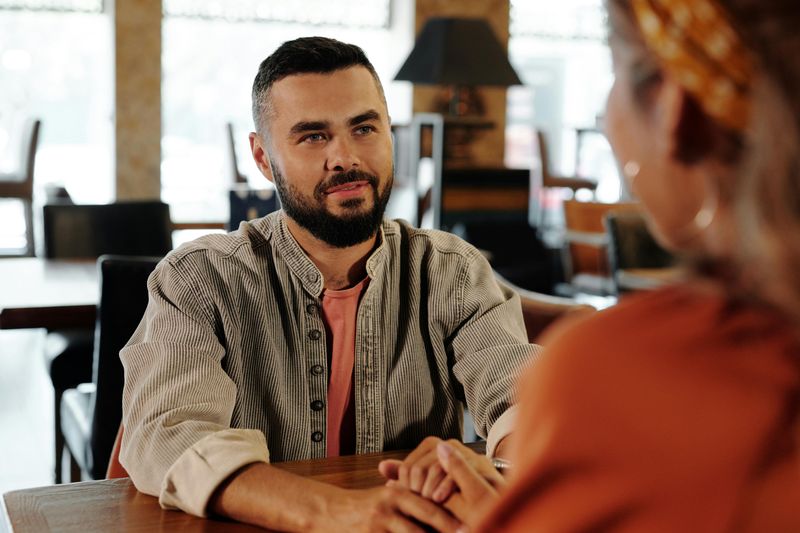
A single lie may be forgivable, but dishonesty as a pattern is an instant deal-breaker.
Women over 50 value transparency because they know the emotional and practical consequences of deceit.
Research published in the Journal of Social and Personal Relationships shows that trust declines rapidly when lies—big or small—enter a relationship.
Dishonesty creates an environment where she constantly wonders what’s real and what’s hidden.
That uncertainty drains emotional energy she’d rather invest elsewhere.
Whether someone exaggerates achievements, hides messages, or avoids telling the truth to “keep the peace,” the effect is the same.
She’s earned a life where relationships feel safe, not suspicious.
Honesty builds intimacy, while dishonesty builds distance.
She refuses to rebuild trust that someone else casually destroys.
So she doesn’t stick around long enough for the second lie.
9. A Negative or Cynical Attitude

Constant negativity becomes unbearable when someone is seeking calm and contentment in their life.
Women over 50 prioritize emotional peace—something research consistently shows increases in value with age.
A study from Stanford’s Center on Longevity found that older adults prefer positive social interactions and avoid drama far more than younger adults.
So a partner who complains endlessly, sees the world through a pessimistic lens, or thrives on conflict quickly becomes unwelcome.
Negativity is contagious, and she fiercely protects her mental health.
Life has taught her that happiness doesn’t happen accidentally—it’s curated.
Someone who brings emotional heaviness instead of encouragement disrupts the life she’s intentionally built.
She loves laughter, connection, and meaningful conversation.
Chronic cynicism crushes that.
She’s not signing up for a lifetime of gloom.
10. Lack of Ambition or Personal Growth

Stagnation stands out sharply to a woman who values continuous self-improvement.
Women over 50 often spend this stage of life reinventing themselves—starting new hobbies, traveling, or even shifting careers.
Research from the University of Texas shows that personal growth strongly contributes to life satisfaction in midlife.
So a partner who shows no curiosity, drive, or desire to evolve feels incompatible.
Ambition doesn’t mean chasing money or titles; it means wanting to expand, learn, and contribute.
Someone who sits in comfort zones forever signals a lack of spark.
Growth is attractive.
Stagnation is draining.
A man unwilling to improve becomes a weight rather than a teammate.
She wants someone who’s excited about life, not someone who’s surrendered to it.
If he’s stuck, she moves on.
11. Disrespect Toward Her Boundaries

Boundary-breaking behavior is a non-starter for women who know exactly what they need to feel safe.
Women over 50 have learned, sometimes the hard way, that boundaries protect mental health, time, and emotional energy.
Psychological research shows that people with strong boundaries have higher self-esteem and healthier relationships overall.
So when someone pushes, mocks, or ignores the limits she sets—whether personal, emotional, or logistical—she recognizes it as a sign of incompatibility.
Boundaries aren’t walls; they’re guidelines for respectful connection.
A man who respects them shows maturity and empathy.
A man who resists them shows entitlement.
She refuses to negotiate her well-being for someone else’s comfort.
If he can’t honor the lines she draws, she exits gracefully—and quickly.
Because boundaries aren’t optional at this age.
They’re essential.
Comments
Loading…