
 Chloe Peterson
11 Baffling Things Women Can Do That Men Can’t, According to Science
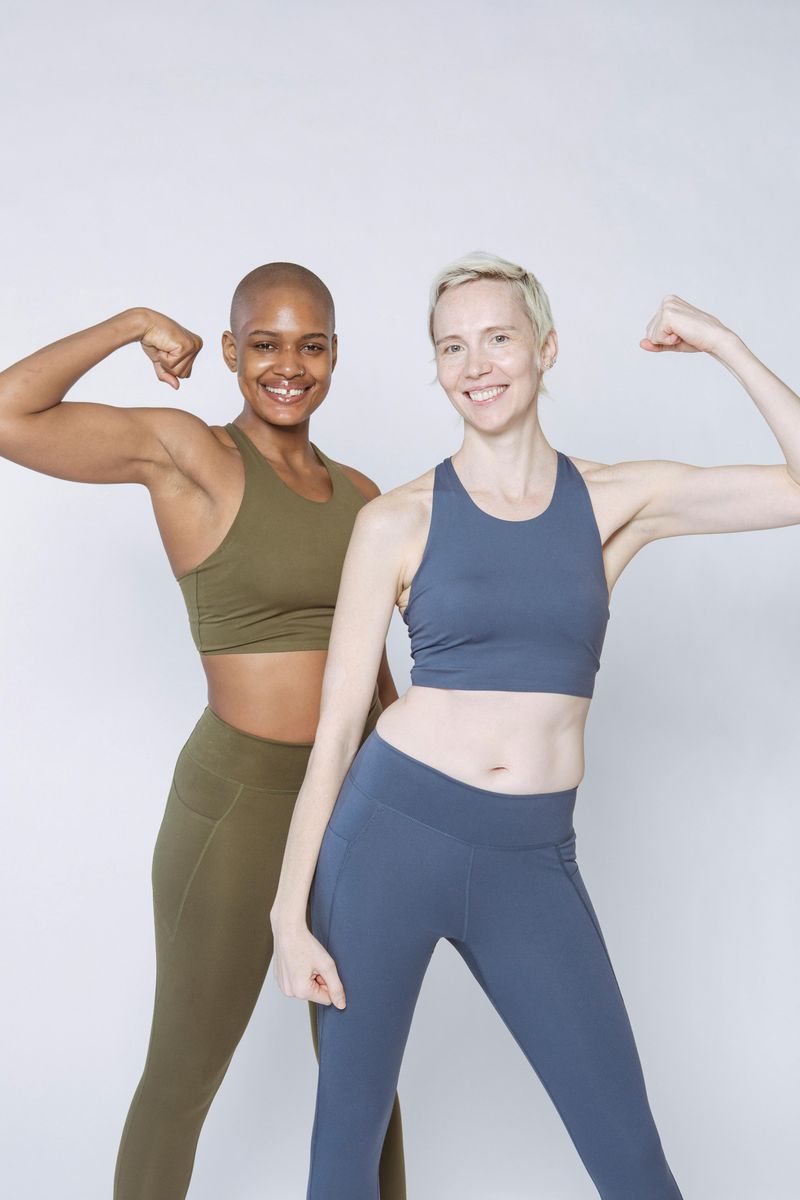
Science has uncovered some pretty surprising differences between men and women — and not just the obvious ones.
From sensing colors to surviving extreme conditions, the female body comes loaded with biological superpowers that most people never think about.
Some of these abilities are rooted in genetics, others in hormones, and a few are still being studied by researchers around the world.
Get ready to be genuinely amazed by what the science actually says.
1. See a Wider Range of Colors — and Rarely Be Color Blind

Here’s something wild — some women can see up to 100 million colors, while most men top out at around 10 million.
That’s not an exaggeration.
Women carry two X chromosomes, and the genes responsible for color-detecting cone cells in the eye sit on the X chromosome.
Having two copies gives women a backup system that men simply don’t have.
Color blindness, which affects about 8% of men, shows up in less than 1% of women.
So the next time a woman insists that two colors are completely different, she might literally be seeing something you can’t.
2. Detect Scents, Flavors, and Sounds Most Men Miss

Women are basically walking sensory machines.
Studies show that women have more smell receptors in their noses than men, which means they can pick up on fainter, more complex scents.
That’s why many professional perfumers and sommeliers happen to be women.
Taste buds follow a similar pattern — women tend to have more of them, making flavors more intense and layered.
On top of that, women generally hear higher-pitched sounds more clearly and for longer into old age.
It’s a full sensory upgrade that comes standard with the female biology package, no extra charge required.
3. Endure Long-Term Pain More Effectively
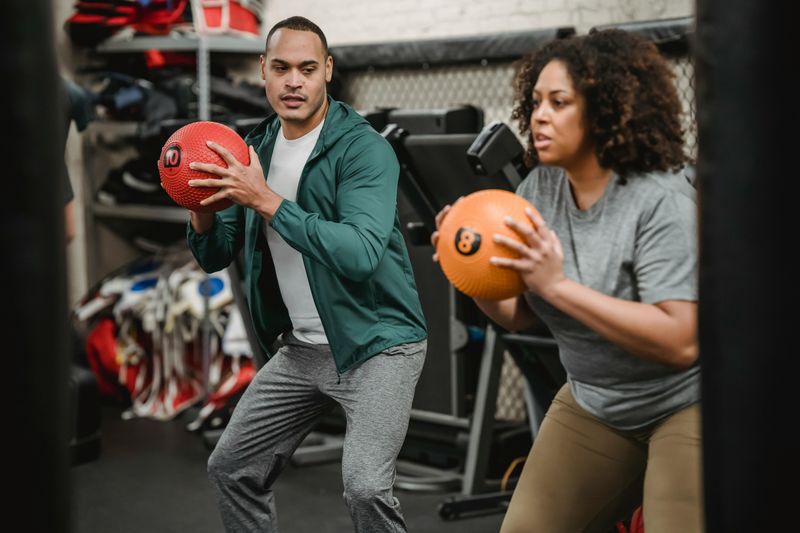
Pain is complicated, and women actually experience more of it on average — but here’s the twist.
When it comes to sustained, long-term discomfort, women tend to cope better than men.
Hormones like estrogen play a key role in regulating how the body manages pain signals over time.
Researchers believe this adaptation may be linked to childbirth, where the body must endure intense physical stress for extended periods.
Women’s nervous systems seem wired to keep functioning under prolonged strain in a way that male biology doesn’t quite match.
Endurance, it turns out, is baked right into female physiology.
4. Recover Faster After Intense Physical Effort

Men might win the arm-wrestling contest, but women often win the recovery race.
Research has shown that female muscles are more resistant to fatigue during repeated contractions.
After a tough workout or physical challenge, women’s bodies tend to bounce back more quickly than men’s.
Part of this comes down to muscle fiber composition — women have a higher proportion of slow-twitch fibers, which are more efficient and take longer to wear out.
Estrogen also appears to protect muscle tissue from damage during exercise.
So while men may lift heavier, women’s muscles quietly outperform in the long game.
5. Survive Harsh Conditions Like Cold and Food Shortages

When survival conditions get brutal, the female body has some clever tricks up its sleeve.
Women generally carry a higher percentage of body fat, which acts as both an energy reserve and natural insulation against cold temperatures.
In situations where food is scarce, this stored energy becomes a serious advantage.
Historical data from famine survivors and shipwreck records consistently shows women outlasting men under extreme conditions.
Their metabolism also adjusts more efficiently when calories are limited.
Scientists studying disaster resilience have noted this pattern across multiple environments and cultures.
Simply put, the female body was built with a remarkable survival toolkit.
6. Fight Off Infections with a Stronger Immune Response

Ever noticed that men seem to turn into complete disasters when they catch a cold?
There’s actual science behind that.
Women’s immune systems mount faster, more aggressive responses to infections.
They produce more antibodies and clear viruses from their bodies more efficiently than men typically do.
This immune advantage also comes from the X chromosome, which carries a large number of immune-related genes.
Having two copies means women get double the immune firepower in many cases.
The downside?
A stronger immune system can sometimes become overactive, which is why women are more prone to autoimmune conditions.
Every superpower has its trade-off.
7. Live Longer Across Nearly Every Population on Earth

Across virtually every country on the planet, women outlive men — and by a meaningful margin.
The global average gap sits around five to seven years.
Researchers point to multiple causes, from behavioral differences to deep biological ones baked into our genetics.
Women carry two X chromosomes, which provides a genetic backup when one copy carries a faulty gene.
Men, with only one X, have no such fallback.
Female hormones also appear to offer cardiovascular protection during the earlier decades of life.
Add in stronger immune defenses and better stress regulation, and you have a recipe for remarkable longevity that science is still working to fully explain.
8. Read Emotions and Social Cues Almost Instantly

Walk into a room full of tension and a woman will often sense it before a word is spoken.
Studies consistently show that women are better at reading facial expressions, body language, and tone of voice than men.
This isn’t just social conditioning — brain imaging studies confirm real neurological differences.
Women activate more brain regions when processing emotional faces, picking up on micro-expressions that most people miss entirely.
This ability likely developed over thousands of years of caregiving and complex social bonding.
The result is an emotional radar that operates almost automatically, giving women a genuine edge in understanding the people around them.
9. Process Emotions Using Both Sides of the Brain

When it comes to feelings, women don’t play favorites with their brain.
Research using brain scans has found that women tend to engage both the left and right hemispheres simultaneously when processing emotional experiences.
Men, by contrast, tend to rely more heavily on one side.
This bilateral approach leads to richer, more nuanced emotional processing.
Women are often better at articulating how they feel and connecting emotions to language — which is largely a left-brain function.
Neuroscientists believe this difference contributes to women’s generally stronger verbal and emotional communication skills.
It’s not about being more emotional; it’s about processing emotions more completely.
10. Remember Details and Object Locations More Precisely

Ask a woman where she put her keys three weeks ago and there’s a decent chance she’ll actually know.
Women consistently outperform men on object-location memory tasks in research studies.
They’re wired to notice and remember where things are placed, even when they weren’t trying to memorize the location.
This ability extends to environmental details — colors, textures, and small changes in a room.
Scientists believe this strength may connect to ancient gathering roles, where tracking the exact location of food sources was critical.
Whatever the origin, it’s a practical skill that shows up clearly in everyday life, much to the amazement of many men.
11. Grow, Carry, and Sustain Entirely New Human Life

No list of female biological superpowers would be complete without this one.
The human body’s ability to grow, carry, and nourish a brand-new person from a single fertilized cell is nothing short of extraordinary.
Every organ system in a woman’s body adapts during pregnancy — the heart pumps more blood, the lungs expand, and the immune system recalibrates to protect the developing baby.
After birth, the body can produce nutrient-rich milk perfectly calibrated to the infant’s needs.
The complexity and coordination involved in this process has no equivalent anywhere in male biology.
Science can describe it, but even researchers admit it remains one of nature’s most astonishing feats.
Comments
Loading…