
 Mila Ross
10 Workplace Behaviors That Drive Women Absolutely Crazy

Every office has its unspoken rules, and most of them have nothing to do with the employee handbook.
They’re the small behaviors that quietly chip away at focus, patience, and morale, especially when they happen day after day.
What makes workplace irritation tricky is that the “little things” rarely feel little when you’re the one dealing with them, and they can turn a normal workday into a nonstop grind.
Women, in particular, often feel pressured to stay polite, keep the peace, and not be labeled “difficult,” even when someone else’s habits are making the environment harder for everyone.
From meeting chaos to messy shared spaces, these are the office behaviors women consistently rank as the most irritating, along with why they’re so draining and what they reveal about workplace culture.
1. The chronic interrupter

Nothing kills a productive conversation faster than someone who treats every discussion like a competition for airtime.
When a coworker repeatedly talks over others, they’re not just being rude, they’re making it harder for good ideas to surface and for quieter voices to be heard.
Over time, this behavior creates a dynamic where people stop sharing, stop contributing, or mentally check out because they know they won’t finish a thought.
It can feel especially frustrating in meetings, where interruptions often fall along predictable lines and certain people are consistently cut off more than others.
The result is a workplace where confidence erodes, collaboration becomes performative, and the loudest person ends up steering decisions.
Even when the interrupter doesn’t mean harm, the impact is the same: everyone else leaves feeling dismissed.
2. Reply-all overusers (especially for “Thanks!”)

Email should make work easier, yet some people manage to turn it into a full-time distraction.
When a single update triggers a chain of reply-all messages, the entire office ends up dragged into a conversation that only needed two people.
It’s irritating because it hijacks attention, clutters inboxes, and forces everyone to scan for relevance just in case something important is buried in the noise.
The worst offenders are the ones who reply-all with one-word responses, unnecessary gratitude, or commentary that could have been sent privately.
Over time, this habit trains people to ignore group emails altogether, which is exactly how important information gets missed.
It also signals a lack of awareness about shared time and focus, which can feel disrespectful in a busy workplace.
3. The loud talker on calls

Open offices and shared workspaces come with compromises, but volume control should not be one of them.
When someone takes calls at full blast, the problem isn’t simply the noise, it’s the way it forces everyone else to work around them.
A single booming voice can disrupt concentration, interrupt deadlines, and make it harder for others to do their own calls without escalating into a sound war.
It becomes even more irritating when the call is personal or repetitive, especially if it’s paired with speakerphone, pacing, or dramatic reactions that draw attention.
People who do this often underestimate how exhausting constant background chatter can be.
A workplace should not feel like a café on a Saturday morning, yet loud callers can make it exactly that, leaving coworkers drained before lunch.
4. Credit stealers

Few things sour a workplace faster than watching someone accept praise for work they didn’t do.
When a coworker takes credit for an idea, a project, or a solution that came from someone else, it doesn’t just feel unfair, it actively undermines trust.
People start guarding their contributions, keeping notes, and hesitating to collaborate because they’ve seen how easily recognition can be redirected.
This behavior also hits harder because it often happens in subtle ways, such as rephrasing a suggestion in a meeting and presenting it as original, or summarizing a team effort as a solo achievement.
Over time, the team’s energy shifts from building things together to protecting themselves.
Recognition is a form of currency at work, and when someone steals it, they’re taking more than credit, they’re taking opportunity.
5. Meeting hoarders

Some offices treat meetings like the default solution to every problem, even when the issue could be resolved with a short message and a clear decision.
When a coworker schedules frequent, unnecessary meetings, the irritation comes from the way it fragments the day and makes deep work nearly impossible.
It is hard to stay focused when you’re constantly preparing for the next calendar invite, switching contexts, and repeating information that could have been documented once.
Meeting-heavy cultures also reward performative busyness, which can make people feel like they have to “look active” instead of actually being effective.
The worst part is that meeting hoarders often believe they’re being organized, while everyone else experiences it as wasted time and lost momentum.
A packed calendar can feel productive, but it often just means work gets pushed into evenings, lunches, and off-hours.
6. Micromanagers in disguise

Control can show up in the most polite packaging, and that’s what makes this behavior so exhausting.
When someone constantly checks in, requests updates that aren’t necessary, or rewrites your work instead of trusting your judgment, it sends a message that your competence is always in question.
It is irritating because it creates extra work, not less, and it turns simple tasks into stressful performances where you feel like you’re being watched.
Over time, micromanagement drains creativity and initiative, since people stop taking ownership and start doing the bare minimum to avoid scrutiny.
Many women also feel pressured to accommodate this behavior calmly, even when it crosses boundaries, because pushing back can be misread as attitude.
The workplace becomes less about results and more about approval, which is a frustrating way to spend your day.
7. Office gossipers and rumor spreaders

A workplace can feel unsafe when you never know what will be repeated, exaggerated, or turned into entertainment.
Gossip becomes especially irritating because it wastes time while creating tension that lingers long after the conversation ends.
People who spread rumors often frame it as “just venting” or “just being honest,” but the impact is that trust erodes and relationships become transactional.
Even when the gossip isn’t about you, it’s hard not to wonder how you’re being discussed when you’re not in the room.
This dynamic forces coworkers to be guarded, which makes genuine collaboration harder.
It also tends to target personal lives, appearances, or perceived “attitude,” areas where women are judged more harshly and more frequently.
A team can handle disagreement, but it struggles to function when there’s a constant undertone of whispering and side narratives.
8. The hygiene offender

Shared spaces amplify everything, including scents, habits, and cleanliness, which is why hygiene issues become a fast track to resentment.
Whether it’s strong body odor, overpowering perfume, or a general lack of basic self-care, the irritation comes from being forced to tolerate something you can’t ignore.
It can trigger headaches, nausea, and genuine discomfort, and yet it’s also one of the most awkward problems to address directly.
People often feel stuck because they don’t want to embarrass anyone, but they also don’t want to suffer quietly.
This is especially frustrating when the offender acts unaware, or when the environment makes it obvious that others are affected.
Hygiene may sound personal, but in a shared office it becomes a workplace issue.
Comfort matters, and it is difficult to do good work when you’re trying to breathe through it.
9. Shared-space slobs
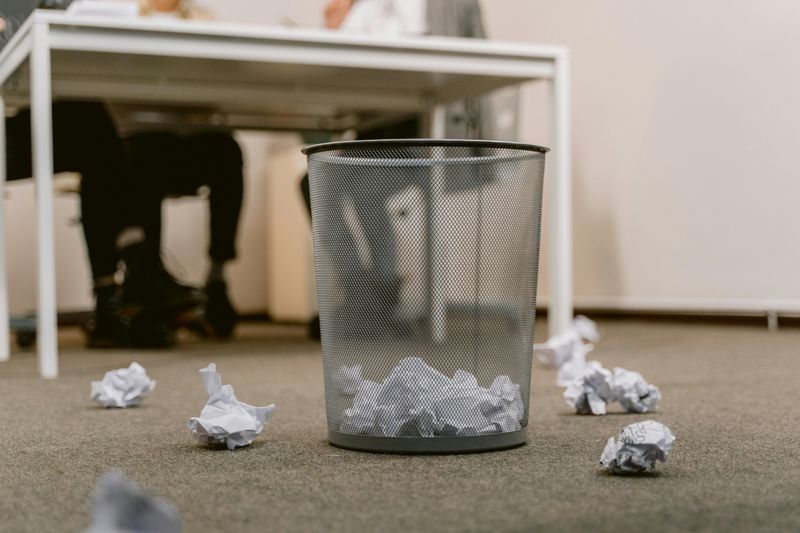
There’s a special kind of irritation that comes from cleaning up after adults who should know better.
When someone leaves dirty dishes in the sink, spills coffee and walks away, or lets mystery leftovers rot in the fridge, it communicates entitlement more than laziness.
The shared kitchen and common areas are not “someone else’s problem,” yet slobs treat them that way, assuming another person will handle the mess.
Over time, this creates a quiet imbalance where the same people become default cleaners, often without being asked, simply because they can’t stand the environment.
It also affects how coworkers perceive respect and professionalism, since a messy shared space suggests a lack of care for the people around you.
Even small habits like not replacing paper towels or finishing the last of something without restocking add up.
The message is clear: your time matters, mine doesn’t.
10. The “always late” person

Punctuality might seem minor until you’re the one repeatedly waiting, rescheduling, or stretching your day to accommodate someone else’s pattern.
When a coworker is consistently late to meetings, deadlines, or check-ins, it creates friction because it signals that everyone else’s time is optional.
It also disrupts momentum, since late arrivals often ask for recaps, repeat discussions, or shift decisions to another meeting.
Over time, the team starts building buffers, lowering expectations, and doing extra emotional labor to stay patient, which is tiring in itself.
Chronic lateness can be especially irritating when it’s paired with excuses that never change, or when the person seems relaxed while others scramble.
Being occasionally late is human, but being always late is a habit, and habits shape culture.
A workplace runs on shared respect, and time is one of the easiest ways to show it.
Comments
Loading…