
 Isabel Parker
10 Ways Moving Cities Changes Your Identity

Moving to a new city is like pressing the reset button on your life. Everything from the people you meet to the places you explore shapes who you become, subtly influencing your routines, preferences, and even the way you see yourself.
Whether you’re switching coasts or just crossing state lines, relocating challenges old assumptions, stretches your comfort zone, and transforms your identity in ways you might not expect until you’re fully immersed in the experience.
1. Your Accent and Speech Patterns Shift
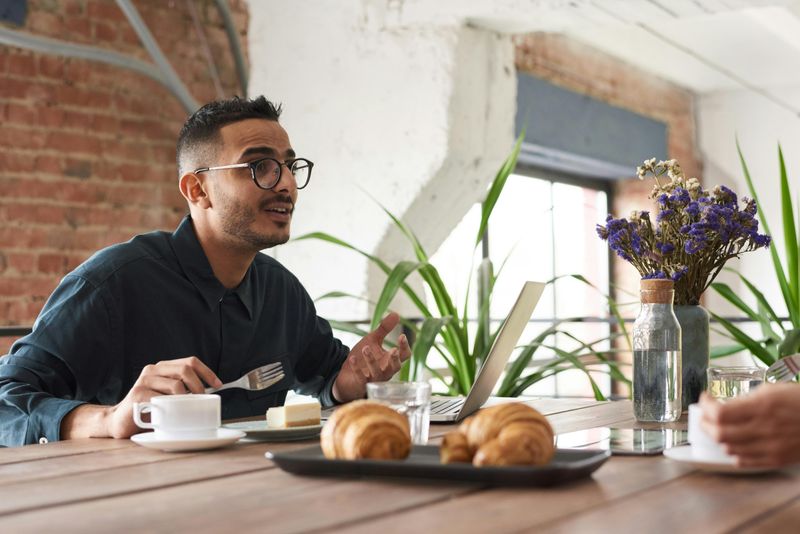
Within months of settling into a new place, you’ll notice your voice changing.
Regional phrases sneak into your vocabulary without you realizing it.
What you once called soda might become pop, or your pronunciation of certain words starts sounding different.
Friends from back home might tease you about your new way of speaking.
Your brain naturally adapts to fit in with the people around you.
This linguistic shift happens because humans are wired to connect through communication.
The transformation isn’t just about words but also rhythm and tone.
Your old accent doesn’t disappear completely, creating a unique blend that tells your relocation story.
2. Your Social Circle Completely Rebuilds

Starting over means building friendships from scratch, which fundamentally changes who you are.
Every new connection brings fresh perspectives that challenge your old assumptions.
You become more open-minded because you’re constantly meeting people from different backgrounds.
Gone are the friends who knew you in high school or college.
Instead, you’re surrounded by people who only know the current version of you.
This freedom lets you reinvent yourself without the weight of past expectations.
Making adult friends requires more effort than childhood friendships did.
You learn to be more intentional about relationships, which makes you appreciate genuine connections even more.
3. Your Daily Routines Transform Completely
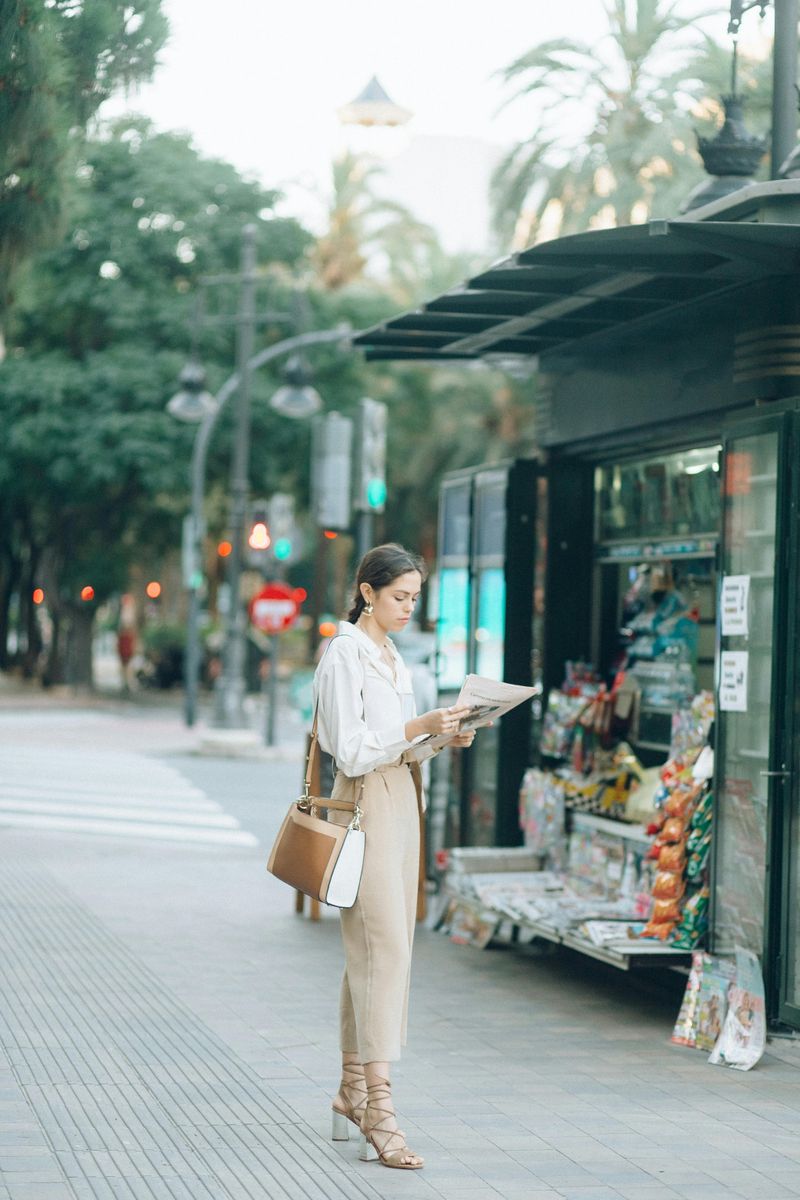
Everything about your day-to-day life gets reshuffled when you relocate.
The coffee shop you visited every morning no longer exists in your world.
Your commute changes, your grocery store is different, and even your sleep schedule might shift with new time zones.
These routine changes force you to become more adaptable and flexible.
You can’t rely on autopilot anymore because nothing is familiar.
This constant newness keeps your brain active and engaged with your surroundings.
Eventually, new habits form that reflect your current environment.
You become someone who takes the subway instead of driving, or who jogs by the ocean instead of through suburban streets.
4. Your Career Identity Evolves

Changing cities often coincides with career changes that redefine your professional self.
Maybe you’re taking a job in a new industry or finally pursuing that dream position.
The professional culture of your new city influences how you see yourself at work.
Different cities have different work-life balance expectations and office cultures.
You might find yourself working longer hours in a fast-paced metropolis or enjoying more relaxed afternoons in a smaller town.
These shifts affect how you prioritize career versus personal time.
Your professional network expands with new colleagues and industry contacts.
This broader perspective helps you see career possibilities you never considered before.
5. Your Taste in Food Radically Changes

Culinary adventures await when you move somewhere new, expanding your palate beyond recognition.
Regional specialties become your new comfort foods, replacing the dishes you grew up eating.
You discover ingredients and cooking styles that weren’t available in your old neighborhood.
Food is deeply tied to identity and culture, so changing what you eat changes who you are.
You become more adventurous, willing to try things that once seemed strange or intimidating.
Local food traditions teach you about your new community’s history and values.
Before long, you’re defending your new city’s pizza or barbecue style with surprising passion.
These culinary loyalties become part of your relocated identity.
6. Your Relationship with Nature Shifts

Geography shapes identity more than most people realize until they experience it firsthand.
Moving from mountains to beaches or from forests to deserts changes how you interact with the outdoors.
Your weekend activities adapt to whatever natural resources surround you now.
Someone who never thought about the ocean might become an avid surfer or beach walker.
A former city dweller might discover hiking and camping in their new mountainous home.
These new hobbies become central to your identity and how you spend free time.
The climate affects your mood, energy levels, and even health.
You become someone who thrives in sunshine or appreciates dramatic seasonal changes.
7. Your Political and Social Views Broaden

Exposure to different communities and perspectives inevitably influences your worldview.
Living in a new political climate challenges assumptions you held without questioning.
You meet people whose life experiences differ drastically from yours, teaching you empathy and understanding.
Cities have distinct political cultures that rub off on residents over time.
Whether you move somewhere more conservative or progressive, you’re forced to understand viewpoints outside your bubble.
This doesn’t necessarily change your core beliefs but adds nuance to your thinking.
You become more aware of issues that didn’t affect your previous community.
Local politics suddenly matter because they directly impact your daily life.
8. Your Sense of Independence Strengthens
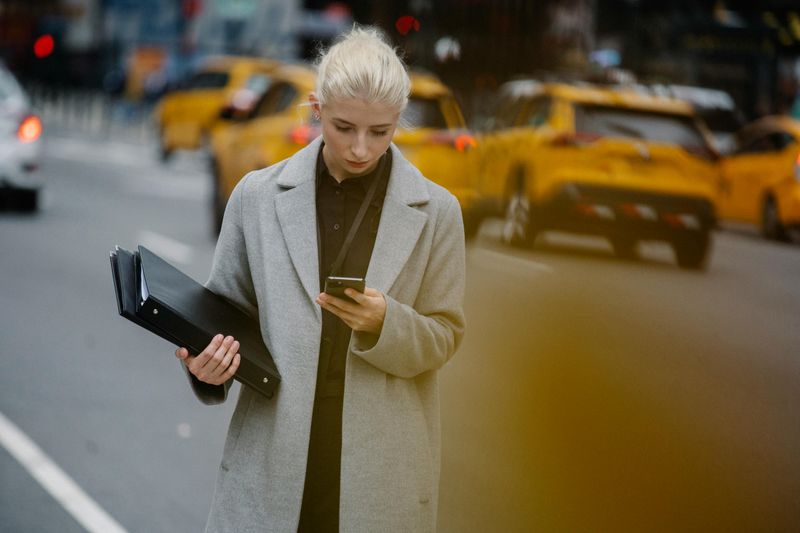
Nothing builds self-reliance quite like starting fresh without your established support system nearby.
You handle problems alone that you once would have asked family or old friends to help solve.
Every challenge you overcome reinforces your capability and confidence.
Simple tasks like finding a new doctor or getting your car registered become accomplishments.
You prove to yourself repeatedly that you can figure things out independently.
This growing self-assurance affects every aspect of your personality.
Distance from familiar safety nets forces personal growth that staying put never would.
You become the person who takes initiative rather than waiting for others to lead.
9. Your Style and Appearance Adapt
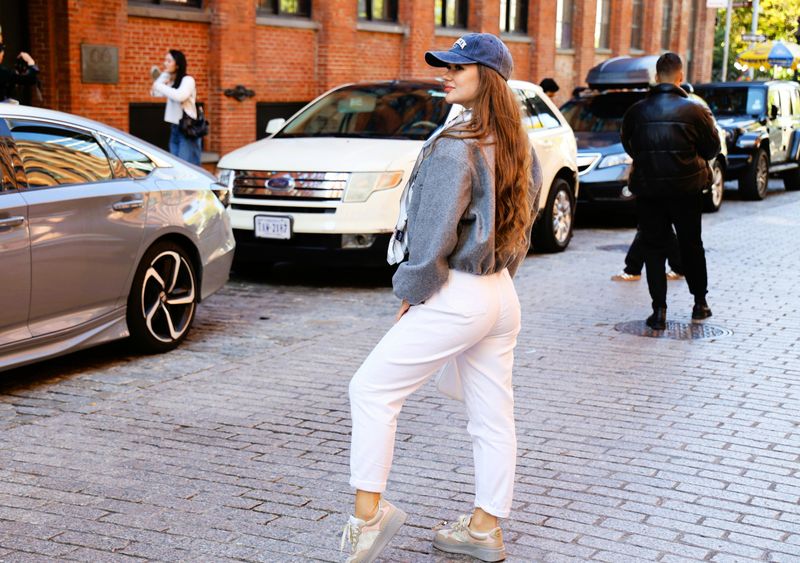
Fashion and personal style are heavily influenced by regional norms and climate needs.
What worked in your old city might feel completely out of place in your new home.
You start dressing differently to fit the weather, the local aesthetic, or the general vibe of your neighborhood.
Maybe you trade business casual for creative casual, or swap sneakers for hiking boots.
These wardrobe changes reflect deeper shifts in lifestyle and priorities.
Your appearance becomes a visual representation of your new environment.
Looking in the mirror, you see someone who belongs in this new place.
Your external transformation mirrors the internal changes happening beneath the surface.
10. Your Life Priorities Get Reorganized
Relocation forces you to examine what truly matters in life versus what you maintained out of habit.
Distance from old obligations creates space to reassess your goals and values.
You might realize that climbing the corporate ladder matters less than work-life balance, or that adventure matters more than stability.
Your new environment presents different opportunities that shift your ambitions.
Career paths available in your new city might not have existed back home.
The lifestyle your current location enables could align better with your authentic desires.
This recalibration of priorities is perhaps the most profound identity change.
You become someone who lives more intentionally, making choices that reflect your true self.
Comments
Loading…