
 Hailey Watson
10 Things You’ll Rarely Find Inside a Baby Boomer’s Home
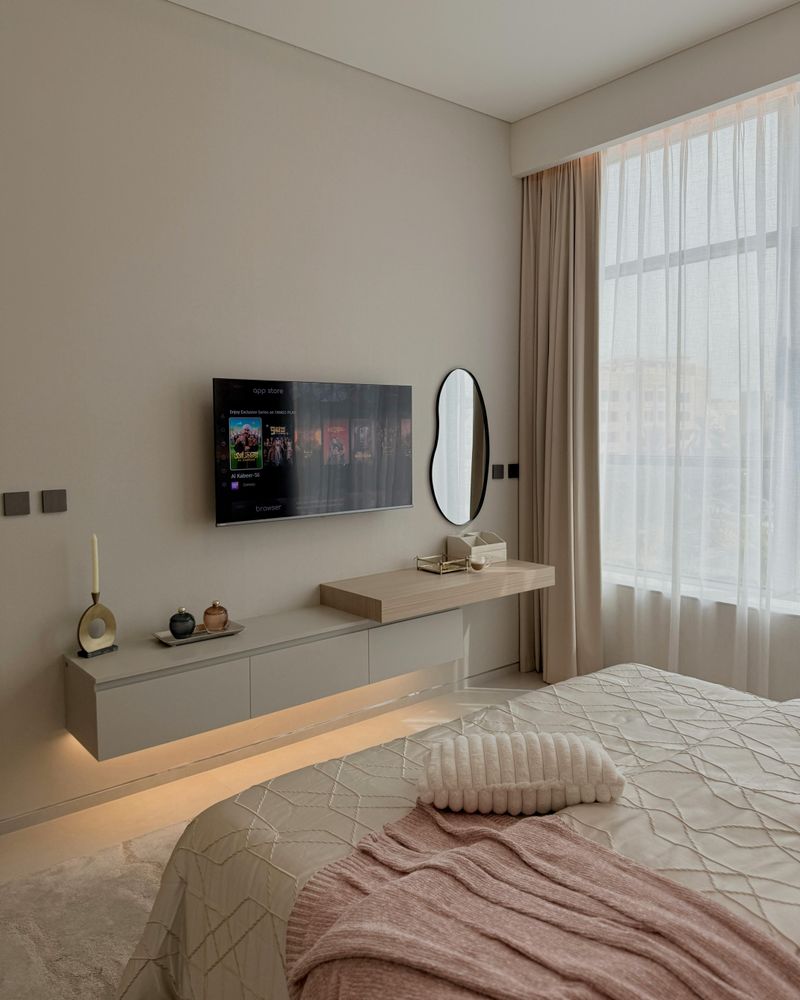
Baby Boomers grew up in a different era, and their homes reflect values shaped by decades of tradition, practicality, and timeless style.
While younger generations embrace ever-changing trends and tech-driven lifestyles, Boomer households tend to stick with what works—classic furniture, warm aesthetics, and tried-and-true layouts.
Walking into a Boomer’s home, you’ll notice certain modern items are conspicuously absent, replaced by choices that prioritize comfort, durability, and a sense of permanence.
1. Ultra-Minimalist Décor
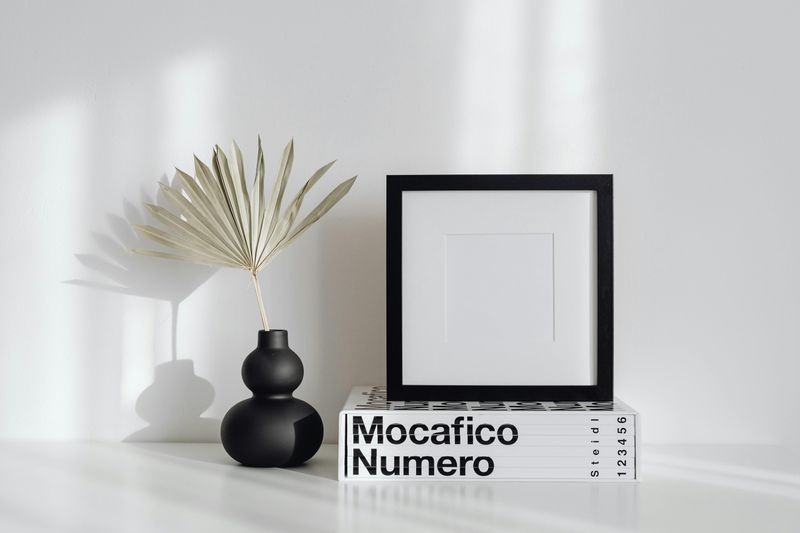
Walking into a Boomer home feels like stepping into a space filled with warmth and personality.
You won’t find bare walls or empty countertops here.
Instead, expect to see family photos, shelves lined with books and keepsakes, and furniture that tells a story.
Minimalism might be trendy among younger folks, but Boomers prefer rooms that feel lived-in and welcoming.
They value comfort over starkness, choosing plush sofas and rich wood tones rather than sleek, cold surfaces.
Their decorating philosophy centers on creating inviting spaces where guests feel at home.
Sparse Scandinavian designs just don’t resonate with a generation that appreciates abundance and tradition in their surroundings.
2. Open-Floor Plan Layouts
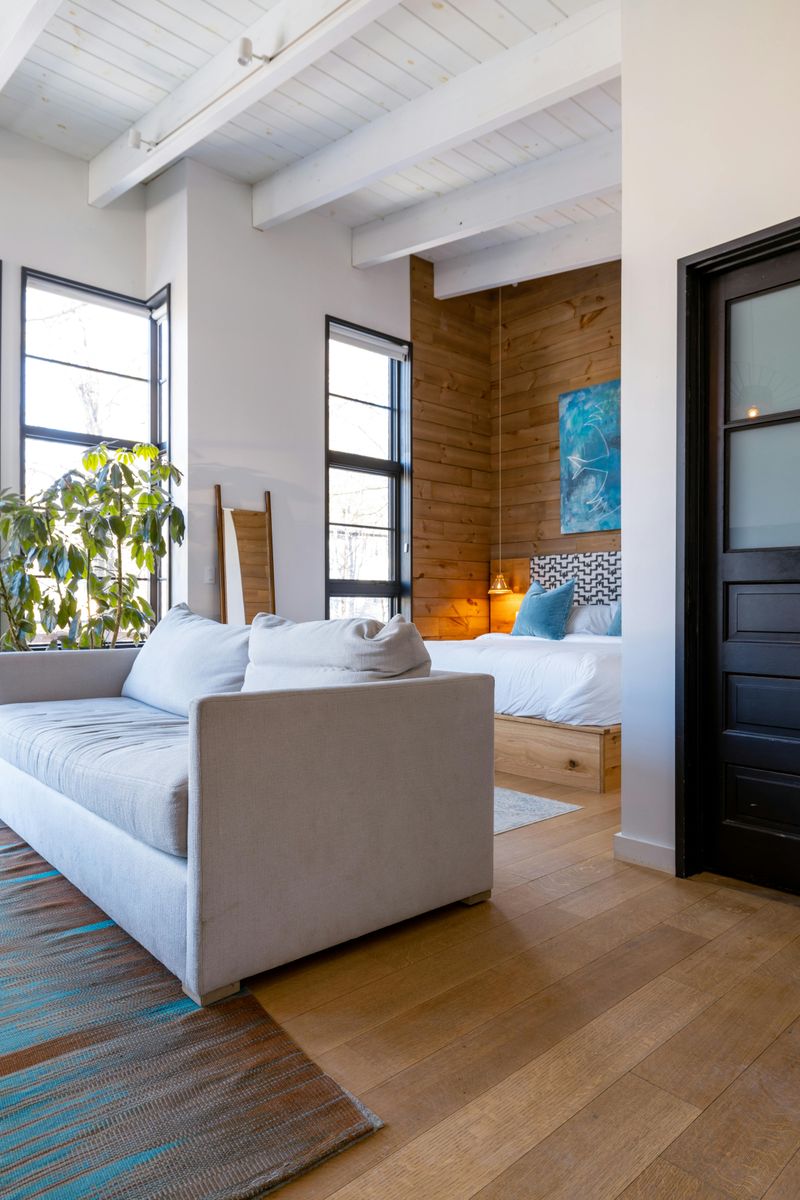
Boomers appreciate knowing exactly where one room ends and another begins.
Open-concept living might dominate modern home design, but older homeowners often find it impractical and noisy.
They grew up with distinct spaces for cooking, eating, and relaxing, and they see no reason to change that now.
Separate rooms offer privacy and noise control that open layouts can’t match.
When someone’s cooking dinner, the kitchen smells and sounds stay contained.
Conversations in the living room don’t interrupt activities in other areas.
For Boomers, clearly defined spaces create order and functionality that wide-open loft-style homes simply lack.
3. Open-Shelving Kitchens
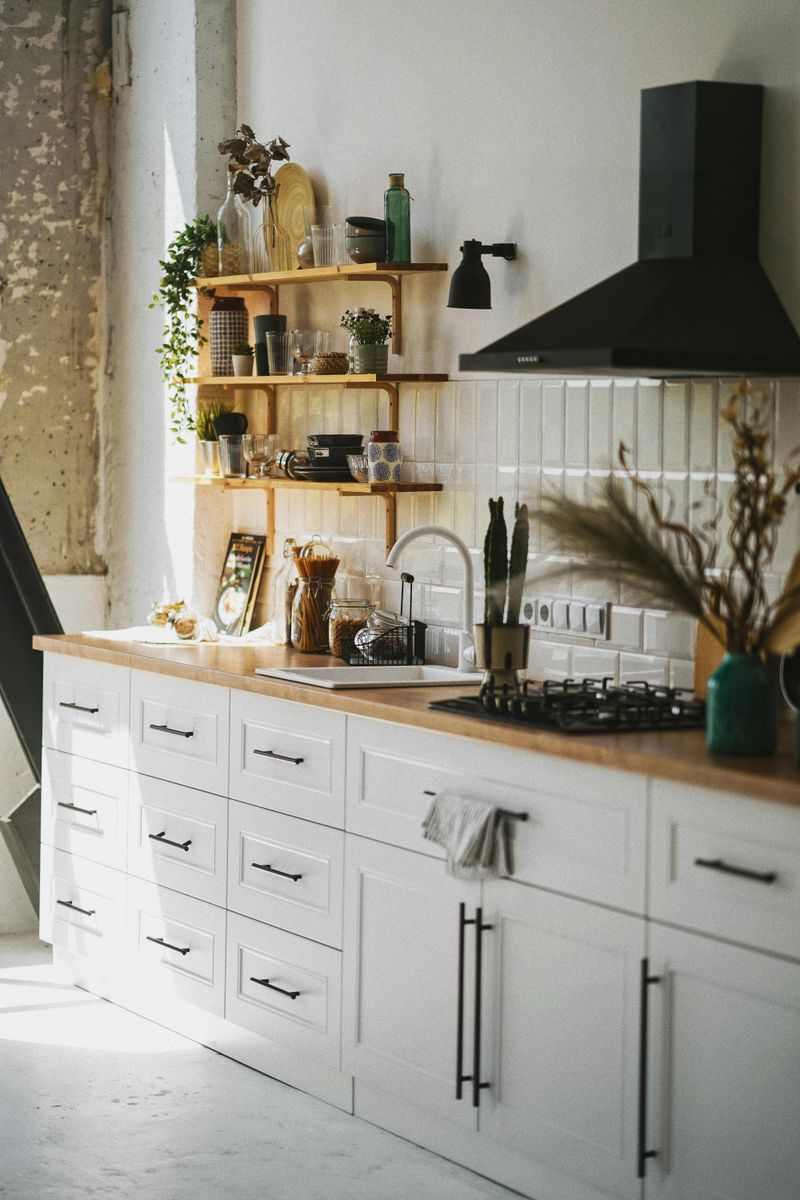
Exposed dishes and glassware might look Instagram-worthy, but Boomers know the reality behind those picture-perfect open shelves.
Dust accumulates quickly, items need constant rearranging, and everything must always look magazine-ready.
That’s exhausting.
Enclosed cabinets make more sense for everyday living.
They hide the mismatched mugs, the chipped plates still in rotation, and the random kitchen gadgets that don’t photograph well but get used regularly.
Cabinets also protect dishes from grease and grime that inevitably float through cooking spaces.
Boomers value practicality over aesthetics, choosing storage solutions that actually work for real life rather than social media.
4. Fast-Fashion or Disposable Décor
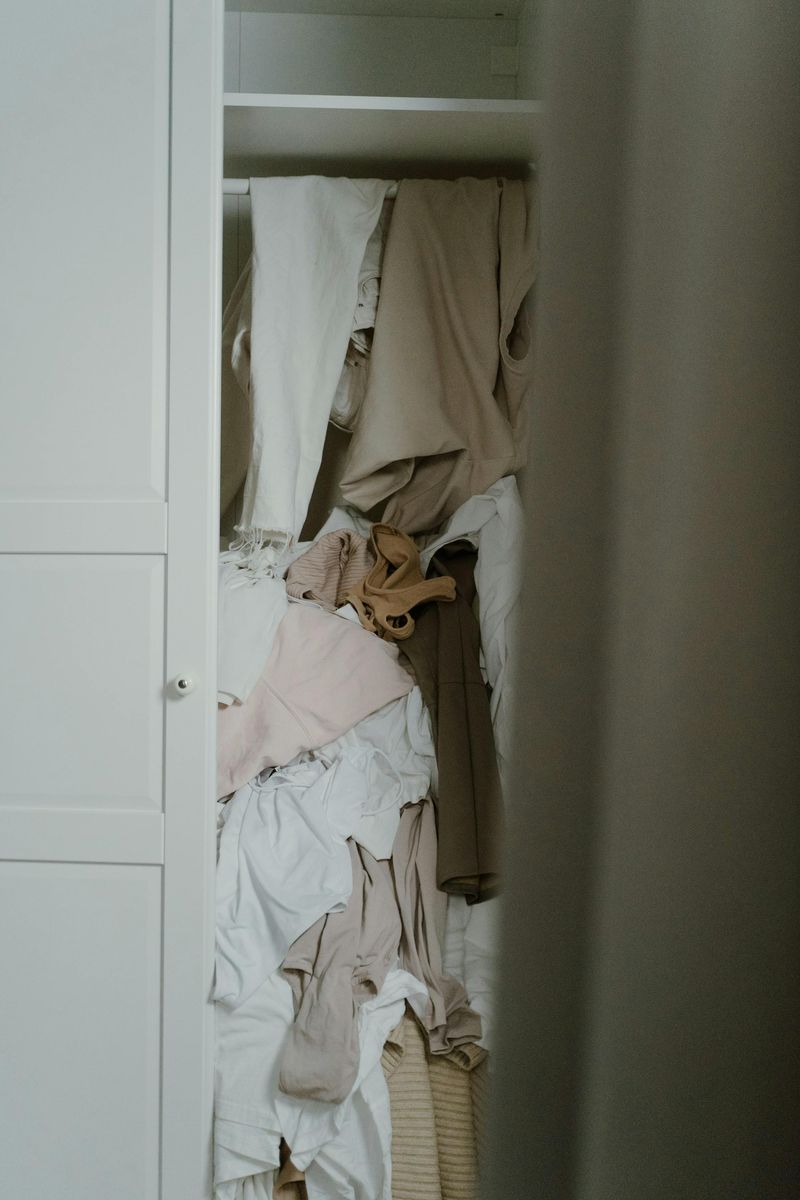
Quality matters more than trends when Boomers furnish their homes.
That solid oak dining table? It’s been hosting family dinners for thirty years and will likely last another thirty.
The well-made sofa?
Reupholstered once, but the frame remains rock-solid.
Cheap particle board furniture that falls apart after one move doesn’t appeal to this generation.
They remember when furniture was an investment, built to last through multiple decades and even passed down to children.
Seasonal décor swaps and disposable pieces feel wasteful to people who value longevity.
Boomers would rather buy once and buy right than constantly replace flimsy items chasing fleeting trends.
5. TikTok-Style LED Lighting
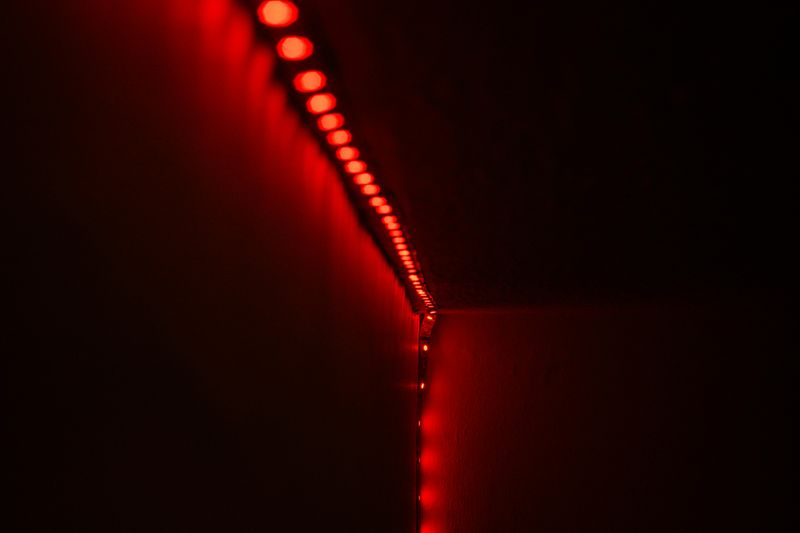
Color-changing strip lights and neon signs belong in nightclubs, not living rooms—at least according to Boomer sensibilities.
Those rainbow LED strips that younger generations stick behind TVs and under beds?
You won’t find them illuminating Boomer homes.
Traditional lighting choices reign supreme here: table lamps with fabric shades, overhead fixtures with warm bulbs, and maybe a dimmer switch for ambiance.
Lighting serves a functional purpose—helping people see—rather than creating a disco atmosphere or matching a mood.
The idea of programming lights to pulse with music or change colors throughout the day seems unnecessarily complicated when a simple lamp works perfectly fine.
6. Standing Desks or Gaming Chairs

Ergonomic office furniture marketed to gamers and remote workers hasn’t infiltrated most Boomer homes.
That racing-style gaming chair with neck pillows and adjustable everything?
Not happening.
Neither is the motorized standing desk that shifts between sitting and standing positions.
Boomers who need a home workspace typically use a traditional wooden desk paired with a comfortable chair—often an upholstered armchair or a simple office chair without flashy features.
They’ve been sitting at regular desks for decades without issue, so the sudden urgency to stand while working feels like unnecessary complication.
Comfort comes from familiarity, not from adopting every new workplace trend that promises better posture.
7. Subscription-Based Décor or Furniture Rentals
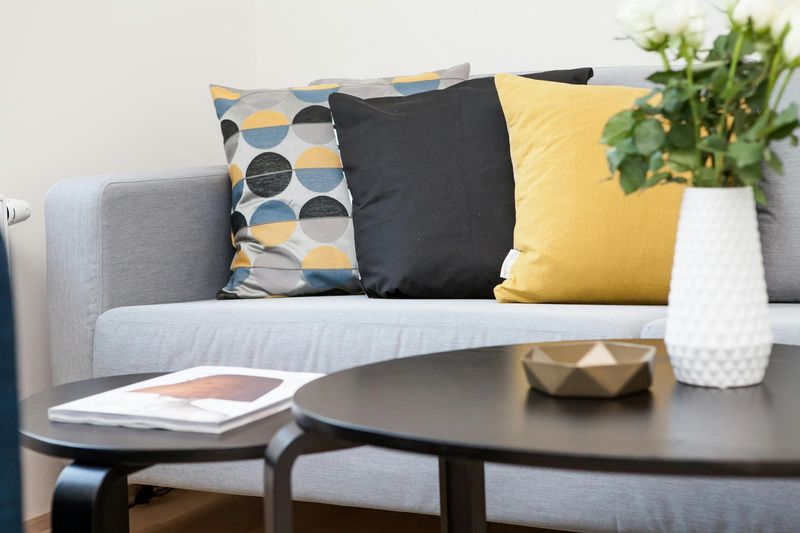
Renting furniture or subscribing to rotating décor boxes sounds bizarre to a generation that views home furnishings as permanent investments.
Why would anyone pay monthly fees for items they’ll never own?
Boomers buy furniture intending to keep it for decades, not swap it out seasonally.
The subscription economy hasn’t penetrated their approach to home decorating.
That throw pillow?
Purchased outright fifteen years ago and still going strong.
The artwork?
Bought on a memorable vacation and displayed ever since.
Temporary décor feels wasteful and financially foolish.
Ownership and permanence define Boomer home design, making rental furniture and subscription boxes completely foreign concepts.
8. Over-Themed Rooms
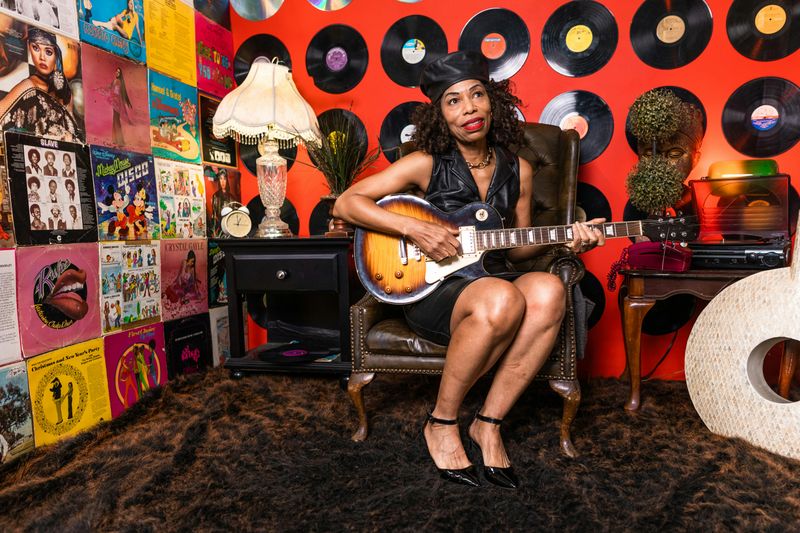
Highly stylized rooms dedicated to a single aesthetic—cottagecore bedrooms, dark academia studies, or maximalist jungle rooms—rarely appear in Boomer households.
These dramatic, Instagram-driven themes feel too theatrical for everyday living spaces.
Instead, Boomer homes feature cohesive décor that works together without screaming a particular trend.
Rooms blend harmoniously with neutral palettes, classic patterns, and coordinating colors that won’t feel dated next year.
The goal is timeless appeal rather than eye-catching drama.
Creating an entire room around a trendy aesthetic seems impractical when you plan to live with your choices for the next twenty years rather than redecorating constantly.
9. Wall-Mounted TVs with Hidden Cables
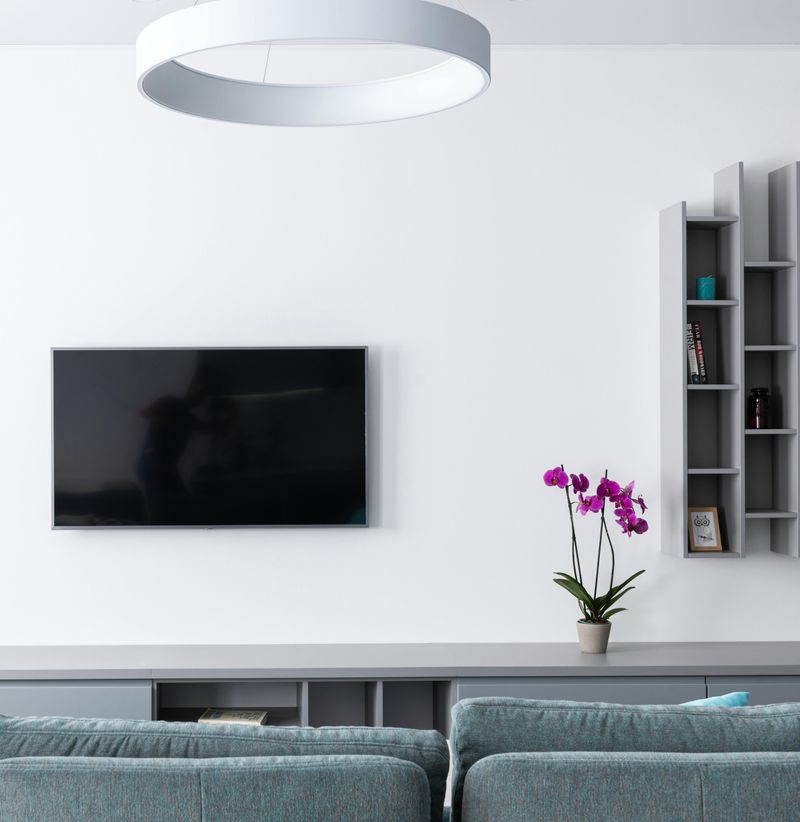
That sleek wall-mounted television with cables mysteriously hidden inside the walls?
Not standard in Boomer homes.
Many prefer traditional entertainment centers or sturdy TV stands that hold the television along with cable boxes, DVD players, and other components.
Wall mounting requires drilling holes, fishing cables through walls, and dealing with installation headaches.
It also makes rearranging furniture or upgrading equipment more complicated.
A TV stand offers flexibility—move it whenever you want, access connections easily, and add storage for media collections.
Visible wiring doesn’t bother
Boomers the way it might bother design-obsessed younger homeowners.
Functionality trumps achieving that ultra-modern mounted look every time.
10. Whole-Home Smart Gadgets
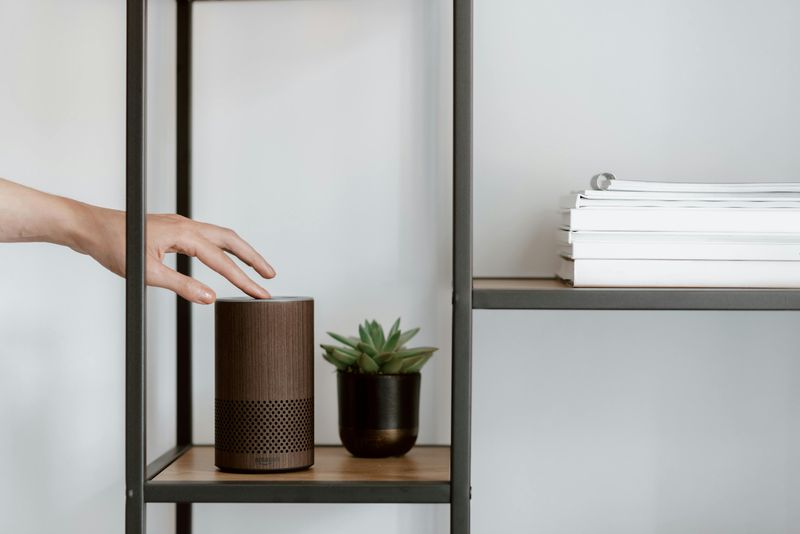
Voice-controlled everything sounds more complicated than convenient to many Boomers.
While some have adopted smart speakers or programmable thermostats, fully automated homes with smart refrigerators, app-controlled blinds, and voice-activated lights in every room remain uncommon.
Traditional appliances work perfectly fine without internet connections.
Light switches don’t need smartphone apps.
Thermostats have been adjustable for generations without requiring Wi-Fi.
The learning curve, subscription fees, and privacy concerns associated with smart home technology outweigh the benefits for many older homeowners.
Boomers appreciate simplicity and reliability over cutting-edge automation that might malfunction or require constant troubleshooting and updates.
Comments
Loading…