
 Isabel Parker
10 Things You Thought Were Normal Until You Grew Up
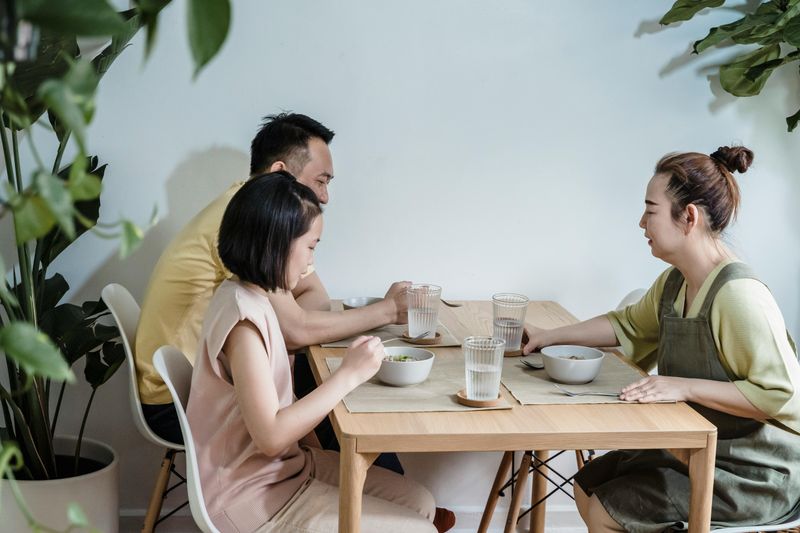
Growing up changes everything. What seemed totally normal as a kid suddenly feels strange when you’re older. You start noticing that not every family does things the same way, and some habits you thought were universal were actually pretty unique to your own home.
1. Eating Dinner at 4:30 PM

Some families eat dinner super early, like right after school gets out.
You probably thought everyone sat down for meatloaf and mashed potatoes before the sun even started setting.
Most households actually eat between 6 and 8 PM, giving parents time to come home from work and prepare meals.
Early dinner schedules often happen when parents work unusual hours or prefer getting evening chores done sooner.
Your friends probably found it weird when you couldn’t hang out past 5 PM because you already finished eating.
Now you realize timing varies wildly between families.
2. Wearing Shoes Inside the House

Tracking through your house with outdoor shoes felt completely natural and unremarkable.
You walked straight from the muddy yard onto the living room carpet without thinking twice about it.
Many cultures and families actually remove shoes at the door to keep floors clean and maintain respect for the home.
Shoes carry dirt, bacteria, and whatever else you stepped in throughout the day.
Your first visit to a shoes-off household probably felt awkward and overly formal.
Now you understand both sides have valid reasons, though keeping floors clean makes practical sense.
3. Parents Reading Your Diary

Privacy didn’t exist in your childhood home, and parents felt entitled to read your personal thoughts.
You might have discovered your diary moved or found parents confronting you about something you wrote privately.
Most child development experts actually recommend giving kids privacy to develop independence and trust.
Reading diaries breaks trust and teaches children to hide their feelings instead of expressing them.
You thought this level of surveillance was just good parenting until friends seemed shocked by it.
Healthy boundaries between parents and children matter more than you realized back then.
4. Having Separate Bathrooms for Guests
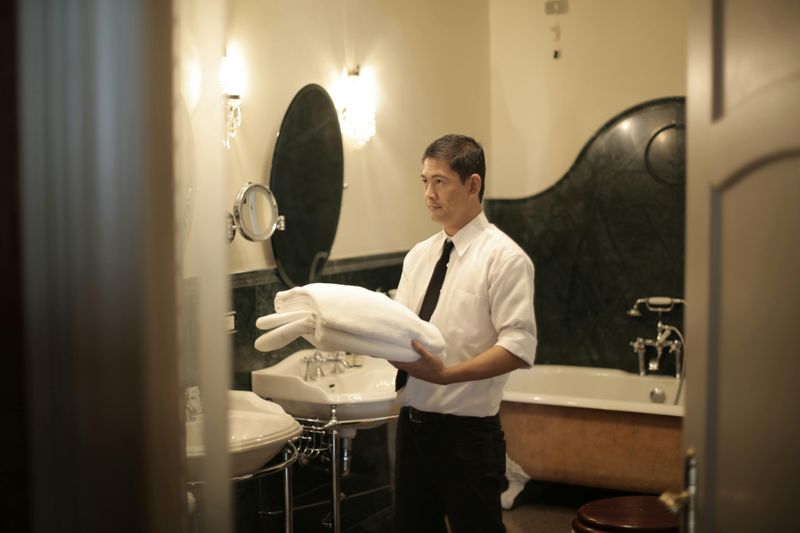
One bathroom stayed pristine and untouched, reserved exclusively for company that rarely came over.
Fancy soaps shaped like seashells and decorative towels you weren’t allowed to use gathered dust.
Most families actually use all their bathrooms regularly instead of keeping one as a museum.
This tradition often comes from wanting to impress guests and show your home’s best side.
You probably got in trouble for accidentally using the forbidden guest bathroom.
Now it seems silly to maintain an entire room that nobody actually uses for its intended purpose.
5. Rationing Hot Water

Five-minute showers were strictly enforced, and running out of hot water meant suffering through icy cold spray.
Your parents yelled if you took too long, making bath time feel rushed and stressful.
While conserving water and energy makes environmental sense, most modern homes have water heaters that handle reasonable shower lengths.
Extreme rationing usually indicates an old, small water heater or serious budget concerns.
Friends with unlimited hot water seemed to live in luxury you couldn’t imagine.
You now appreciate both conservation and the comfort of a properly heated shower without constant anxiety.
6. Butter on Everything

Vegetables, toast, rice, pasta, and even plain crackers got smothered in butter at every meal.
Your family treated butter like an essential food group that belonged on absolutely everything.
While butter tastes delicious, most nutritionists recommend moderation rather than coating every single food item.
This habit often comes from cultural traditions or simply growing up when dietary fat wasn’t as scrutinized.
Visiting friends’ houses revealed that not everyone automatically adds butter to their corn, green beans, and sandwiches.
Balance matters more than you understood when butter seemed like the magical ingredient that fixed all foods.
7. Turning Off the WiFi at Night

Every evening at bedtime, your parents unplugged the router like it was a safety hazard.
You couldn’t understand why internet access needed a curfew when it didn’t hurt anyone.
Some parents worry about radiation, electricity bills, or kids staying up too late on devices.
Most households actually leave their WiFi running continuously without issues.
Your friends thought this rule was bizarre and overly controlling when you explained it.
Screen time limits make sense, but completely shutting down internet seems extreme compared to teaching responsible usage and setting reasonable boundaries instead.
8. Yelling Instead of Walking to Another Room

Communication in your house happened through shouting across multiple rooms and floors.
Nobody walked to find the person they needed to talk to, they just screamed louder.
Many families actually get up and speak to each other face-to-face rather than yelling constantly.
This habit creates a chaotic, loud household where everyone’s business becomes everyone else’s business.
Friends visiting your house probably found the constant shouting overwhelming and stressful.
Respectful communication involves making the effort to actually approach someone rather than treating your home like a sports stadium.
9. Keeping the House Freezing Cold
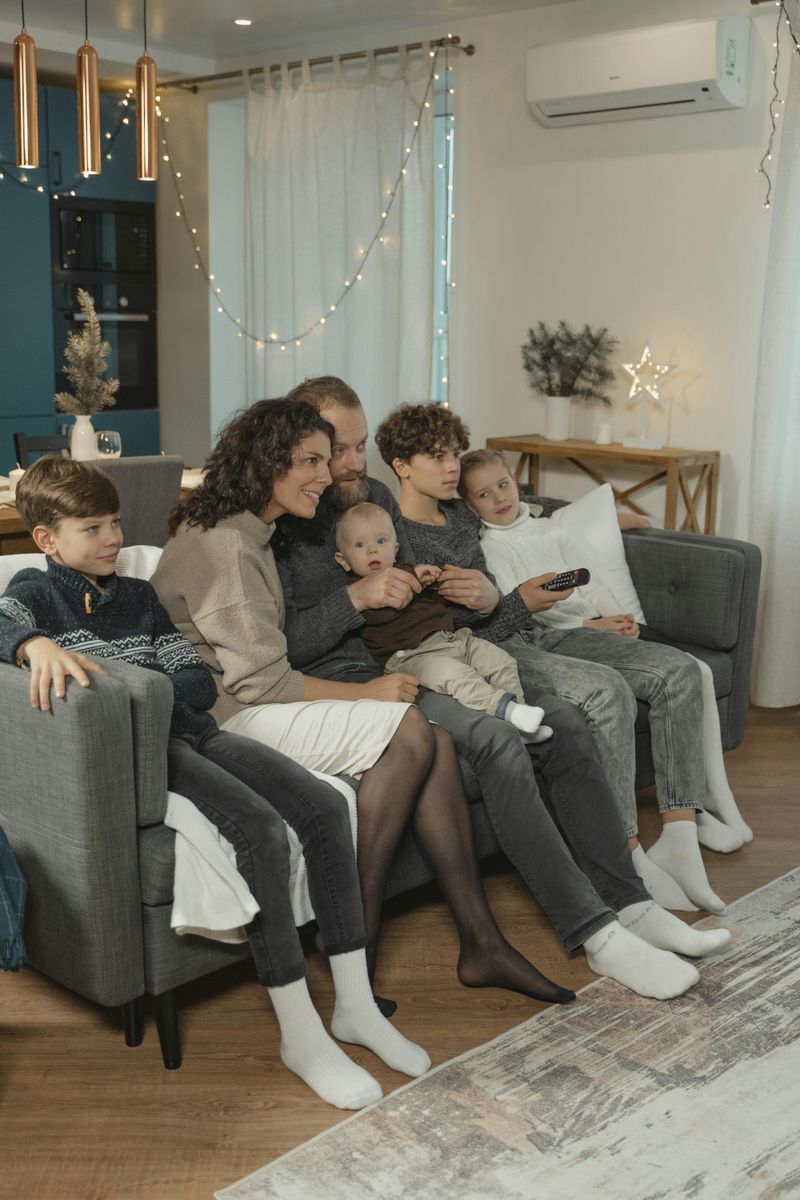
Winter meant piling on sweaters, blankets, and hats inside because the thermostat stayed at 60 degrees.
Your parents acted like raising the temperature one degree would bankrupt the entire family.
Most homes maintain comfortable temperatures around 68-72 degrees rather than creating an indoor icebox.
Extreme temperature control usually relates to high heating costs or extreme frugality.
Friends complained about being cold when visiting during winter months.
Balance between saving money and basic comfort makes more sense now that you understand heating bills but also value not shivering constantly indoors.
10. Rewashing Disposable Plates
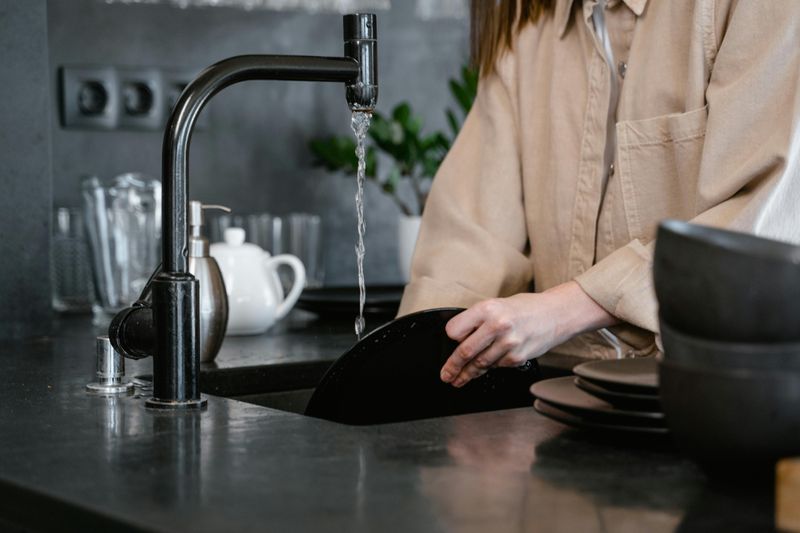
Paper plates got washed, dried, and reused multiple times until they fell apart completely.
Your family defeated the entire purpose of disposable items by treating them like regular dishes.
The cost of water and soap for washing paper plates probably exceeds just using real plates.
This extreme frugality comes from depression-era thinking or growing up with very limited resources.
Friends found this practice hilarious and confusing when they witnessed it firsthand.
Sometimes being frugal crosses into impractical territory where the effort outweighs any actual savings or environmental benefits gained.
Comments
Loading…