
 Hailey Watson
10 Things We All Think We’re Good At — But Aren’t

We all have those skills we’re secretly proud of, convinced we’re better at them than most people.
Maybe you think you’re an amazing driver or a natural comedian.
The truth is, most of us overestimate our abilities in certain areas, and recognizing this can actually help us grow and improve.
1. Driving

Ask any group of drivers, and most will claim they’re above average behind the wheel.
Yet traffic accidents happen every single day, often caused by simple mistakes like misjudging distances or getting distracted.
Many drivers think they can multitask while driving, but research shows our brains aren’t built for it.
We overestimate how quickly we can react in emergencies.
Even experienced drivers make poor decisions, like following too closely or speeding in bad weather.
Just because you haven’t had an accident doesn’t mean you’re a great driver—sometimes it’s just luck keeping you safe on the road.
2. Listening

Most people believe they’re excellent listeners, nodding along during conversations and occasionally saying “uh-huh.”
But true listening means more than just hearing words—it requires focus and understanding.
When someone’s talking, are you really absorbing what they say, or are you planning your response?
Studies show we retain only about 25% of what we hear in conversations.
Distractions like phones, wandering thoughts, or environmental noise pull our attention away constantly.
Good listening takes practice and intention.
Next time someone shares something important, try putting your phone down and making eye contact—you might be surprised how much more you actually hear and remember.
3. Cooking
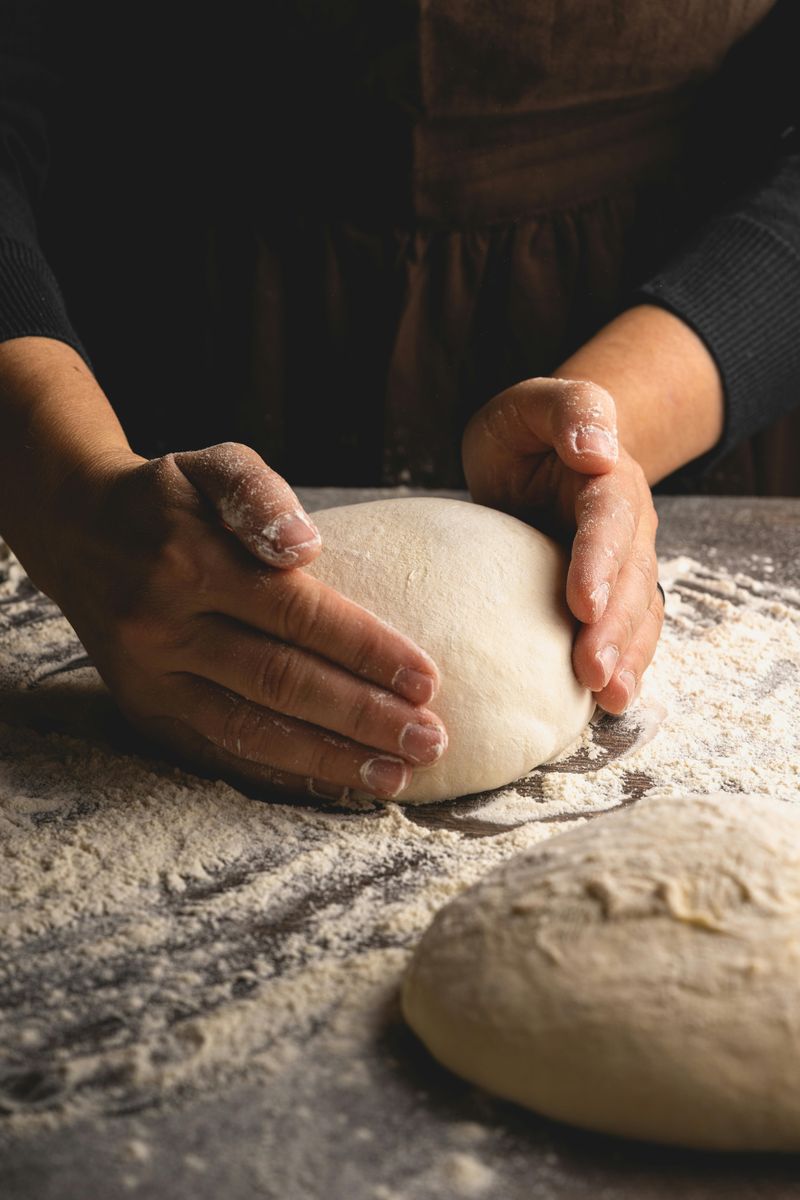
Following a recipe seems simple enough, right?
Yet many home cooks struggle with basic techniques like properly seasoning food or knowing when meat is cooked through.
Cooking shows make everything look effortless, but professional chefs train for years to master their craft.
Temperature control, knife skills, and timing all require practice most of us haven’t put in.
That casserole you’re proud of might taste good to you, but it probably wouldn’t impress a culinary expert.
Real cooking involves understanding flavor profiles, proper techniques, and adjusting recipes on the fly—skills that go way beyond microwaving leftovers or boiling pasta.
4. Telling Jokes

You might crack yourself up, but that doesn’t mean everyone else finds you hilarious.
Comedy is incredibly difficult, requiring perfect timing, delivery, and reading your audience.
Many people confuse being loud or silly with being funny.
They repeat jokes they heard online or tell long stories that never quite land.
The awkward silence after your punchline?
That’s a sign.
Professional comedians spend years honing their material and learning what works.
Your friends might laugh politely at your jokes, but that’s often just good manners.
True humor connects with people emotionally and intellectually—something that takes real skill to pull off consistently.
5. Singing

Belting out tunes in the shower or car feels amazing, but that doesn’t make you the next pop star.
Singing well requires breath control, pitch accuracy, and vocal technique most people simply don’t have.
Your friends might not tell you the truth when you do karaoke, choosing kindness over honesty.
Meanwhile, you’re convinced you nailed that high note when you actually missed it by a mile.
Professional singers train their voices like athletes train their bodies.
They understand musicality, dynamics, and how to stay on pitch consistently.
Unless you’ve had formal training, chances are your shower concerts sound better to you than to anyone listening outside the bathroom door.
6. Avoiding Drama

“I hate drama” is something drama-prone people say constantly.
They genuinely believe they stay out of conflicts, yet somehow drama always seems to find them.
The reality?
If you’re always surrounded by drama, you might be the common denominator.
People who truly avoid drama don’t talk about avoiding it—they simply don’t engage with gossip or unnecessary conflict.
Maybe you share “just one” piece of gossip, or you give your opinion when nobody asked.
These small actions create ripples that turn into waves.
Genuinely drama-free people choose their battles carefully, keep confidences, and don’t insert themselves into other people’s problems unless specifically asked for help.
7. Being Humble

“I’m probably the most humble person you’ll ever meet,” sounds ridiculous, right?
Yet many people pride themselves on humility while constantly fishing for compliments or downplaying achievements for attention.
True humility means not drawing attention to yourself at all.
It’s quietly helping others without expecting recognition or credit.
When you constantly mention how humble you are, or use self-deprecating humor to get people to disagree and praise you, that’s not humility—that’s insecurity disguised as modesty.
Genuinely humble people don’t announce their virtues.
They let their actions speak quietly, focus on others’ accomplishments, and accept compliments gracefully without turning them into opportunities to talk more about themselves.
8. Multitasking

Switching between your phone, laptop, and TV while eating dinner might feel productive, but science says otherwise.
Our brains don’t actually multitask—they rapidly switch between tasks, losing efficiency each time.
Studies show multitaskers make more mistakes and take longer to complete tasks than people who focus on one thing.
Yet we convince ourselves we’re different, special somehow.
That email you wrote during a meeting?
Probably full of typos.
The conversation you had while scrolling social media?
You missed half of it.
Real productivity comes from deep focus on single tasks, giving each your full attention before moving to the next one.
9. Reading People

Ever meet someone and instantly “know” what kind of person they are?
That confidence in your judgment might be misplaced.
Humans are complex, and snap judgments are often wrong.
We think we can detect lies, read body language, or sense intentions, but research shows most people perform barely better than chance at these skills.
Our biases cloud our perceptions constantly.
You might pride yourself on being a good judge of character, yet we’ve all been surprised by someone we thought we knew well.
Cultural differences, personal experiences, and our own prejudices affect how we interpret others’ behavior.
Professional profilers train for years—your gut feeling isn’t nearly as reliable as you think it is.
10. Giving Advice

Having opinions about other people’s problems feels easy when you’re not living through them.
Many of us love dispensing wisdom, convinced our perspective is exactly what someone needs to hear.
But good advice requires deep understanding of someone’s unique situation, not just generic platitudes or what worked for you once.
Different people need different approaches.
Unless you’re a trained therapist or counselor, your advice might do more harm than good.
Sometimes people need to vent, not receive solutions.
That friend who keeps coming back with the same problem?
Maybe your advice isn’t as brilliant as you think.
Listening without immediately jumping to fix everything is often more valuable than any wisdom you could share.
Comments
Loading…