
 Chloe Peterson
10 Things Everyone Pretends They Don’t Do

We all have little habits and quirks that we’d rather keep to ourselves. Some things feel too embarrassing to admit out loud, even though nearly everyone does them. From awkward social moments to private routines, these behaviors connect us more than we realize. Ready to discover what secretly makes us all human?
1. Smelling Your Own Clothes Before Wearing Them

Ever pulled a shirt from the laundry basket and given it a quick sniff test? You’re definitely not alone in this daily ritual.
Most people secretly check whether their clothes need washing by smelling them first. It saves time, water, and energy when you realize that hoodie can survive another day. Plus, your nose knows better than your eyes whether something truly needs a wash.
While nobody brags about this habit at dinner parties, it’s actually pretty practical. Clean-looking clothes can hide odors, so a quick smell check prevents awkward situations later. Next time you do it, remember millions of others are doing the exact same thing right now.
2. Rehearsing Conversations in the Shower

Your shower transforms into a practice stage where you become the world’s greatest debater. Imaginary arguments get won, perfect comebacks finally arrive on time, and difficult conversations go exactly as planned.
Many people spend shower time mentally scripting important talks or replaying past conversations with better responses. Your brain loves this safe space to prepare for real-world interactions. Unfortunately, actual conversations rarely follow your carefully rehearsed script.
This mental rehearsal isn’t weird—it’s your mind trying to reduce anxiety about upcoming situations. Whether you’re preparing for a job interview or thinking of what you should have said yesterday, the shower remains your private rehearsal studio.
3. Checking Your Phone Immediately After Putting It Down

You just checked your phone thirty seconds ago. Nothing new appeared. Yet here you are, unlocking it again for absolutely no reason.
This endless loop affects nearly everyone with a smartphone. Your brain craves that little dopamine hit from notifications, even imaginary ones. Sometimes you unlock your phone, stare blankly at the home screen, then lock it again without purpose.
Scientists call this “phantom vibration syndrome” when extended to feeling fake notifications. Your phone becomes a security blanket that you touch constantly throughout the day. Breaking this cycle takes real effort, but recognizing the pattern is an important first step toward healthier phone habits.
4. Pretending to Understand Things You Actually Don’t

Someone starts explaining blockchain technology or discussing complex wine notes, and you nod enthusiastically. Inside, you’re completely lost but too embarrassed to admit it.
Faking comprehension happens more often than anyone admits. Social pressure makes us pretend we understand cryptocurrency, political theories, or cultural references we’ve never actually researched. Asking for clarification feels risky when everyone else seems to get it.
Here’s the truth: those other nodding heads are probably just as confused as you. Most people fake understanding to avoid looking uninformed or slowing down conversations. Ironically, admitting confusion often reveals that others were pretending too, leading to more honest and helpful discussions.
5. Avoiding People You Know in Public

Spotted someone from work at the grocery store? Time to suddenly become very interested in those canned beans you’d never actually buy.
Pretending not to see acquaintances in public saves us from awkward small talk we’re not mentally prepared for. You might duck into another aisle, fake a phone call, or develop laser focus on your shopping list. Social energy is limited, and sometimes you just can’t handle another “How’s it going?” conversation.
This avoidance strategy is universal and completely normal. It doesn’t mean you dislike the person—you simply need to control your social interactions. Everyone does this occasionally, so don’t feel guilty about your expert dodging skills.
6. Overthinking Every Text Message You Send

Should you use a period or not? Does that exclamation point seem too enthusiastic? Maybe add an emoji to soften the tone?
Crafting the perfect text message can take several minutes of careful editing. You analyze every word choice, punctuation mark, and emoji placement like you’re writing a legal document. Then you wait anxiously to see how they respond, wondering if your message conveyed the right tone.
This overthinking stems from text lacking vocal tone and facial expressions. Without those cues, we worry about misinterpretation. Fun fact: most recipients spend far less time analyzing your message than you spent writing it. Your careful word choices probably go unnoticed while you stress unnecessarily.
7. Judging Others for Things You Also Do

Nothing feels quite as hypocritical as criticizing someone for excessive phone use while you’re literally scrolling through social media.
We all judge others for behaviors we regularly exhibit ourselves. Someone cuts you off in traffic, and you’re furious—conveniently forgetting you did the same thing yesterday. This psychological blind spot is called the fundamental attribution error, where we excuse our own mistakes but judge others harshly for identical actions.
Recognizing this double standard helps build empathy and self-awareness. When you catch yourself being hypocritical, it’s an opportunity for growth rather than shame. Everyone struggles with this inconsistency because we naturally view our own actions more charitably than others’ behaviors.
8. Pressing Snooze Multiple Times Every Morning
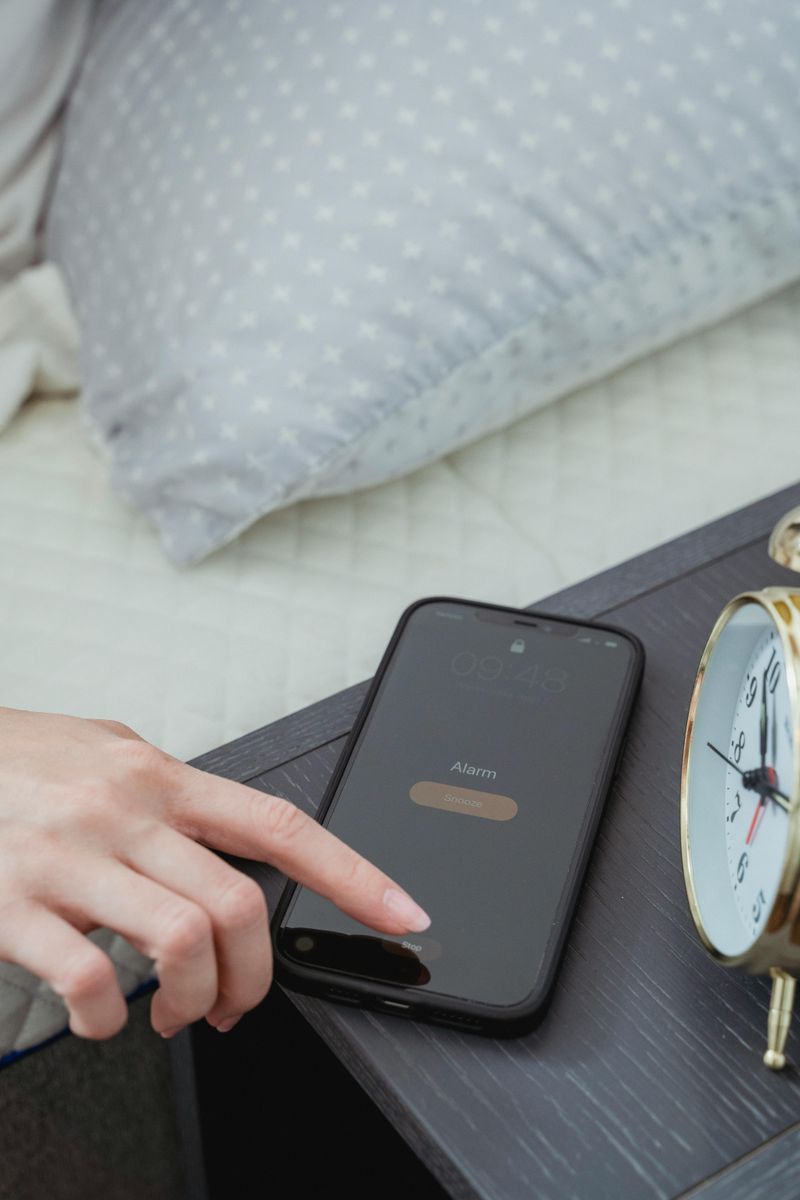
Your alarm screams at 6:30 AM. Just nine more minutes, you promise yourself. Then another nine. And maybe just one more after that.
The snooze button becomes your worst enemy and best friend simultaneously. Those fragmented mini-sleeps don’t actually provide rest—they make you groggier. Scientists confirm that interrupted sleep cycles leave you feeling worse than just getting up initially. Yet millions of people worldwide continue this frustrating morning ritual.
Breaking the snooze habit requires placing your alarm across the room or using apps that force you awake. Despite knowing it’s counterproductive, that snooze button remains irresistibly tempting when you’re half-asleep and your bed feels like a cloud.
9. Pretending You’ve Read Books or Watched Shows You Haven’t

Everyone’s discussing that bestseller or popular series, and you nod along knowingly despite never opening the book or watching a single episode.
Cultural pressure to stay current with popular media leads many people to fake familiarity. You might skim summaries online or pick up references from conversations to maintain the illusion. Admitting you haven’t experienced something widely popular feels like confessing ignorance, even though reading and watching preferences are completely personal.
Here’s permission to be honest: it’s okay not to consume every popular book, show, or movie. Your time and interests matter more than keeping up appearances. Most people appreciate genuine curiosity over fake expertise, and admitting gaps in knowledge often leads to better recommendations.
10. Letting Out Gas and Hoping Nobody Notices

It happens to everyone, yet we act like we’re the only ones. That natural bodily function strikes at the worst possible moment, and you pray it goes unnoticed.
Passing gas is completely normal—adults do it between 10 to 20 times daily. Despite this biological reality, social etiquette demands we pretend it never happens. You might shift positions, cough strategically, or walk away quickly to distance yourself from the evidence. Public settings make this natural process feel mortifying.
The awkward truth? Everyone around you does the exact same thing and employs similar cover-up tactics. Our collective pretending creates unnecessary embarrassment around a universal human experience that nobody can actually avoid.
Comments
Loading…