
 Chloe Peterson
10 Things Classy, Elegant People Never Do in Public

Elegance isn’t about owning expensive things, having perfect posture, or knowing which fork to use at brunch.
It’s a quiet kind of confidence that shows up in small choices, especially when nobody is watching.
The truly elegant person doesn’t chase attention, because they’re not trying to prove anything.
They move through the world with restraint, respect, and a sense of ease that makes other people feel safe.
That’s why elegance is less about “being polished” and more about what you refuse to do, even on a bad day.
When you stop the behaviors that create tension, your presence instantly feels calmer and more refined.
Here are ten things genuinely elegant people avoid, along with what they do instead when life gets messy.
1. They never name-drop or brag

Real elegance has nothing to do with impressing strangers with your résumé or your connections.
Instead of listing achievements, an elegant person shares stories that are relevant and leaves the “proof” unspoken.
They understand that bragging rarely builds respect, because it often sounds like insecurity dressed up as confidence.
When someone compliments them, they accept it with grace rather than turning it into a humblebrag or a competition.
They also don’t use social settings as networking auditions, where every sentence is a subtle advertisement.
If a moment calls for sharing credentials, they do it plainly, without theatrics or extra sparkle.
The result is powerful: people feel relaxed around them, and admiration grows naturally without being forced.
2. They never interrupt

Good manners aren’t just about saying the right words, because they’re also about giving others room to speak.
An elegant person listens long enough to understand, not just long enough to reload their next point.
They resist the urge to jump in, even when they’re excited, nervous, or certain they’re right.
That pause communicates respect, and it signals that the conversation isn’t a race to be the smartest.
When someone is rambling, they don’t cut them off sharply; they guide the moment with gentle questions.
In disagreements, they let the other person finish, then respond to what was actually said.
Over time, this habit makes them seem calm, confident, and emotionally steady in a way that stands out.
3. They never gossip or share someone else’s secrets

True sophistication shows up when you’re trusted with information and you choose discretion anyway.
Elegant people avoid gossip because it turns relationships into entertainment, and it eventually poisons the room.
They know that repeating someone’s story, even “just to vent,” teaches others not to confide in them.
When a conversation turns mean, they don’t lecture; they redirect with kindness or change the subject smoothly.
They also don’t bond by tearing someone down, because they prefer connection that doesn’t require a target.
If they need support, they speak in general terms and focus on their feelings, not someone else’s flaws.
That protective instinct is why elegant people often feel safe, loyal, and surprisingly rare.
4. They never make a scene in public

Dignity shows up when tempers rise. You will not catch them shouting across a restaurant or delivering cutting jokes to score points.
If something needs handling, they lower their voice and handle it.
Public drama may feel powerful, but it drains credibility fast.
They choose composure, short sentences, and a graceful exit when necessary. Later, they address the issue privately and thoroughly.
People remember how you made them feel. Calm energy steadies the room and sets a higher standard.
The quiet choice is the elegant one, especially when everyone else is watching.
5. They never look down on service workers (or anyone)
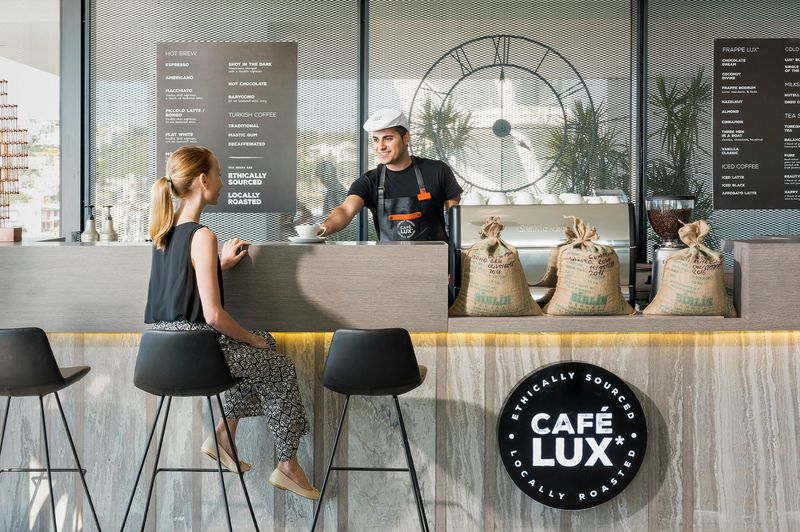
Character shows up at the counter. Polite eye contact, a warm greeting, and a sincere thank you are non negotiable.
Titles do not determine how they treat people.
They know service work runs the world, so respect comes first. Mistakes happen, and they address them with clarity, not contempt.
That attitude turns interactions smoother for everyone in line.
When you speak to people like partners, they often meet you there. Graciousness costs nothing and pays daily dividends.
Elegance is kindness practiced out loud, especially when no one is keeping score.
6. They never over-explain or overshare

Classy conversation feels light and intentional. You get warmth without a full autobiography at the first hello.
They answer clearly, then leave comfortable space for curiosity.
Over-explaining can sound like apologizing for existing. Instead, they use simple sentences, own decisions, and keep private details private.
Boundaries make room for genuine connection, not performative vulnerability.
When more context is needed, they offer just enough and stop. You feel respected, not overwhelmed.
That balance keeps interactions elegant, memorable, and easy to revisit.
7. They never fish for compliments

Self deprecation can be charming in small doses, but baiting praise is not.
You will not hear them say I look awful or I am terrible just to reel in reassurance. Quiet confidence does the heavy lifting.
They accept compliments directly and move forward. A simple thank you is enough, without a counter argument.
That response respects the giver and keeps the moment clean.
When insecurity rises, they work on skills, not scripts. The focus returns to contribution, not validation.
Elegant people let their work glow without asking for applause.
8. They never weaponize manners

Politeness should never be a blade.
Elegant people refuse to hide insults behind bless your heart or sharp little smiles. Courtesy serves kindness, not control.
They say what they mean, gently and directly. No sugar coated put downs, no rules used to make others feel small.
Real etiquette creates comfort and clarity for everyone present.
When boundaries are needed, they set them without theatrics. A calm no or not for me works fine.
The room feels safer because respect is honest, not performative.
9. They never complain constantly

Problems happen, but constant venting exhausts the room.
They acknowledge the issue, define the next step, and keep moving. That habit turns setbacks into momentum.
Gratitude and perspective do not ignore reality.
They balance a clear-eyed read of the facts with solution focused language. People feel energized, not dragged into a spiral.
When a rant starts forming, they set a timer or take a walk. Then they return with a plan and a lighter voice.
Optimism becomes practical, and the vibe stays classy.
10. They never try to dominate the room

Presence does not require volume. They listen, share the floor, and let ideas breathe.
People lean in because they feel invited, not steamrolled.
When speaking, they keep it concise and aim for value.
Questions outnumber monologues, and credit is distributed generously. That approach builds allies and creates better outcomes.
If the spotlight lands, they use it to lift others. The quiet leader sets tone and tempo without taking all the air.
Elegance is power without noise, and it lasts.
Comments
Loading…