
 Jade Reed
10 Things Boomers Refuse to Toss That Baffle Younger Generations
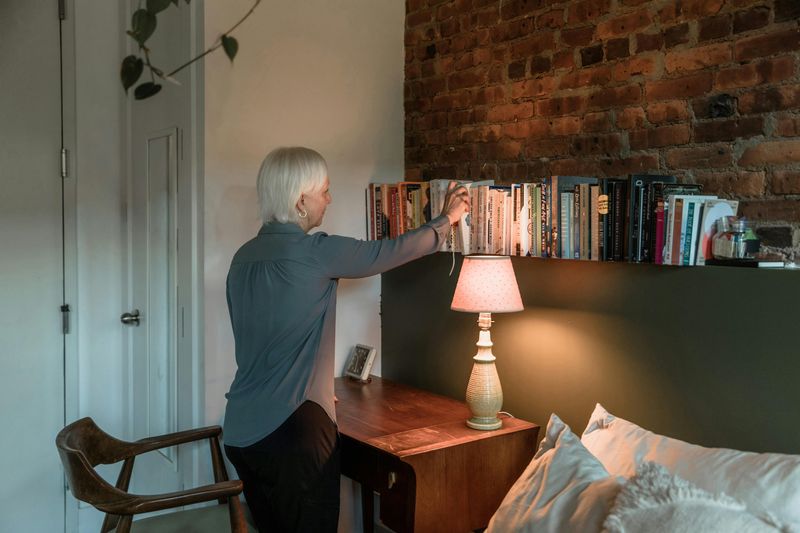
Walk into a Baby Boomer’s home and you might find stacks of yellowed newspapers, shelves crammed with vinyl records, and closets full of photo albums gathering dust.
While younger generations embrace minimalism and digital storage, many Boomers hold tight to physical items that seem outdated or unnecessary to Millennials and Gen Z.
These cherished possessions carry memories, emotions, and connections to a time before everything went digital, making them impossible to part with despite baffled looks from their kids and grandkids.
1. Boxes of Handwritten Letters and Cards
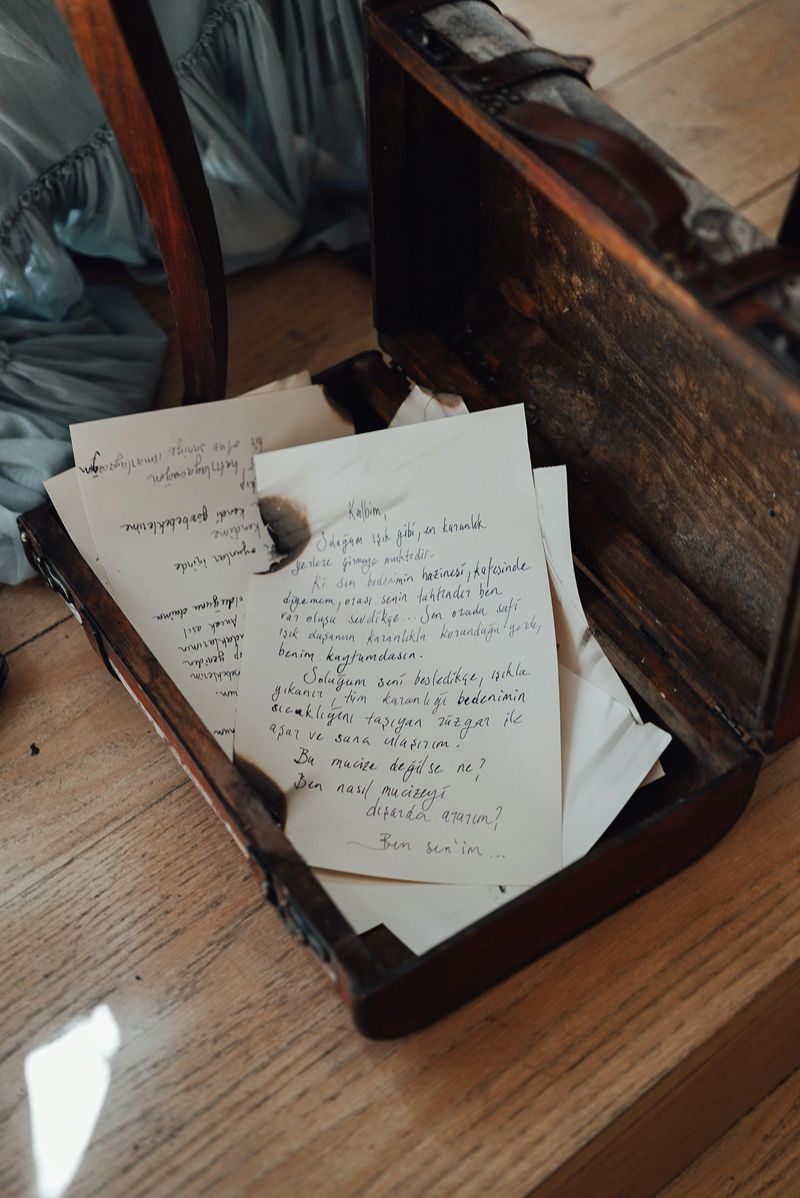
Tucked away in closets and attic corners, shoeboxes of old letters represent something irreplaceable to Boomers.
Each envelope carries the unique handwriting of someone they loved, complete with crossed-out words, margin doodles, and sometimes even a faint trace of perfume or cologne.
These aren’t just words on paper—they’re physical artifacts of relationships.
Younger generations may wonder why anyone keeps stacks of paper when texts and emails are searchable and space-free.
But holding a letter from a grandmother decades ago feels different than scrolling a thread.
The texture, ink, and aged paper anchor memories.
Digital messages vanish; these letters endure forever.
2. Complete Sets of Fine China
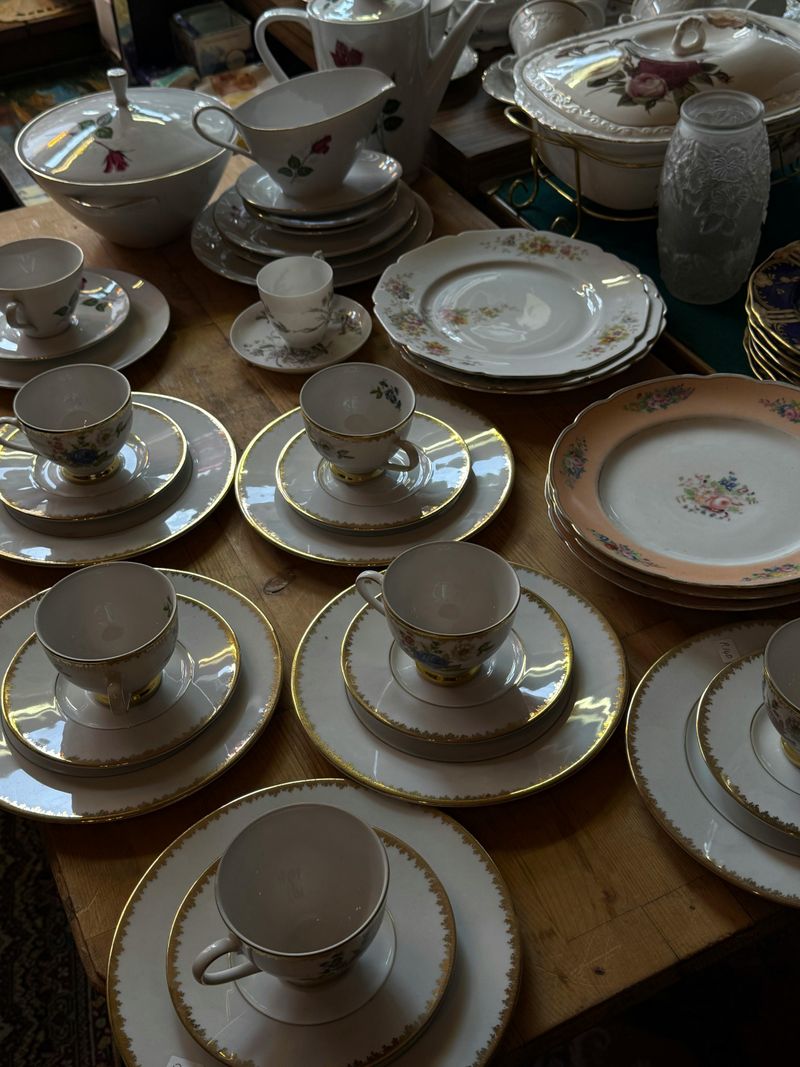
Ask a Boomer about their china cabinet and expect stories of weddings and holidays.
These matching dish sets weren’t casually bought but slowly collected over many years.
Many pieces arrived as gifts tied to milestones like marriages and anniversaries.
Every plate has seen Thanksgiving dinners, birthdays, and carefully planned family gatherings.
Younger generations raised on mismatched plates often see fragile china as unnecessary.
Hand-washing special dishes feels impractical in a fast, casual lifestyle.
Boomers view china as a visual record of family traditions.
Unpacking it signals that the occasion truly matters.
Setting a formal table creates a sense of importance.
Careful washing and storing connects them to generations before.
3. Physical Photo Albums and Loose Photographs
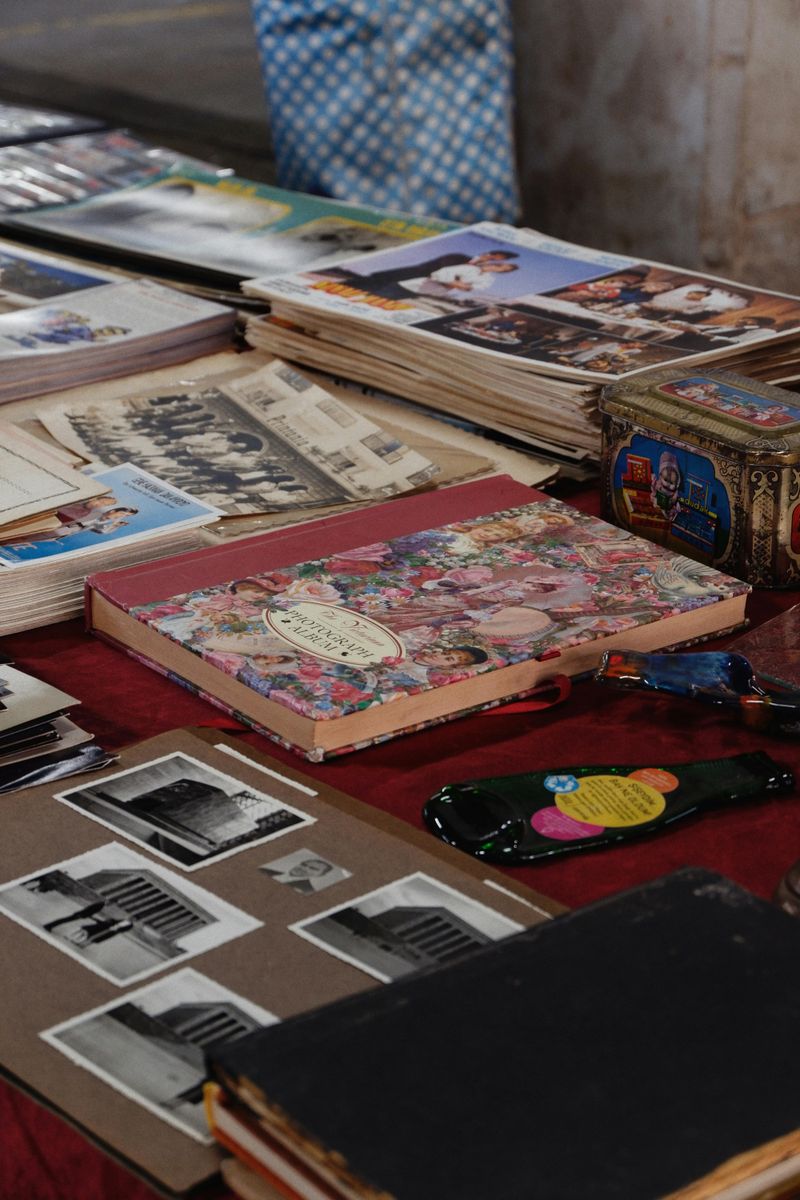
Before smartphones turned everyone into photographers, taking pictures meant something different.
You only had 24 or 36 shots per roll of film, so every click mattered.
You wouldn’t see the results for days or even weeks.
When Boomers flip through photo albums, they remember the anticipation of picking up developed photos.
There was real excitement in seeing which shots turned out well.
Many albums include handwritten dates, places, and names in the margins.
That added context is something digital files often lack.
Younger generations may prefer scanned photos for convenience and sharing.
But the weight of an album, blurred shots, and sticky pages add meaning.
These collections exist because someone cared enough to preserve real moments.
4. Collections of Vinyl Records and CDs
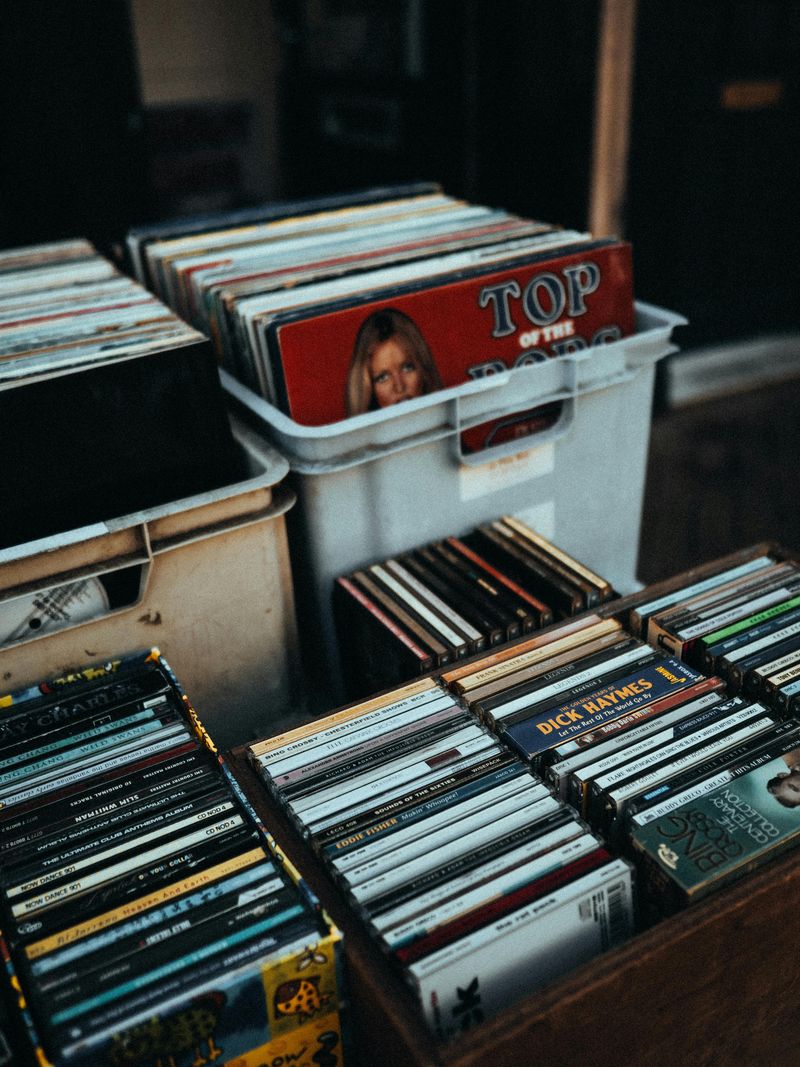
Music streaming offers millions of songs instantly, but Boomers remember when owning music felt personal.
Buying an album was an investment that required saving money and making careful choices.
You’d play the same record repeatedly until every lyric and riff was memorized.
Album art mattered and was studied while listening from start to finish.
Younger generations question physical media in a world dominated by streaming.
For Boomers, music collections represent identity and youth.
Each album recalls where it was bought or who introduced the band.
Some bring memories of relationships or specific life moments.
Selecting a record and placing it on a turntable felt intentional.
Even unused today, those albums prove who they were and what mattered.
5. Outdated Kitchen Appliances That Still Work
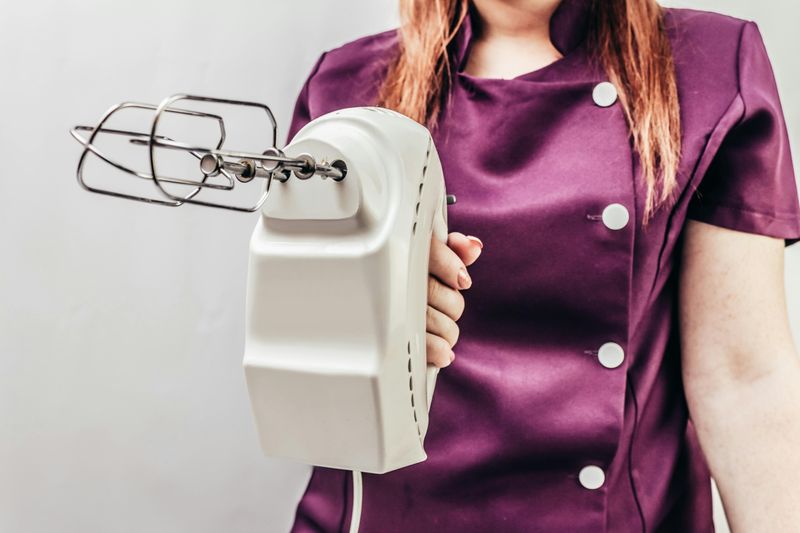
That avocado-green stand mixer from 1972 may look outdated next to modern appliances.
But try telling a Boomer to replace something that still works flawlessly.
These machines were built when products were designed to last for decades.
Many have mixed thousands of cookie batches and kneaded endless loaves of bread.
They’ve survived moves, remodels, and multiple kitchen trends.
Younger generations point to newer models with extra features and sleeker designs.
Boomers argue nothing matches the durability of these old workhorses.
Beyond performance, the appliances carry memories of Sunday mornings and birthdays.
Some mixers made cakes for three generations of children.
Replacing them feels wasteful, disloyal, and like losing a trusted family companion.
6. Stacks of Recipe Cards and Cookbooks

Splattered with decades of cooking mishaps, these recipe collections tell family stories through food.
Many cards are filled with margin notes like “add more garlic” or “Uncle Bob’s favorite.”
They often feature the unmistakable handwriting of mothers or grandmothers no longer around.
That makes them irreplaceable heirlooms, not just cooking tools.
Even the stains matter, proving a dish was made and loved repeatedly.
When younger relatives suggest finding recipes online, Boomers push back.
These aren’t just instructions for making food.
They’re links to family traditions and cultural heritage.
Online versions can’t capture personal tweaks or shared kitchen memories.
Tossing them would erase the exact flavors that defined childhood and holidays.
7. Sentimental Furniture Pieces That Don’t Match Modern Décor
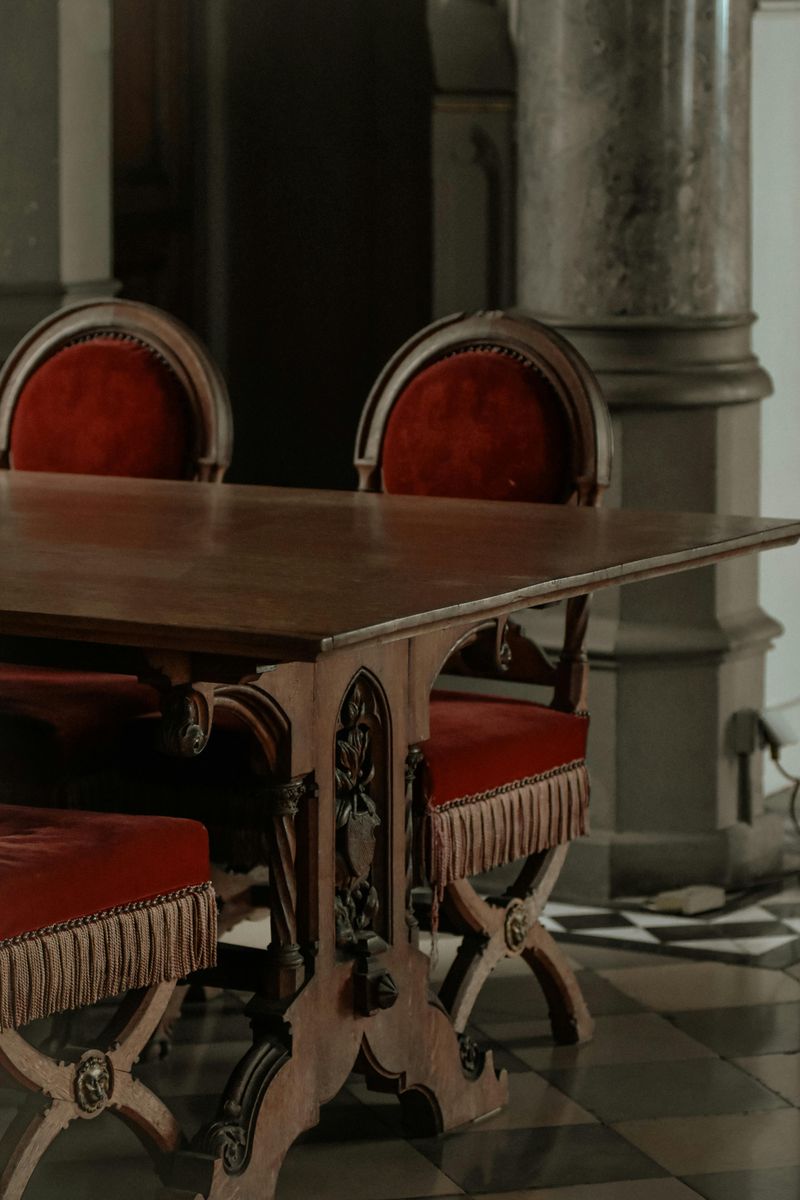
That heavy oak dining table may clash with minimalist modern design trends.
But it’s where a Boomer’s family gathered for decades of meals and conversations.
Homework was done there alongside late-night talks and holiday dinners.
Furniture from earlier generations was built with solid wood and lasting craftsmanship.
Every scratch and water ring tells a story from everyday family life.
Younger generations prefer lighter, trend-driven furniture that’s easy to replace.
Bulky heirloom pieces often feel outdated to them.
Boomers see these items as more than functional objects.
They’ve witnessed births, losses, celebrations, and ordinary moments.
Letting go feels like betraying the family history embedded in the wood.
8. Books We’ll Never Read Again
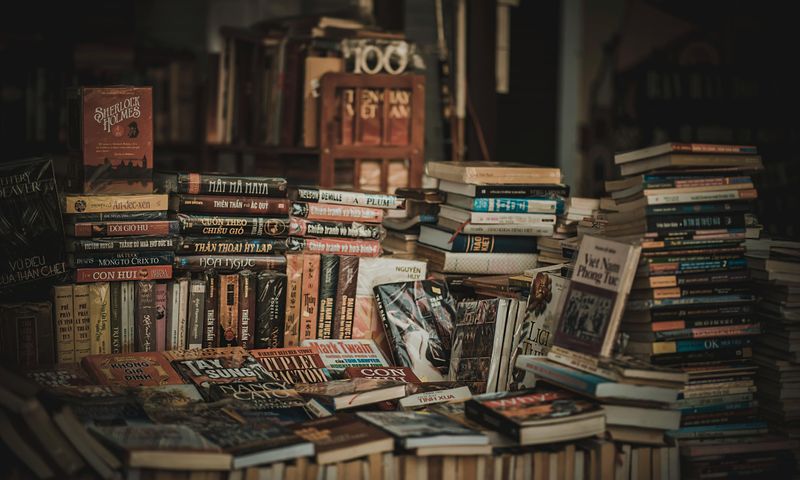
Boomers grew up when owning books signaled education and sophistication.
Personal libraries were status symbols guests browsed and commented on.
Each book represents not just a story but who they were when they read it.
Some recall college years with philosophy texts or early parenting guides.
Others mark retirement by finally tackling classic literature.
Together, the shelves form a timeline of intellectual growth.
Younger generations question the need for unread or never-reread books.
E-readers and libraries make the argument logical but incomplete.
These books feel like old friends lining the room.
Clearing shelves can feel like erasing identity, history, and a lived-in sense of self.
9. Stacks of Old Magazines and Newspapers
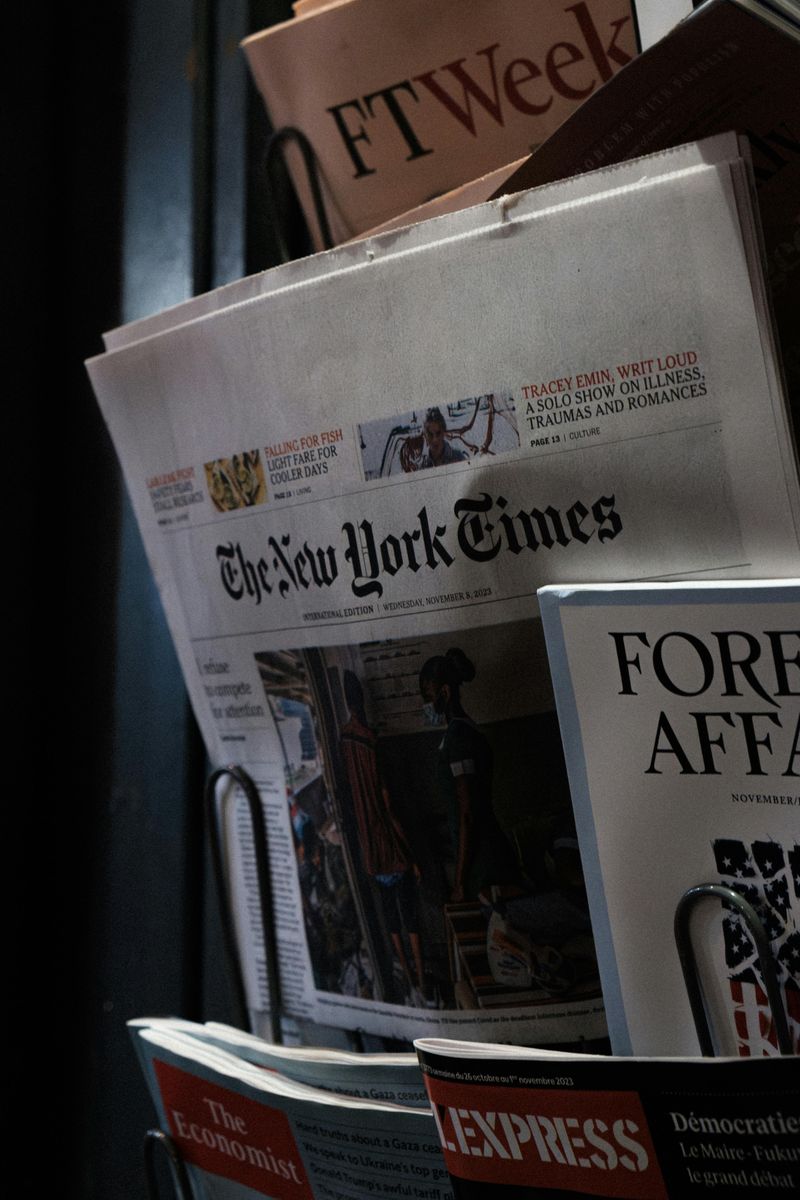
Mention Marie Kondo to a Boomer with newspaper stacks, and expect a passionate defense.
Many saved papers from moon landings, elections, and championships.
They believed they were preserving history for future generations.
These weren’t just news stories but firsthand records of living through major moments.
Old ads and layouts capture cultural context digital archives often miss.
Magazine collections reflect hobbies, passions, and different life phases.
Younger generations argue everything is digitized and searchable online.
Boomers insist holding the original feels more authentic.
The musty smell and yellowed pages trigger vivid memories.
Though bulky and dusty, these publications serve as proof they witnessed history firsthand.
10. VHS Tapes, Cassette Tapes, and Other Obsolete Media
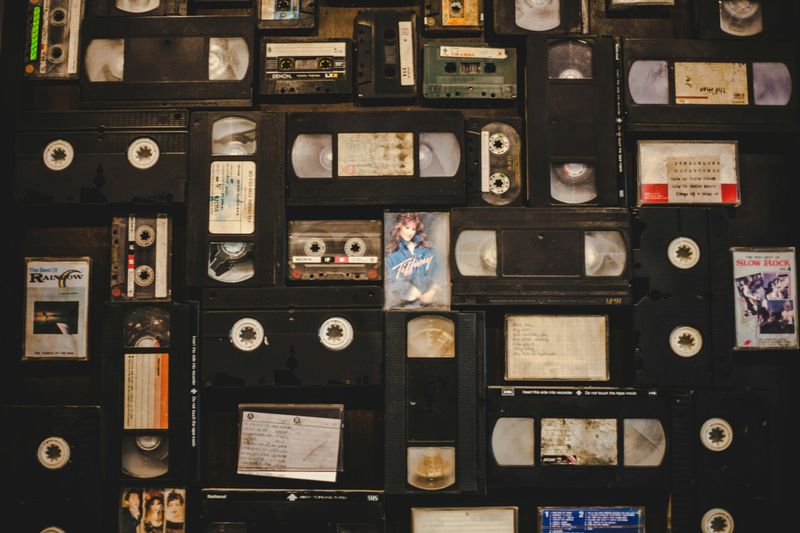
Those VHS tapes of recorded shows and family videos hold hours of memories Boomers can’t discard.
Recording television before streaming required careful planning and perfect timing.
Successfully taping a show felt like a small but meaningful achievement.
Home videos captured first steps, birthdays, and vacations on fragile formats.
Many tapes are difficult or impossible to play today.
Younger generations suggest digitizing everything for convenience.
The process often feels expensive, time-consuming, and overwhelming.
Mixed cassette tapes represent carefully curated emotions and friendships.
Playlists can’t fully replace that personal effort.
Even obsolete, these tapes symbolize intention, patience, and moments too valuable to lose.
Comments
Loading…