
 Hailey Watson
10 Things Americans Stopped Buying — And Don’t Regret It
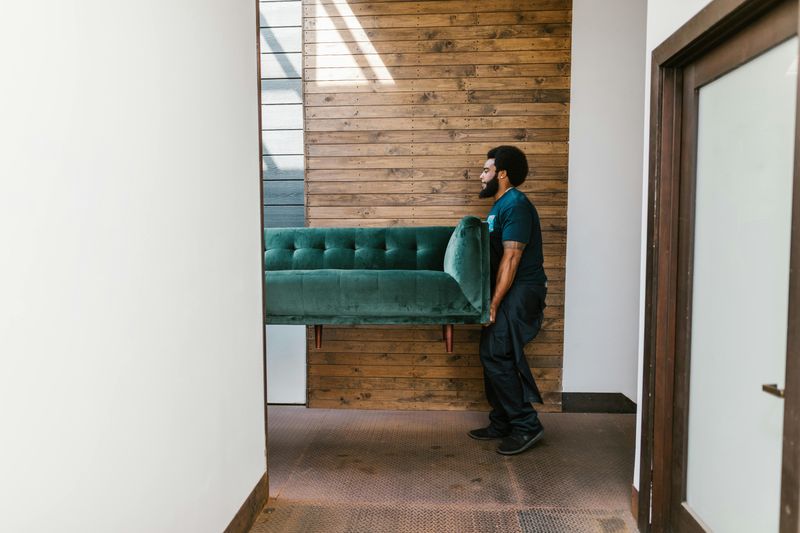
Shopping habits across America have shifted dramatically in recent years.
Families are rethinking their spending priorities and discovering that many purchases they once considered essential are actually unnecessary.
From big-ticket items to everyday subscriptions, people are finding freedom and financial relief by saying goodbye to products and services that no longer serve them well.
1. Swimming Pools
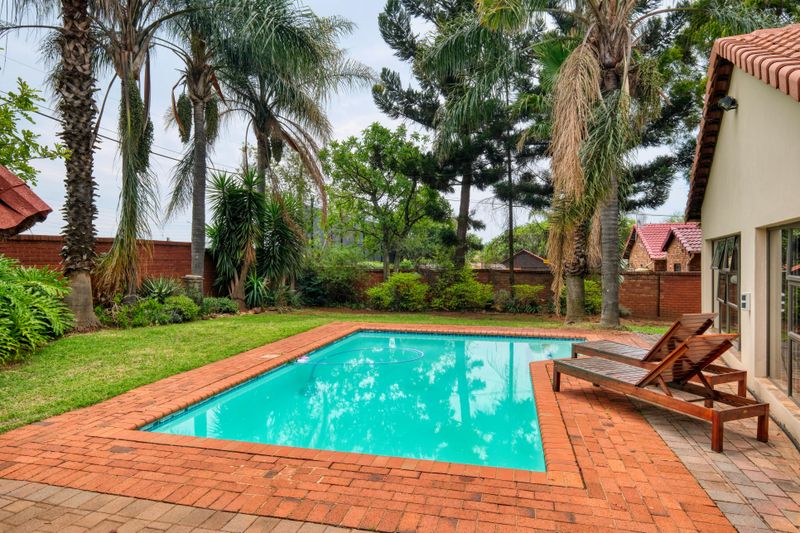
Building a pool used to be the ultimate American dream for homeowners.
Many families spent tens of thousands of dollars creating backyard oases, imagining endless summer fun.
However, the reality of constant maintenance, skyrocketing utility bills, and chemical costs quickly dampened the enthusiasm.
Pool construction has dropped by nearly 20 percent as people realize the hassle outweighs the benefits.
The equipment breaks down frequently, requiring expensive repairs.
Winter months leave pools sitting unused while still demanding attention and money.
Families now prefer community pools, lake trips, or splash pads that offer water fun without the commitment.
The money saved goes toward vacations and experiences that create better memories than a hole filled with water in the backyard ever could.
2. Motor Homes

RV sales exploded during the pandemic when everyone wanted to travel safely.
Dealerships couldn’t keep motor homes on their lots as families rushed to buy their ticket to freedom.
But the honeymoon phase ended quickly when owners faced the harsh realities of RV ownership.
These vehicles guzzle gas, require specialized maintenance, and cost a fortune to store when not in use.
Sales have plummeted over 30 percent as buyers discovered that hotels are often cheaper and definitely more comfortable.
Insurance premiums are steep, and finding suitable parking spots proves challenging.
Most motor homes sit unused for months, depreciating rapidly while taking up valuable driveway space.
Families have returned to traditional vacations, renting RVs occasionally if needed.
The flexibility of traveling without owning a massive vehicle brings relief and extra cash in the bank.
3. Plant-Based Meat Alternatives

Remember when fake meat was supposed to revolutionize our diets?
Companies promised products that tasted just like beef and chicken while being healthier and environmentally friendly.
Grocery stores dedicated entire sections to these innovative alternatives, and restaurants rushed to add them to menus.
Sales have crashed by over 15 percent as consumers discovered the truth.
These products often contain long lists of processed ingredients and cost significantly more than real meat.
The taste never quite matched the hype, leaving many disappointed after paying premium prices.
People are choosing simpler options like beans, lentils, and vegetables instead of ultra-processed fake meats.
Others have simply returned to eating traditional proteins in moderation.
The wallet and taste buds are both happier without these expensive substitutes cluttering the shopping cart.
4. Cable Television Subscriptions
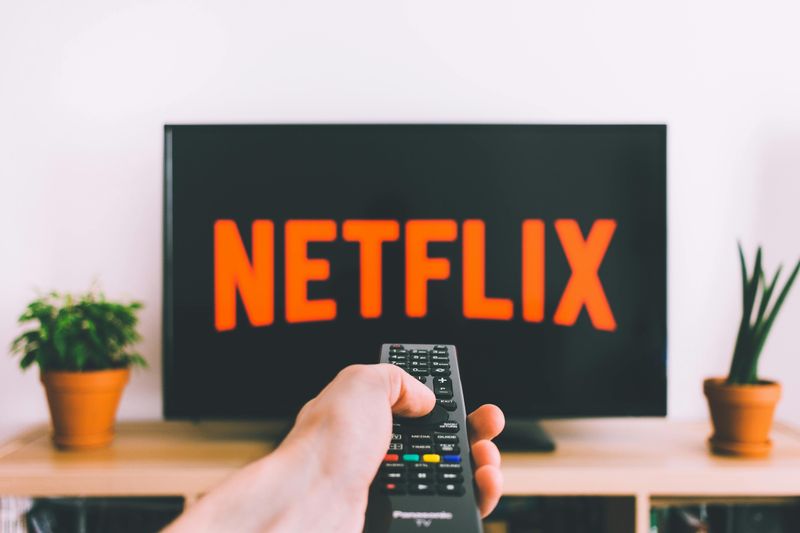
Cable companies once held a monopoly on home entertainment.
Families paid over a hundred dollars monthly for hundreds of channels they never watched.
The bills kept climbing while customer service remained frustratingly poor, with hidden fees appearing regularly.
Streaming services changed everything, offering better content at a fraction of the cost.
Cable subscriptions have declined 5 percent annually as viewers discovered they could watch what they want, when they want.
No more flipping through infomercials at midnight or sitting through endless commercial breaks.
Most households now use a combination of streaming platforms and free content, saving thousands yearly.
Sports fans find ways to stream games legally without cable packages.
The freedom from contracts and surprise price increases makes cutting the cord one of the best financial decisions families make.
5. Boats

Boat ownership represents a classic money pit that many Americans have finally escaped.
The old saying goes that the two happiest days of a boat owner’s life are the day they buy it and the day they sell it.
Rising interest rates and inflation have helped people see the wisdom in this advice.
Boat sales dropped nearly 7 percent as owners tired of constant repairs, storage fees, and limited usage.
Most boats sit unused for the majority of the year while insurance and maintenance costs pile up.
Winterizing alone costs hundreds of dollars annually.
Renting boats for occasional outings makes far more financial sense for most families.
Boat clubs and rental services provide access without the burden of ownership.
The money previously spent on marine fuel and dock fees now funds more diverse recreational activities that everyone can enjoy year-round.
6. New Furniture
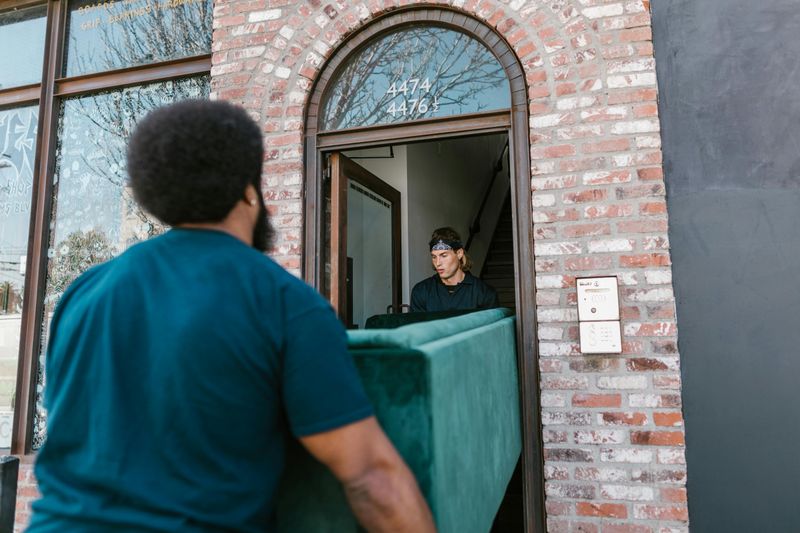
Furniture stores are seeing empty showrooms as Americans rethink expensive purchases.
New couches, dining sets, and bedroom furniture carry hefty price tags that strain budgets.
Higher interest rates on financing make these purchases even more costly, with monthly payments dragging on for years.
Sales have fallen 5 percent as people discover alternatives that work just as well.
The secondhand market offers quality pieces at fraction of original costs.
Online marketplaces connect buyers with gently used furniture from people moving or redecorating, creating win-win situations.
Many families realize that new furniture loses value immediately, just like driving a new car off the lot.
Vintage and antique pieces often have better construction than modern alternatives.
Skipping the furniture store saves money while reducing waste, and homes look more unique with carefully curated secondhand finds instead of cookie-cutter showroom displays.
7. Department Store Shopping
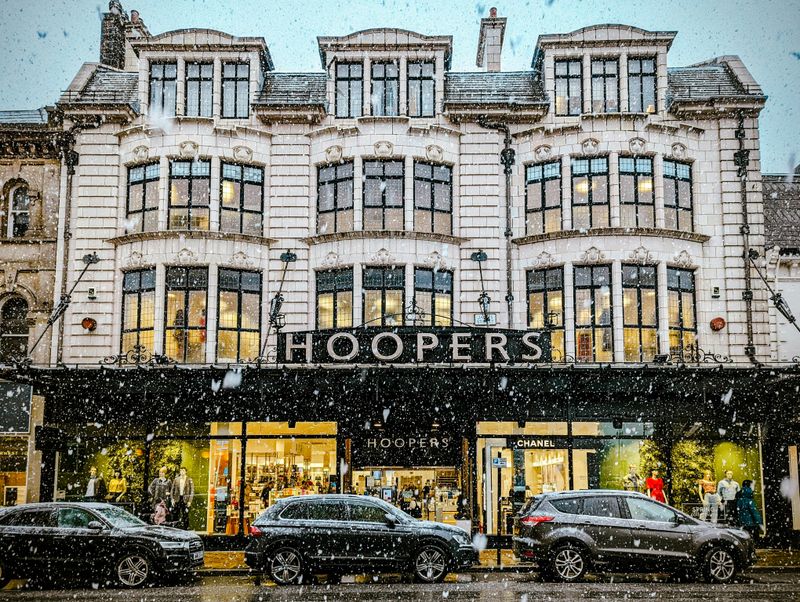
Walking through a department store now feels like visiting a ghost town.
These retail giants once anchored every shopping mall, offering everything from clothes to kitchen appliances under one roof.
Families spent Saturday afternoons browsing endless aisles, but those days have vanished along with the crowds.
Department store sales have declined 6 percent annually as online shopping offers better prices and convenience.
Why drive to a mall, search for parking, and wander through cluttered aisles when everything arrives at your doorstep?
The markup on department store items rarely justifies the hassle anymore.
Discount retailers and specialty shops provide better value and selection for specific needs.
People appreciate shopping in pajamas while comparing prices across multiple sites instantly.
The time saved alone makes avoiding department stores worthwhile, and the money saved is just an added bonus.
8. Home Improvement Supplies
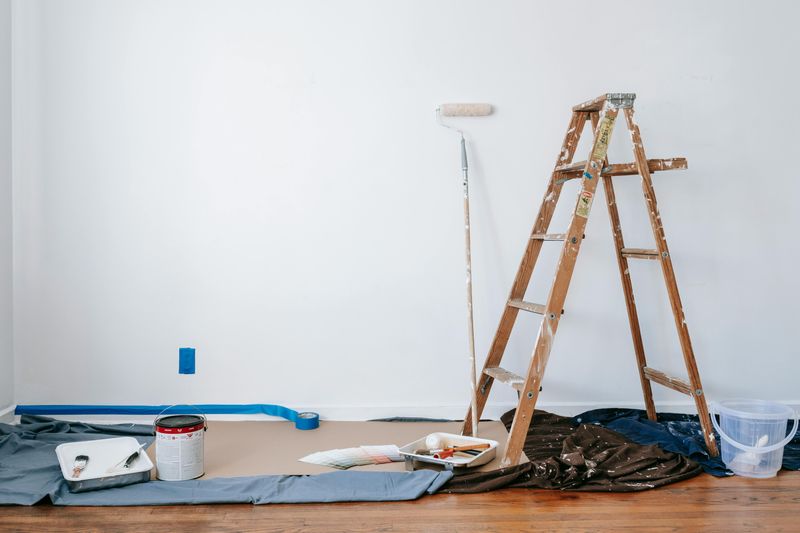
Hardware stores are noticing a significant slowdown in DIY project spending.
During the pandemic, everyone became a home improvement enthusiast, tackling projects while stuck at home.
Now reality has set in, and people realize that professional results require professional skills and tools they don’t possess.
Sales of building materials and supplies have dropped as homeowners accept their limitations.
That deck renovation or bathroom remodel costs more in mistakes than hiring someone who knows what they’re doing.
Rising material costs make DIY projects less economical than they once seemed.
Fewer people are buying homes, which means fewer new homeowners undertaking improvement projects.
Existing homeowners are delaying upgrades due to economic uncertainty and higher borrowing costs.
The garage full of unused tools and half-finished projects serves as a reminder that not every home improvement idea deserves execution.
9. Vinyl Records
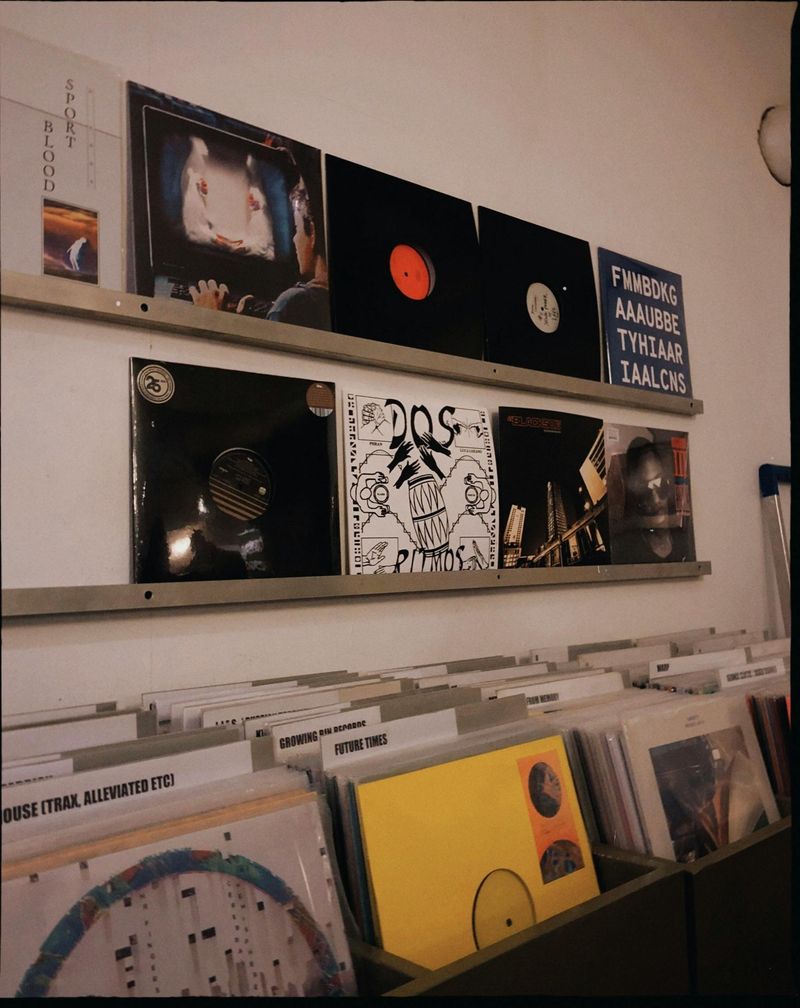
Vinyl records experienced a surprising comeback before crashing spectacularly in 2024.
Music enthusiasts embraced the nostalgia and claimed superior sound quality justified the expense.
Record stores reopened, and turntables became trendy again as collectors hunted for rare albums and new releases on vinyl.
Then sales dropped by a third as people remembered why records disappeared in the first place.
They’re fragile, require expensive equipment, take up enormous space, and cost significantly more than digital music.
Streaming services offer millions of songs instantly without the hassle of flipping records or replacing worn needles.
The novelty wore off quickly for casual buyers who realized their record collection gathered dust.
Serious audiophiles kept their vinyl, but mainstream consumers returned to convenient digital formats.
Turntables now sit in closets next to other short-lived trends, reminding us that nostalgia doesn’t always equal practicality.
10. Landline Phones
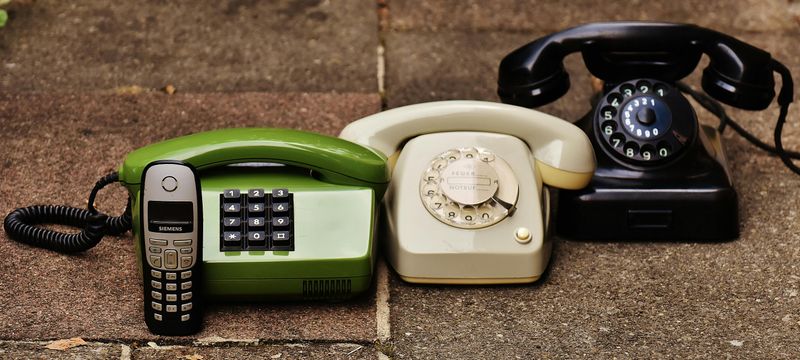
Does anyone under 30 even know what a dial tone sounds like?
Landline phones have become relics of the past as cellphones dominate communication.
Only 24 percent of adults still maintain home phone service, down from over 60 percent a decade ago, and that number keeps shrinking.
Monthly landline fees make no sense when everyone carries a smartphone everywhere.
The call quality isn’t noticeably better, and landlines can’t send texts or access the internet.
Telemarketers seem to be the only ones who still call landlines regularly, which isn’t exactly a selling point.
Families save money by eliminating this redundant service without losing any real functionality.
Emergency services can locate cellphones just as effectively as landlines now.
The phone jack on the wall serves as a reminder of simpler times, but nobody misses paying for a service they never used anyway.
Comments
Loading…