
 Jade Reed
10 Survival Skills Everyone Should Know (That Have Nothing to Do With the Woods)
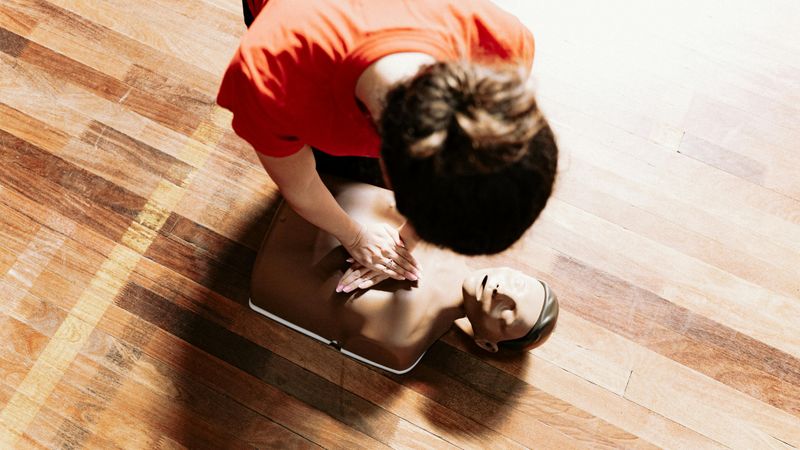
Most people assume survival skills only come into play if you’re lost in a forest or stranded on a mountain. But the truth is, many of the most valuable survival skills are ones you can use every day—in your own neighborhood, home, or city.
Knowing how to stay calm, think clearly, and take the right action when emergencies strike can make a huge difference. Whether it’s a sudden accident, a power outage, or another unexpected situation, these skills could protect your life or someone else’s, no camping gear or wilderness experience required.
1. Performing Basic First Aid
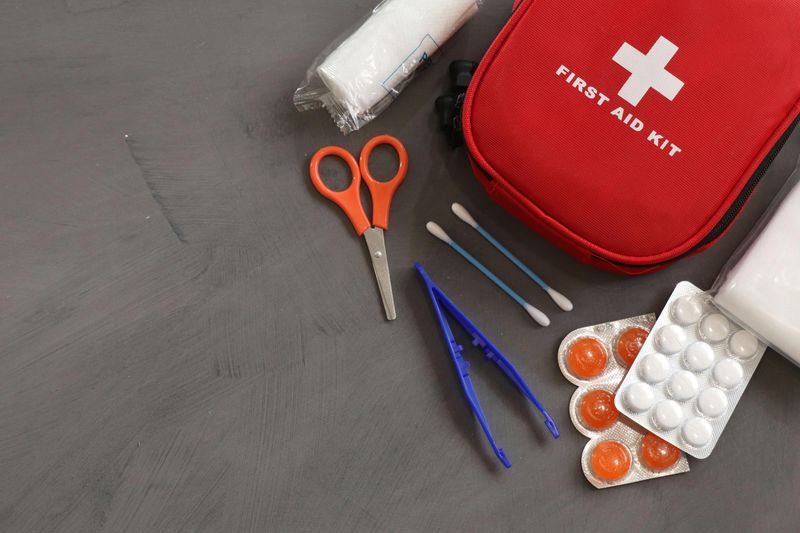
Picture this: someone at school trips and slices their hand open, and everyone just freezes.
Knowing basic first aid means you don’t have to be one of those frozen people.
Cleaning a wound, applying pressure to stop bleeding, and using a bandage correctly are skills you can learn in an afternoon.
First aid courses are offered for free in many communities, and even watching a trusted online tutorial can teach you the basics.
A small first aid kit at home costs very little but can handle most minor emergencies.
Being prepared beats panicking every single time.
2. Knowing How to Stop Bleeding
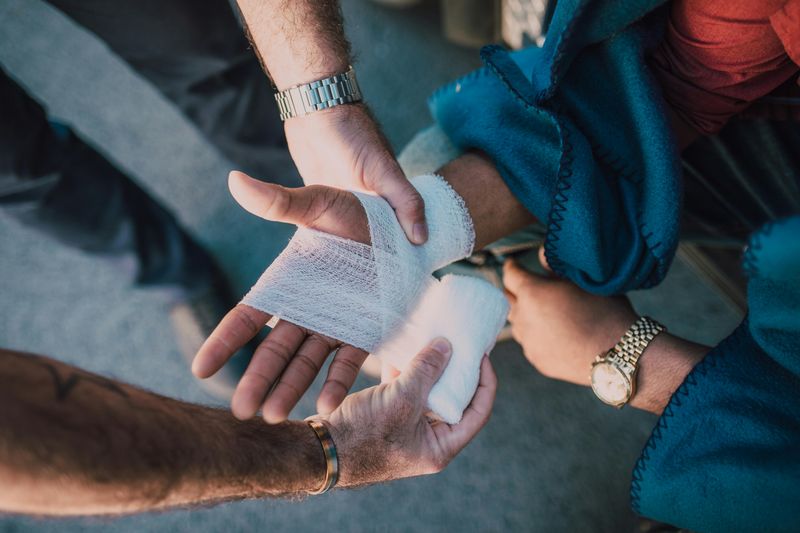
Bleeding looks terrifying, but most cuts and wounds can be controlled with one simple technique: direct pressure.
Press firmly on the wound with a clean cloth or even a shirt, and hold it there without lifting to peek.
Lifting the cloth disrupts the clotting process and makes things worse.
Serious bleeding from a limb can sometimes require a tourniquet, which is a tight band applied above the wound.
Many schools and public buildings now stock tourniquets alongside defibrillators.
Learning the difference between a manageable cut and a life-threatening bleed could literally save someone’s life before the ambulance arrives.
3. Escaping a Burning Building
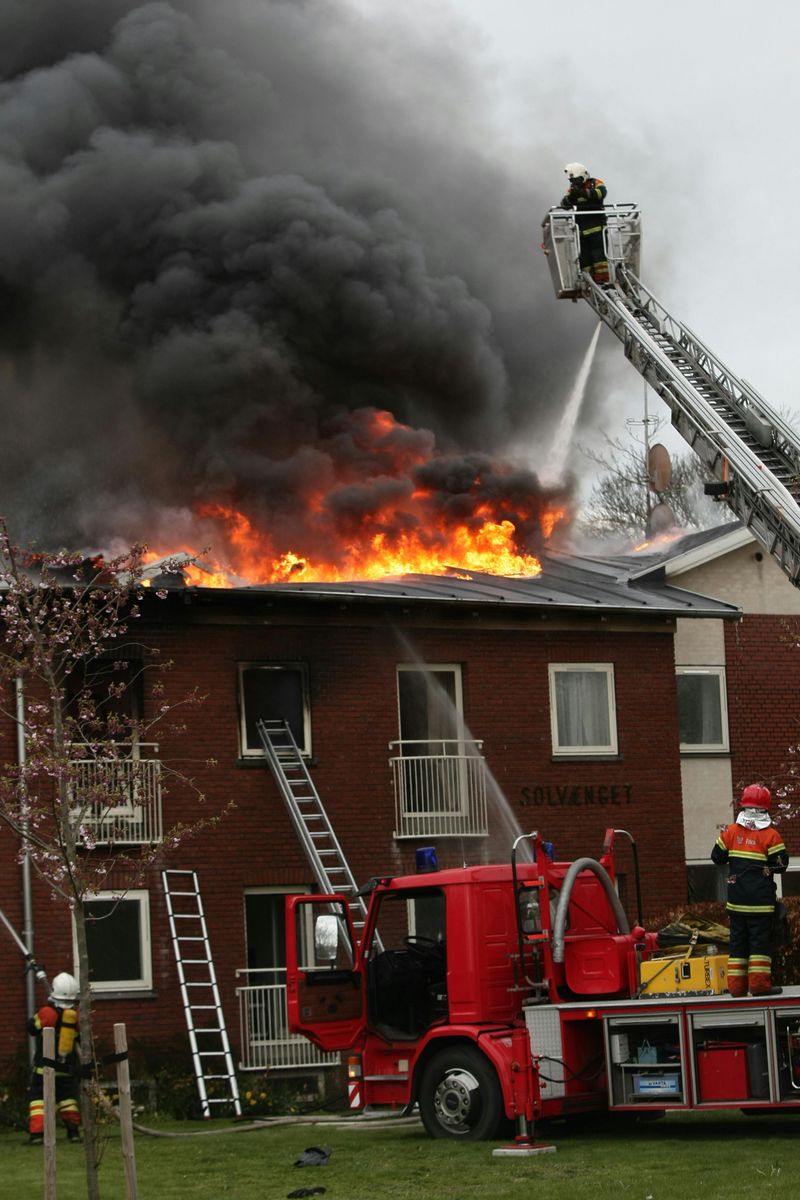
Smoke is actually more dangerous than fire in most house fires, because it can knock you unconscious before flames ever reach you.
Staying low to the ground where the air is cleaner is the single most important thing to remember if a building fills with smoke.
Practice crawling toward exits at home so it feels automatic.
Every household should have a fire escape plan with two ways out of every room.
Touch a door before opening it, since a hot door means fire is on the other side.
Designate a meeting spot outside so everyone can be accounted for quickly.
4. Performing CPR
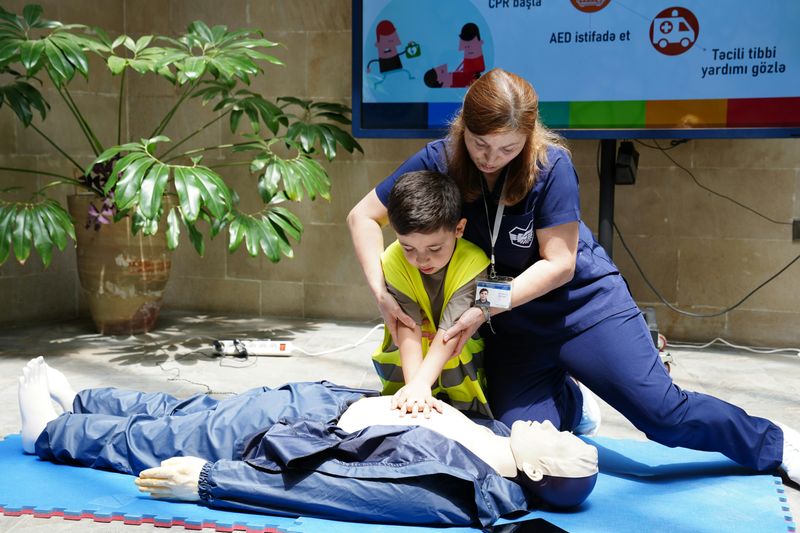
Every two minutes, someone in the United States goes into cardiac arrest.
Without CPR, the chances of survival drop by about 10 percent for every minute that passes.
That means bystanders who know CPR are genuinely the difference between life and death in those first critical minutes.
Hands-only CPR, which skips mouth-to-mouth and focuses on hard, fast chest compressions, is now recommended for untrained bystanders.
Push down about two inches in the center of the chest, at a rate of 100 to 120 beats per minute.
The beat of the song “Stayin’ Alive” actually matches the perfect CPR rhythm.
5. Navigating Without a Phone
Phones die.
Signals drop.
Batteries fail at the worst possible moments.
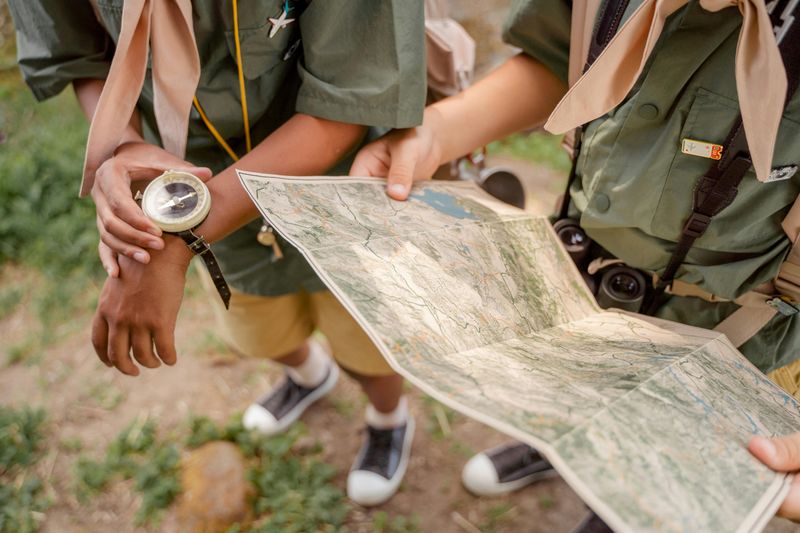
Knowing how to read a basic map or use the sun and landmarks to figure out direction is a skill that never runs out of battery.
The sun rises in the east and sets in the west, giving you a free built-in compass every single day.
Learning to read street maps takes about an hour of practice and pays off for life.
Memorizing the general layout of your neighborhood or city means you can find your way home even if your phone is gone.
Old-school navigation is quietly one of the coolest skills you can have.
6. Recognizing a Medical Emergency
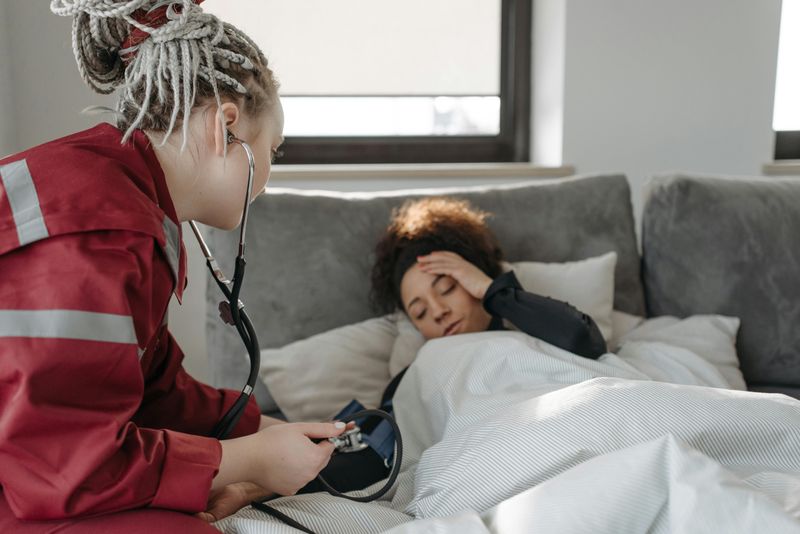
Not every emergency announces itself loudly.
A stroke, for example, can look like someone is just acting confused or tired.
The acronym FAST helps you recognize stroke symptoms fast: Face drooping, Arm weakness, Speech difficulty, and Time to call 911.
Catching these signs early can prevent permanent brain damage.
Heart attacks in women often feel like nausea or jaw pain rather than the classic chest grab you see in movies.
Knowing these lesser-known warning signs means you can act while others are still guessing.
Taking a quick online health literacy course can sharpen your ability to spot emergencies before they escalate.
7. Purifying Drinking Water

After a natural disaster like a hurricane or earthquake, tap water can become contaminated and unsafe to drink almost immediately.
Knowing how to make water safe is one of those skills that sounds extreme until the moment you actually need it.
Boiling water for at least one full minute kills most harmful bacteria and viruses.
Water purification tablets are cheap, lightweight, and last for years in a cabinet or emergency bag.
A basic portable filter can also remove most contaminants from questionable water sources.
Keeping a small supply of these tools at home means you are ready without scrambling when a water advisory hits your area.
8. Managing a Power Outage

Power outages happen more often than most people expect, triggered by storms, equipment failures, or even cyberattacks on the power grid.
Having a plan before the lights go out makes the experience manageable instead of miserable.
A flashlight, extra batteries, and a battery-powered radio are the bare minimum for any household emergency kit.
Food safety during an outage is something many people overlook.
A refrigerator stays cold for about four hours if the door stays closed, while a full freezer holds its temperature for up to 48 hours.
Knowing these time windows helps you decide what food is still safe and what needs to go.
9. Handling a Mental Health Crisis
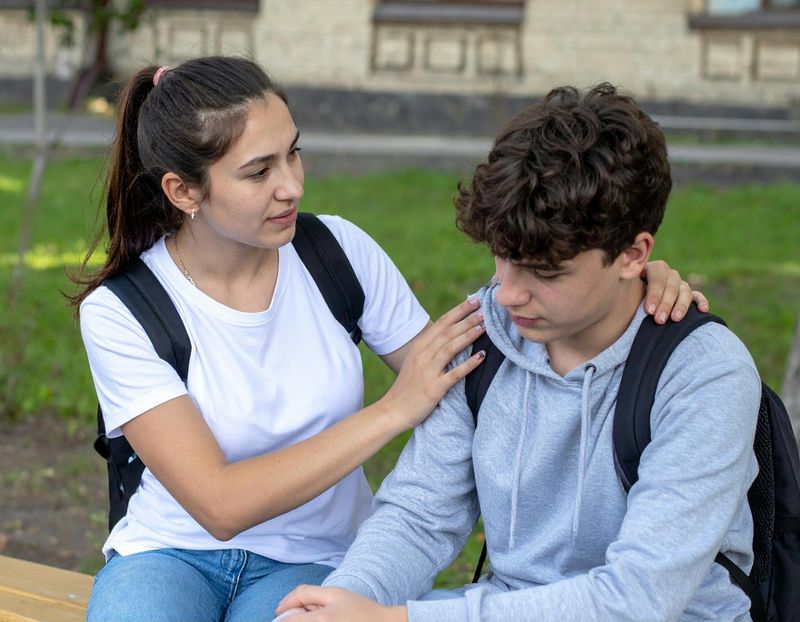
Mental health crises are emergencies too, even though they don’t always look like one from the outside.
Knowing how to talk to someone who is overwhelmed, panicking, or having thoughts of self-harm can genuinely save a life.
Staying calm yourself is the first and most powerful thing you can do in those moments.
Never leave someone alone who is in serious distress, and don’t be afraid to call a crisis line or 911 if you feel out of your depth.
The 988 Suicide and Crisis Lifeline is available by call or text, any time, any day.
Being a steady, non-judgmental presence is a real survival skill.
10. Creating an Emergency Communication Plan

When a disaster strikes, cell towers get jammed almost instantly as thousands of people try to call at once.
Having a pre-made communication plan means your family knows exactly what to do and where to go without needing a signal.
Pick an out-of-state contact everyone can check in with, since long-distance calls often go through when local ones cannot.
Write down important phone numbers on paper, because phones can die or get lost in an emergency.
Choose two meeting spots: one near your home and one farther away in case your neighborhood is inaccessible.
A plan that everyone knows by heart works far better than one saved only on a phone.
Comments
Loading…