
 Isabel Parker
10 Surprising Ways You May Be Feeding Your Anxiety

Anxiety has a sneaky way of creeping into your life through habits and routines you would never suspect. You might be doing things every single day that are quietly making your worries worse without even realizing it.
From what you eat to how you scroll through your phone, the culprits can be hiding in plain sight. Understanding these surprising anxiety triggers is the first step toward feeling calmer and more in control.
1. Drinking Too Much Coffee

That morning cup of coffee feels like a lifeline, but it could be secretly ramping up your anxiety.
Caffeine is a stimulant, which means it speeds up your nervous system and can trigger that racing-heart, jittery feeling even when nothing stressful is happening.
Cutting back does not mean giving up coffee entirely.
Try switching to half-caf or limiting yourself to one cup before noon.
Your body will thank you, and you might be surprised how much calmer you feel throughout the day without that extra caffeine buzz fueling your nerves.
2. Scrolling Social Media Before Bed

Checking Instagram or TikTok right before you close your eyes might seem harmless, but your brain disagrees.
The bright screen tricks your brain into thinking it is still daytime, disrupting melatonin production and making it harder to wind down.
Beyond the light issue, comparing your life to highlight reels online can quietly stoke feelings of inadequacy and worry.
Try setting a phone-free zone in your bedroom at least 30 minutes before sleep.
Swap the scroll for a book, some light stretching, or a few deep breaths to ease your mind into rest mode.
3. Skipping Meals
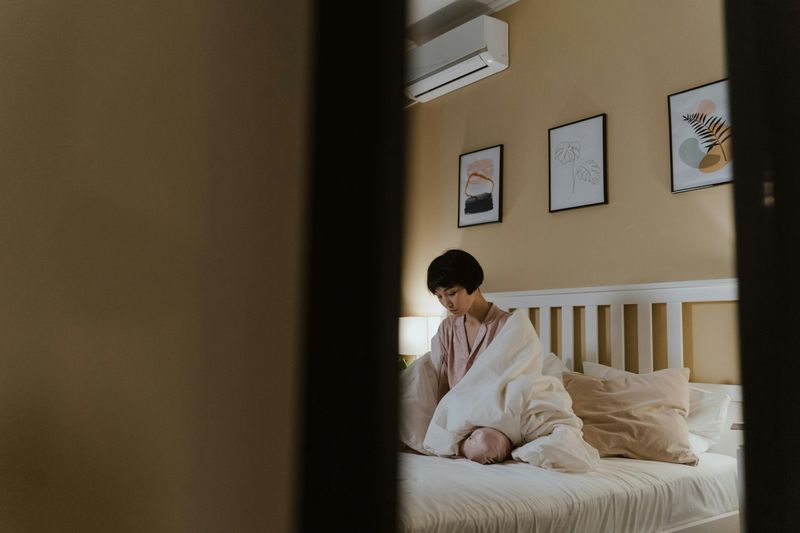
When your blood sugar drops because you forgot to eat lunch, your body goes into a mild stress response.
Your brain interprets low blood sugar as a threat, releasing stress hormones that can feel a whole lot like anxiety symptoms.
Shaky hands, a racing mind, and sudden irritability are not just signs of hunger.
They are your body sounding an alarm.
Eating regular, balanced meals with protein, healthy fats, and complex carbohydrates helps keep your blood sugar steady and your mood even.
A simple snack like an apple with peanut butter can make a real difference.
4. Avoiding Things That Make You Nervous

Here is a tricky one: the more you avoid something that scares you, the scarier it becomes.
Avoidance feels like relief in the short term, but it actually teaches your brain that the thing you are dodging is genuinely dangerous.
Over time, your comfort zone shrinks and anxiety grows.
Facing fears gradually, in small manageable steps, is one of the most effective ways to reduce anxiety.
Start with tiny exposures and work your way up.
Each small victory tells your brain, hey, this is survivable, and that message slowly rewires how you respond to fear.
5. Not Getting Enough Sleep

Sleep and anxiety have a complicated relationship.
Anxiety can keep you awake, but being sleep-deprived also makes anxiety significantly worse.
Research shows that even one bad night of sleep can increase emotional reactivity by up to 60 percent.
Your brain needs rest to process emotions and reset stress hormones.
Without enough sleep, your amygdala, the brain’s fear center, goes into overdrive.
Prioritizing seven to nine hours of sleep each night is not a luxury; it is a genuine mental health strategy.
A consistent bedtime, a cool dark room, and a calming routine can all help you get there.
6. Overloading Your Schedule
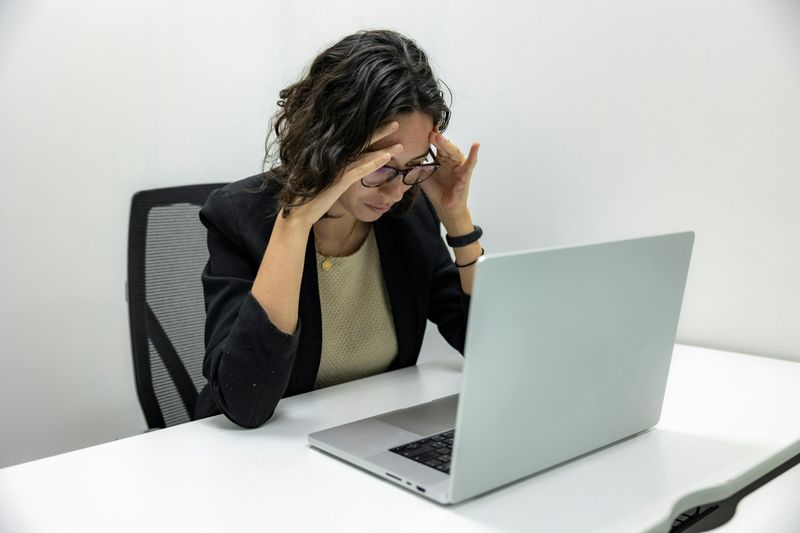
Saying yes to everything sounds productive, but packing every hour of your day with tasks, obligations, and commitments leaves zero room for your nervous system to recover.
Chronic busyness keeps your body in a low-level fight-or-flight state almost constantly.
Rest is not laziness.
White space in your schedule, time with no agenda, is actually essential for mental regulation.
Start by identifying one or two things you can say no to this week.
Protecting your time is not selfish; it is one of the smartest things you can do for your mental and emotional health long-term.
7. Negative Self-Talk

The voice inside your head matters more than you might think.
Constantly telling yourself you are going to fail, that people do not like you, or that everything will go wrong is essentially rehearsing anxiety over and over again.
Negative self-talk acts like fuel on a fire, turning small worries into full-blown spirals.
The good news is that you can challenge those thoughts.
When your inner critic speaks up, ask yourself: is this actually true, or is my anxious brain exaggerating?
Replacing harsh internal statements with more balanced, realistic ones can genuinely shift how you feel day to day.
8. Spending Too Much Time Indoors

Sunlight and fresh air are not just pleasant extras; they are genuine tools for mental wellness.
Spending too much time cooped up indoors can lower your vitamin D levels, disrupt your circadian rhythm, and reduce exposure to natural stimuli that help regulate mood.
Studies have found that even a 20-minute walk in nature can meaningfully reduce cortisol, your primary stress hormone.
Getting outside does not require a hiking trail or a park.
A short walk around the block during daylight hours can shift your energy, clear your head, and give your anxious mind a much-needed reset.
9. Watching or Reading Too Much News

Staying informed is valuable, but there is a real difference between being aware and being consumed.
News outlets are designed to capture attention, often by highlighting the most alarming stories, and a constant diet of bad news can keep your brain locked in a state of threat detection.
This is sometimes called “doomscrolling,” and it is surprisingly easy to fall into.
Setting a news limit, like checking headlines once in the morning and once in the evening, can protect your mental space.
Choosing reliable sources and stepping away when you feel your heart rate rising is a smart, healthy boundary.
10. Neglecting Physical Exercise

Your body and brain are far more connected than most people realize.
Physical movement is one of the most powerful natural anxiety-relievers available, yet it is often the first thing dropped when life gets busy or overwhelming.
Exercise burns off excess stress hormones like adrenaline and cortisol, and it releases endorphins that genuinely improve mood.
You do not need to run a marathon to feel the benefits.
Even 15 to 20 minutes of brisk walking, dancing, or stretching a few times a week can make a measurable difference in how anxious or calm you feel on a daily basis.
Comments
Loading…