
 Jade Reed
10 Subtle Ways Society Still Undermines Women—And How We Push Back

Progress has real momentum, but it also has a sneaky way of stalling in places we don’t always notice.
Many of the barriers women face today aren’t loud or obvious, because they’re woven into everyday expectations about how women should speak, earn, lead, parent, age, and take up space.
The result is a constant drip of small undermining moments that can make you second-guess yourself, overperform to prove you belong, or feel guilty for wanting more.
The good news is that subtle doesn’t mean unstoppable.
When you can name what’s happening, you can stop internalizing it and start responding with clarity, boundaries, and strategy.
Below are ten common ways society still undercuts women—plus practical, realistic ways to push back without burning yourself out in the process.
1. Calling women “intimidating” when they’re simply competent

That familiar label lands like a sting: intimidating.
It often shows up when competence meets other people’s discomfort, and the goalposts shift from results to tone.
You are not the problem for being prepared, decisive, or direct; the problem is the frame that paints skill as threat.
Ask for specifics: What behavior, exactly, felt harsh or unclear.
Document outcomes and decisions so the record speaks louder than vibes.
Use crisp language in the moment: I am clear, not harsh.
I am managing scope, not being difficult.
When feedback lacks detail, request examples tied to impact and standards.
Offer your metrics first to anchor the conversation.
If the word keeps resurfacing, loop in a neutral party or HR and bring your receipts.
2. The “likability tax” at work

There is a tax you did not agree to pay: be warm, flawless, and effective or your credibility wobbles.
Men get room to be merely effective.
Women get graded on personality plus performance.
Use warm plus firm scripts to keep momentum without over explaining.
Try: Happy to help – here is what I can do by Friday.
Then stop talking.
Let your boundary land without a TED Talk apology.
Share context, not justification.
Anchor decisions to goals, timelines, and outcomes so feedback stays on the work.
When someone reaches for tone, bring them back: Which deliverable is unclear.
What risk are you seeing.
Over time, your pattern of steady results rewires expectations.
3. Defaulting women into office housework

Invisible labor sneaks into calendars as favors.
Note taking, birthday planning, emotional glue work.
It looks helpful but quietly siphons time from high visibility projects that lead to promotions.
Do not auto accept the pen.
Suggest rotation: Let’s alternate notes each meeting.
Or redirect with clarity: I am focused on the project deliverable – who is best placed to capture notes.
Put the norm on the system, not on you.
Track where hours go and share the data when workloads feel off.
Ask managers to assign ownership for glue tasks the same way they assign budgets.
When it is no one’s job, it becomes every woman’s job.
Make it visible, measurable, and shared.
4. Assuming motherhood should derail ambition (and assuming childfree women are always available)

Two myths, one trap.
Moms get labeled distracted.
Non moms get volunteered for every late night task.
Either way, ambition gets negotiated down by assumptions.
Set boundaries with time, not apologies.
Try: I am offline after 6.
For urgent items, here is the escalation path.
Ask for performance based evaluations with measurable goals so availability does not masquerade as excellence.
Post your hours in calendars and email signatures.
Decline extras when they collide with priorities and offer an alternative that preserves outcomes.
You are not required to trade your life for optics.
The work that matters will respect clear lines, and metrics will keep the story honest.
5. Medical dismissal and “it’s just stress” bias

You describe pain and get a shrug dressed as reassurance.
It is probably stress.
Maybe hormones.
Meanwhile, symptoms persist and your life shrinks around them.
Arrive with written symptoms, timelines, triggers, and what you have tried.
Ask for differential diagnoses and what evidence would confirm or rule out each option.
Say the exact phrase: Please note in my chart that I requested X.
Documentation resets the power dynamic.
Bring an advocate if needed and request copies of records.
If dismissal continues, change providers and file a patient portal message to create a time stamped trail.
Your body is not a debate club.
You deserve care that listens, tests, and treats.
6. Teaching girls to be “nice” over being safe

Politeness can be a velvet trap.
Girls learn to smooth tension, laugh off discomfort, and make others feel okay while ignoring their own alarms.
Safety drops behind being nice.
Rehearse short refusals: No, I can’t.
That does not work for me.
Practice exit lines and routes so muscle memory kicks in when nerves spike.
Treat discomfort as valid data, not rudeness.
Caregivers can model boundaries out loud.
Friends can back the first no without questioning.
You are not obligated to be agreeable when something feels off.
Safety first.
Etiquette later.
The people who respect you will respect your lines.
7. Double standards in money: shaming women for spending while expecting them to look “effortlessly” perfect

The culture hands you a paradox: look flawless but do not spend.
Save aggressively but do not be seen managing money.
Whatever you choose, the verdict arrives with judgment.
Opt out.
Create values based spending rules that match your real life.
Automate saving and investing so priorities happen before opinions.
Stop defending purchases that align with your goals.
A budget is not a confessional; it is a strategy.
When someone audits your cart, pivot to outcomes: I invest 15 percent, cover essentials, and fund joy.
The rest is noise.
Confidence grows when your plan fits your values.
Let the spreadsheet be your ally and the peanut gallery scroll by.
8. Online harassment as background noise

The internet can feel like a hallway where someone always whispers.
Harassment becomes ambient, and the cost is silence.
You shrink posts, dodge topics, or step back from opportunities.
Build visibility with safety routines.
Lock down privacy settings, filter keywords, and mute aggressively.
Use a separate email, PO box, and two factor authentication.
Screenshot and report.
Document patterns for platforms or employers.
Plan a response tree: ignore, block, escalate, legal.
Share boundaries with collaborators so they do not amplify pile ons.
Your voice is not community property.
Protect your energy and keep showing up on your terms.
9. Undercutting women’s expertise (interruption, credit-stealing, “hepeating”)

Ideas sometimes need a bodyguard.
You make a point, silence follows, then the room applauds it from a different mouth.
Interruption slices momentum, and authority gets relitigated again.
Prepare credit claiming phrases: As I mentioned earlier.
To build on my point.
I will finish my thought.
Ask allies to amplify properly and return credit in real time.
Put key points in writing before meetings to anchor ownership.
When someone interrupts, pause, breathe, and continue: I will finish, then I am eager to hear you.
Track contributions in shared docs to create receipts.
Over time, a culture of attribution becomes normal because you insisted on it with receipts and repetition.
10. Relationship and household labor being treated as “women’s work”
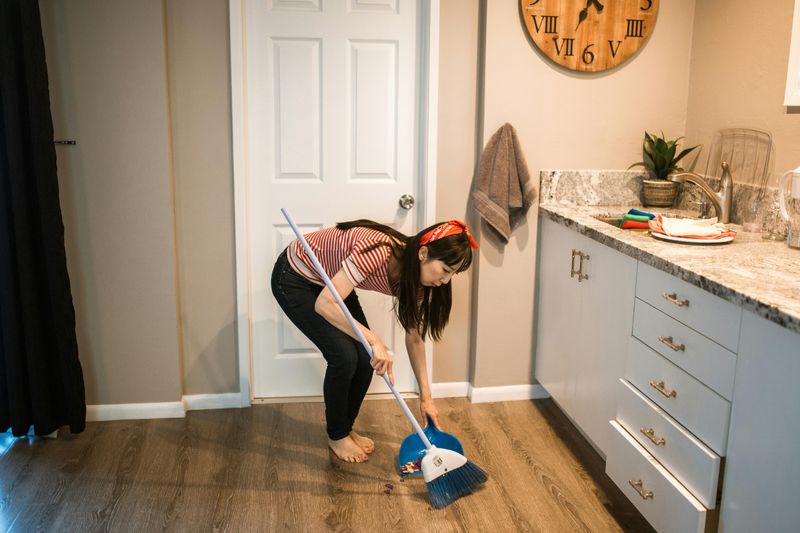
The mental load hums 24/7: planning, anticipating, remembering.
If no one owns it, you own it by default.
That is how burnout becomes the background.
Make the invisible visible with a task list that includes ownership, deadlines, and standards.
Shift from helping to shared responsibility.
If you own school lunches, you plan, shop, and pack.
Agree on the standard together so quality is not another argument.
Schedule check ins like you would a project.
Use tools that automate recurring tasks.
When resistance shows up, connect the dots: equality is a practice, not a vibe.
Your time matters as much as anyone else’s.
Comments
Loading…