
 Isabel Parker
10 Reasons Your Attention Span Is Shrinking

Ever notice how hard it is to finish a movie, read a full article, or even sit through a short conversation without reaching for your phone? You’re not alone—constant notifications, endless scrolling, and multitasking have trained our brains to crave quick hits of stimulation.
Our ability to focus is getting weaker every year, and researchers suggest the average attention span has dropped to just eight seconds in our hyper-distracted digital environment. Understanding why this happens—and how your habits shape your brain—can help you take back control of your mind, rebuild your concentration, and focus with greater clarity and intention.
1. Social Media Algorithms Keep You Scrolling

Platforms like TikTok and Instagram are designed to grab your attention and never let go.
Every swipe brings something new and exciting, making your brain crave more.
The algorithms learn exactly what you like and feed it to you constantly.
Your brain releases a chemical called dopamine when you see something interesting.
Social media gives you tiny dopamine hits every few seconds.
This trains your brain to expect constant stimulation.
Over time, normal activities feel boring because they can’t compete with the excitement of endless scrolling.
Your attention span shrinks as you become used to quick, flashy content that changes every moment.
2. Multitasking Makes Your Brain Weaker

Trying to do homework while texting and watching videos might seem efficient, but it’s actually hurting your focus.
Your brain isn’t built to handle multiple tasks at once.
What feels like multitasking is really just switching between activities super fast.
Each time you switch, your brain needs a moment to refocus.
These tiny delays add up and waste a lot of time.
Studies show people who multitask make more mistakes and remember less information.
The more you practice splitting your attention, the harder it becomes to concentrate on one thing.
Your brain gets trained to jump around constantly, making deep focus almost impossible when you really need it.
3. Notifications Interrupt Your Thoughts Constantly
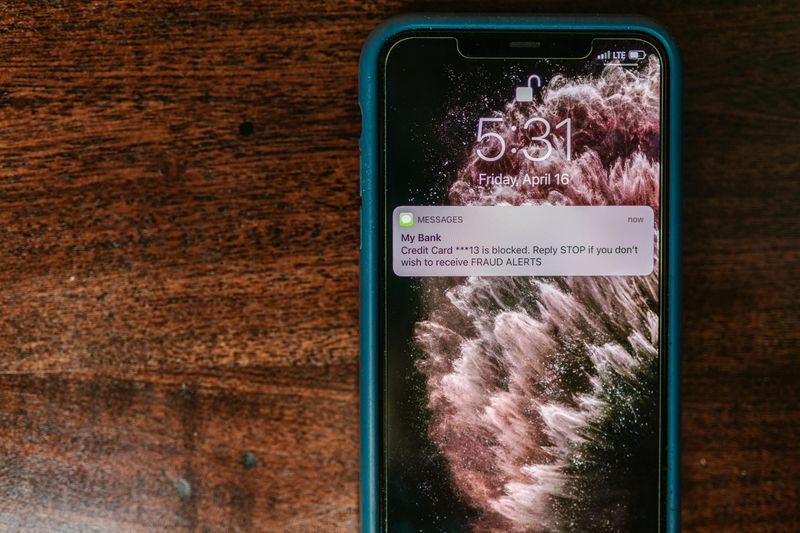
Ding!
Ding!
Another message.
Buzz!
A new like.
Your phone interrupts you dozens of times each day, breaking your concentration over and over.
Even when you ignore notifications, just seeing them pop up disrupts your thinking.
Research shows it takes about 23 minutes to fully refocus after an interruption.
If you’re getting notifications every few minutes, you never reach deep focus.
Your work quality suffers and tasks take much longer.
Your brain also starts anticipating notifications, causing you to check your phone even when nothing happens.
This constant state of alert keeps you distracted and prevents sustained attention on important activities.
4. Video Content Gets Faster and Shorter
Remember when YouTube videos were ten minutes long?
Now TikToks last fifteen seconds, and even those feel long sometimes.
Content creators pack more action, jokes, and scene changes into shorter clips to keep viewers watching.
This rapid-fire content trains your brain to expect constant change and excitement.
Anything slower feels dull by comparison.
Your patience for regular-paced content disappears as you get used to hyper-stimulating videos.
Movies, books, and conversations can’t match the intensity of short videos.
Your brain becomes wired for quick hits of entertainment, making it difficult to appreciate slower, more meaningful content that requires sustained attention and thought.
5. Poor Sleep Ruins Your Focus

Staying up late scrolling through your phone might seem harmless, but it destroys your ability to concentrate the next day.
Sleep is when your brain processes information and recharges.
Without enough rest, your attention suffers dramatically.
The blue light from screens tricks your brain into thinking it’s daytime.
This messes up your natural sleep cycle and makes falling asleep harder.
Even if you get to bed, the quality of sleep is worse.
Tired brains struggle to filter out distractions and maintain focus on tasks.
You might stare at your homework for hours without actually learning anything because your exhausted mind can’t hold attention properly.
6. Information Overload Overwhelms Your Brain

Every day, you’re bombarded with more information than your grandparents saw in a year.
News, messages, videos, articles, and ads flood your brain from morning until night.
Your mind wasn’t designed to process this much data.
When faced with too many choices and too much information, your brain goes into overload mode.
It starts skimming instead of reading carefully.
You skim headlines without understanding full stories.
This constant flood of information trains you to process everything superficially.
Deep thinking and careful analysis become rare skills.
Your attention span shrinks because your brain learns to grab quick facts rather than truly understanding complex topics.
7. Instant Gratification Changes Your Expectations

Want to watch a show?
Stream it instantly.
Need an answer?
Google knows immediately.
Modern technology gives you everything right now, and waiting feels unbearable.
This instant access rewires how your brain handles delayed rewards.
Activities that require patience and sustained effort become frustrating.
Reading a whole book or working through a difficult problem feels like torture when you’re used to instant results.
Your brain craves immediate payoffs.
This impatience spills into your attention span.
If something doesn’t grab your interest in the first few seconds, you move on.
The ability to stick with challenging tasks that take time to show results gradually disappears from your skillset.
8. Reduced Face-to-Face Conversation Weakens Focus

Texting is easier than talking, but it’s training your brain to communicate in short bursts.
Real conversations require sustained attention, active listening, and thoughtful responses.
These skills strengthen your ability to focus for extended periods.
When you mostly communicate through texts and snaps, you lose practice in maintaining attention during longer interactions.
Your brain gets used to quick exchanges instead of deep discussions that require concentration.
Face-to-face conversations also help develop patience and empathy, which support better focus overall.
The decline in real-world social interaction means fewer opportunities to exercise and strengthen your attention muscles through meaningful human connection.
9. Passive Entertainment Requires Zero Effort

Binge-watching shows or scrolling feeds requires almost no mental effort.
You just sit back and let content wash over you.
Unlike reading or playing an instrument, passive entertainment doesn’t challenge your brain to stay actively engaged.
Active hobbies force you to concentrate and solve problems, building mental stamina.
Passive activities let your mind wander freely without consequences.
The more time spent consuming rather than creating, the weaker your focus becomes.
Your brain is like a muscle that needs exercise.
Constant passive entertainment is like sitting on the couch all day.
Eventually, your attention span becomes flabby and weak, unable to handle tasks requiring sustained mental effort and concentration.
10. Stress and Anxiety Scatter Your Thoughts

Worrying about school, friends, or the future makes concentrating nearly impossible.
Anxiety fills your mind with racing thoughts that pull attention away from the present moment.
Your brain can’t focus on homework when it’s busy panicking about tomorrow.
Chronic stress also affects brain chemistry and structure.
The parts responsible for attention and decision-making actually shrink under constant pressure.
This physical change makes focusing harder even when you’re trying your best.
Modern life creates more stress than ever before.
Social media comparisons, academic pressure, and constant connectivity keep anxiety levels high.
This persistent mental static makes sustained attention incredibly difficult, further shrinking your already challenged focus abilities.
Comments
Loading…