
 Mary Murphy
10 Public Boomer Habits That Secretly Mortify Younger Generations
Every generation has its quirks, but some habits from the Baby Boomer era can make younger people cringe in public.
These behaviors often stem from different social norms and expectations about privacy, politeness, and technology.
While Boomers might not realize it, certain actions that feel natural to them can create awkward moments for Millennials and Gen Z who are watching nearby.
1. Talking to Strangers Like They’re Long-Lost Cousins
You’re in line at the grocery store, and that senior in front of you starts sharing their entire life story with the cashier.
Many Boomers grew up in tight-knit communities where chatting with everyone was normal and expected.
They genuinely enjoy these connections and see them as friendly gestures.
Younger generations, however, often prefer keeping interactions brief and respecting personal boundaries.
When a Boomer launches into detailed conversations about family drama, health issues, or neighborhood gossip with complete strangers, their millennial kids often feel trapped.
The secondhand embarrassment is real, especially when the conversation stretches on while others wait impatiently behind them in line.
2. Using Speakerphone Like It’s a Public Announcement
Nothing turns heads faster than hearing both sides of a phone conversation echoing through a quiet waiting room.
Boomers often use speakerphone in public spaces without a second thought, treating restaurants, buses, and doctor’s offices like their living rooms.
Perhaps they find it easier than holding the phone to their ear, or maybe they simply don’t realize how distracting it is.
Younger people find this incredibly uncomfortable because it forces everyone nearby to become unwilling participants in private conversations.
Whether it’s discussing medical appointments, financial matters, or family disputes, the content becomes public entertainment.
The volume alone can be jarring in spaces where others are trying to work, relax, or maintain their own privacy.
3. Correcting Employees Like They’re in a Training Session
Ever watched someone tell a restaurant server exactly how to do their job?
Boomers sometimes take it upon themselves to publicly instruct service workers on proper procedures, from how to bag groceries to the correct way to make coffee.
This behavior likely comes from decades of workplace experience and a genuine desire to be helpful.
Unfortunately, what feels like constructive feedback to them reads as condescending criticism to younger observers.
The employees themselves often feel disrespected, while younger family members experience intense secondhand embarrassment.
Watching your dad explain to a barista how espresso machines work when he’s never made coffee professionally creates an awkward situation that everyone wants to escape from immediately.
4. Making Comments About People’s Bodies Out Loud

Body commentary was once considered small talk, but times have changed dramatically.
Many Boomers still casually remark on weight loss, weight gain, height, or clothing choices as if they’re discussing the weather.
They might compliment someone by saying they’ve gotten thin or comment that someone has “filled out” without recognizing the discomfort this creates.
Younger generations understand that unsolicited comments about appearance can be hurtful and inappropriate, regardless of intent.
What Boomers view as harmless observations or even compliments can feel invasive and judgmental.
When these remarks happen in public settings, the embarrassment multiplies because everyone nearby witnesses the awkward exchange and the recipient’s uncomfortable reaction to what should have remained unspoken.
5. Treating Rules as Optional Suggestions
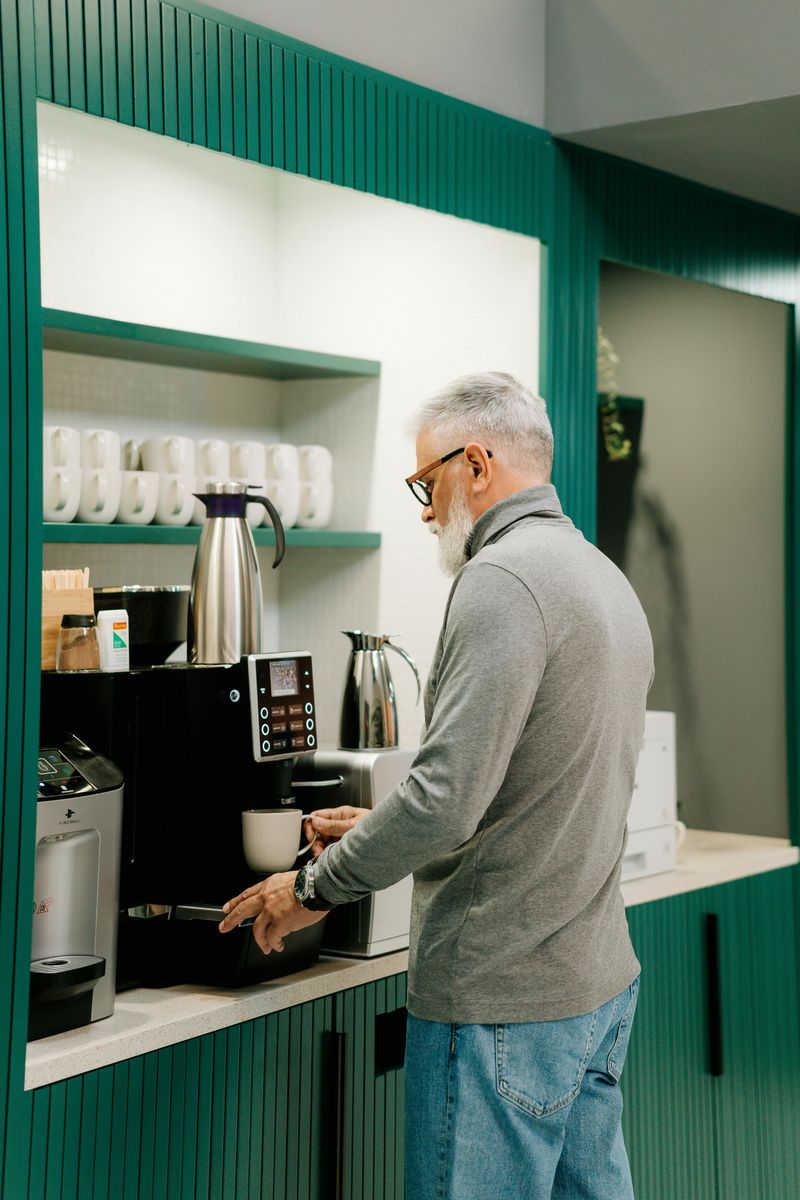
Signs that say “Please Wait Here” or “One Item Per Customer” somehow don’t apply to certain Boomers who confidently bypass them.
Whether it’s cutting in line, parking in restricted spots, or bending store policies, they approach rules with a flexibility that makes younger people nervous.
This confidence might stem from decades of life experience teaching them which rules truly matter.
Younger generations, however, tend to be more rule-conscious and worry about consequences, making them anxious when accompanying rule-bending elders.
They fear confrontation from other customers or staff members and feel responsible for behavior they can’t control.
The casual disregard for posted guidelines creates tension because millennials and Gen Z generally prefer following established procedures to avoid conflict or getting into trouble.
6. Oversharing Deeply Personal Details

Medical procedures, financial struggles, and family conflicts used to be discussed openly among Boomers’ social circles.
Many carry this habit into public spaces, loudly sharing intimate details with acquaintances or even strangers in elevators, waiting rooms, or restaurants.
They see these conversations as normal bonding experiences and don’t consider who else might be listening.
Younger people value privacy much more highly and feel uncomfortable when personal information gets broadcast publicly.
Hearing about someone’s surgery, divorce, or bank account balance in a crowded space feels like witnessing something that should remain private.
The discomfort intensifies when the oversharer is a family member, making younger relatives want to disappear into the floor while desperately wishing for noise-canceling headphones.
7. Calling Out Other People’s Behavior Publicly
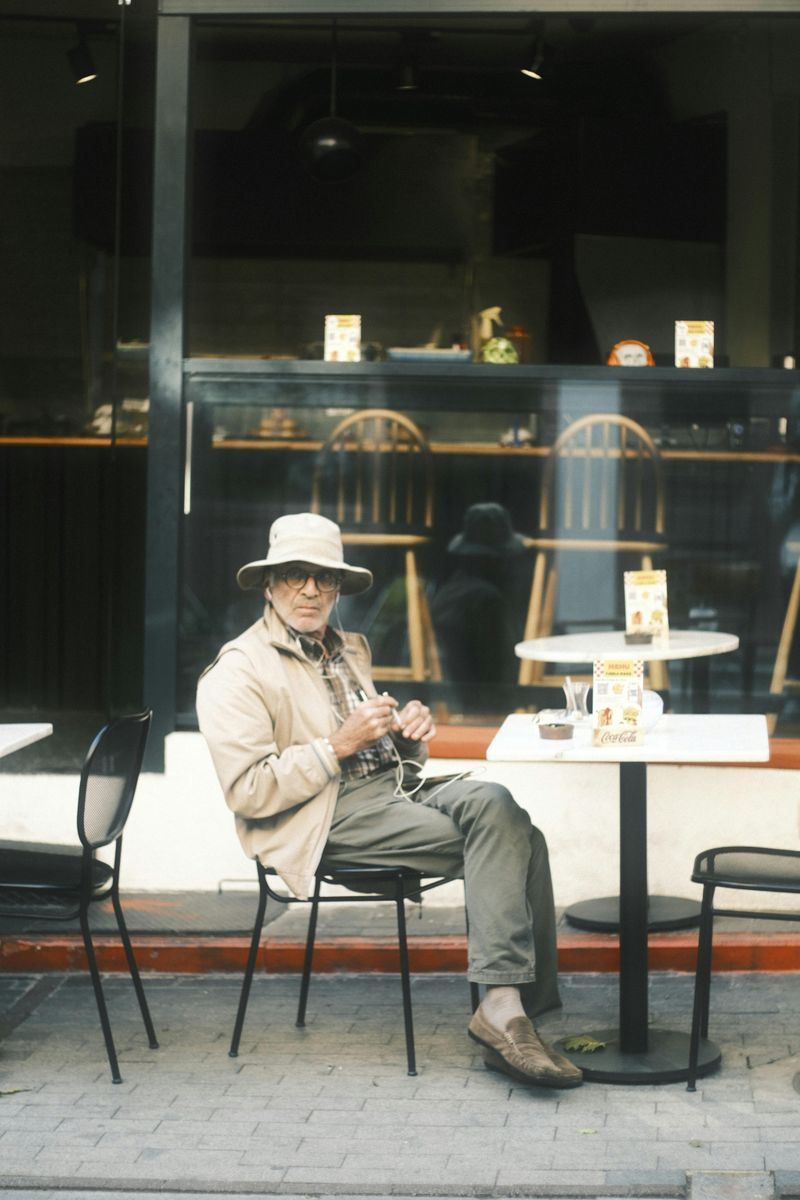
Some Boomers have appointed themselves as society’s unofficial conduct monitors, freely commenting on how strangers parent their children, dress, behave, or speak.
They might loudly critique a teenager’s outfit, question someone’s parenting choices, or comment on another diner’s table manners.
In their view, they’re upholding standards and offering helpful social guidance.
Younger generations find this mortifying because they believe in minding their own business and respecting different choices.
Public criticism of strangers creates uncomfortable confrontations that could easily be avoided.
When a Boomer family member becomes the behavior police, their younger relatives experience waves of embarrassment, knowing that these unsolicited opinions reflect poorly on everyone in the group and could potentially escalate into unpleasant arguments.
8. Showing Up or Stopping Unexpectedly Without Warning

Dropping by someone’s house unannounced or extending a quick errand into an hour-long social visit feels normal to many Boomers.
They grew up when surprise visits were welcome and schedules were more flexible.
Lingering in stores to chat or arriving at someone’s home without calling first doesn’t strike them as unusual or inconsiderate.
Younger people, however, structure their lives around schedules, appointments, and advance planning.
Unexpected arrivals or extended stays disrupt carefully planned routines and can feel intrusive.
When Boomers decide to “just stop by” or turn a fifteen-minute task into an extended social event, their younger companions often feel anxious about other commitments being delayed.
The lack of warning or consideration for others’ time creates frustration and awkwardness.
9. Insisting on Outdated Methods in Modern Situations

Watching someone unfold a massive paper map in a parking lot or write a check at a busy grocery store can test anyone’s patience.
Many Boomers prefer traditional methods they’ve used for decades, even when faster digital alternatives exist.
They trust what they know and sometimes resist learning new technology, viewing their approach as more reliable and personal.
Unfortunately, these preferences often hold up lines and create bottlenecks in public spaces designed for modern efficiency.
Younger people feel embarrassed when their Boomer relatives insist on paper forms, refuse self-checkout, or pull out checkbooks while impatient customers wait behind them.
The secondhand embarrassment comes from knowing that simpler options exist and watching others’ frustration grow as outdated methods slow everyone down unnecessarily.
10. Turning Every Small Task Into a Phone Call

Need to check store hours or make a simple reservation?
Younger people pull out their phones and handle it silently within seconds.
Boomers, however, often prefer calling businesses directly, sometimes on speakerphone in public places.
They value human interaction and find phone conversations more reliable than apps or websites that might have outdated information.
This habit creates embarrassment for younger companions who know that texts, apps, or websites could resolve the matter quietly and quickly.
Listening to a Boomer call a restaurant to ask about menu items that are clearly listed online, or phone a store to check if they’re open instead of googling it, feels unnecessarily complicated.
The preference for verbal communication over digital efficiency makes younger people squirm, especially when these calls happen loudly in public spaces.
Comments
Loading…