
 Jade Reed
10 ‘Polite’ ’80s Habits That Now Make You Look Out of Touch

The 1980s taught us many lessons about manners and courtesy that seemed perfectly reasonable at the time.
Back then, certain behaviors were considered the height of politeness and respect.
However, times have changed dramatically, and what once seemed like good manners can now make you appear stuck in the past or even a bit awkward in modern social situations.
1. Dropping By Someone’s House Unannounced

Back in the ’80s, showing up at a friend’s house without warning was considered a friendly, spontaneous gesture.
Neighbors would pop over for coffee, and relatives might arrive unexpectedly for a visit.
Everyone seemed to welcome the surprise.
Today’s world operates very differently.
People value their personal space and planned schedules more than ever before.
Most of us juggle work, family, and personal time carefully.
An unannounced visit can feel intrusive and uncomfortable, catching people at inconvenient moments.
Modern courtesy means sending a text or calling ahead to arrange a time that works for everyone involved, respecting boundaries and busy lives.
2. Calling Instead of Texting First

Remember when picking up the phone and dialing someone directly was the normal way to communicate?
In the ’80s, phone calls were the primary method of staying in touch.
Nobody thought twice about calling friends or family whenever they wanted to chat.
Fast forward to today, and unexpected phone calls can feel jarring or even stressful.
Most people prefer a quick text message first to gauge availability and give the recipient time to prepare for a conversation.
Calling without warning might make someone think there’s an emergency.
The modern approach respects people’s time and mental space by checking in via text before initiating a voice conversation.
3. Writing Lengthy Thank-You Notes for Minor Gestures
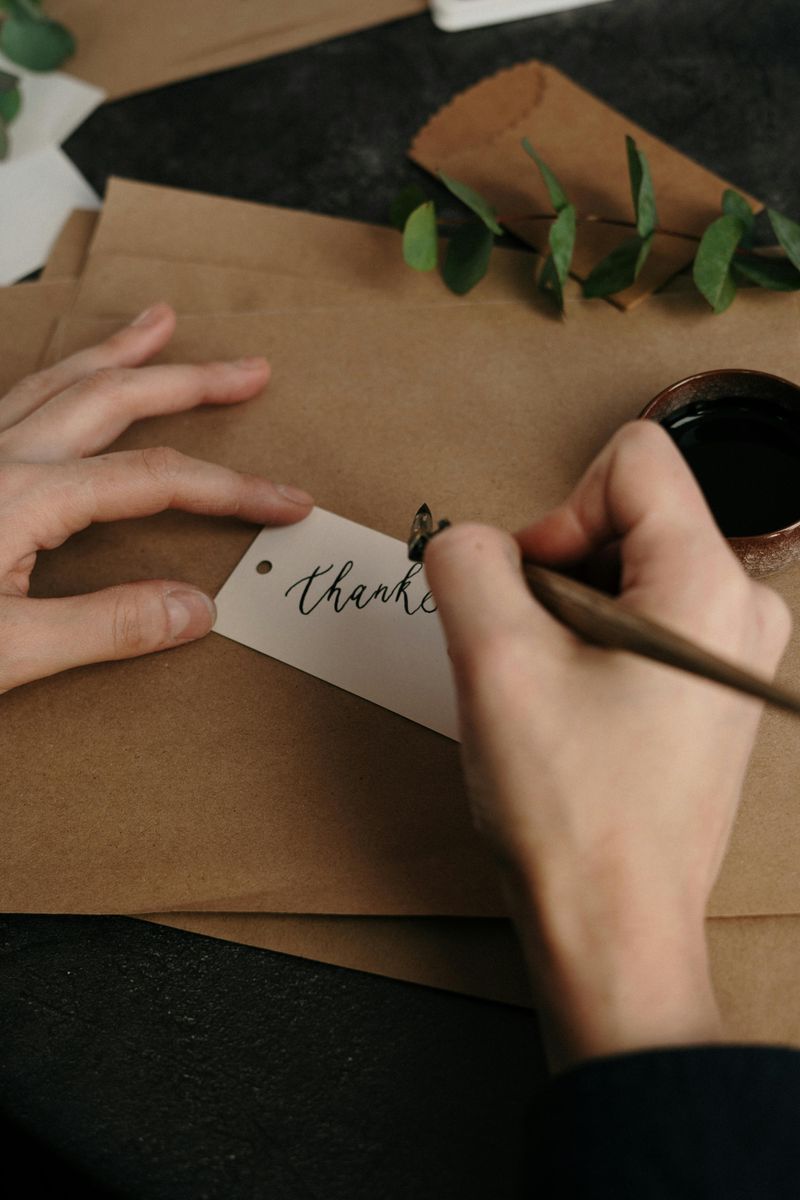
Grandma always insisted on formal thank-you cards for everything, from dinner invitations to small gifts.
The ’80s emphasized elaborate, handwritten notes with proper formatting and heartfelt paragraphs.
This was considered the gold standard of gratitude and politeness.
While gratitude remains important, today’s communication style favors speed and efficiency.
A sincere text message or quick email often feels more appropriate for minor favors.
Sending a formal card for something small can seem excessive or even uncomfortable.
People appreciate genuine thanks, but they don’t expect Victorian-era formality.
Save the elaborate cards for truly significant occasions, and embrace casual but heartfelt digital messages for everyday kindness.
4. Using Formal Titles for Everyone

Mr. Smith and Mrs. Johnson were standard ways to address adults throughout the 1980s.
Children were taught never to use first names with grown-ups, and workplaces maintained strict formality.
This hierarchy of respect was deeply ingrained in society.
Modern culture has shifted dramatically toward informality and equality.
Most people prefer being called by their first names, even in professional settings.
Insisting on titles can create unnecessary distance and make interactions feel stiff.
While some situations still call for formality, automatically defaulting to titles can make you seem out of touch.
Pay attention to how people introduce themselves and follow their lead for a more natural connection.
5. Never Discussing Money or Salaries

Financial discussions were considered deeply private and inappropriate for polite conversation.
“It’s rude to talk about money!”
This warning echoed through every ’80s household.
People avoided mentioning salaries, home prices, or personal finances at all costs.
Today’s transparency culture has flipped this script entirely.
Open discussions about pay help workers identify unfair wage gaps and negotiate better compensation.
Younger generations especially embrace financial honesty as a tool for equality.
Refusing to discuss money now can seem old-fashioned or even suspicious.
While you don’t need to share every detail, being open about general financial topics helps create fairness and understanding in both personal and professional relationships.
6. Always Dressing Formally for Air Travel

Air travel in the ’80s was an event that required your Sunday best.
Women wore dresses and heels, while men donned suits and ties.
Airlines treated passengers like VIPs, and dressing up showed respect for the experience and fellow travelers.
Modern air travel has become entirely different.
Security lines, cramped seats, and long flights make comfort the top priority.
Most passengers wear stretchy pants, sneakers, and layers for temperature control.
Showing up in formal attire now looks impractical and out of sync with reality.
Airlines have changed too, offering less legroom and fewer amenities.
Embracing comfortable clothing demonstrates that you understand current travel realities rather than clinging to outdated glamour.
7. Standing When Someone Enters the Room

Proper ’80s etiquette demanded that you stand whenever someone entered a room, especially for elders or guests.
This gesture showed deference and respect.
Men particularly were expected to rise when women approached, and everyone stood for authority figures.
Contemporary society views this tradition as unnecessarily formal and outdated.
Most casual settings don’t require such gestures, and insisting on them can make everyone feel awkward.
The practice can also reinforce old-fashioned gender roles that many find uncomfortable.
While standing might still be appropriate in very formal situations, doing it routinely makes you appear stuck in another era.
A warm greeting and genuine attention work better than rigid physical protocols.
8. Strict Restaurant Etiquette About Who Orders or Is Served First
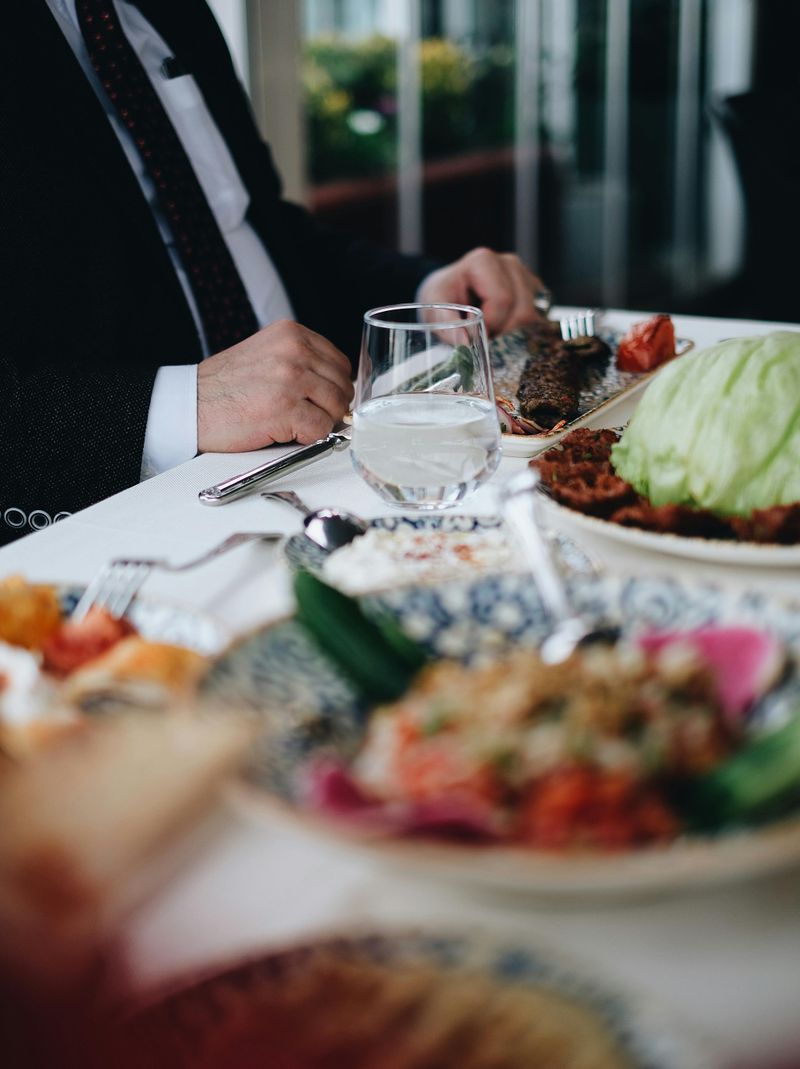
Traditional dining rules dictated precise orders for everything: women ordered first, eldest guests received their meals before others, and men sometimes ordered for their dates.
The ’80s took these protocols seriously, and breaking them was considered improper.
Modern restaurants and diners have abandoned most of these rigid customs.
Servers bring food as it’s ready, and everyone orders for themselves regardless of gender.
These old rules can seem patronizing or unnecessarily complicated today.
Insisting on formal serving protocols now makes dining experiences awkward and uncomfortable.
Casual dining culture values efficiency and equality over ceremony.
Relax and let everyone handle their own orders without worrying about outdated hierarchies.
9. Answering Every Phone Call Immediately

When the phone rang in the ’80s, you dropped everything to answer it.
Missing a call meant potentially missing important news since there was no voicemail or caller ID.
Immediate availability was expected and considered polite.
Smartphones have completely transformed our relationship with phone calls.
Voicemail, text messages, and caller ID give us the freedom to respond when convenient.
Constant availability is no longer expected or even healthy.
Rushing to answer every call now seems frantic and unnecessary.
People understand that you might be busy, driving, or simply need space.
Taking time to return calls at your convenience is perfectly acceptable and shows healthy boundaries rather than rudeness.
10. Bringing a Host Strong-Scented Gifts Like Perfume

Bringing perfume, scented candles, or potpourri to your host was considered a classy gesture in the ’80s.
These gifts showed thoughtfulness and added a luxurious touch to someone’s home.
Department store fragrance counters specifically marketed these items as perfect hostess gifts.
Today’s awareness of allergies, sensitivities, and personal preferences has changed everything.
What smells wonderful to you might trigger headaches or allergic reactions in others.
Many people prefer fragrance-free environments for health reasons.
Giving strong-scented items now risks making your host uncomfortable or even ill.
Better alternatives include neutral gifts like wine, food items, or unscented candles.
Thoughtfulness means considering the recipient’s needs rather than following outdated gift-giving formulas.
Comments
Loading…