
 Chloe Peterson
10 Old-School Life Skills Millennials Learned Young That Kids Don’t Need Anymore

Growing up in the 80s and 90s meant picking up a whole set of skills that felt totally normal back then but seem almost ancient today.
Millennials learned how to navigate without GPS, memorize phone numbers, and actually wait in line without staring at a screen.
Technology has quietly replaced most of these habits, making them feel more like party tricks than everyday necessities.
Here is a look at 10 skills that older generations mastered early in life but today’s kids will probably never need to learn.
1. Navigate Using Landmarks and Ask Strangers for Directions
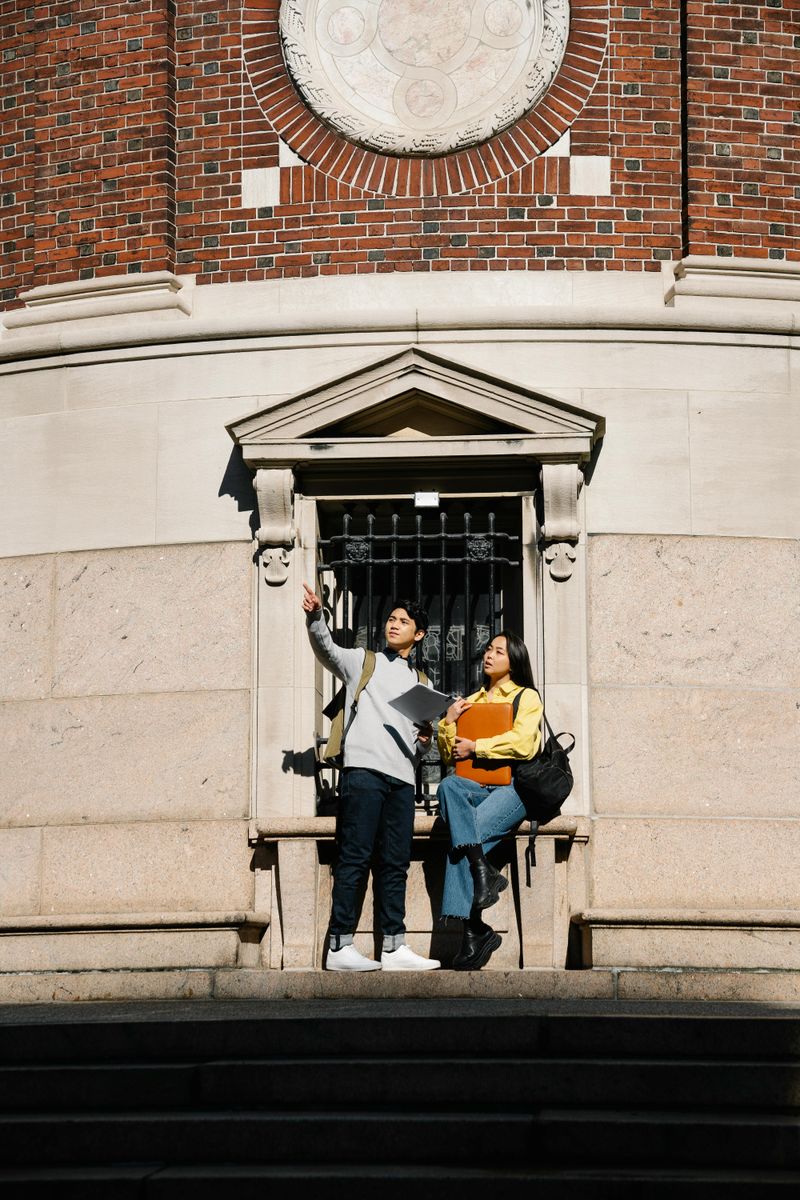
Long before GPS told you to turn left in 400 feet, getting somewhere meant actually knowing where you were going.
Millennials grew up spotting water towers, old diners, and familiar storefronts as mental checkpoints on every trip.
Missing a turn meant pulling over, rolling down the window, and asking a real human being for help.
That skill of listening to verbal directions and holding them in your head while driving took real concentration.
Kids today rarely develop that kind of spatial awareness because an app handles every step.
Honestly, it made people more observant of the world around them.
2. Memorize Dozens of Phone Numbers

Back when phones lived on walls and not in pockets, remembering a friend’s number was just something you did.
Repetition burned those seven digits into your brain until dialing felt as automatic as tying your shoes.
Most millennials could rattle off five to ten numbers without blinking.
Smartphones changed everything by storing every contact automatically, meaning most people today barely remember their own number.
There is something oddly impressive about that old mental filing system, though.
The brain got a real workout every time someone picked up the receiver and dialed from pure memory alone.
3. Wait Without Constant Entertainment
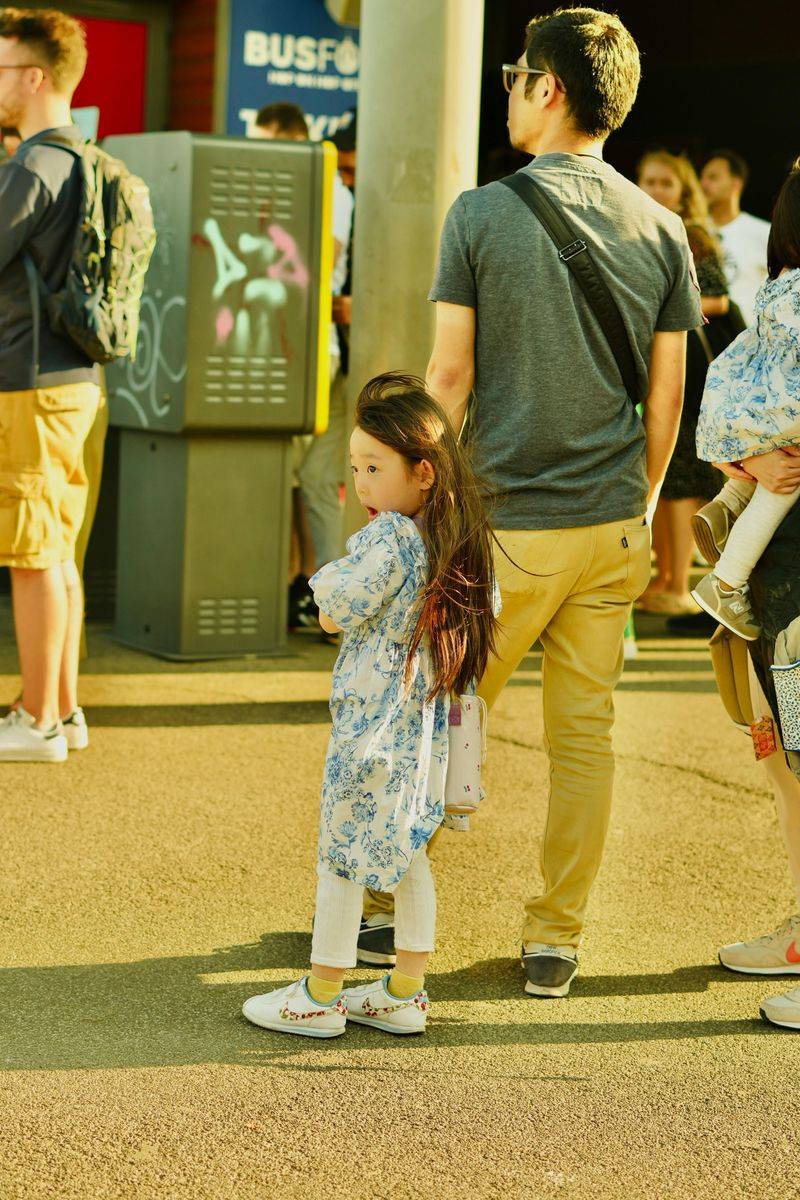
Waiting used to just be waiting.
No scrolling, no streaming, no earbuds pumping music into your head while you stood in the checkout line.
Millennials spent plenty of time simply sitting with their own thoughts, watching clouds, or striking up random conversations with whoever happened to be nearby.
That ability to be comfortable with stillness and boredom is something researchers now say supports creativity and emotional balance.
Kids today rarely experience unstructured quiet moments because entertainment is always one tap away.
There is real value in learning how to just exist without needing a screen to fill the silence.
4. Look Up Information in Books and Encyclopedias

Finding an answer used to be a whole adventure.
Before search engines existed, curious kids had to pull a heavy encyclopedia off the shelf, flip through alphabetical tabs, and scan dense paragraphs for the one sentence they actually needed.
Sometimes the answer led to three more questions.
That process built patience, reading comprehension, and the ability to evaluate sources critically.
Today, a typed question produces instant results, which is convenient but skips the digging.
There is something worth appreciating about learning how to piece together knowledge from multiple places rather than accepting the first result that pops up on a screen.
5. Make Plans and Actually Stick to Them

Agreeing to meet someone at 3 o’clock at the mall fountain meant showing up at 3 o’clock at the mall fountain, full stop.
There was no quick text to say you were running late, no location pin to share, and no way to casually bail at the last second.
Plans were sacred because communication was limited.
That kind of commitment built reliability and respect for other people’s time in a way that feels almost old-fashioned now.
Constant connectivity has made it easy to treat plans as flexible suggestions.
Millennials learned early that your word was pretty much all you had when you made arrangements.
6. Read Social Situations Through Eye Contact
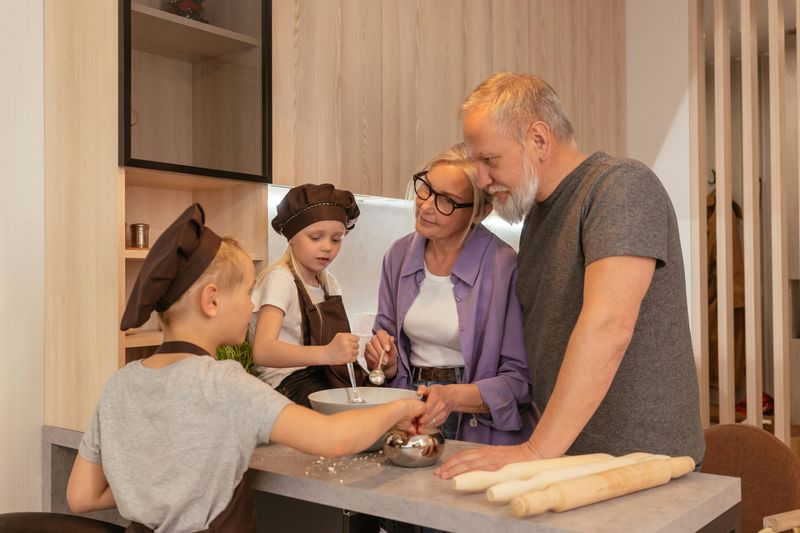
Reading a room used to require actually being in the room.
Before emojis and reaction buttons existed, people relied on raised eyebrows, crossed arms, and the way someone’s voice shifted when they were uncomfortable.
Millennials grew up learning these signals through constant face-to-face interaction every single day.
That emotional fluency helped people navigate friendships, classrooms, and workplaces with real intuition.
Digital communication strips away most of those physical cues, making it harder for younger generations to practice interpreting them naturally.
Knowing when someone is genuinely happy versus politely tolerating a conversation is a skill that screens simply cannot teach effectively.
7. Remember and Retell Stories From Memory
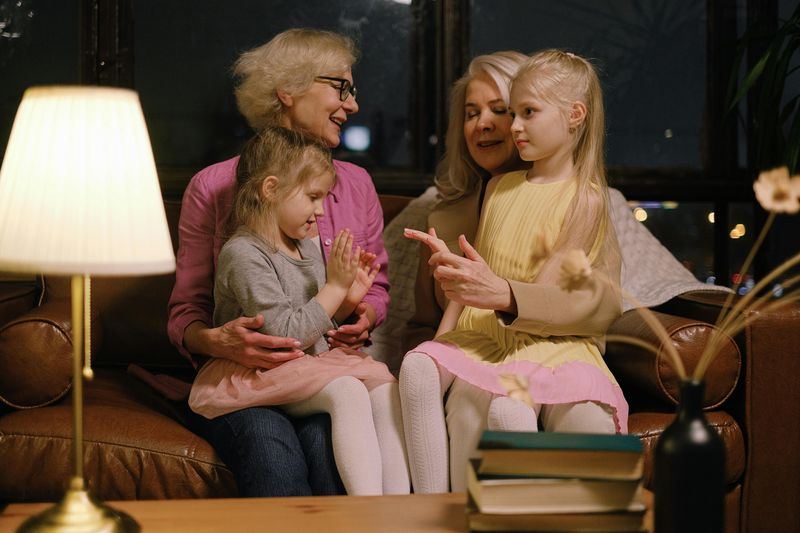
Before every moment got photographed and posted, memories lived entirely inside people’s heads.
Family dinners and holiday gatherings were filled with someone saying, “Oh, remember the time when…” and launching into a story that everyone half-remembered differently.
That storytelling tradition kept shared history alive in a genuinely human way.
Millennials grew up sharpening this skill without even realizing it.
Recalling details, building suspense, and holding a listener’s attention required mental effort and creativity.
Today, pulling out a phone to show a photo or video has largely replaced the spoken story.
Something quietly personal gets lost when memory outsources itself to a camera roll.
8. Create Entertainment Without Screens

Boredom used to spark the best ideas.
When there was nothing on TV and the weather was fine, kids grabbed whatever was nearby and invented something to do.
Cardboard boxes became forts, sidewalks became game boards, and empty afternoons became full-scale neighborhood adventures driven by pure imagination.
That resourcefulness built problem-solving skills and strengthened friendships in organic ways.
Entertainment required effort, negotiation, and creativity rather than a subscription or a charged battery.
Today’s kids have incredible tools at their fingertips, which is genuinely exciting, but the art of making your own fun from scratch is a quietly disappearing skill worth celebrating.
9. Read and Refold Paper Maps Without Getting Lost

Unfolding a road map was its own kind of puzzle, and refolding it correctly felt like a genuine accomplishment.
Travelers had to study routes ahead of time, identify landmarks, and mentally track their position as miles rolled by.
There was no voice telling you to recalculate after a wrong turn.
Spatial reasoning, patience, and confidence in your own judgment were all part of the package.
GPS has made road trips smoother and far less stressful, but it has also quietly removed the need to understand geography in any real depth.
Knowing how to read a map once felt like a genuine superpower.
10. Track Down Information by Calling People Directly

Calling a store to ask what time it closed required more courage than it sounds.
You had to dial, wait, speak clearly to a stranger, listen carefully to the answer, and remember it long enough to act on it.
No autofill, no website chat box, no saved notes popping up automatically.
That small daily habit built communication confidence and sharpened active listening in ways that felt totally unremarkable at the time.
Millennials made dozens of these practical calls every month without thinking twice.
Today, many people feel genuinely anxious about making phone calls at all, which says a lot about how much has quietly shifted.
Comments
Loading…