
 Hailey Watson
10 Old-School Holiday Manners That Don’t Apply Anymore
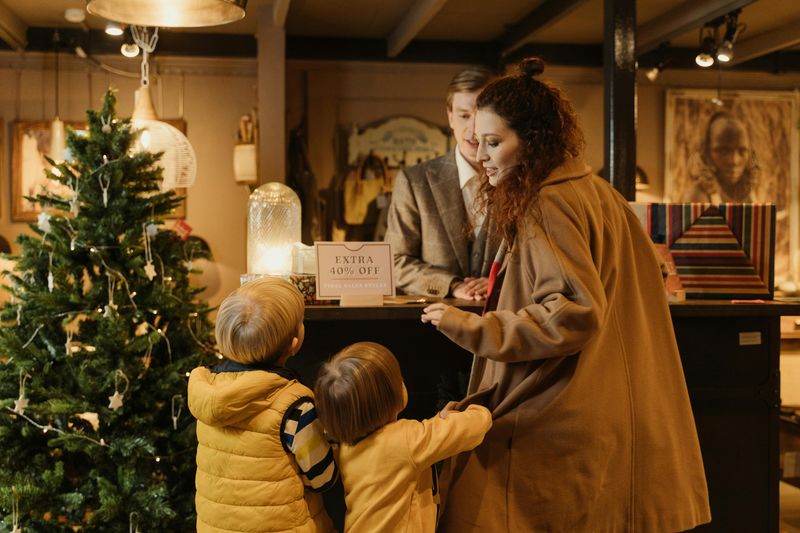
Holiday etiquette used to come with a long list of “shoulds,” and for many of us, those rules felt as unshakable as the family fruitcake no one actually eats.
Times have changed, though, and so have our expectations for what the holidays should look like.
Experts now agree that a lot of the old rules were more stressful than helpful, and most of them don’t fit modern life anyway.
What people want today is connection, comfort, and a whole lot less pressure to perform.
If you’ve ever wondered which etiquette traditions you can finally retire, you’re in the right place.
Grab a cup of cocoa, take a deep breath, and enjoy this guilt-free guide to the holiday “rules” you officially have permission to ditch.
1. You Must Send Physical Holiday Cards

Many people used to feel pressured to send dozens of handwritten cards, even if it meant staying up late or squeezing it into an already chaotic schedule.
Digital communication changed everything, and experts say sincerity now matters far more than fancy cardstock.
A heartfelt text or a thoughtful email can feel just as warm as a card that took three stamps and a paper cut.
Modern etiquette embraces whatever method genuinely reflects your relationship with the recipient.
Physical cards are still lovely, but they’re no longer required for maintaining connections or proving you care.
The holidays should be a time for joy, not for guilt over envelopes and return-address labels.
If a digital greeting saves you time, money, and mental energy, then it’s perfectly acceptable.
2. Hosts Have to Prepare a Full Home-Cooked Meal
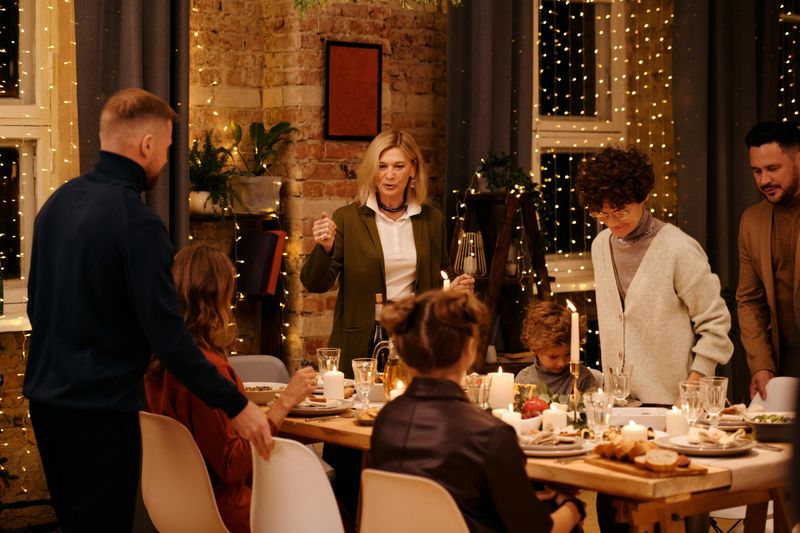
Home-cooked feasts once symbolized effort, hospitality, and love, but experts now say that expectation belongs to another era.
Life is busier, dietary needs are more complex, and not every host has the time—or desire—to play chef for an entire crowd.
Store-bought dishes, catered meals, and simple menus absolutely count as thoughtful hosting.
What makes people feel welcome isn’t the labor behind the table; it’s the warmth of the invitation.
Guests rarely care whether the pie came from your oven or your favorite bakery, as long as the atmosphere feels genuine.
Modern etiquette encourages hosts to prioritize connection over stress.
If simplifying the meal lets everyone relax and enjoy the celebration, then that’s the real holiday magic.
3. Guests Should Never Bring Their Own Food or Drinks
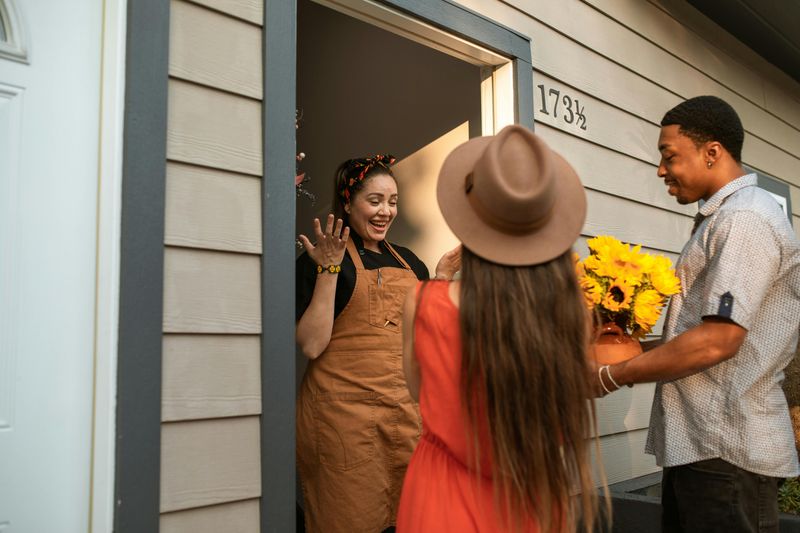
Traditional etiquette insisted that bringing extra food signaled distrust in the host’s menu, but that idea no longer holds up.
Today’s gatherings often include guests with allergies, preferences, or cultural dishes they’re excited to share.
Experts say it’s perfectly polite—and often helpful—for guests to contribute something they love.
This shift also eases pressure on hosts, who no longer have to anticipate every dietary scenario.
Instead of appearing rude, bringing a dish can feel like a thoughtful gesture that adds variety to the table.
Holiday celebrations are richer when everyone participates in their own way.
No one needs to feel awkward about offering support in the form of a bottle of wine or a homemade treat.
4. You’re Expected to Give Gifts to Everyone

Gift-giving used to feel like a competitive sport, with long lists and matching gift bags for every acquaintance.
Experts say the modern approach favors intentional gifting rather than obligatory spending.
People now embrace minimalist holidays, group gift exchanges, or experiences instead of more “stuff.”
Financial stress is one of the biggest holiday burdens, and etiquette no longer expects anyone to overspend to keep up appearances.
Choosing to skip gifts, limit them, or focus solely on immediate family doesn’t make you rude; it makes you realistic.
What truly counts is the spirit behind the celebration, not the quantity of wrapped boxes beneath a tree.
Giving yourself permission to simplify your list can bring far more joy than any last-minute purchase ever could.
5. Regifting Is Always Bad Manners

A once-taboo practice is now surprisingly acceptable, according to etiquette experts who see it as a sustainable, thoughtful choice when done right.
Many people receive lovely items that simply don’t suit their lifestyle, and passing them along ensures they don’t go to waste.
Regifting only becomes tricky when it’s careless, mismatched, or given back to the original giver—something everyone wants to avoid.
Choosing the right recipient makes the gesture feel intentional rather than dismissive.
New, unused items can become perfect gifts for someone who genuinely appreciates them.
This modern perspective reduces clutter and supports eco-friendly habits.
The key is mindfulness, not secrecy, and regifting done with care has officially lost its bad reputation.
6. You Must Dress Formally for Every Holiday Gathering

Holiday parties once demanded uncomfortable shoes, stiff fabrics, and outfits that looked great but felt terrible.
Experts now agree that comfort is a far better guide than tradition.
People host gatherings in living rooms, backyards, and virtual calls, and dress codes naturally evolve with the setting.
Showing up in attire that makes you feel confident and relaxed is far more important than following outdated fashion rules.
Hosts rarely mind if guests choose something cozy over something formal.
Modern etiquette embraces personal expression and acknowledges that the holidays are stressful enough without wardrobe anxiety.
If you feel good in what you’re wearing, it’s already the perfect outfit for the occasion.
7. Holiday Visits Should Be Long and Uninterrupted

Marathon holiday visits were once seen as a sign of respect and closeness, but modern life makes that expectation unrealistic for many.
Experts say shorter visits are often more enjoyable because they allow guests to be present without feeling drained.
Busy schedules, kids’ routines, and travel logistics mean people can’t always spend entire days with extended family.
Quality now outweighs quantity when it comes to holiday time together.
Even a brief stop-by can create meaningful memories without exhausting anyone.
Virtual check-ins or staggered gatherings also offer flexibility that reduces stress for everyone involved.
Holiday etiquette now embraces the idea that being thoughtful with your time matters more than stretching it out.
8. Children Should Be “Seen and Not Heard” at Holiday Events

Families once expected kids to sit quietly, behave perfectly, and avoid disrupting adult conversations.
Experts now say that approach doesn’t align with realistic child development or modern family values.
Including children in activities helps build stronger connections and teaches them how to engage socially.
Holiday gatherings become more lively and authentic when kids are allowed to participate.
Well-behaved doesn’t have to mean silent or invisible.
A child’s laughter, creativity, and curiosity bring energy that many adults secretly enjoy.
Creating kid-friendly spaces or activities allows everyone to relax—and makes the celebration feel more inclusive.
9. You Should Never Talk About Mental Health, Stress, or Boundaries During the Holidays
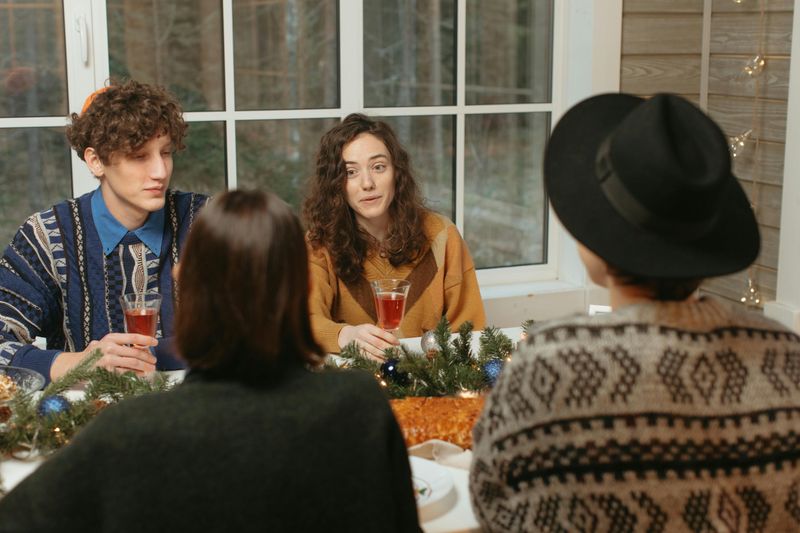
Many families grew up believing that holiday gatherings required unwavering positivity and emotional restraint.
Experts now emphasize the importance of recognizing personal limits, especially during a season known for heightened stress.
Discussing boundaries or mental well-being isn’t a sign of negativity; it’s a way to communicate honestly and prevent burnout.
When people acknowledge their needs, gatherings often run more smoothly.
Modern etiquette values emotional authenticity over forced cheer.
Checking in with yourself and others can create a safer, more supportive environment.
Healthy conversations often lead to deeper connections and a more peaceful holiday experience for everyone involved.
10. Declining an Invitation Is Rude—Even If You’re Overwhelmed

A packed social calendar once symbolized holiday enthusiasm, but today’s experts recognize that rest is an essential part of the season.
People juggle work, family, finances, travel, and emotional demands, making every event impossible to attend.
Saying no to an invitation isn’t impolite; it’s responsible and respectful when communicated kindly.
Hosts increasingly understand that overwhelmed guests aren’t able to enjoy the celebration anyway.
Setting boundaries allows you to show up more fully when you genuinely have the bandwidth.
A simple thank-you paired with a polite decline is all that’s needed.
Self-care has officially become an important part of modern holiday etiquette.
Comments
Loading…