
 Hailey Watson
10 Items to Remove From Your Wallet Once You’re Over 50
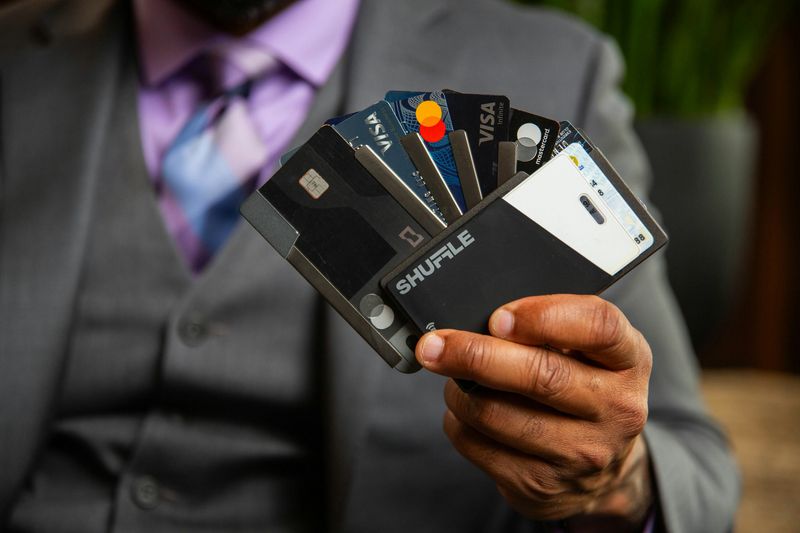
Your wallet might be carrying more risk than you realize.
After turning 50, it’s smart to rethink what you keep in that leather companion of yours.
A few simple changes can protect you from identity theft and give you peace of mind every time you leave the house.
1. Social Security Card
That little blue card with your Social Security number should never leave your home.
Criminals can use this nine-digit code to open credit accounts, file fake tax returns, or even steal your medical benefits.
Most people memorize their number after using it a few times anyway.
Keep the physical card locked in a safe place at home, maybe in a fireproof box with other important documents.
If your wallet gets stolen and your Social Security card is inside, you’re facing months of headaches trying to fix the damage.
The risk simply isn’t worth the convenience of carrying it around every day.
2. Excess Credit and Debit Cards
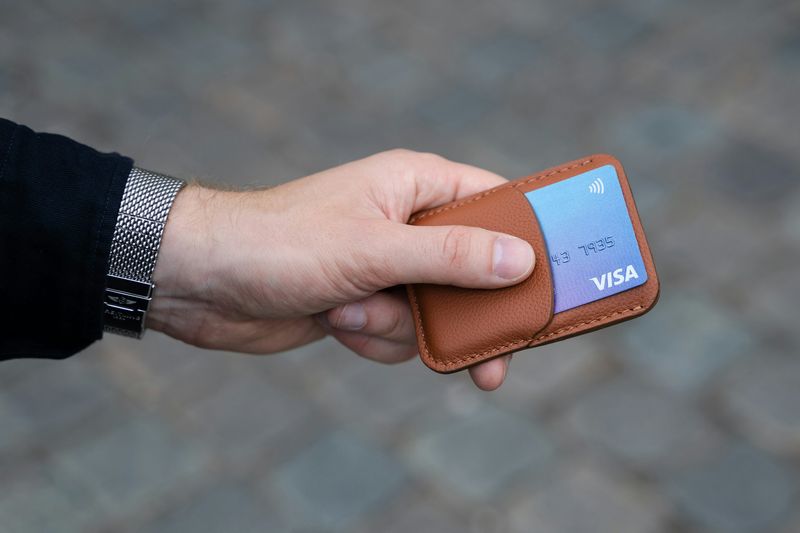
Carrying five or six payment cards makes your wallet bulky and puts you at serious risk.
Each card represents another account that could be compromised if someone swipes your wallet.
Pick one or two cards you actually use regularly and leave the rest at home.
You’ll know exactly which accounts to freeze if something goes wrong, making damage control much faster and easier.
Many people carry cards they haven’t touched in months, which means they might not even notice fraudulent charges right away.
Slim down your wallet and you’ll slim down your worries too.
3. Blank Checks
A single blank check is like handing a thief the keys to your bank account.
Your account number, routing number, and signature are all right there, ready to be misused.
Fraudsters can create fake checks, drain your account, or sell your banking information on the dark web.
Even if you catch it quickly, you’ll spend hours on the phone with your bank trying to reverse unauthorized transactions.
Keep your checkbook at home and only bring checks when you know you’ll need them for a specific purpose.
Digital payment options are safer and more convenient for everyday purchases anyway.
4. Password Lists
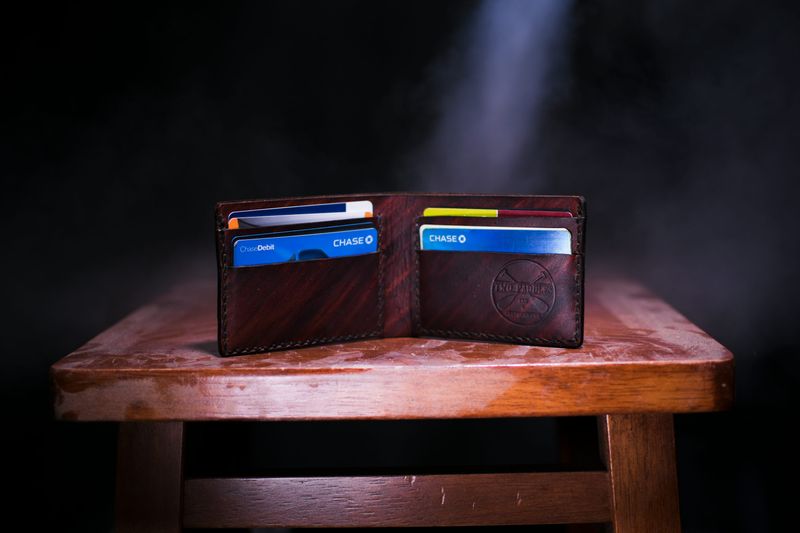
Writing passwords on paper and tucking them into your wallet defeats the entire purpose of having passwords.
Anyone who finds your wallet instantly gains access to your email, bank accounts, and social media.
Password managers are affordable and much safer than carrying a cheat sheet around.
They encrypt your information and only require you to remember one master password instead of dozens.
If you absolutely must write something down while you’re learning a new password, keep that note at home in a secure drawer.
Your digital life deserves better protection than a folded piece of paper in your back pocket.
5. Passport or Passport Card
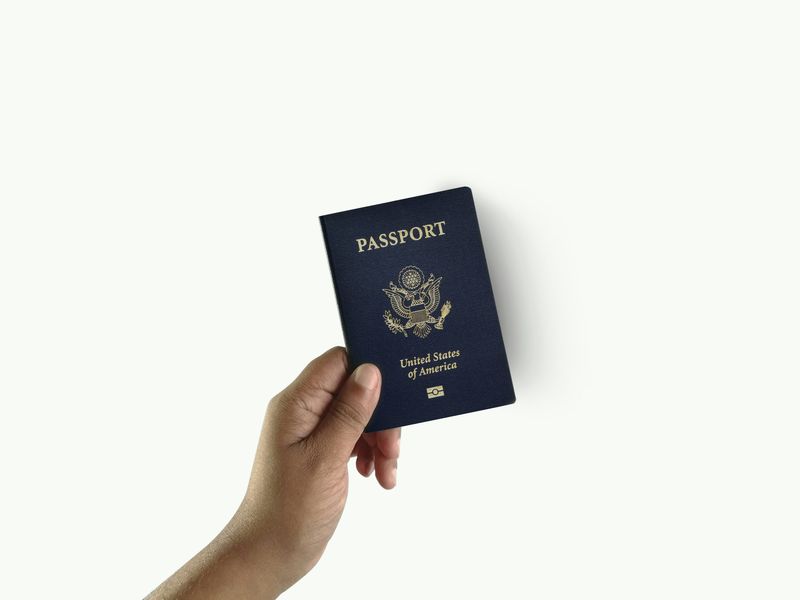
Unless you’re actively traveling internationally, your passport has no business being in your wallet.
This document is a goldmine for identity thieves who can use it to create fake identities or cross borders illegally.
Passport cards might seem less risky, but they still contain enough personal information to cause serious problems.
Replacing a lost or stolen passport is expensive, time-consuming, and requires multiple trips to government offices.
Store your passport in a locked drawer or safe at home where it belongs.
When you do need it for travel, carry it separately in a secure travel wallet that stays with you at all times.
6. Birth Certificate
Some folks carry a copy of their birth certificate thinking they might need it for identification purposes.
Bad idea.
This document contains your full name, date of birth, place of birth, and parents’ names—everything needed to steal your identity.
Fraudsters use birth certificates to apply for driver’s licenses, passports, and credit cards in your name.
The damage can take years to undo once someone has this level of personal information.
Your birth certificate belongs in a fireproof safe or safety deposit box, not folding around in your wallet getting worn and torn.
You’ll rarely need it anyway, and when you do, you can retrieve it from home.
7. Unredeemed Gift Cards
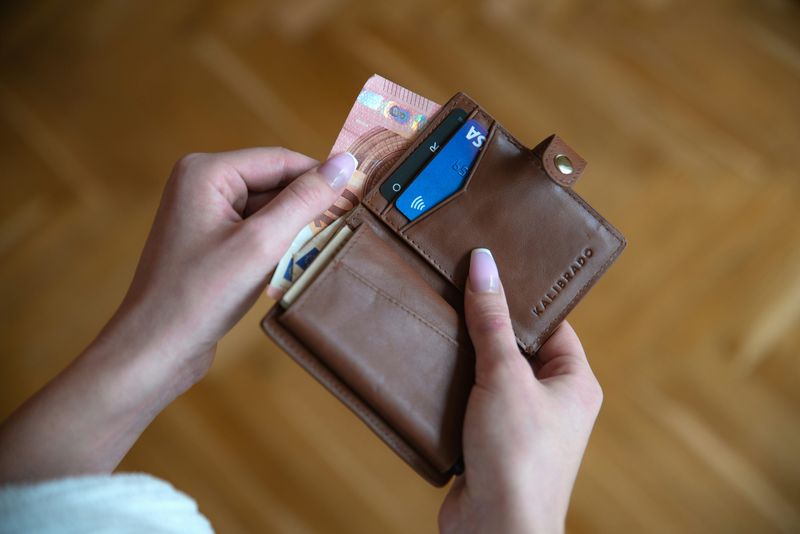
Gift cards are basically the same as cash—whoever holds them can spend them.
Carrying multiple gift cards in your wallet just adds unnecessary risk without any real benefit.
That Starbucks card from last Christmas or the Amazon gift card from your birthday can easily be used by someone else if your wallet disappears.
Most companies won’t replace lost or stolen gift cards, so you’re out of luck and out of money.
Keep gift cards at home in a designated spot until you’re ready to use them.
Better yet, register them online when possible so you can track balances and report them if they go missing.
8. Library Card
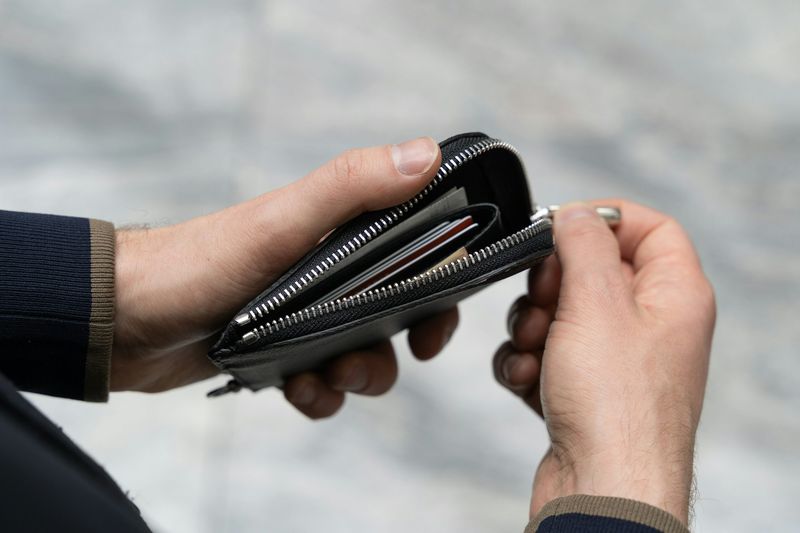
Your library card might seem harmless, but identity thieves can use it to check out items in your name and never return them.
You’ll end up with fines, a damaged library record, and potential collection agency headaches.
Most people don’t visit the library every single day, so there’s no reason to carry the card constantly.
Leave it at home and grab it only when you’re planning a library trip.
Many libraries now offer digital cards on your smartphone, which is a safer option anyway.
If you lose your phone, you can remotely wipe it, but a physical card in a stolen wallet is gone for good.
9. Medicare Card
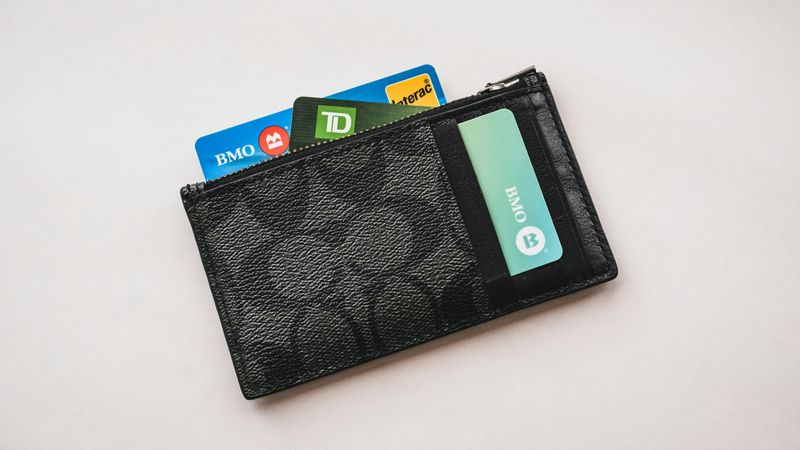
Your Medicare card displays your Social Security number right on the front, making it a double threat for identity theft.
Healthcare fraud is booming, and criminals use Medicare information to bill for fake medical services and prescription drugs.
You only need your Medicare card when you’re actually visiting a doctor or pharmacy.
The rest of the time, it should stay home in a secure location where prying eyes can’t reach it.
Consider making a copy without your full Social Security number visible, or ask your doctor’s office if they already have your information on file.
Protecting your healthcare identity is just as important as protecting your financial accounts.
10. Rarely Used Membership Cards
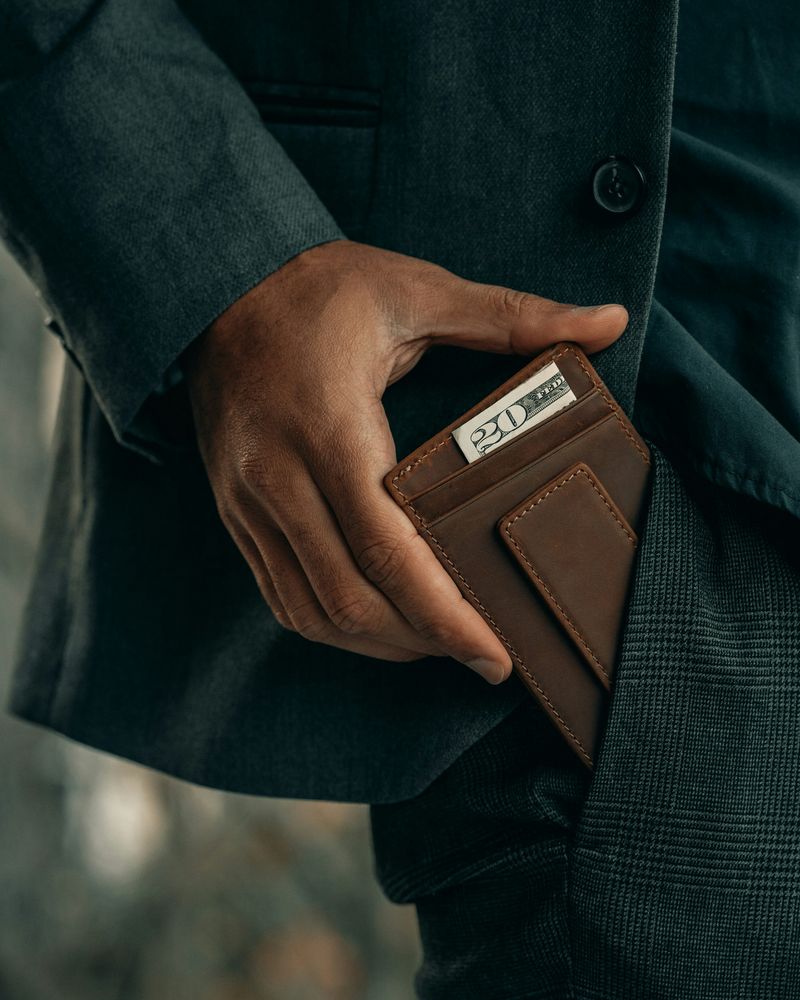
Gym memberships, store loyalty cards, and club memberships can pile up fast in your wallet.
Each one contains personal information like your name, address, and sometimes even your date of birth.
If you haven’t used that video store card in six months, why are you still carrying it around?
Thieves can use membership cards to piece together your identity or make purchases under your account at certain retailers.
Evaluate which memberships you actually use weekly and only carry those.
The rest can live at home or be converted to digital versions on your phone for occasional use when needed.
Comments
Loading…