
 Mary Murphy
10 Cultural Mistakes Americans Make Abroad Without Even Realizing It
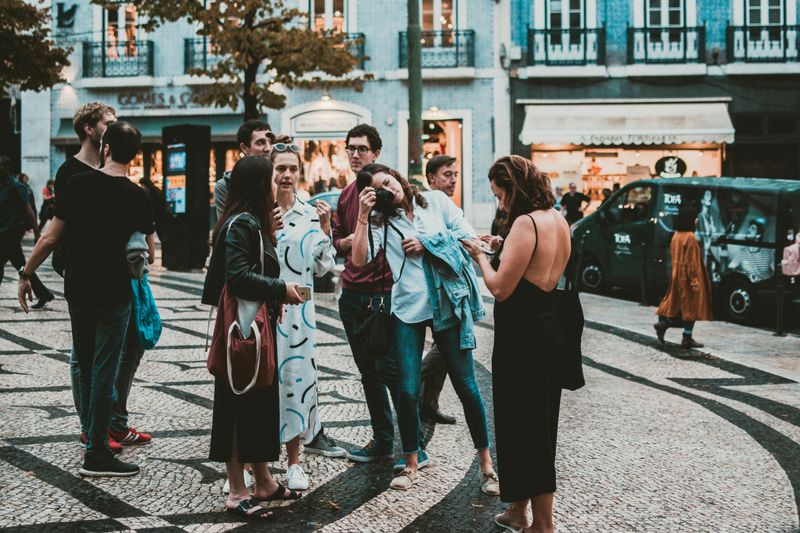
Traveling abroad is an exciting adventure, but even the most well-meaning Americans can accidentally offend locals without knowing it.
What feels polite or normal back home might be seen as rude or strange in another country.
Understanding these cultural differences can help you make better connections and enjoy a more respectful travel experience.
1. Being Too Loud in Public Spaces
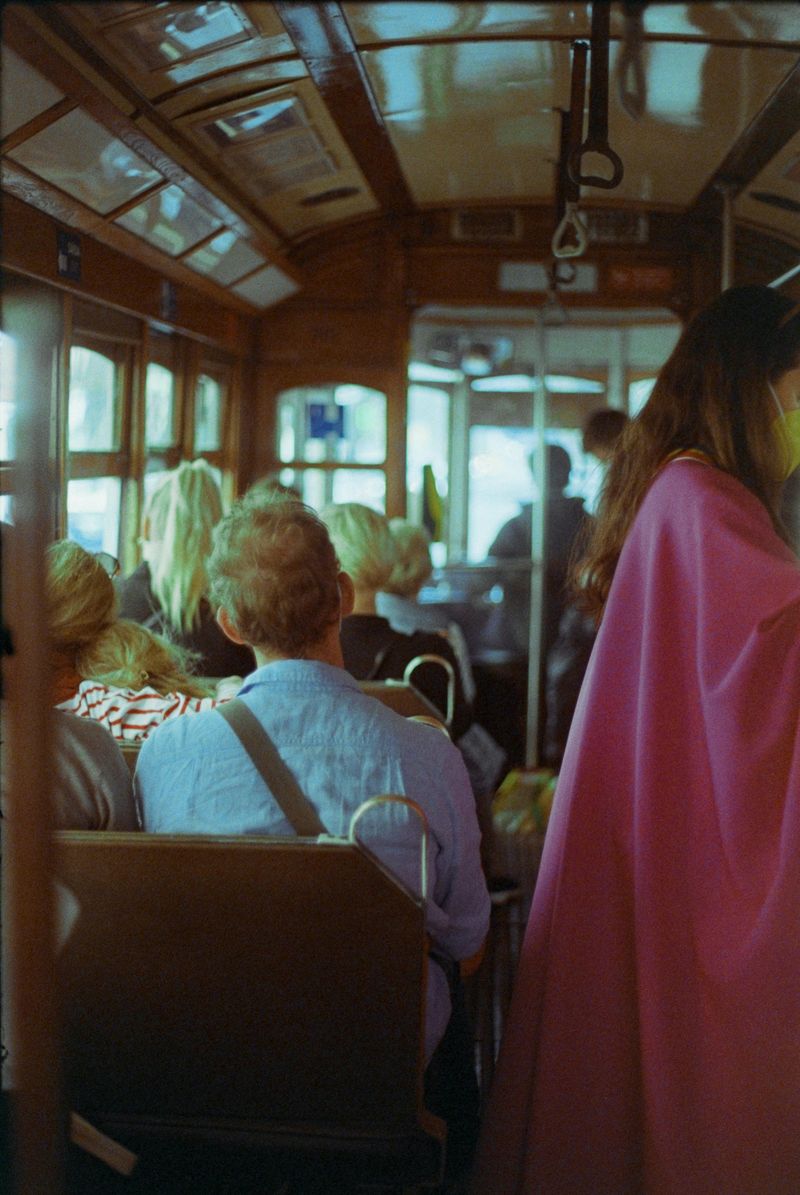
Americans are known for their enthusiastic conversations, but what sounds like normal talking volume in the U.S. can feel jarring in many other countries.
In places like Japan, Switzerland, and much of Scandinavia, people speak softly in public spaces like trains, restaurants, and museums.
Raising your voice, even when excited, might make locals uncomfortable or label you as inconsiderate.
Many cultures view quiet public behavior as a sign of respect for others sharing the space.
Before you travel, try practicing a softer speaking voice.
Pay attention to how locals communicate and match their volume level to blend in better and show cultural awareness.
2. Touching People During Conversations

A friendly pat on the back or a light touch on the shoulder feels natural to many Americans.
We use physical contact to show warmth and build connections during conversations.
However, personal space boundaries vary dramatically around the world.
In countries like Japan, Korea, and many parts of Northern Europe, casual touching can feel invasive or even inappropriate.
People prefer maintaining physical distance, especially with acquaintances or strangers.
Watch how locals interact before reaching out.
If you notice people keeping their hands to themselves, follow their lead.
A smile and eye contact can convey friendliness just as effectively without crossing cultural boundaries.
3. Wearing Shoes Indoors

Most Americans think nothing of walking into a home with shoes on, but this habit shocks people in many countries.
In Japan, Korea, Thailand, Turkey, and Scandinavia, removing shoes at the door is absolutely essential.
Keeping shoes on is considered both disrespectful and unhygienic, as it tracks dirt and outdoor germs into clean living spaces.
Some restaurants, temples, and traditional establishments also require shoe removal.
Always look for shoes near the entrance as a clue.
If you see a pile of footwear by the door, immediately remove yours too.
Wearing clean, hole-free socks becomes suddenly important when traveling to these regions!
4. Tipping When You Shouldn’t
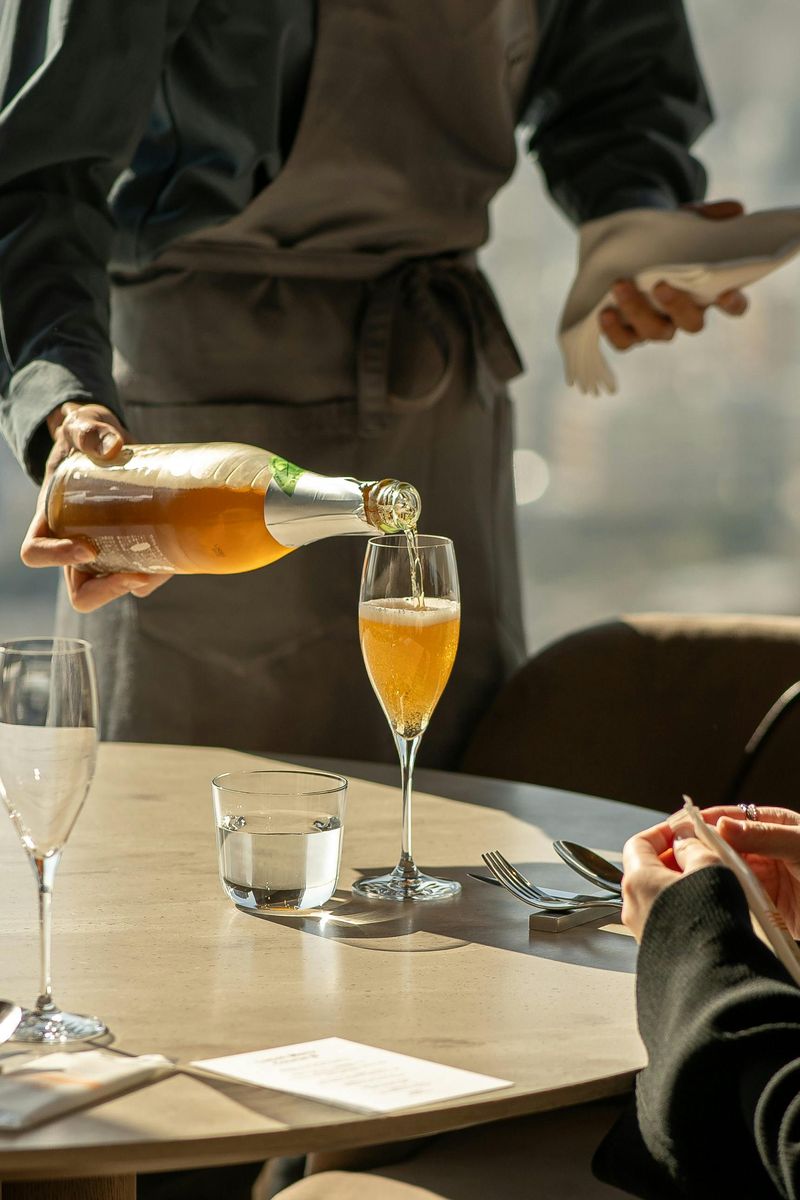
Tipping is practically automatic for Americans, but this generous habit can backfire abroad.
In Japan, tipping can actually insult service workers by implying they need extra money because their employer doesn’t pay fairly.
In many European countries, service charges are already included in your bill, making additional tips unnecessary.
Some places view tipping as awkward or confusing rather than appreciative.
Research tipping customs before you travel.
In Australia, New Zealand, and much of Asia, tipping simply isn’t part of the culture.
When in doubt, ask locals or your hotel staff about appropriate practices to avoid uncomfortable situations.
5. Being Overly Familiar with Strangers

Americans pride themselves on being friendly and informal.
We quickly use first names, ask personal questions, and share details about our lives with people we just met.
This openness feels warm to us but can seem intrusive elsewhere.
In Germany, France, and many Asian countries, relationships develop more slowly.
People maintain formality until a genuine friendship forms over time.
Jumping straight to first names or asking about someone’s family might feel pushy.
Start with formal titles and last names until invited to do otherwise.
Let relationships develop naturally rather than forcing instant friendship.
Respecting these boundaries actually helps you build deeper, more authentic connections eventually.
6. Eating While Walking

Grabbing a sandwich and eating it on your way to the next destination is perfectly normal American behavior.
We value efficiency and multitasking, even with meals.
But in Japan and parts of Europe, eating while walking appears careless and disrespectful.
Many cultures believe meals should be enjoyed mindfully while sitting down, giving food the attention it deserves.
Walking and eating simultaneously can seem crude or suggest the food isn’t worth proper appreciation.
Take a few minutes to stand still or sit while eating street food.
You’ll actually enjoy your meal more and show respect for local customs.
Plus, you’re less likely to drop food on yourself or the street!
7. Discussing Money and Salary Openly

Money talk flows freely in American culture.
We openly discuss salaries, house prices, and what we paid for things.
This transparency feels honest and straightforward to us, but it makes people deeply uncomfortable in many countries.
In Britain, much of Asia, and parts of Europe, discussing personal finances is considered vulgar or boastful.
People view money as a private matter, and bringing it up in conversation suggests poor manners or showing off.
Avoid asking what someone earns or bragging about bargains you found.
If someone asks about costs, you can give vague answers or politely redirect the conversation.
Financial discretion shows class and cultural sensitivity abroad.
8. Taking Photos Without Permission
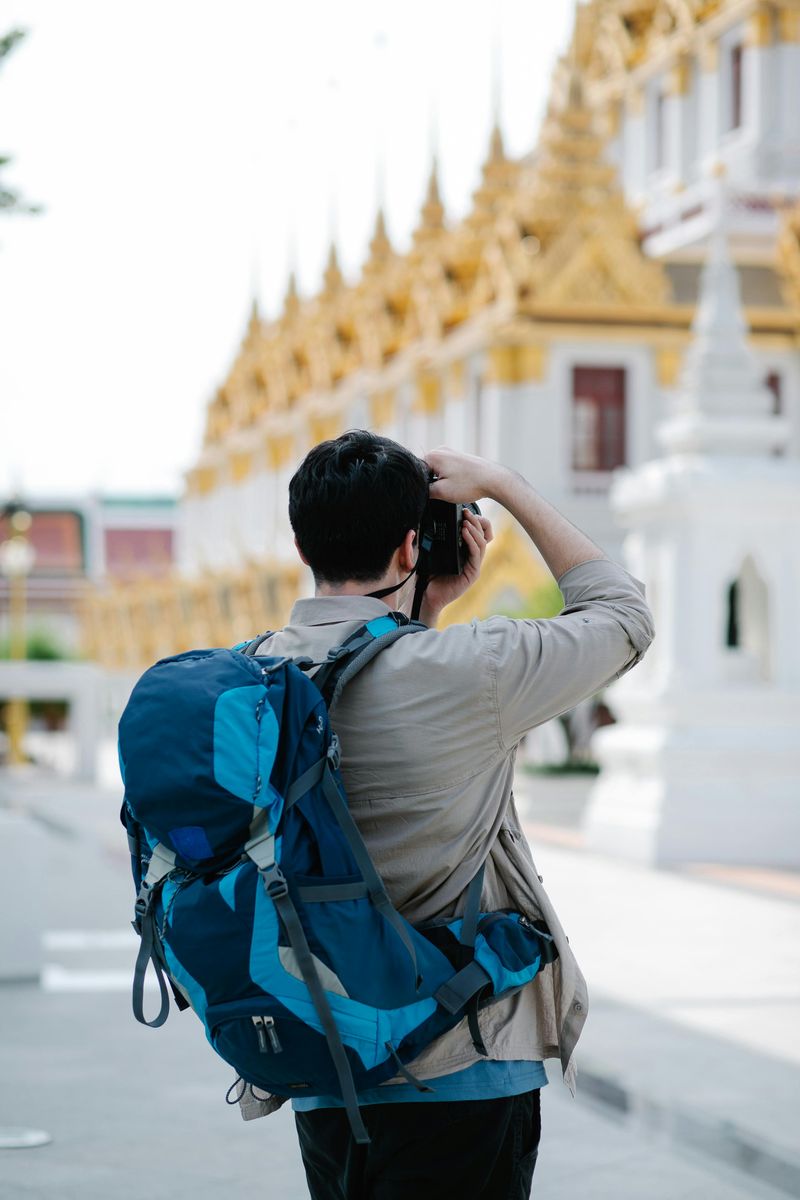
Smartphones make us all instant photographers, and Americans love documenting every travel moment.
However, snapping pictures of people, religious sites, or daily life without asking can violate privacy and cultural norms in many places.
In some countries, photographing certain buildings, military sites, or even bridges is actually illegal.
Many religious sites prohibit photography entirely or require special permission.
Local people may feel their dignity is violated when treated as tourist attractions.
Always ask before photographing people, even in public spaces.
Look for signs indicating photo restrictions at religious or historical sites.
A moment of courtesy prevents offense and often results in better, more genuine photos anyway.
9. Using Your Left Hand

Most Americans don’t think twice about which hand they use for daily activities.
However, in many parts of Asia, Africa, and the Middle East, the left hand is traditionally considered unclean because it’s used for bathroom hygiene.
Eating with your left hand, passing food or money with it, or offering a left-handed handshake can seriously offend people in these regions.
This ancient custom remains strong even in modern, urban areas.
Train yourself to use your right hand for eating, greeting, and exchanging items before traveling to these areas.
If you’re naturally left-handed, practice right-handed gestures at home until they feel more natural and automatic.
10. Assuming Everyone Speaks English
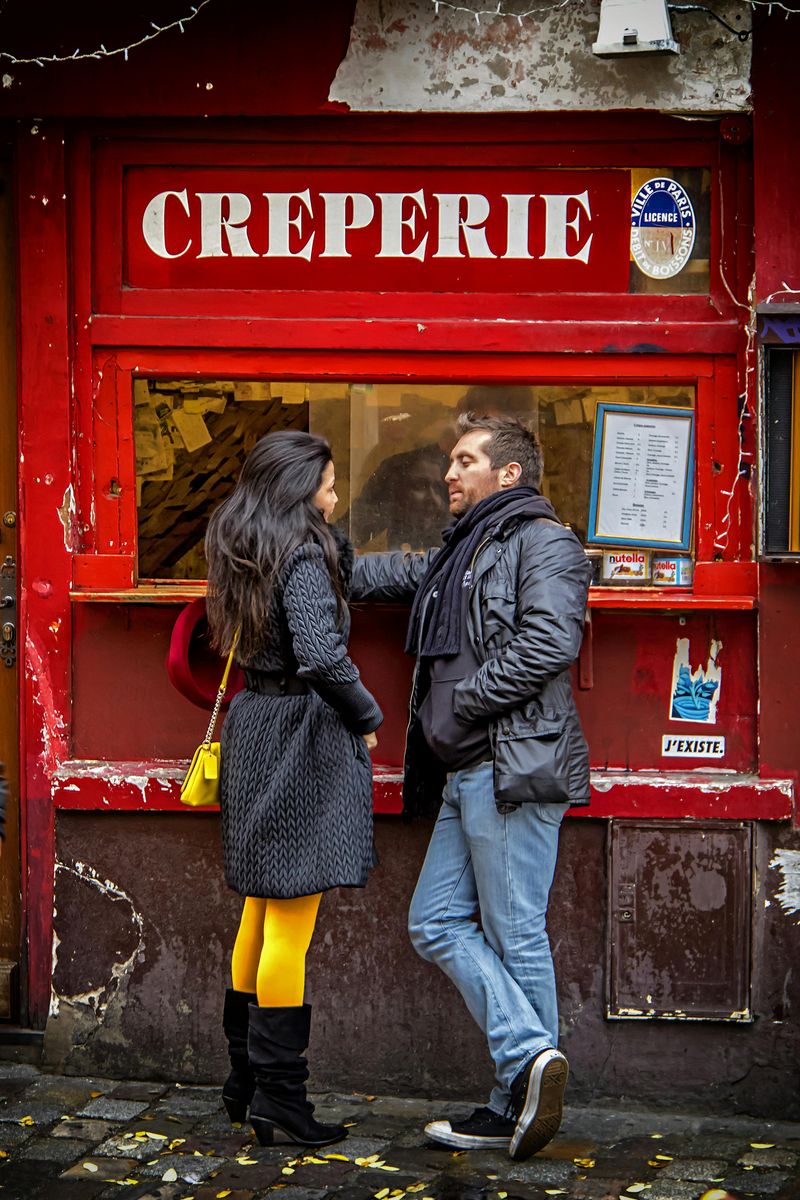
English is widely spoken internationally, which makes many Americans assume they’ll be understood everywhere.
Walking up to strangers and immediately speaking English without asking first can seem entitled or dismissive of local culture and language.
Many people abroad do speak some English but appreciate when visitors make even small efforts to use local phrases.
Starting conversations in English without a greeting in the local language suggests you expect the world to accommodate you.
Learn basic phrases like hello, please, thank you, and excuse me in the local language.
Start every interaction by asking if someone speaks English rather than assuming they do.
This small effort shows respect and usually results in much friendlier, more helpful responses.
Comments
Loading…