
 Chloe Peterson
10 Costly Home Improvements You Should Never Do as a New Owner
Buying your first home is exciting, but it can also lead to some expensive mistakes.
Many new homeowners rush into big renovations that drain their wallets and rarely add value.
Before you pull out your credit card for that dream upgrade, take a moment to learn which projects you should skip until later.
1. Converting the Garage
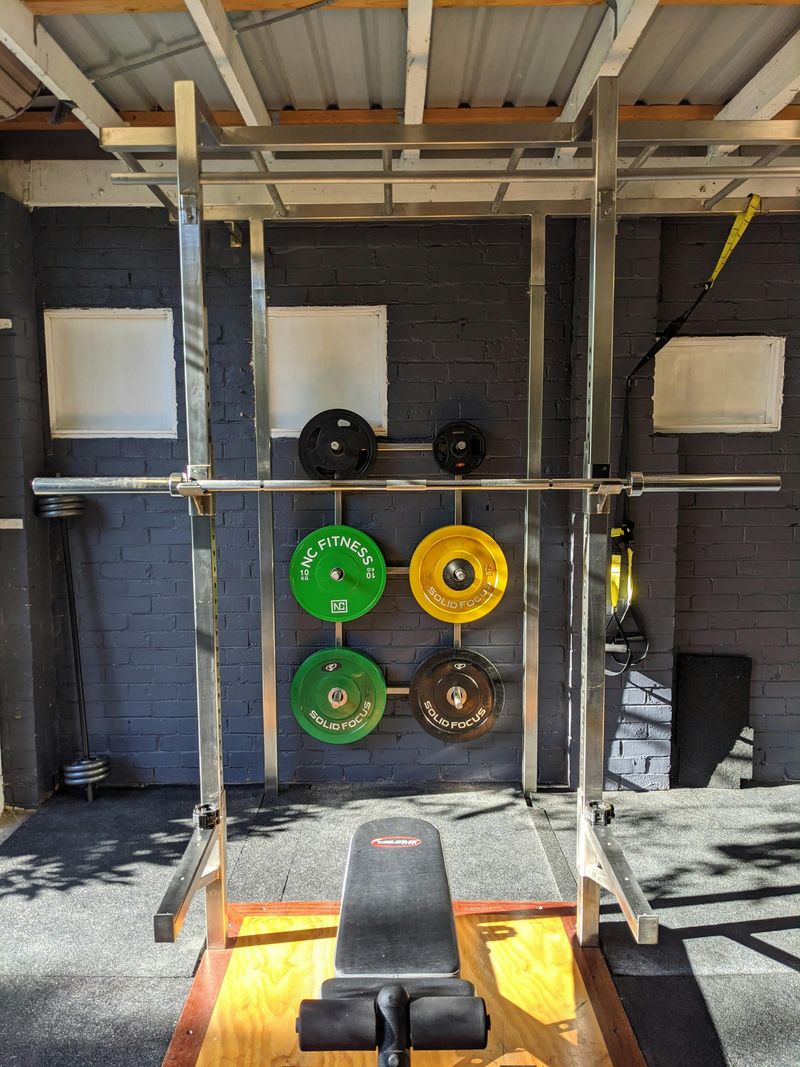
Garage conversions might seem like a clever way to add square footage, but they often backfire when it comes time to sell.
Most families need parking and storage space more than an extra bedroom tucked away from the main house.
Local building codes can make the process complicated and expensive.
Converting a garage typically costs between fifteen and thirty thousand dollars, depending on your location and the level of finish you want.
You’ll need proper insulation, heating, cooling, flooring, and electrical work to make the space livable.
Many buyers will actually pay less for a home without a functioning garage.
If you need more space, consider finishing a basement or attic instead.
These options usually offer better returns and don’t sacrifice valuable parking or storage areas that future buyers expect to find.
2. Guest Room Upgrades
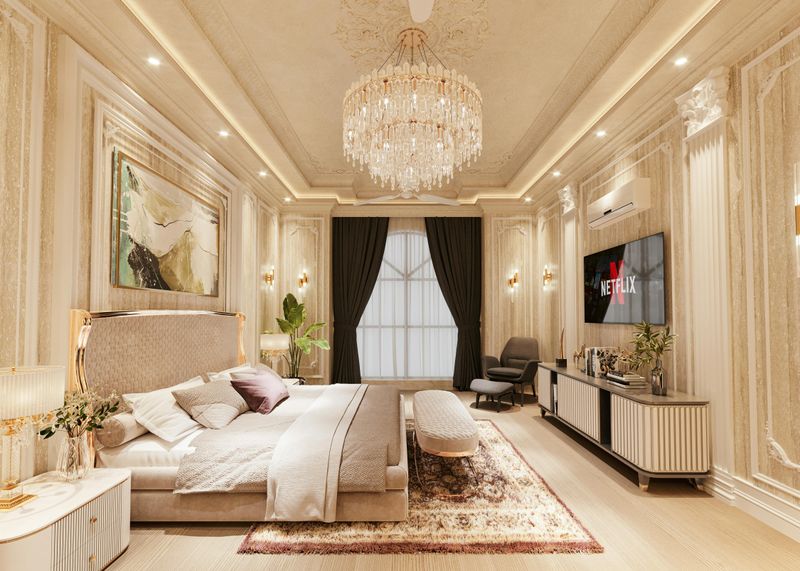
Splurging on fancy guest room features makes little sense when you think about how rarely these spaces get used.
That expensive mattress and designer lighting might impress visitors for a weekend or two each year, but they won’t add much to your daily happiness or home value.
Focus your budget on rooms where you spend most of your time instead.
Your master bedroom, kitchen, and main bathroom deserve attention first because you use them every single day.
Guests care more about cleanliness and comfort than high-end finishes anyway.
A simple, clean guest space with basic furnishings works perfectly fine.
Save the premium upgrades for areas that actually impact your quality of life and resale appeal when the time comes to move on.
3. Whole-Home Sound Systems
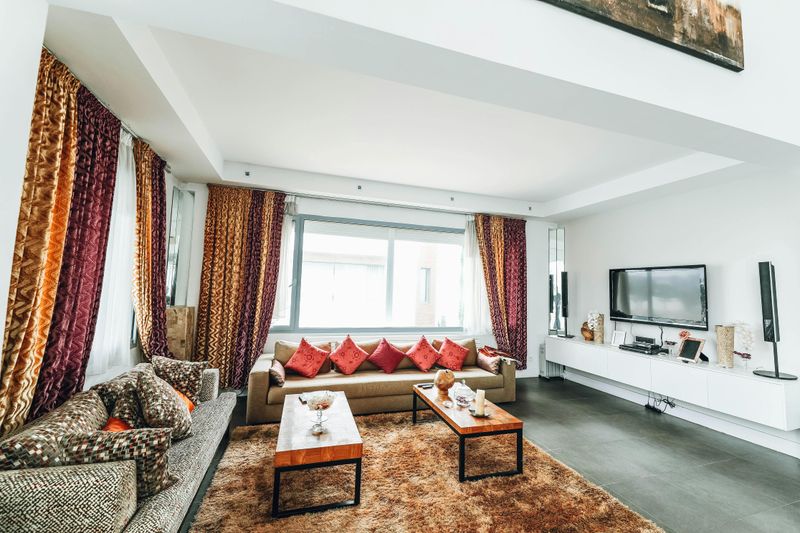
Built-in audio systems seemed amazing fifteen years ago, but technology moves too fast for permanent installations to make sense anymore.
These systems cost thousands to install and become outdated almost immediately as wireless technology keeps improving.
Updating them requires tearing into walls and running new wires throughout your house.
Modern wireless speakers offer incredible sound quality and flexibility at a fraction of the cost.
You can move them from room to room, upgrade individual units without major construction, and control everything from your phone.
Plus, when better technology arrives next year, you’re not stuck with equipment built into your walls.
Save yourself the headache and expense.
Invest in quality portable speakers that grow and change with your needs and preferences over time.
4. Paint for New Construction

Fresh paint colors might be calling your name, but new homes need time to settle before you break out the brushes.
During the first year, lumber dries, foundations shift slightly, and drywall screws can pop through the surface.
Painting too early means you’ll spot cracks and imperfections within months.
Professional painters actually recommend waiting at least twelve months after construction before applying your final paint choices.
This settling period lets you identify all the spots that need repair work first.
Rushing ahead means paying twice for the same walls when touch-ups become necessary.
Use builder-grade paint for now and live with the neutral colors temporarily.
Once everything has settled properly, you can invest in premium paint that will look beautiful for years without constant repairs.
5. New Landscaping
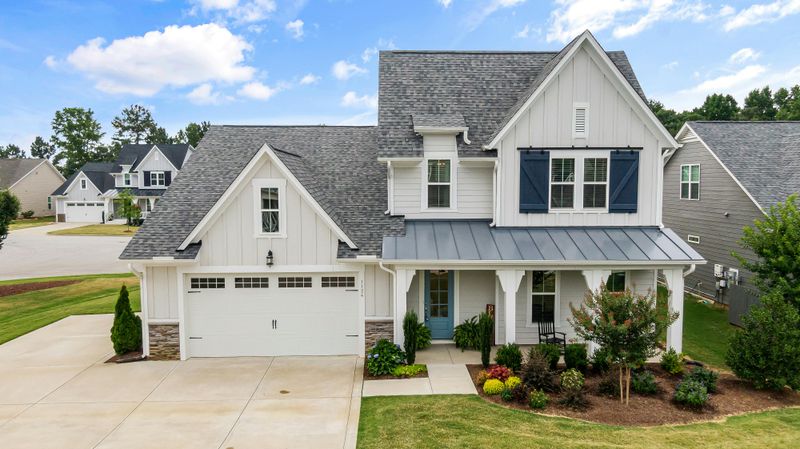
Planting elaborate gardens around a brand-new home feels like putting the cart before the horse.
Houses settle and shift during their first few years, which can dramatically affect your yard’s drainage patterns and soil composition.
That beautiful garden bed might turn into a muddy swamp after the first heavy rain.
Expensive hardscaping like patios, retaining walls, and permanent walkways can crack or shift as the ground around your foundation continues settling.
Mature trees and shrubs cost serious money, and watching them die because the soil conditions changed is heartbreaking for your wallet and your yard.
Start with simple grass, mulch, and inexpensive annuals for the first couple years.
Observe how water flows and where sun hits before committing to permanent landscape features.
6. Appliances and Extended Warranties
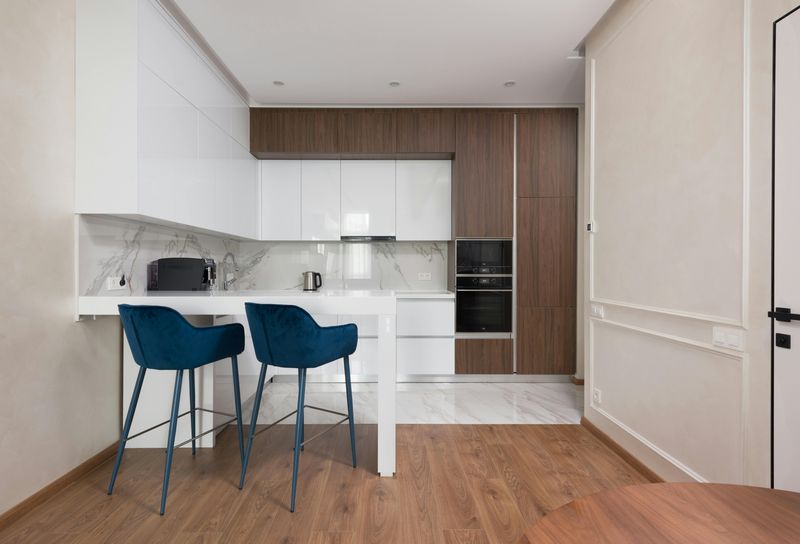
Replacing perfectly functional appliances just because you want the latest models wastes money that could go toward actual necessities.
Extended warranties sound reassuring but often duplicate coverage you already have through the manufacturer’s standard warranty.
Insurance companies wouldn’t sell these plans if they didn’t profit handsomely from them.
Most appliances last ten to fifteen years with basic maintenance, so upgrading early means throwing away useful life.
When something does break, repair costs are usually less than the premium you paid for that extended coverage.
Read the fine print carefully because many warranties exclude common problems.
Wait until appliances actually need replacing before shopping for upgrades.
Put that money toward your emergency fund instead, which covers appliance repairs and countless other unexpected expenses.
7. Trendy Selections
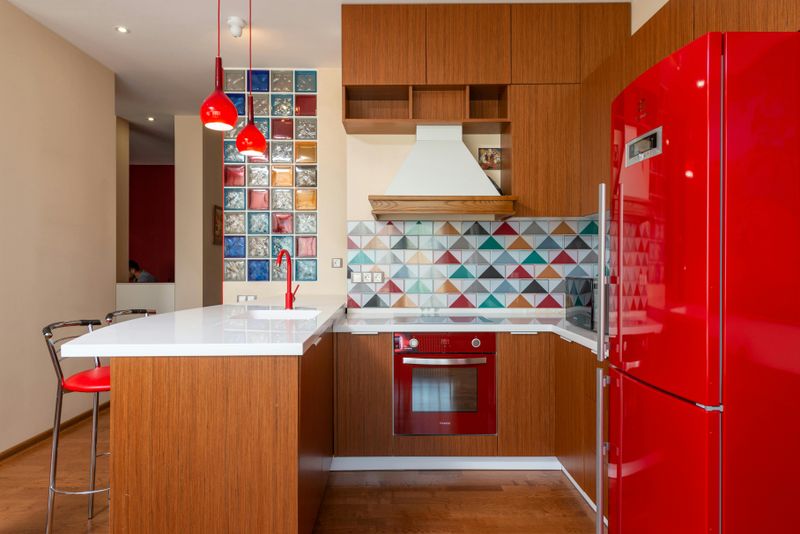
Remember when everyone wanted brass fixtures and hunter green bathrooms?
Today’s hot trends become tomorrow’s outdated eyesores faster than you might imagine.
Bright accent walls, unusual tile patterns, and trendy cabinet colors might look amazing in magazines, but they can make your home harder to sell down the road.
Buyers want to envision their own style in a space, and bold design choices force them to mentally calculate renovation costs before making an offer.
Classic neutral palettes and timeless finishes appeal to far more people and photograph better when listing time arrives.
Express your personality through furniture, artwork, and accessories that you can easily change or take with you.
Save the permanent fixtures for styles that have proven staying power across decades.
8. Solar Panels
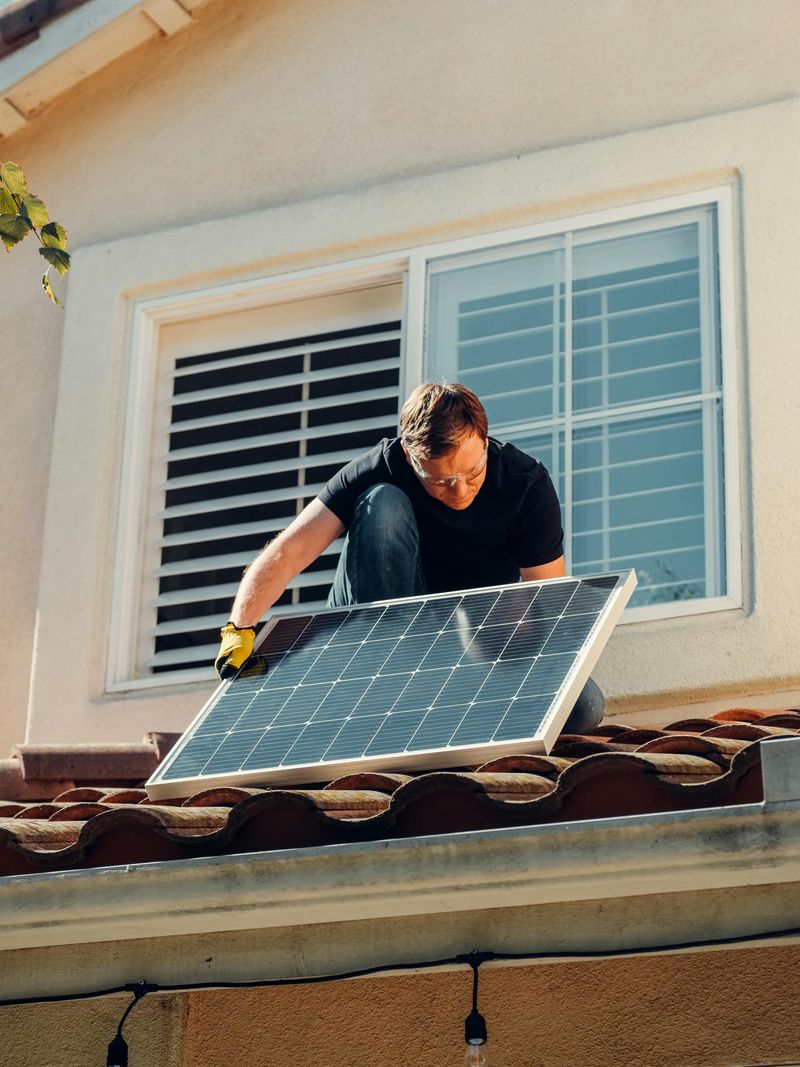
Solar energy sounds environmentally friendly and cost-effective until you examine the actual numbers for your specific situation.
Installation typically costs twenty to forty thousand dollars upfront, and recouping that investment can take twenty years or more depending on your electricity rates and sun exposure.
Many homeowners discover too late that trees, roof orientation, or HOA restrictions make their property unsuitable.
Roof repairs become incredibly complicated once panels are installed, and removing them temporarily adds thousands to any roofing project.
Technology improves rapidly, meaning today’s panels will be outdated long before they’ve paid for themselves.
Leasing programs often include terms that complicate home sales.
Research thoroughly and get multiple quotes before committing.
Consider waiting until costs drop further or your roof needs replacement anyway.
9. High-End Plumbing or Hardware Fixtures
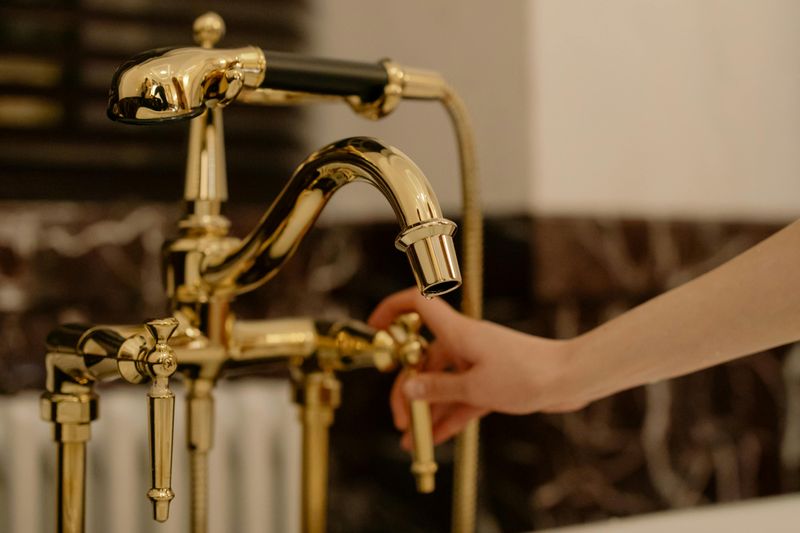
Designer faucets and specialty fixtures carry price tags that make your eyes water, but they don’t actually perform better than quality mid-range options.
A thousand-dollar faucet delivers water exactly like a two-hundred-dollar model, and most guests won’t notice the difference anyway.
Appraisers rarely add significant value for premium hardware choices.
Plumbing fixtures take abuse from daily use, and expensive finishes can show wear just as quickly as affordable alternatives.
When styles change or finishes get discontinued, finding matching replacement parts becomes a frustrating treasure hunt.
Installation costs stay the same regardless of fixture price.
Choose well-reviewed mid-range fixtures that look great and work reliably.
Spend the savings on improvements that actually boost your home’s value and your everyday comfort level.
10. Full Smart-Home Packages
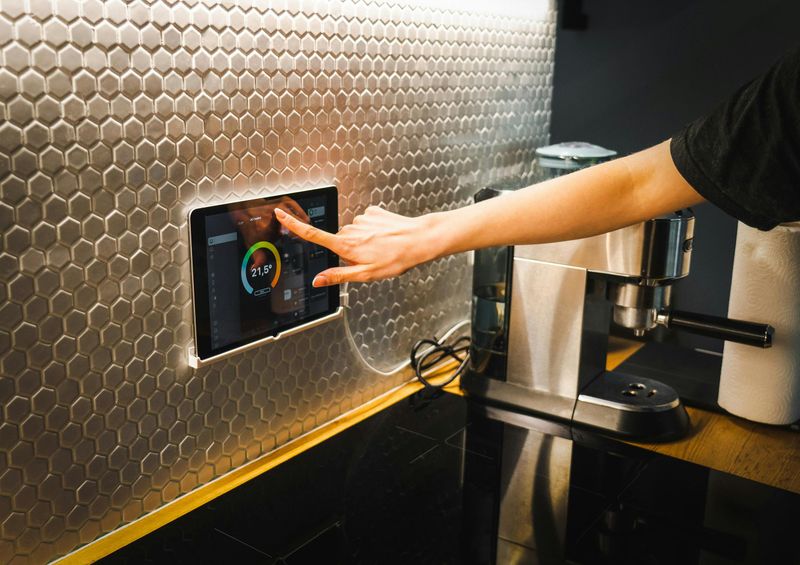
Whole-house automation packages promise convenience but deliver buyer’s remorse when you realize how much you paid for features you never use.
These systems cost thousands upfront and often require monthly subscription fees to maintain full functionality.
Technology changes so rapidly that today’s cutting-edge system becomes obsolete before you’ve learned all its features.
Starting small with individual smart devices lets you discover what actually improves your daily routine without massive commitment.
A smart thermostat might save energy while that automated window shade system just gathers dust.
You can add devices gradually as needs arise and prices drop.
Test the waters with affordable standalone gadgets first.
This approach saves money and prevents you from being locked into proprietary systems that limit future choices.
Comments
Loading…