
 Hailey Watson
10 Common Things That Actually Have Pagan Origins
Many of the everyday traditions, objects, and customs we use without a second thought come from much older—and often surprising—roots.
Long before modern culture shaped our holidays, routines, and celebrations, ancient pagan societies were creating rituals and symbols that still influence our lives today.
From familiar holiday practices to simple habits we’ve carried for generations, their origins are far older and more mystical than most people realize.
In this article, we uncover 10 common things that actually have pagan origins, revealing the unexpected history behind items and traditions you probably use or celebrate every year.
Whether you love mythology, history, or simply enjoy learning something new, these surprising connections will change the way you see everyday life.
1. Christmas Trees
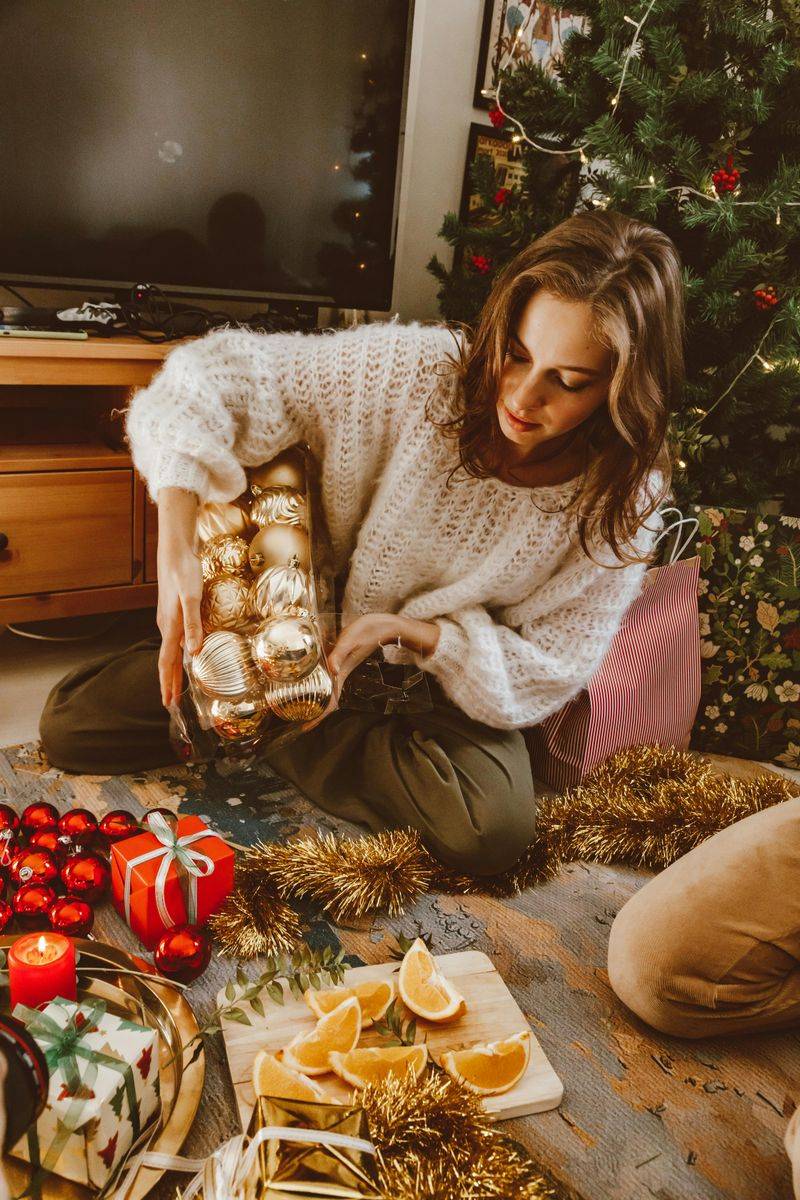
Ever wonder why we bring trees indoors during December?
Ancient pagans celebrated winter solstice by decorating evergreen trees, which stayed green all year and symbolized eternal life.
Early Christians later adopted this practice, blending it with their own celebrations.
Medieval German plays featured a “Paradise tree” representing the Tree of Life, which evolved into our modern Christmas tree tradition.
Today, millions of families continue this ancient custom without realizing its pagan roots.
The evergreen branches remind us of hope and renewal during the coldest, darkest months.
Pretty amazing how a tradition thousands of years old still brings joy to our homes!
2. Easter Eggs and Bunnies
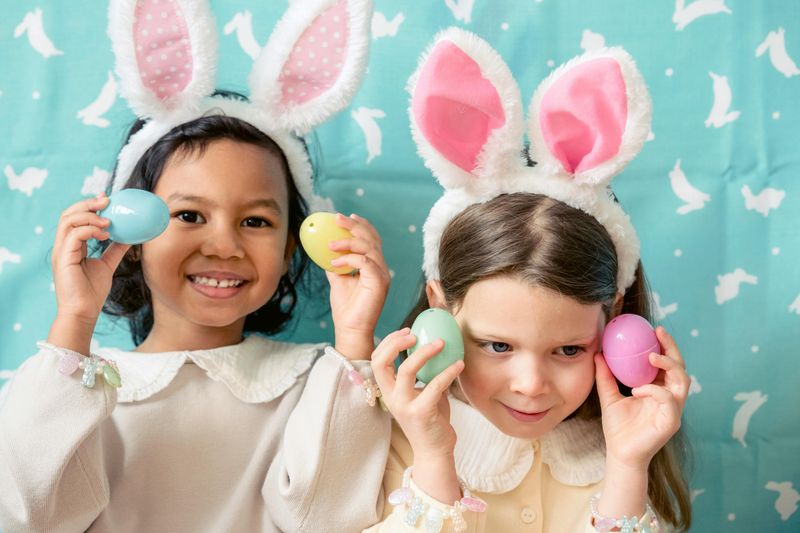
Rabbits and eggs during springtime?
That combination comes from Eostre, a Germanic goddess of spring and fertility.
Her sacred animals were rabbits, known for their ability to reproduce quickly.
Eggs represented new life and rebirth as nature awakened from winter’s sleep.
When Christianity spread across Europe, these powerful symbols were woven into Easter celebrations.
The tradition stuck because these symbols perfectly captured the spirit of renewal and fresh beginnings.
Next Easter, when you hunt for colorful eggs, you’re participating in a ritual that honors ancient spring festivals.
It’s fascinating how goddess worship transformed into chocolate bunnies and egg hunts we know today!
3. Wedding Rings
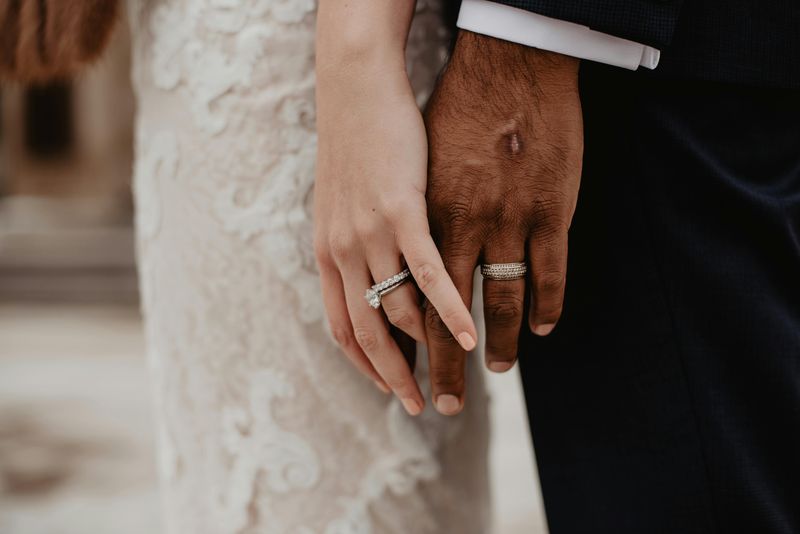
Sliding a ring onto the fourth finger seems romantic, but this gesture has mystical origins.
Ancient Egyptians and Greeks believed a special vein ran directly from that finger to the heart.
Romans embraced this symbolism and added their own magical meanings to ring exchanges.
Originally, rings represented more than just love—they were thought to contain supernatural power that bound two souls together.
The circular shape symbolized eternity and endless cycles in pagan beliefs.
Over centuries, the mystical aspects faded while the romantic symbolism grew stronger.
Now, wedding rings are universal symbols of commitment, though few couples know they’re continuing an ancient magical practice!
4. Halloween
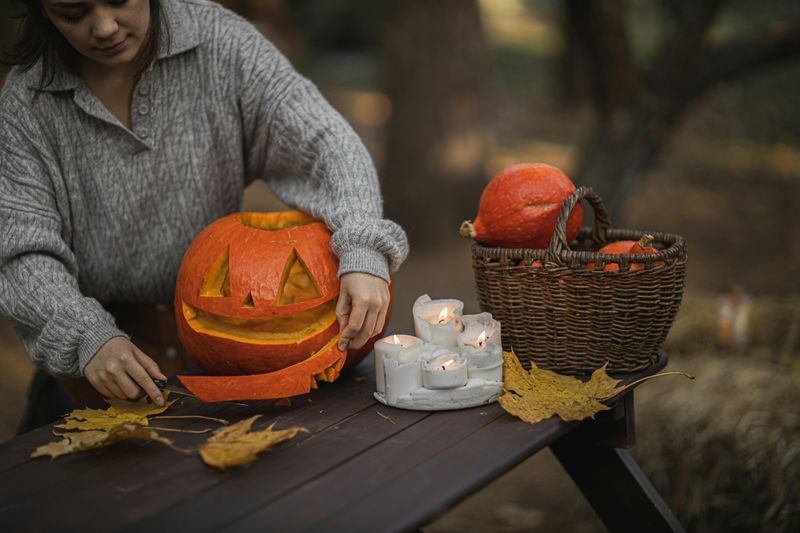
Trick-or-treating and carved pumpkins trace back to Samhain, an ancient Celtic festival marking summer’s end.
Celts believed that on this night, the boundary between the living and dead became thin.
People lit massive bonfires and wore frightening costumes to confuse or scare away wandering spirits.
They left food offerings outside their homes to appease supernatural visitors.
As Christianity spread, the church created All Saints’ Day on November 1st, but the spooky traditions persisted.
Irish immigrants brought these customs to America, where they evolved into modern Halloween.
Those candy bowls you set out?
They’re basically ancient spirit offerings in disguise!
5. Maypole Dancing
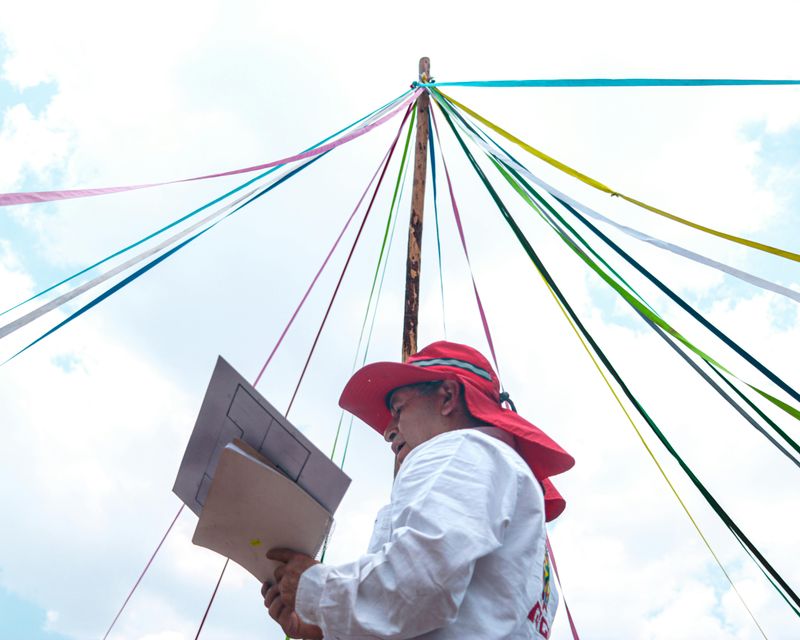
Watching ribbons weave around a tall pole might look like innocent fun, but this tradition has bold fertility roots.
Ancient Germanic and Celtic communities performed Maypole dances during spring festivals to ensure good harvests.
The pole itself represented masculine fertility, while the ribbons symbolized feminine energy.
As dancers circled and wove the ribbons together, they believed they were magically joining natural forces to bring abundance.
These rituals celebrated life, growth, and the return of warmth after harsh winters.
Today, schools and communities continue Maypole dancing as cheerful spring entertainment.
The fertility symbolism has faded, but the joyful celebration of nature’s renewal remains strong!
6. Valentine’s Day

Hearts and chocolates seem sweet, but Valentine’s Day connects to Lupercalia, a wild Roman festival.
During this February celebration, men sacrificed goats and then—brace yourself—slapped women with strips of animal hide to boost fertility.
They also drew names from jars to create random romantic pairings for the festival.
When Christianity arrived, church leaders replaced this rowdy event with Saint Valentine’s feast day, keeping the love theme but dropping the bizarre rituals.
The commercialized holiday we know emerged much later, emphasizing romance over fertility rites.
Those Valentine cards you exchange?
They’re tame descendants of a much wilder pagan love lottery!
7. Days of the Week
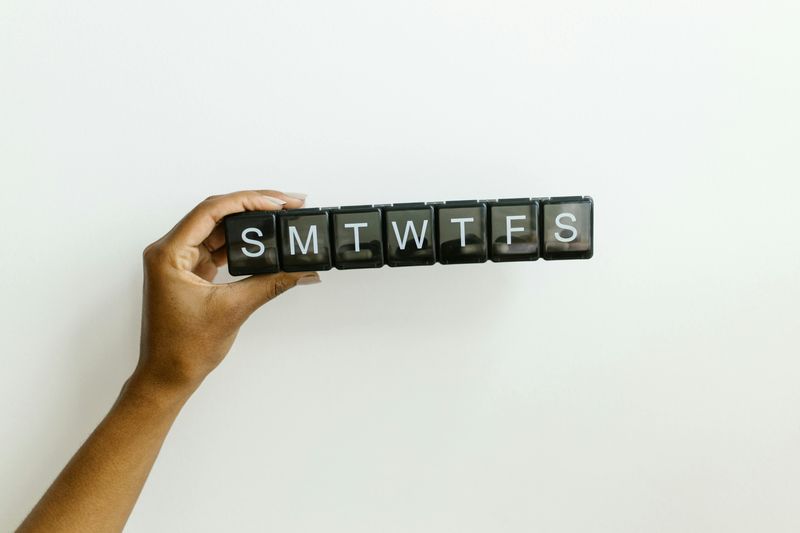
Did you know most weekday names honor pagan gods?
Wednesday comes from Woden, the Anglo-Saxon version of Norse god Odin, known for wisdom and magic.
Thursday celebrates Thor, the thunder god with his mighty hammer.
Friday honors Frigg or Freya, goddesses associated with love and beauty.
Even Tuesday remembers Tiw, a war god similar to Mars.
Only Saturday, Sunday, and Monday reference celestial bodies rather than deities directly.
Every time you mention hump day or thank goodness it’s Friday, you’re actually invoking ancient pagan gods!
These names survived centuries of Christian influence because they became so deeply embedded in language.
Pretty cool that ancient mythology lives on in our weekly planners!
8. Yule Logs
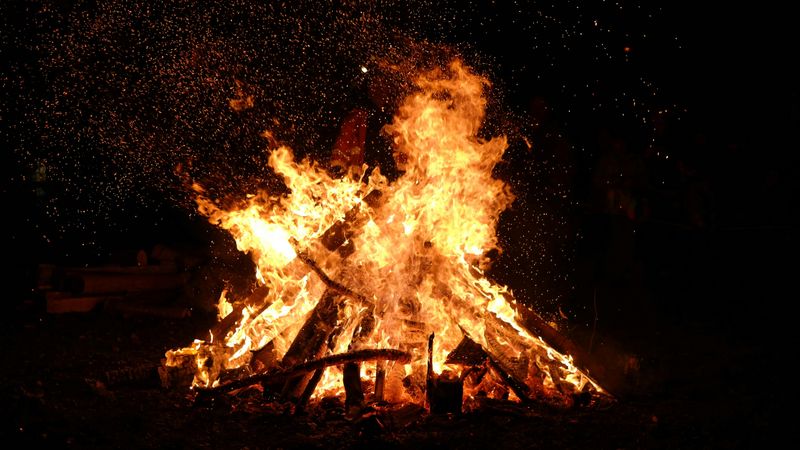
Burning a special log during winter celebrations started with ancient solstice rituals.
Pagans selected enormous logs to burn throughout the longest night of the year, symbolizing the sun’s power and promising its return.
Families saved ashes from the Yule log for protection and good luck throughout the coming year.
Some believed the log’s warmth and light would drive away evil spirits lurking in winter darkness.
Christians eventually adopted this warming tradition for Christmas festivities.
Modern Yule logs—both the burning kind and the chocolate cake version—carry on this ancient custom.
When you see that festive log cake at holiday parties, remember it represents humanity’s oldest winter survival ritual!
9. Mistletoe

Kissing under mistletoe has enchanting pagan origins.
Druids considered this plant sacred because it stayed green and grew without touching the ground, making it seem magical.
They believed mistletoe possessed powerful healing properties and could protect against evil.
Warriors would lay down weapons beneath mistletoe branches, declaring temporary truces.
This association with peace and protection gradually transformed into romantic symbolism.
Norse mythology also featured mistletoe in stories about love and reconciliation.
When Christianity absorbed winter celebrations, mistletoe’s peaceful symbolism fit perfectly with messages of goodwill.
Now, that innocent holiday kiss under the doorway continues an ancient tradition of mistletoe’s magical power to bring people together harmoniously!
10. Handshakes

Reaching out for a handshake seems totally normal today, but this gesture has ancient protective origins.
Early European pagans developed handshakes as a way to prove they carried no hidden weapons.
Extending an open, empty hand demonstrated peaceful intentions and willingness to trust.
The up-and-down shaking motion may have originally been used to dislodge any concealed daggers from sleeves.
This simple gesture became humanity’s universal sign of agreement, greeting, and goodwill.
From business deals to meeting new friends, we still use this pagan trust signal countless times daily.
Next time you shake someone’s hand, you’re performing one of civilization’s oldest peace rituals.
It’s remarkable how such an ancient custom remains our primary greeting gesture!
Comments
Loading…