
 Hailey Watson
10 Childhood Habits That Completely Disappeared

Remember when life felt simpler, and your biggest worry was making it home before the streetlights came on? Growing up in past decades meant experiencing routines and rituals that shaped entire generations.
Technology, culture shifts, and changing parenting styles have swept away many of these once-universal childhood experiences, leaving them as fond memories for those who lived them.
1. Calling Friends on Landlines

Before cell phones ruled our lives, kids had to navigate the awkward ritual of calling a friend’s house and talking to their parents first.
You’d nervously dial the number, hoping your friend would answer instead of their dad.
When a parent picked up, you had to politely ask if your friend could come to the phone.
Sometimes you’d wait on hold while someone yelled upstairs.
Phone conversations happened in shared family spaces with zero privacy.
Everyone could hear your plans and gossip.
Busy signals meant someone else was using the line.
You’d have to try again later, sometimes calling back a dozen times just to chat for five minutes about homework or weekend plans.
2. Recording Songs Off the Radio

Kids once spent hours glued to the radio, cassette tape ready, waiting for their favorite song to play.
Timing was everything because you had to press record at exactly the right moment.
The DJ talking over the intro was the ultimate frustration.
You’d end up with a collection of slightly ruined recordings featuring station IDs and commercials mixed into your music.
Creating the perfect mixtape required patience and dedication.
You’d label each cassette with careful handwriting, listing every song in order.
Streaming services killed this entire experience overnight.
Now millions of songs sit in your pocket, instantly available, but something about that hunt for the perfect recording felt magical.
3. Playing Outside Until Dark

Generations of kids lived by one simple rule: be home when the streetlights come on.
Parents sent children outside after breakfast, and they wouldn’t return until dinner.
Neighborhoods buzzed with activity as kids rode bikes, played games, and explored without constant adult supervision.
Freedom meant adventure, scraped knees, and learning to solve problems independently.
Nobody worried about scheduling playdates or organizing activities.
You simply knocked on doors to see who could play.
Today’s world feels different, with concerns about safety and screens keeping kids indoors.
Structured activities replaced spontaneous outdoor exploration, and that particular brand of independence has largely vanished from modern childhood experiences.
4. Using Paper Maps for Road Trips
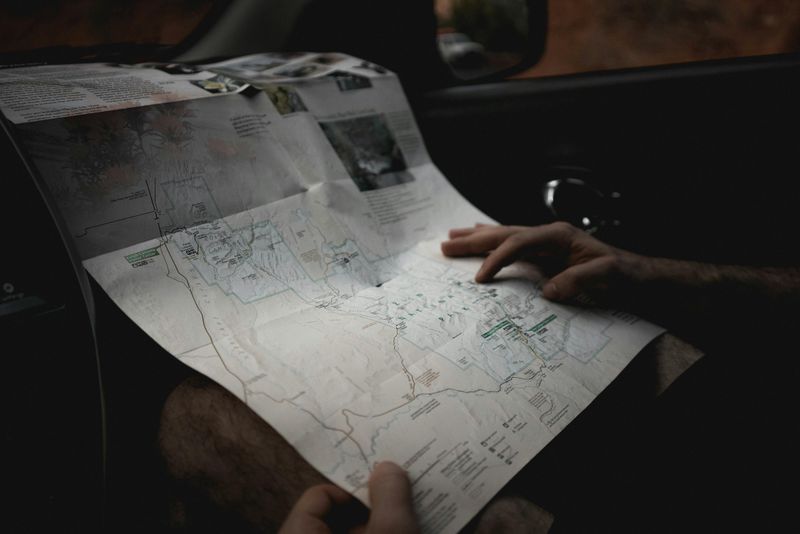
Road trips meant unfolding massive paper maps that never seemed to refold correctly.
Kids learned to navigate by reading highway numbers and city names, calling out directions to parents.
Getting lost was part of the adventure, sometimes leading to unexpected detours and discoveries.
Families would pull over at gas stations to ask for directions from strangers.
The map reader held an important job, tracing routes with their finger and estimating arrival times.
Wrong turns sparked debates about who misread the map.
GPS technology erased this entire ritual, making navigation effortless but less engaging.
Children no longer develop those spatial reasoning skills or experience the satisfaction of successfully guiding their family to a destination.
5. Watching Saturday Morning Cartoons

Saturday mornings held a special magic that today’s kids will never quite understand.
Waking up early felt exciting instead of painful because cartoons only aired during specific time blocks.
You’d pour a giant bowl of sugary cereal and plant yourself inches from the TV screen.
Missing an episode meant waiting a whole week or possibly never seeing it again.
Commercial breaks were part of the experience, advertising toys you’d beg your parents to buy.
Everyone at school discussed the same shows on Monday.
Streaming killed appointment television for children.
Now cartoons play anytime, anywhere, on demand, but that communal weekly ritual and the anticipation it created have disappeared completely from childhood.
6. Passing Handwritten Notes in Class

Secret messages traveled through classrooms on carefully folded paper, passed from desk to desk when teachers weren’t looking.
The art of note-folding became a skill, with intricate designs that kept contents hidden.
Getting caught meant public embarrassment as teachers sometimes read notes aloud.
The risk made it thrilling.
Notes contained gossip, jokes, plans, and sometimes romantic confessions.
You’d save special ones in shoeboxes under your bed, creating physical archives of friendships.
Text messaging replaced this entirely, offering instant private communication without the danger.
But something tangible disappeared—the physical evidence of connection, the personality in handwriting, and the excitement of unfolding a note to discover what secrets it held inside.
7. Memorizing Phone Numbers

Every kid once had dozens of phone numbers stored in their brain.
Your best friend’s number, your grandparents’, the local pizza place—all committed to memory through repeated use.
Address books and scraps of paper served as backups, but most important numbers lived in your head.
Losing someone’s number meant real disconnection until you saw them again.
Speed dial was a luxury feature that only stored a handful of contacts.
You’d assign special numbers to your closest friends.
Smartphones eliminated this mental exercise completely.
Most people today couldn’t recite even their own phone number without checking.
That cognitive skill simply isn’t necessary anymore, replaced by contact lists that remember everything for us automatically.
8. Renting Movies from Video Stores
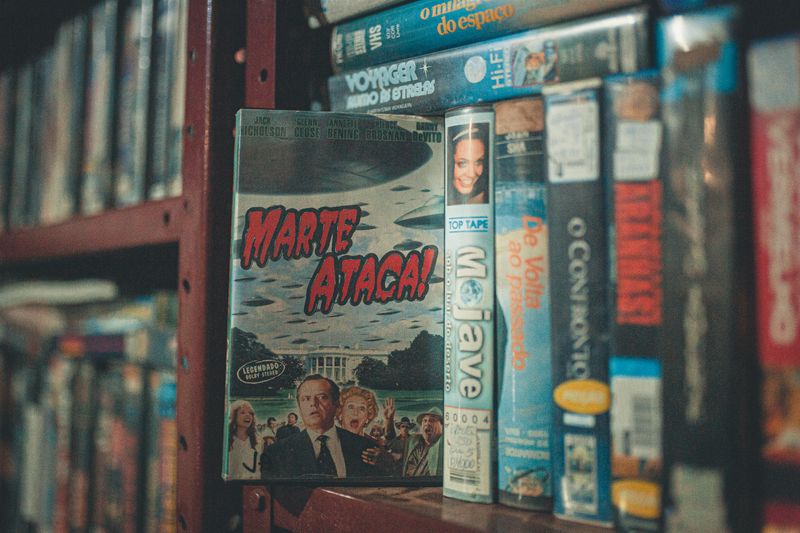
Friday nights meant trips to Blockbuster or the local video store, wandering aisles of VHS tapes and later DVDs.
The newest releases were often unavailable, already rented by someone faster.
You’d grab snacks from the candy section and debate with siblings about which movies to choose.
Rental limits meant tough decisions.
Late fees punished forgetful families, and rewinding tapes before returning them was basic courtesy.
The phrase “Be Kind, Rewind” became cultural shorthand.
Streaming services obliterated video stores almost overnight.
The social experience of browsing, the anticipation of movie night, and the shared community space where neighbors bumped into each other all vanished along with the stores themselves.
9. Looking Up Information in Encyclopedias

Homework assignments once required trips to libraries or dusting off heavy encyclopedia sets at home.
You’d search the index, then flip through pages looking for relevant information to copy by hand.
Research meant physical effort and time investment. Information wasn’t instantly available at your fingertips.
Encyclopedia Britannica salespeople visited homes, convincing parents that complete sets were essential educational investments.
These books cost thousands of dollars and occupied entire shelves.
Search engines made encyclopedias obsolete within years.
Google answers questions in milliseconds that once required significant effort to discover.
The patience and research skills children developed through this slower process have mostly disappeared from modern education and daily life.
10. Playing with Physical Toys Without Screens
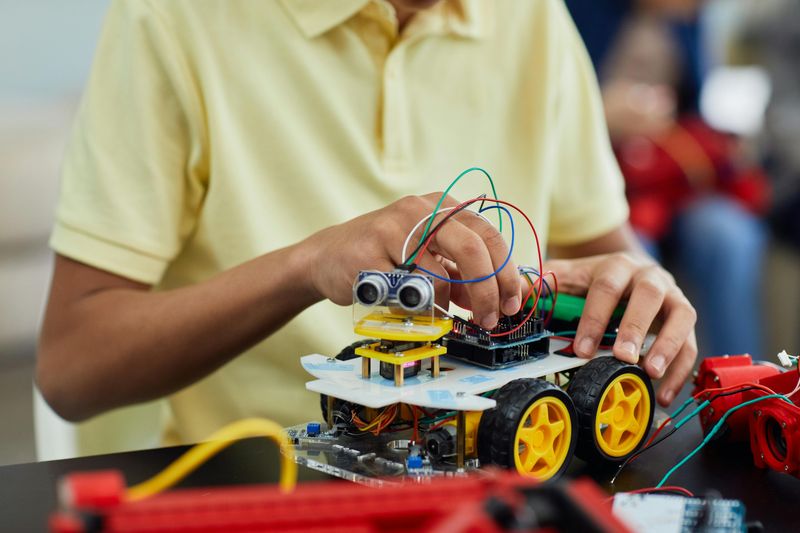
Imagination powered childhood play before tablets and smartphones existed.
Action figures, dolls, building blocks, and board games required kids to create their own entertainment and storylines.
Boredom sparked creativity rather than screen time.
You’d build forts from couch cushions, invent elaborate pretend worlds, or spend hours constructing LEGO masterpieces.
Toys didn’t require batteries, updates, or internet connections.
They simply existed as tools for creative expression.
Digital entertainment has largely replaced traditional play.
Many modern toys incorporate screens and apps, fundamentally changing how children interact with playthings.
The purely imaginative, unplugged play that once defined childhood has become increasingly rare in homes filled with glowing rectangles demanding constant attention.
Comments
Loading…