
 Hailey Watson
10 Childhood Experiences We Thought Were Normal—But Actually Weren’t
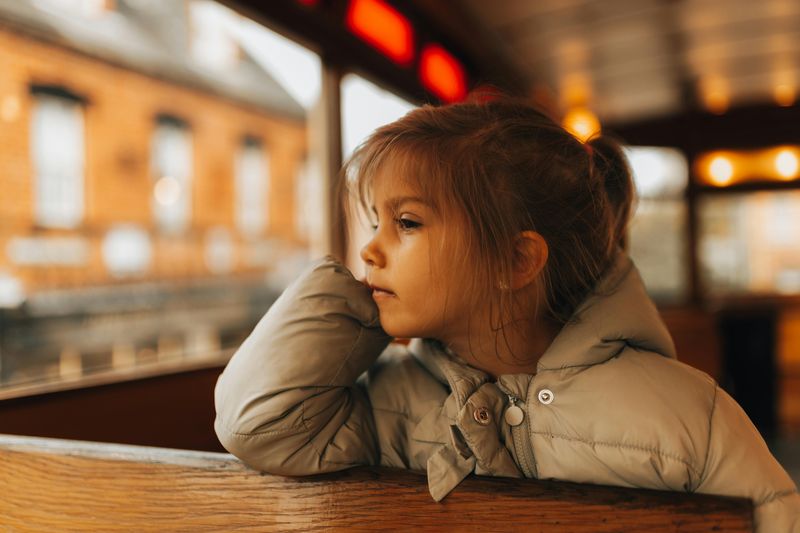
Growing up, many of us accepted certain experiences as simply part of life without questioning whether they were actually healthy.
Things that once felt normal may have quietly shaped how we think, feel, and relate to others today.
Looking back with fresh perspective, it’s surprising how many common childhood moments may have done more harm than good.
Recognizing them can be an important first step toward understanding ourselves and growing beyond them.
1. Being Told to “Just Ignore It” When You Were Bullied
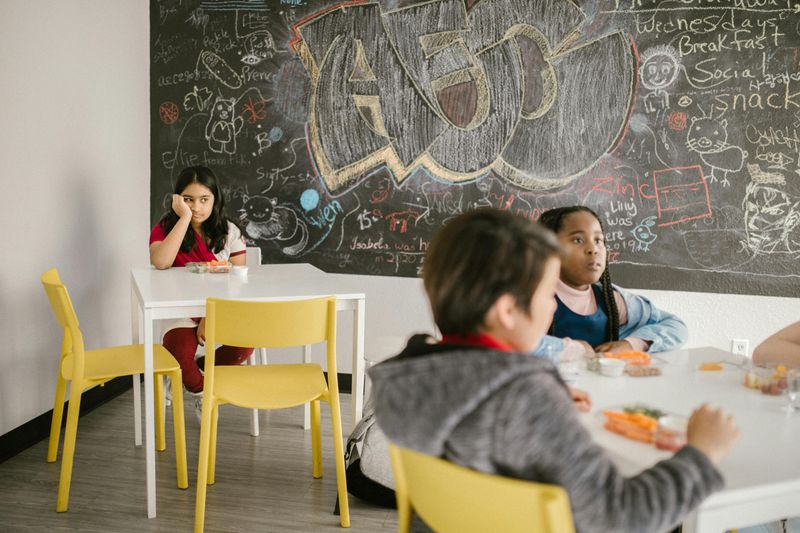
Staying quiet when someone is hurting you should never be the answer—yet many of us were told exactly that.
Adults often believed ignoring bullies would make them stop, but research tells a different story.
Most of the time, silence only gave bullies more confidence.
Children who were told to “just ignore it” frequently internalized their pain instead of processing it.
They learned that asking for help was not worth the effort.
That lesson stuck around long after the schoolyard days ended.
If you grew up this way, know that speaking up about mistreatment is always valid and always worth it.
2. Never Being Allowed to Express Your Feelings

Hearing phrases like “stop crying,” “don’t be so dramatic,” or “toughen up” was common in many households, and they often signaled an environment where emotions were treated as weakness.
Many households treated feelings like something to be switched off rather than understood.
The problem?
Emotions don’t disappear just because they’re not allowed.
They get buried, and buried feelings have a way of surfacing later in unexpected ways—like anxiety, anger, or trouble connecting with others.
Learning that your feelings matter is not dramatic.
It is a fundamental part of being human, and it is never too late to start honoring them.
3. Emotional Neglect Labeled as “Tough Love”

Some parents genuinely believed that withholding comfort would build character.
The idea was simple: if children learned to handle pain alone, they would grow up resilient.
But emotional neglect and tough love are not the same thing, even when the intention is good.
Kids who rarely received warmth or reassurance often grew up feeling invisible.
They learned to suppress their need for connection, which made forming close relationships as adults much harder than it needed to be.
Strength does not come from never being comforted.
Real resilience grows when children feel safe enough to be vulnerable and still supported.
4. Being Expected to Be “The Mature One” in the Family

Some kids grew up carrying weight that was never theirs to carry.
They became the family peacekeeper, the emotional support system for a parent, or the caregiver for younger siblings—all before they were old enough to handle their own needs.
Psychologists call this “parentification,” and its effects can be long-lasting.
Children thrust into adult roles often struggle with setting boundaries later in life, feeling guilty whenever they prioritize themselves.
Being responsible is a great quality, but children deserve the freedom to simply be kids.
Growing up too fast is not a badge of honor—it is a sign that something important was missing.
5. Constant Comparisons to Other Kids

Being compared to others during your most impressionable years can leave a lasting sting, especially when comments like “Why can’t you be more like your cousin?” become a regular refrain.
Comparisons were often meant as motivation, but the message children actually received was far more damaging.
Hearing repeatedly that someone else is doing better quietly chips away at a child’s sense of self-worth.
Over time, they start believing they are fundamentally not enough—and that belief has a way of following people well into adulthood.
Every child develops differently, at their own pace and in their own direction.
Encouragement rooted in a child’s individual strengths will always outperform pressure dressed up as inspiration.
6. No Privacy or Personal Space at Home

Having your diary read, your room searched without warning, or your door opened without a knock might have been framed as normal parenting.
But privacy is not a privilege reserved for adults—it is something children need to develop a healthy sense of self.
When personal boundaries are regularly crossed at home, children learn that their inner world is not truly their own.
That lesson can make it difficult to establish healthy boundaries in friendships, romantic relationships, and even at work later on.
Trust is built when children are given appropriate privacy.
A child who feels respected at home is far more likely to communicate openly rather than hide things out of fear.
7. Emotional Blackmail Disguised as Love

Statements like “If you loved me, you would do this” or “You’re breaking my heart” can blur the line between genuine affection and manipulation in ways that are difficult for a child to understand.
When love comes with conditions and guilt, children learn a distorted version of what relationships are supposed to feel like.
Adults who grew up with emotional blackmail often find themselves saying yes when they mean no, or feeling responsible for other people’s emotions.
That pattern did not appear out of nowhere.
Real love does not require someone to feel guilty for having their own needs.
Affection should never be a bargaining chip.
8. Being Forced to Show Physical Affection

Picture this: a family gathering, a relative you barely know, and an adult nudging you forward with the words, “Give them a hug!”
Refusing felt rude.
Complying felt wrong.
Many children were placed in that exact position and told it was simply good manners.
What this actually teaches, though, is that a child’s discomfort matters less than an adult’s expectations.
Over time, that lesson can make it harder to recognize when personal boundaries are being crossed or to feel confident saying no.
Teaching children that they have the right to decide who touches their body is not rude—it is one of the most protective lessons a parent can give.
9. Being Pressured to Follow a Specific Life Path

Some children grew up with their futures already mapped out before they had a chance to discover who they were.
Whether it was a specific career, a particular lifestyle, or a marriage expectation, the message was clear: your role has already been decided.
Growing up under that kind of pressure can make self-discovery feel selfish or even rebellious.
Many adults still carry guilt for pursuing dreams that did not match what their family had planned for them.
Everyone deserves the chance to figure out what makes them feel alive.
A life built around someone else’s blueprint might look successful from the outside, but it rarely feels fulfilling on the inside.
10. Never Hearing “I’m Sorry” From Adults

In many homes, adults simply did not apologize to children.
Whether they snapped unfairly, made a wrong assumption, or broke a promise, the incident was either ignored or explained away.
Authority, it seemed, came with permanent immunity from accountability.
Children raised this way often internalized two painful lessons: that their feelings were not worth acknowledging, and that being powerful means never admitting fault.
Both of those beliefs can cause real problems in relationships and workplaces as adults.
Hearing “I’m sorry” from a parent or teacher is not a sign of weakness—it is one of the most powerful lessons in humility and respect a child can witness firsthand.
Comments
Loading…