
 Jade Reed
10 Things That Make You Look Confident (Even If You’re Not)

Confidence is one of those things people notice right away, even before you say a word. The good news? You don’t have to feel confident to look confident. Small changes in the way you carry yourself, speak, and act can completely change how others see you.
Whether you’re heading into a job interview, a first day at school, or just a tough conversation, these tips can help you shine. And over time, those outward changes can start to shape how you feel on the inside, too, turning simple habits into genuine self-assurance.
1. Stand Tall With Good Posture
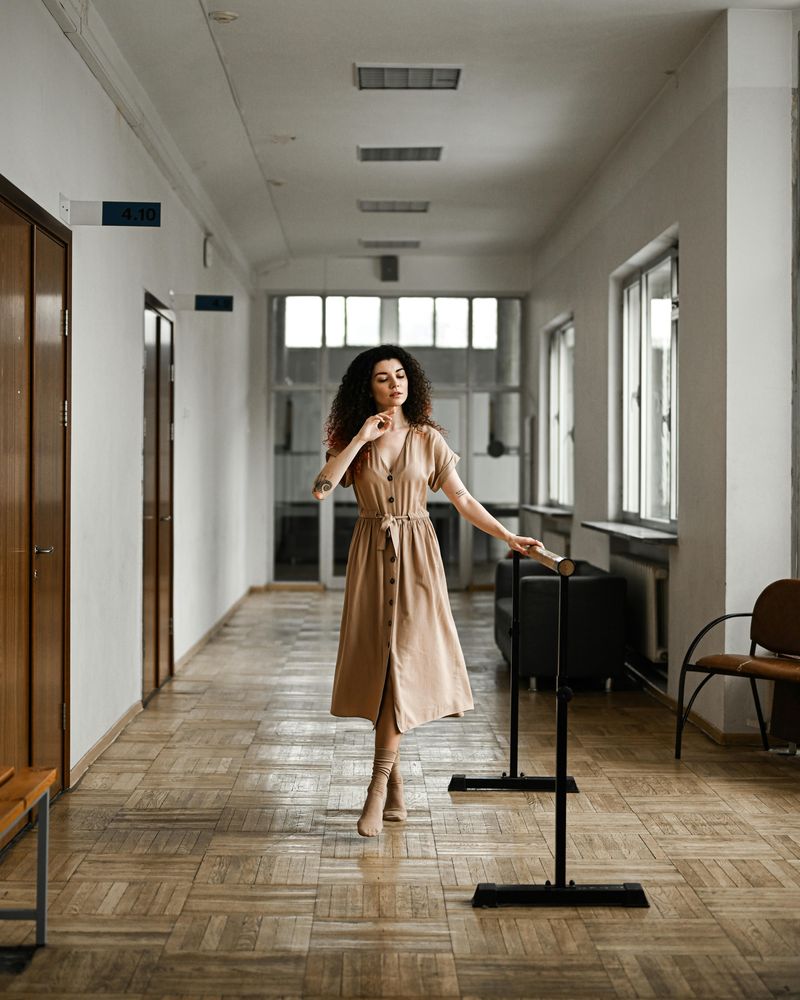
Your body speaks before your mouth does.
When you slouch, people may assume you’re tired, uninterested, or unsure of yourself.
Standing tall with your shoulders back and your chin up sends a completely different message.
Good posture signals that you’re ready, present, and in control.
You don’t need to look stiff like a soldier — just imagine a string gently pulling the top of your head toward the ceiling.
Try practicing in front of a mirror.
You’ll be surprised how much taller, stronger, and more put-together you look just by adjusting how you hold your body.
2. Make Steady Eye Contact

Ever notice how some people seem to hold your gaze in a way that makes them feel trustworthy and strong?
That’s the power of eye contact.
Looking someone in the eyes while they speak shows that you’re paying attention and that you value what they’re saying.
Avoiding eye contact, on the other hand, can make you seem nervous or dishonest — even if you’re neither.
You don’t need to stare anyone down like it’s a contest.
Aim for natural, steady eye contact.
A simple rule: hold it long enough to notice their eye color, then gently look away.
3. Speak Slowly and Clearly

Fast talkers often come across as anxious, even if their words are brilliant.
Slowing down your speech is one of the easiest ways to instantly sound more confident and in command of the room.
When you speak at a measured pace, people actually hear what you’re saying.
Your words carry more weight, and you give yourself time to think before you speak — which means fewer “um” and “uh” moments.
Practice reading a paragraph out loud, slower than feels natural.
It might feel awkward at first, but to your listeners, you’ll sound calm, clear, and completely self-assured.
4. Dress the Part

There’s a reason the phrase “dress for success” has been around forever — because it works.
The clothes you wear send a signal to everyone around you, including yourself.
Wearing something that fits well and feels good can actually boost your mood and your confidence.
You don’t need expensive clothes or a fancy wardrobe.
Clean, neat, and well-fitting outfits go a long way.
Think about the impression you want to make before you get dressed in the morning.
When you look put-together on the outside, your brain starts to believe it on the inside too.
That’s a win-win.
5. Use Open Body Language

Crossing your arms, hunching your shoulders, or making yourself small can make you look closed off and uncertain — even if that’s not how you feel.
Open body language does the opposite.
Keeping your arms uncrossed, facing people directly, and taking up a comfortable amount of space all send the message that you’re at ease.
It’s the body language of someone who belongs in the room.
Here’s a fun trick: before a big moment, try standing in a wide, open stance for two minutes in private.
Research suggests this “power pose” can actually make you feel more confident from the inside out.
6. Give a Firm Handshake
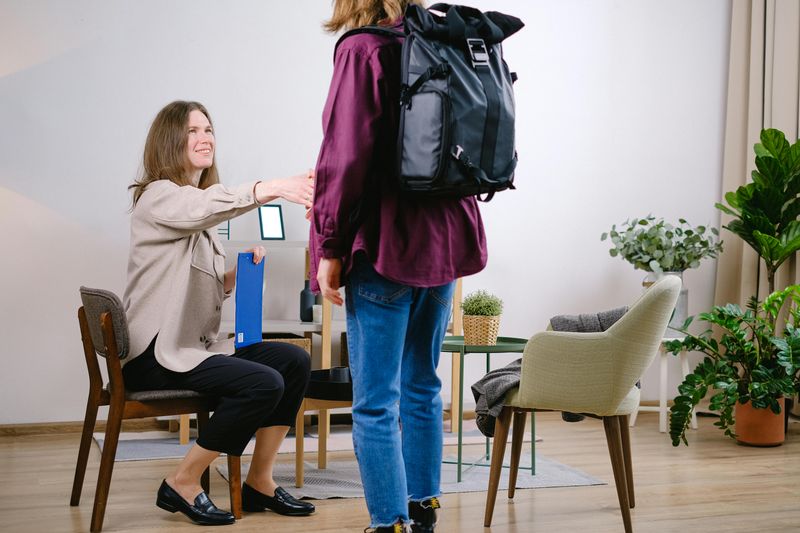
A handshake might last only two seconds, but it leaves a lasting impression.
A limp handshake can make someone feel like you’re unsure or uninterested.
A firm one, on the other hand, communicates respect and confidence right away.
You don’t want to crush anyone’s hand — that’s not the goal.
Aim for a grip that’s solid and steady, paired with a brief smile and eye contact.
That combination is unbeatable.
Practicing with a friend or family member can help you find the right pressure.
Once you’ve got it down, a confident handshake becomes second nature in any situation.
7. Stop Saying Sorry for Everything

Saying “sorry” when you bump into a chair or interrupt someone by accident is perfectly fine.
But over-apologizing — saying sorry for your opinions, your presence, or your ideas — quietly tells people you don’t think you deserve to be heard.
Confident people don’t shrink themselves with constant apologies.
Instead, they speak directly.
Try swapping “Sorry, but I think…” for “I think…” and notice how much stronger you sound.
This small shift in language can change how others perceive you almost instantly.
You have every right to take up space and share your thoughts without apologizing for them.
8. Walk With Purpose

Have you ever watched someone walk into a room and immediately thought, “That person has it together”?
Chances are, they weren’t running or shuffling — they were walking with purpose.
The way you move tells a story about how you feel about yourself.
Walking with purpose means moving at a steady pace, keeping your head up, and looking like you know where you’re going — even if you’re just heading to the cafeteria.
It’s less about speed and more about intention.
Try it next time you walk down a hallway.
Hold your head up, take even steps, and watch how people respond to your energy differently.
9. Smile at the Right Moments

A real smile is one of the most powerful tools in your confidence toolkit.
It instantly makes you look approachable, warm, and at ease — three things people associate with self-assured individuals.
And here’s the cool part: smiling can actually trick your brain into feeling happier too.
The key word is “genuine.” A forced smile can feel awkward and obvious.
Look for real moments to smile — during greetings, after making a good point, or when you’re truly enjoying a conversation.
Smiling at the right time shows emotional intelligence.
It tells people around you that you’re comfortable, present, and not afraid to connect.
10. Stay Calm Under Pressure

Nothing screams confidence quite like staying cool when things get stressful.
When everyone else is panicking, the person who stays calm naturally becomes the one others look to for guidance.
That kind of composure is magnetic.
Staying calm doesn’t mean you don’t feel nervous — it means you’ve learned how to manage that nervous energy.
Simple techniques like taking a slow, deep breath before speaking can make a huge difference in how steady you appear.
Over time, practicing calm responses in small stressful moments builds a habit.
Before you know it, keeping your cool under pressure becomes part of who you are — not just how you look.
Comments
Loading…