
 Hailey Watson
14 Simple Things We Took for Granted Until We Got Older

Remember when you could eat an entire pizza at midnight without feeling sick the next morning? Or when sleeping in a weird position didn’t mean waking up with a stiff neck for three days?
Growing up changes how we see the world and what we value in everyday life. Many simple pleasures and abilities we once ignored now feel like precious gifts we wish we’d appreciated more.
1. Sleeping Without Back Pain

Waking up refreshed used to happen automatically.
Your body just bounced back no matter how you slept.
Now, one wrong turn during the night can leave you hobbling around like you’ve aged fifty years overnight.
Young bodies are incredibly forgiving.
They repair themselves quickly and handle stress without complaint.
As years pass, that resilience fades, and suddenly your mattress, pillow, and sleeping position all matter tremendously.
Did you know?
Most people spend about one-third of their lives sleeping, yet many don’t invest in proper sleep support until pain forces them to.
Taking care of your back early makes a huge difference later in life.
2. Eating Whatever You Want

Fast food at 2 AM used to be an adventure, not a recipe for disaster.
Your teenage metabolism burned through calories like a furnace, and heartburn was something only old people complained about on TV commercials.
These days, one spicy meal can ruin your entire evening.
Lactose intolerance appears out of nowhere.
Suddenly you’re reading ingredient labels and keeping antacids in your nightstand.
Nutrition matters more as your digestive system becomes pickier.
What once seemed like boring adult behavior now makes perfect sense.
Your body simply can’t process junk food the way it used to, and ignoring that fact comes with uncomfortable consequences.
3. Having Energy All Day

Boundless energy used to be your default setting.
You could stay up late, wake up early, and still have enough fuel to run around all day without thinking twice about it.
Adulthood brings fatigue that sneaks up on you.
By 3 PM, you’re eyeing your desk wondering if a quick nap would be acceptable.
Coffee becomes less of a treat and more of a survival tool.
Your body’s energy production naturally decreases with age.
Mitochondria, the powerhouses of your cells, become less efficient over time.
Regular exercise, proper sleep, and good nutrition help maintain energy levels, but nothing quite matches that youthful stamina you once had.
4. Free Time After School

Those endless afternoons after school felt boring sometimes.
You’d complain about having nothing to do while sprawled on the couch watching TV for hours.
Little did you know those were golden hours of pure freedom.
Adult responsibilities consume every spare moment.
Work, errands, bills, cleaning, cooking, and countless other tasks fill your schedule.
Finding even thirty minutes for yourself feels like winning the lottery.
Time becomes your most valuable resource as you age.
You’d probably give anything now for just one of those lazy afternoons with zero obligations.
Appreciating free time when you have it is a lesson most people learn too late.
5. Your Parents Cooking Dinner

Complaining about what’s for dinner used to be acceptable behavior.
Someone else planned meals, bought groceries, cooked food, and cleaned up afterward while you just showed up and ate.
That arrangement was pretty amazing in retrospect.
Cooking for yourself every single night gets exhausting.
Deciding what to eat, checking if you have ingredients, actually preparing food, and washing dishes afterward takes significant time and effort.
Takeout becomes tempting but expensive.
Meal planning is an underrated skill.
Your parents juggled nutrition, budget, preferences, and time constraints without making it seem difficult.
Now you understand why they got frustrated when you turned your nose up at perfectly good food.
6. Hanging Out With Friends Easily

Making plans used to be simple.
You’d see your friends at school every day anyway, and getting together afterward just meant walking to someone’s house or meeting at the park.
Spontaneous hangouts were the norm, not the exception.
Coordinating adult schedules feels like solving a puzzle.
Everyone works different hours, lives in different neighborhoods, and has various commitments.
Planning something weeks in advance doesn’t guarantee it’ll actually happen.
Social connections require more effort as life gets busier.
Friendships that once felt effortless now need active maintenance.
You realize those daily interactions weren’t just convenient—they were the foundation of strong relationships you didn’t know you were building.
7. Living Without Bills

Electricity, water, internet, phone, insurance, rent—the list never ends.
Bills arrive constantly, demanding attention and money.
You probably never thought twice about flipping on lights or cranking up the heat when you were younger.
Financial responsibility hits hard when you’re paying for everything yourself.
Each utility has a cost.
Every convenience requires money.
Budgeting becomes essential rather than optional.
Understanding expenses changes your behavior.
You turn off lights religiously, take shorter showers, and think carefully before adjusting the thermostat.
Your parents weren’t being cheap—they were being practical.
Now you’re doing the exact same things they did, finally understanding why they cared so much about wasted resources.
8. Recovering Quickly From Injuries
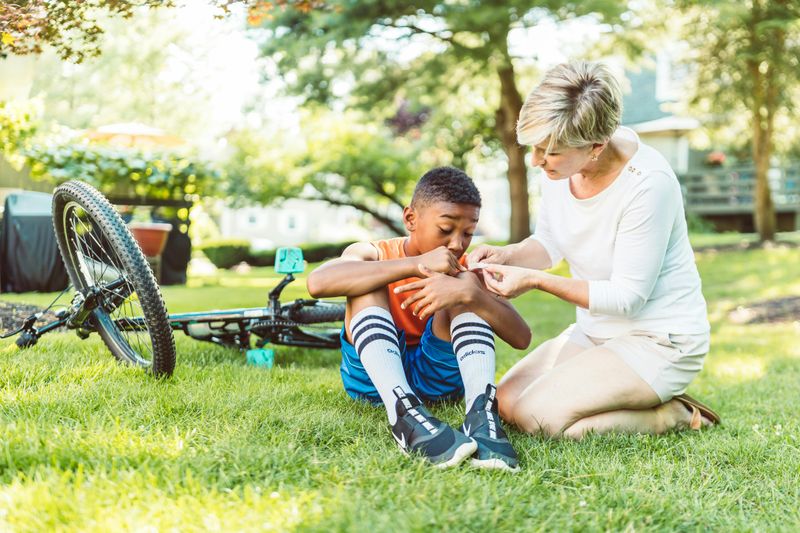
Bruises, scrapes, and minor injuries healed within days when you were young.
You could fall off your bike, dust yourself off, and be back at it the next day without any lingering problems or concerns.
Adult bodies hold onto injuries like grudges.
That ankle you twisted?
Still bothers you when it rains.
The shoulder you hurt playing sports?
Aches randomly for no apparent reason years later.
Healing slows down naturally with age.
Your body produces less collagen and other repair proteins.
Scar tissue builds up differently.
Physical therapy becomes more important.
Taking injuries seriously when they happen, rather than just pushing through the pain, prevents long-term problems you’ll regret later.
9. Good Knees and Joints

Running, jumping, climbing, and squatting happened without a second thought.
Your knees just worked.
Joints moved smoothly and painlessly in every direction.
Standing up didn’t require strategic planning or making old-person noises.
Cartilage wears down over time.
Joints that once glided effortlessly now creak and crack.
Stairs become your enemy.
Getting up from the floor turns into a whole production involving furniture for support.
Joint health matters more than you realized.
Weight management, regular movement, and proper form during exercise all protect your knees and other joints.
Ignoring joint pain when you’re young leads to bigger problems later.
Prevention is far easier than treatment once damage is done.
10. Staying Up Late Without Consequences

All-nighters used to be fun adventures.
You could survive on three hours of sleep and still function the next day.
Maybe you’d be a little tired, but nothing serious.
Sleep deprivation was just part of the experience.
Missing sleep now wrecks you for days.
One late night throws off your entire week.
Your mood suffers, your focus disappears, and you feel physically ill.
Recovery takes much longer than it used to.
Sleep debt accumulates and compounds over time.
Your brain needs consistent rest to function properly.
Chronic sleep deprivation affects memory, decision-making, and emotional regulation.
Those youthful all-nighters came with hidden costs your body absorbed then but won’t tolerate now.
Prioritizing sleep isn’t boring—it’s necessary.
11. Clear, Youthful Skin

Your skin once looked good without much effort.
Maybe you washed your face with regular soap and called it a day.
Wrinkles, dark spots, and fine lines weren’t even on your radar as concerns worth thinking about.
Skin changes dramatically as you age.
Collagen production decreases.
Sun damage accumulates.
Fine lines appear around your eyes and mouth.
Suddenly you’re researching serums, moisturizers, and SPF ratings like your life depends on it.
Skincare routines that seemed excessive when you were younger now make perfect sense.
Protection from sun damage is crucial.
Hydration matters.
Gentle products work better than harsh ones.
Taking care of your skin early prevents damage that’s difficult or impossible to reverse later on.
12. A Quiet Mind Without Constant Worry

Childhood came with fewer concerns.
Sure, you worried about tests or whether your crush liked you back, but those anxieties faded quickly.
Your brain wasn’t constantly running through worst-case scenarios or maintaining mental to-do lists.
Adult anxiety operates on a different level.
You worry about money, health, career, relationships, family, and a thousand other things simultaneously.
Your mind rarely stops churning through problems and potential disasters.
Mental health requires active management as responsibilities increase.
Stress compounds over time if you don’t address it.
Learning coping strategies, setting boundaries, and sometimes seeking professional help becomes important.
That carefree mental state you once took for granted was actually a luxury worth protecting and working to reclaim.
13. Seeing Clearly Without Glasses

Perfect vision seemed permanent.
You could read tiny text, spot details from far away, and never squinted at screens.
Glasses were something other people needed, not you.
Your eyes just worked flawlessly without any assistance.
Vision changes sneak up gradually.
First you hold your phone a little farther away.
Then you struggle reading menus in dim restaurants.
Eventually, you’re getting eye exams and picking out frames.
Eye health declines naturally with age for most people.
The lenses in your eyes become less flexible, making focusing difficult.
Screen time accelerates strain and fatigue.
Regular eye exams catch problems early.
Those perfect eyes you once had required no appreciation because they seemed like they’d last forever unchanged.
14. Having Your Whole Future Ahead

Everything felt possible when you were young.
Time stretched endlessly forward.
You could become anything, go anywhere, and try everything.
The future was this exciting, unlimited space full of potential and opportunity waiting to unfold.
Paths narrow as you age.
Choices you made close off other options.
Time becomes finite and precious.
You realize some dreams won’t happen, and that’s okay, but the realization still stings a little.
Perspective shifts from unlimited potential to appreciating what you’ve built.
Youth’s greatest gift isn’t just energy or health—it’s the genuine belief that anything is possible.
That optimistic outlook deserves protection and appreciation while you have it, because it fades gradually without you noticing until it’s already gone.
Comments
Loading…