
 Jade Reed
14 Popular Bucket List Ideas People Say You Should Actually Skip
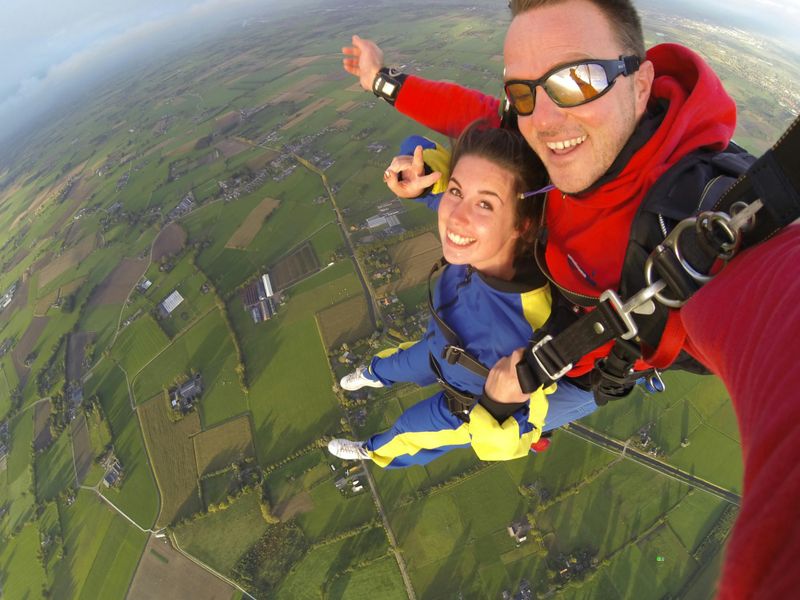
We all dream about checking off those famous bucket list experiences, but not every popular adventure lives up to the hype.
Some of these so-called must-do activities can drain your wallet, waste your time, or leave you feeling disappointed. Before you commit to the most talked-about bucket list items, you might want to hear what real travelers and experienced adventurers have to say about what’s actually worth your effort.
1. Swimming with Dolphins in Captivity
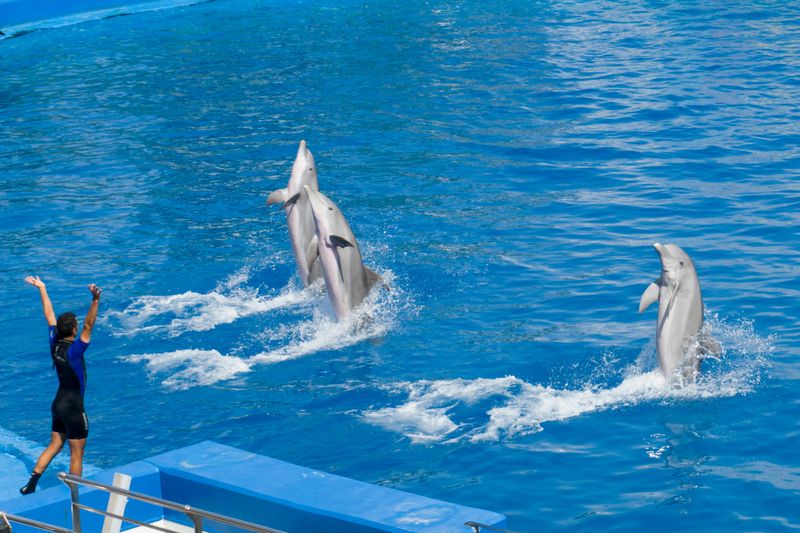
Many marine biologists warn that these attractions often harm the animals more than help them.
Dolphins in captivity face stress, limited space, and unnatural living conditions that affect their health and behavior.
The pools are typically treated with chemicals that can irritate both human and dolphin skin.
Wild dolphins travel up to 40 miles daily, but captive ones swim in circles in small tanks.
Animal welfare experts suggest watching dolphins in their natural ocean habitat instead.
Boat tours offer chances to see these intelligent creatures living freely without supporting industries that keep them confined.
Your money speaks volumes about what you value.
2. Visiting Times Square on New Year’s Eve
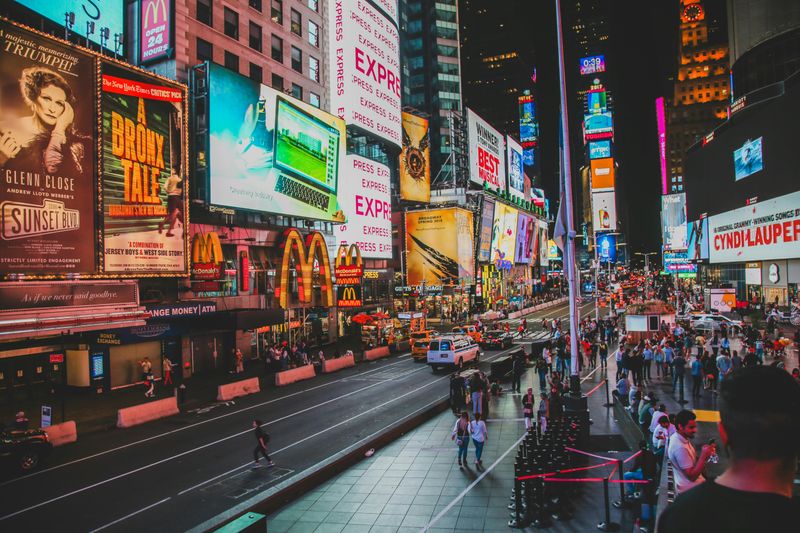
Standing in freezing temperatures for 12 hours sounds less magical when you realize there are no bathrooms available.
People arrive before noon to secure a spot, then can’t leave or they lose their place in the crowd.
You’re packed so tightly you can barely move your arms.
The famous ball drop lasts only 60 seconds, and you’ll likely only see it on giant screens anyway since you’re so far away.
Local New Yorkers avoid this event entirely, choosing rooftop parties or restaurant celebrations instead.
The experience often involves discomfort, exhaustion, and bathroom emergencies rather than the glamorous celebration you see on TV.
3. Climbing Mount Everest
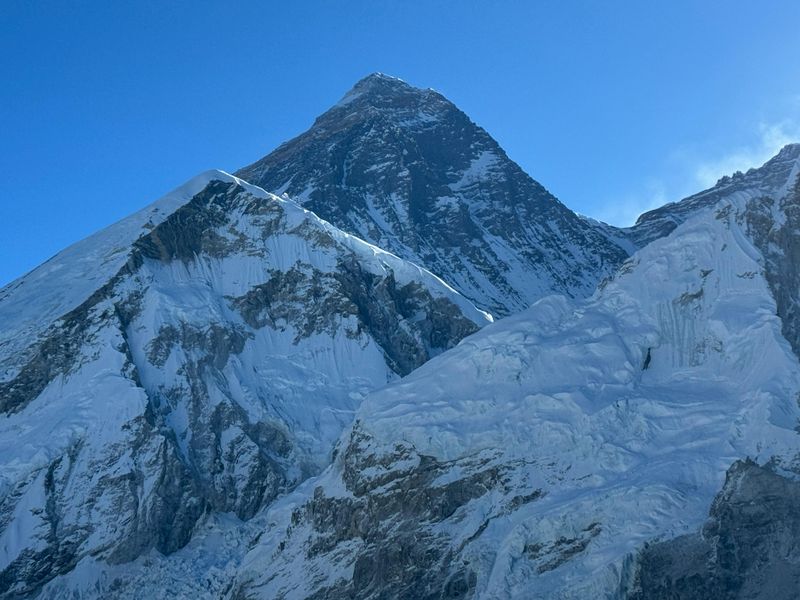
Traffic jams at 29,000 feet have turned this once-exclusive achievement into a dangerous tourist attraction.
Climbers now wait in lines for hours in the death zone, where oxygen is scarce and frostbite strikes quickly.
The mountain has become littered with trash, abandoned equipment, and even human remains.
Commercial expeditions charge over $50,000 but can’t guarantee your safety or summit success.
Inexperienced climbers put themselves and rescue teams at serious risk.
Many mountaineers suggest tackling less crowded peaks that offer similar challenges without the commercialization.
Adventure shouldn’t mean following a dangerous trend.
4. Taking Photos at the Leaning Tower of Pisa
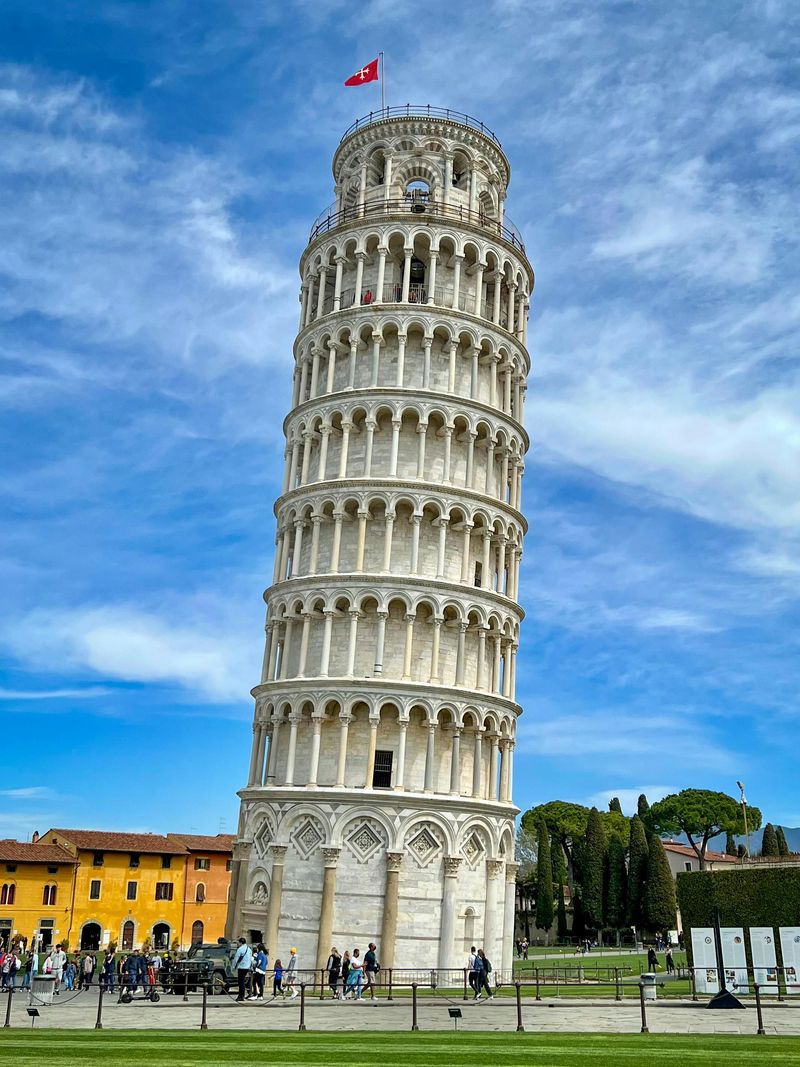
Everyone takes the exact same photo pretending to hold up the tower, and honestly, it got old about two decades ago.
You’ll spend more time waiting for your turn and dodging other tourists than actually enjoying the architecture.
The surrounding area has become a tourist trap filled with overpriced restaurants and pushy vendors.
The tower itself takes maybe 15 minutes to appreciate, yet people plan entire days around this single photo opportunity.
Italy offers thousands of stunning architectural wonders without the crowds and cliches.
Your travel photos should capture genuine moments, not recreate the same pose millions have done before you.
5. Going on an African Safari Just to Check a Box
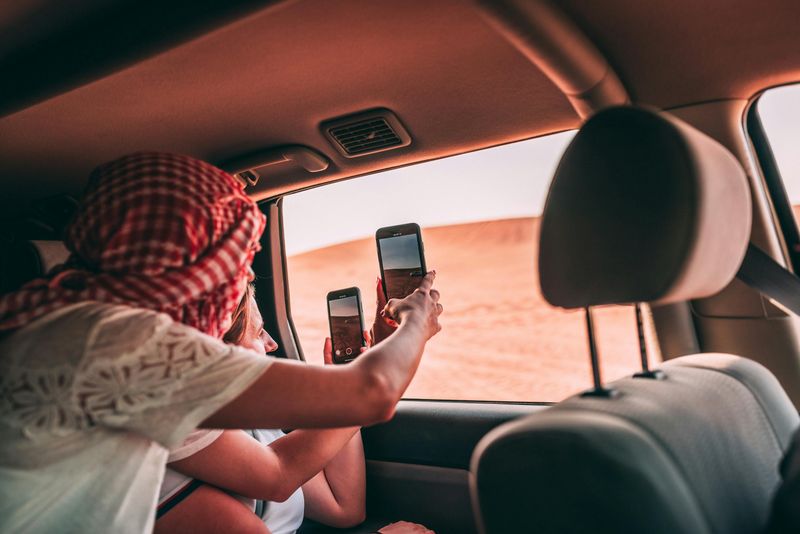
Rushing through a safari just to say you did it misses the entire point of the experience.
These trips work best when you slow down, observe animal behavior, and connect with the ecosystem rather than hunting for Instagram moments.
Budget safaris often involve overcrowded vehicles and guides who speed through parks chasing the big five animals.
You end up with a checklist mentality instead of appreciating the incredible biodiversity around you.
Conservation experts recommend longer, more mindful trips with ethical tour operators.
Quality matters far more than quantity when it comes to wildlife experiences that actually benefit local communities and animal protection efforts.
6. Eating at Overpriced Michelin-Starred Restaurants

Spending $500 on a meal where each course fits on a teaspoon leaves many diners hungry and confused.
The pretentious atmosphere often makes people feel uncomfortable rather than special, with servers explaining each micro-ingredient in exhausting detail.
Food critics admit that many Michelin-starred restaurants prioritize appearance over flavor and satisfaction.
You might leave needing to stop for pizza because the 12 tiny courses didn’t actually fill you up.
Local family-owned restaurants often serve more memorable meals at a fraction of the cost.
Great food doesn’t require a second mortgage or a dress code that makes you feel like you’re attending a funeral.
7. Running with the Bulls in Pamplona
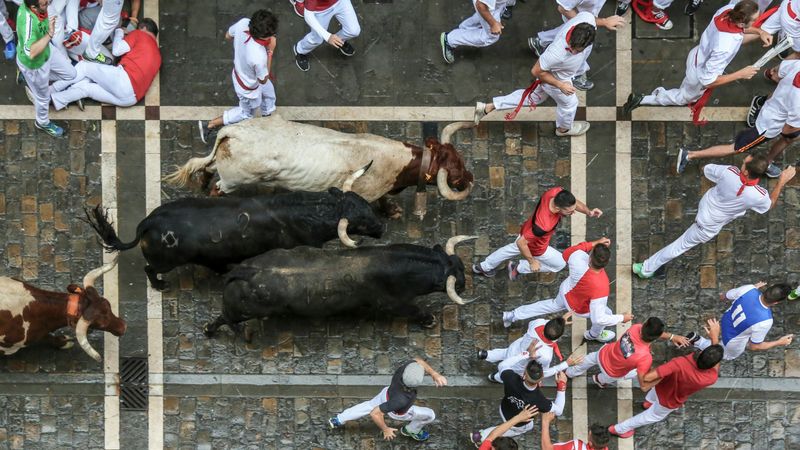
Hundreds of people get injured every year during this nine-day festival, with gorings, tramplings, and concussions being common outcomes.
The bulls are stressed, the streets are slippery, and drunk tourists make the event even more unpredictable and hazardous.
Animal rights activists point out that the bulls are later killed in bullfights, making this tradition controversial beyond just the safety concerns.
Many participants admit the experience is terrifying rather than thrilling.
Spain offers countless cultural festivals that don’t involve risking your life or participating in animal cruelty.
Bravery and stupidity aren’t the same thing, despite what social media might suggest about this dangerous tradition.
8. Buying a Star and Naming It After Someone

Astronomers want you to know these certificates are completely meaningless and hold no scientific recognition whatsoever.
No official astronomical organization recognizes commercial star-naming services, making them essentially expensive pieces of paper with no real value.
The International Astronomical Union is the only body that officially names celestial objects, and they don’t sell naming rights.
Multiple companies might even sell the same star to different people since there’s no regulation.
You’re basically paying $50 for a fake certificate and a random coordinate.
Better gift ideas include actual astronomy experiences like planetarium visits, telescope equipment, or donations to space research in someone’s name that actually contribute to science.
9. Attending Overcrowded Music Festivals Like Coachella
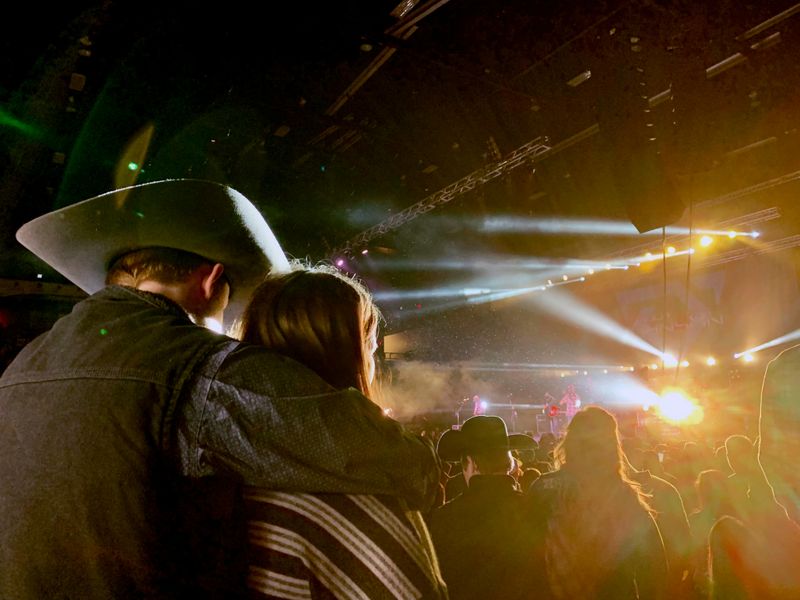
Paying hundreds of dollars to stand in the scorching heat while barely seeing the stage doesn’t sound like the dream experience advertised on social media.
Long bathroom lines, overpriced food, and aggressive crowds often overshadow the actual music you came to hear.
Many attendees admit they spend more time trying to get the perfect photo than actually enjoying performances.
The sound quality in massive outdoor venues can’t compare to smaller, more intimate concert settings.
Smaller music festivals offer better artist interaction, reasonable prices, and actual space to breathe and dance.
Festival culture has become more about status and appearances than genuine music appreciation and community connection.
10. Skydiving Just Because Everyone Else Does
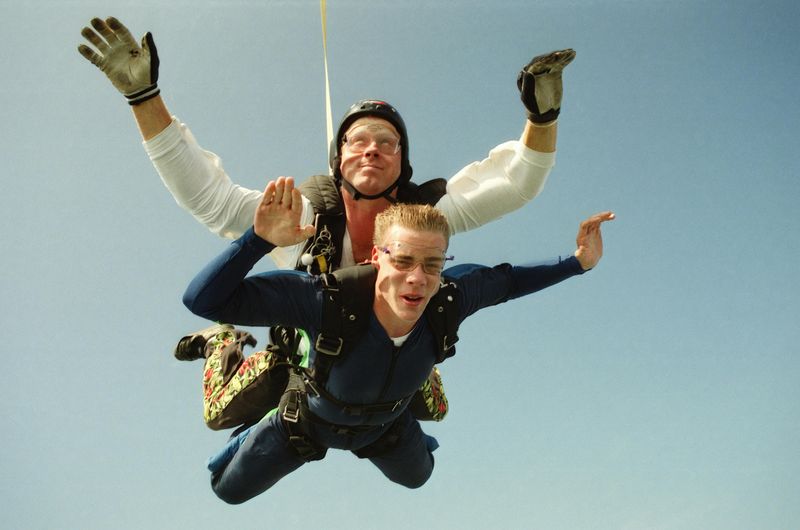
Conquering your fears sounds noble, but forcing yourself to jump from a plane when you’re genuinely terrified might just be expensive torture.
The experience lasts only about 60 seconds of freefall, and many people report feeling more relieved than exhilarated when it’s over.
Tandem jumps cost $200-$300, and you’re basically strapped to someone else doing all the work.
If heights genuinely terrify you, there’s no shame in choosing adventures that actually bring you joy instead of panic.
Not every bucket list item needs to involve near-death experiences.
Plenty of other activities offer adrenaline rushes without making you question every life decision during the plane ride up.
11. Visiting Every Continent Just for the Count

Racing through continents like you’re collecting Pokemon cards means you miss the depth and richness each place offers.
Spending 24 hours in Antarctica just to check it off your list wastes money and contributes to environmental damage in fragile ecosystems.
Meaningful travel involves cultural immersion, learning, and genuine connections rather than passport stamp competitions.
Some travelers admit they remember more from week-long stays in single cities than month-long trips hitting multiple continents.
Quality experiences in fewer places create lasting memories and deeper understanding.
Geography shouldn’t be treated like a scavenger hunt where quantity matters more than the actual human connections and insights you gain along the way.
12. Getting a Tattoo in a Foreign Language You Don’t Understand

Tattoo artists in Asia have entire social media accounts dedicated to laughing at tourists’ mistranslated body art.
What you think says “strength” might actually translate to “chicken soup” or something equally embarrassing and permanent.
Even when you think you’ve verified the translation, different characters can have multiple meanings depending on context and combination.
Your meaningful phrase might be grammatically incorrect or use outdated language that sounds ridiculous to native speakers.
If you truly want foreign script tattooed on your body, invest in professional translation services and cultural consultants.
Better yet, choose meaningful symbols or words from languages you actually speak and understand completely before making permanent decisions.
13. Proposing at a Famous Landmark in Front of Strangers

Your partner might prefer an intimate moment over becoming unwilling entertainment for a hundred strangers with cameras.
Public proposals at tourist spots put enormous pressure on the person being asked, making it nearly impossible to have a genuine reaction or say no if they’re not ready.
The moment gets interrupted by tourists asking you to move, street vendors, and people demanding to take photos.
Many couples later admit the proposal felt performative rather than personal and romantic.
Private proposals in meaningful locations create better stories and more authentic memories.
Romance shouldn’t require an audience or Instagram validation to be special and memorable for the two people actually involved in the relationship.
14. Swimming in the Dead Sea Just to Float
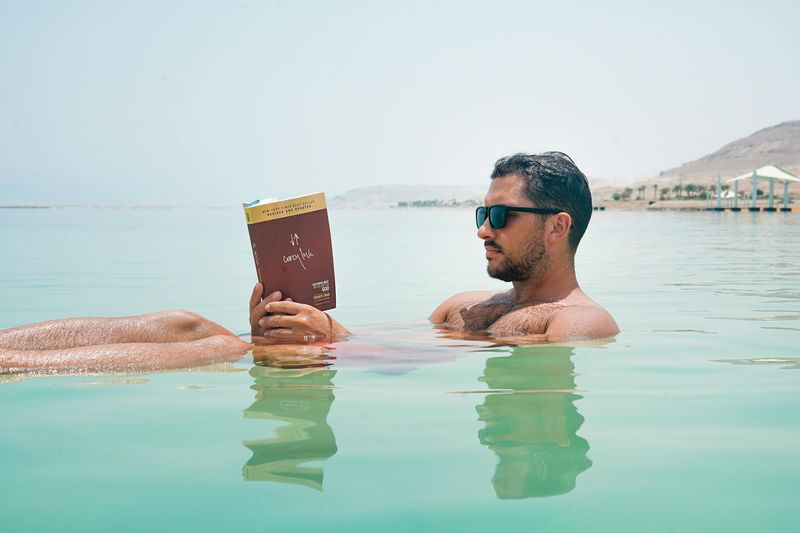
The Dead Sea is shrinking rapidly, and tourism contributes to environmental problems in an already fragile ecosystem.
The water burns any small cut or scratch you have, stings your eyes terribly, and tastes absolutely awful if it gets in your mouth.
You can only stay in the water for 10-15 minutes before the salt becomes irritating and potentially harmful to your skin.
The surrounding area often smells bad, and the mud treatments are overpriced tourist gimmicks with questionable benefits.
Floating in any salt water provides similar experiences without traveling to a dying natural wonder.
Sometimes the reality of bucket list destinations doesn’t match the peaceful photos you see online or in travel magazines.
Comments
Loading…