
 Isabel Parker
12 Practical Tips to Overcome Procrastination

Procrastination is something almost everyone deals with at some point. Whether it’s putting off homework, avoiding chores, or delaying important tasks, it can make life more stressful and overwhelming.
The good news is that beating procrastination is totally possible with the right strategies. These practical tips will help you take control of your time and get things done without the last-minute panic.
1. Break Tasks Into Smaller Steps

Big projects can feel scary and impossible to start.
When you look at everything you need to do all at once, your brain might shut down and convince you to do something easier instead.
That’s totally normal.
The trick is to chop that giant task into tiny, manageable pieces.
If you have to write a five-page report, start by just writing one paragraph.
If you need to clean your entire room, begin by making your bed.
Small wins build momentum and confidence.
Before you know it, you’ll have finished way more than you thought possible.
Each little step forward makes the next one easier to take.
2. Use the Two-Minute Rule

Here’s a game-changer: if something takes less than two minutes to do, do it right now.
Seriously, don’t even think about it.
Just get it done immediately and move on with your day.
This simple rule prevents tiny tasks from piling up into a mountain of stress.
Answering that quick email, putting your dishes in the dishwasher, or filing that paper might seem small, but they add up fast.
When you handle quick tasks immediately, you free up mental space for bigger projects.
Your to-do list shrinks naturally, and you’ll feel more in control of your day without even trying that hard.
3. Set Clear Deadlines

Without a specific deadline, tasks can float around forever in your mind.
Your brain needs concrete dates and times to take things seriously and actually get moving on them.
Create your own deadlines even when nobody else gives you one.
Write them down in your planner or phone calendar.
Make them realistic but firm, and treat them like real appointments you can’t miss.
Deadlines create healthy pressure that pushes you to focus.
They also help you plan backward from the due date, so you know exactly when to start.
Having that finish line in sight makes starting feel less scary and more urgent.
4. Eliminate Distractions

Your phone buzzes, a notification pops up, someone walks by—suddenly you’ve lost 20 minutes without finishing anything.
Distractions are procrastination’s best friend, so you need to kick them out of your workspace.
Put your phone in another room or use apps that block distracting websites during work time.
Clear your desk of anything that might pull your attention away.
Tell family members or roommates when you need quiet time to focus.
Creating a distraction-free zone helps your brain stay locked into what matters.
The fewer interruptions you face, the faster you’ll finish tasks and the better quality your work will be.
5. Reward Yourself for Progress

Why should you do hard work if there’s nothing fun waiting at the end?
Your brain responds really well to rewards, so use that to your advantage when fighting procrastination.
After finishing a challenging task or working for a set amount of time, give yourself something you enjoy.
Watch an episode of your favorite show, eat a special snack, or spend time on a hobby you love.
These rewards train your brain to associate productivity with positive feelings.
Over time, starting tasks becomes easier because you know something good is coming.
Just make sure the reward matches the effort you put in to keep things balanced.
6. Start with the Hardest Task First

Mark Twain once said if you eat a frog first thing in the morning, the rest of your day will be better.
He meant tackling your toughest, most unpleasant task right away gives you energy and confidence.
When you knock out the hardest thing early, everything else feels easier by comparison.
You’ll also have more mental energy in the morning, making difficult work less painful to complete.
Procrastinators often save the worst for last, which creates anxiety all day long.
Flip that script and get it over with immediately.
You’ll feel accomplished and relieved, making the rest of your tasks fly by with less resistance.
7. Use a Timer and Work in Bursts
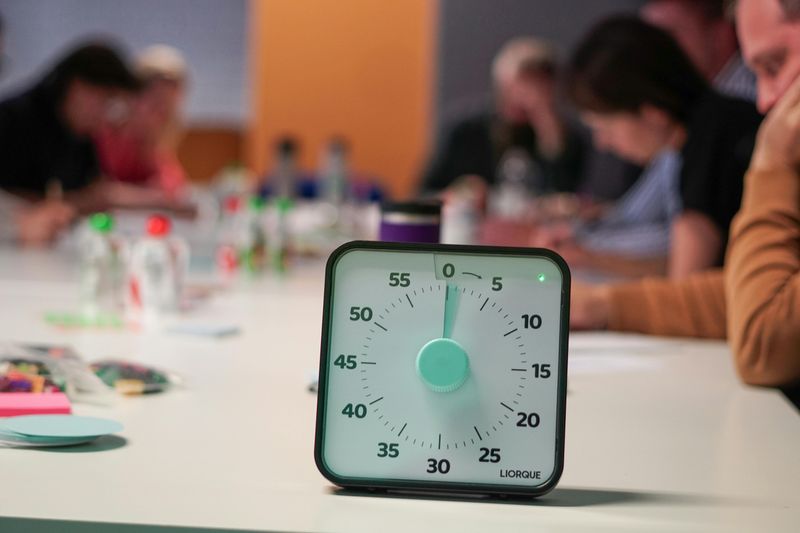
Marathon work sessions sound productive, but they often lead to burnout and more procrastination.
Instead, try working in focused bursts with breaks in between, like the popular Pomodoro Technique.
Set a timer for 25 minutes and work with full concentration until it goes off.
Then take a five-minute break to stretch, grab water, or look away from your screen.
After four rounds, take a longer 15-30 minute break.
This method keeps your brain fresh and prevents exhaustion.
Knowing a break is coming soon makes it easier to push through tough moments.
You’ll accomplish more in shorter, focused sessions than in hours of distracted half-working.
8. Create a Dedicated Workspace

Trying to work from your bed or couch sends mixed signals to your brain.
Those spots are for relaxing, not focusing, so your mind naturally wants to chill out instead of being productive there.
Set up a specific area just for work or studying.
It doesn’t have to be fancy—just a corner with a desk or table where you only do focused tasks.
Keep it organized and free from clutter.
Your brain will start associating that space with productivity, making it easier to concentrate when you sit down there.
Leaving that area when you’re done also helps you mentally disconnect and truly relax during your free time.
9. Make a Daily To-Do List

Waking up without a plan makes it easy to wander through your day accomplishing nothing important.
A simple to-do list gives you direction and purpose from the moment you start.
Each morning or the night before, write down the three to five most important things you need to accomplish.
Be specific—instead of “work on project,” write “complete the introduction section of my science project.”
Checking items off your list feels incredibly satisfying and keeps you motivated.
You’ll also waste less time deciding what to do next because you’ve already made those choices.
Plus, seeing your progress on paper proves you’re moving forward, which fights procrastination naturally.
10. Understand Your Why

Sometimes we procrastinate because we don’t really understand why a task matters.
When you connect your work to a bigger purpose or goal, motivation becomes much easier to find.
Ask yourself why this task is important.
How will completing it help you reach your goals or improve your life?
Maybe finishing homework leads to better grades, which opens doors to college opportunities you want.
Writing down your reasons and keeping them visible reminds you what you’re working toward.
When procrastination tempts you, reviewing your “why” can reignite your drive.
Purpose is powerful fuel that keeps you moving even when tasks feel boring or difficult.
11. Practice Self-Compassion

Beating yourself up for procrastinating only makes things worse.
Guilt and shame drain your energy and make you want to avoid tasks even more, creating a vicious cycle that’s hard to escape.
Instead, treat yourself with the same kindness you’d show a friend who’s struggling.
Acknowledge that procrastination is normal and doesn’t make you lazy or bad.
Everyone deals with it sometimes.
When you mess up, forgive yourself quickly and refocus on what you can do right now.
Self-compassion actually increases motivation because you’re not wasting energy on negative emotions.
Being gentle with yourself creates space for growth and better choices moving forward.
12. Find an Accountability Partner

Everything feels easier when you’re not doing it alone.
Having someone who checks in on your progress and encourages you can make a huge difference in beating procrastination.
Choose a friend, family member, or classmate who also wants to be more productive.
Share your goals with each other and set regular check-in times to discuss progress.
Knowing someone will ask about your work creates positive pressure to follow through.
You can also work together on tasks, even if you’re doing different things.
Just having another person nearby who’s focused helps you stay on track.
Accountability turns productivity into a team effort rather than a lonely struggle.
Comments
Loading…