
 Hailey Watson
Is Phone Addiction Eating Your Time? Try These 10 Fixes

Most of us pick up our phones without even thinking about it. One minute you’re checking a quick notification, and the next hour—or more—has completely vanished. Phone addiction is a real problem, quietly stealing time, focus, and even sleep from millions of people every day.
It can affect productivity, mental health, and the quality of your relationships, all without you even noticing. The good news is that small, simple changes to your habits and routines can help you take back control of your screen time and reclaim your attention, energy, and peace of mind.
1. Set Daily Screen Time Limits

Your phone probably knows exactly how much time you waste on it — and the number might shock you.
Most smartphones have built-in screen time tools that let you set daily limits for specific apps.
When your limit runs out, the app locks itself so you can’t keep scrolling mindlessly.
Setting limits takes less than five minutes to do.
Start small by cutting your most-used app down by just 30 minutes a day.
Over a week, those saved minutes add up to hours of real, productive life back in your hands.
2. Turn Off Non-Essential Notifications
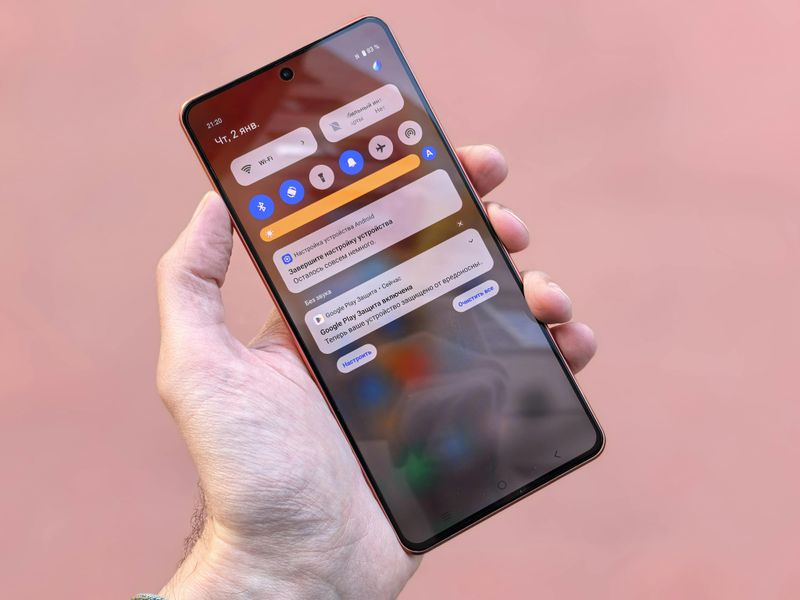
Every buzz, ping, and banner on your phone is basically a tiny trap designed to pull you back in.
Social media apps, games, and shopping platforms send constant alerts not because they care about you, but because they need your attention to make money.
Go into your phone settings right now and turn off notifications for every app that doesn’t truly need to reach you.
Keep alerts for calls, messages, and maybe calendar reminders.
Fewer interruptions mean fewer chances to fall into a two-hour scrolling spiral you never planned on starting.
3. Create Phone-Free Zones at Home

Imagine sitting at dinner and actually talking to the people around you without anyone glancing at a screen.
Phone-free zones make that happen.
Pick specific areas of your home, like the dining table, bedroom, or bathroom, where phones simply aren’t allowed.
Research shows that even having a phone visible on a table reduces your ability to focus on conversation.
Out of sight really does mean out of mind.
Start with one room and see how different things feel when nobody is half-distracted by a glowing rectangle sitting next to their plate.
4. Replace Scrolling With a Hobby

Boredom is one of the biggest reasons people reach for their phones.
The moment there’s nothing to do, the thumb starts scrolling almost automatically.
Breaking that habit becomes much easier when there’s something genuinely fun waiting instead.
Pick up something you’ve always wanted to try, whether that’s drawing, cooking, playing guitar, or building models.
Hobbies give your brain the stimulation it’s been chasing through social media, but in a way that actually builds real skills.
Plus, you’ll have something cool to show for your time instead of just a sore thumb and blurry eyes.
5. Use Grayscale Mode on Your Phone

Here’s a sneaky trick that actually works: switch your phone display to grayscale.
Apps are designed with bright, eye-catching colors that trigger feel-good reactions in your brain, making you want to keep looking.
Remove the color, and suddenly everything looks a whole lot less exciting.
Studies have shown that grayscale mode can noticeably reduce the amount of time people spend on their phones.
You can find the setting under accessibility or display options.
It sounds almost too simple, but when Instagram looks like an old newspaper, you’ll find yourself putting the phone down a lot faster.
6. Charge Your Phone Outside the Bedroom
Keeping your phone on the nightstand is basically inviting it to wreck your sleep.
Most people check their phones within minutes of waking up and scroll for way too long before finally falling asleep.
The bedroom should be a place for rest, not a second social media session.
Buy a simple alarm clock and charge your phone in the hallway or kitchen instead.
That one change removes the late-night temptation completely.
Mornings get better too, because you’ll actually wake up before diving into emails and notifications.
Your brain deserves at least a few calm minutes before the digital world rushes in.
7. Try the 20-20-20 Rule for Screen Breaks

Staring at screens for hours doesn’t just eat your time, it physically strains your eyes, neck, and posture.
The 20-20-20 rule is a simple fix that eye doctors actually recommend: every 20 minutes, look at something 20 feet away for 20 seconds.
Setting a timer to remind yourself creates a natural pause that breaks the scroll cycle.
During that 20-second break, stretch your neck, take a breath, and ask yourself if you actually need to keep looking at your phone.
Often, that tiny pause is enough to snap you out of a mindless scrolling session for good.
8. Schedule Specific Times to Check Your Phone

Checking your phone constantly throughout the day is like trying to read a book while someone keeps tapping your shoulder every three minutes.
It destroys focus and makes every task take twice as long.
Scheduling specific check-in times, say at 9 AM, noon, and 5 PM, gives you control over your phone instead of the other way around.
Between those windows, keep the phone face-down or in another room.
You’ll be surprised how rarely anything truly urgent actually comes through.
Most messages can wait 90 minutes without the world ending, and your concentration will skyrocket as a result.
9. Delete Social Media Apps From Your Phone
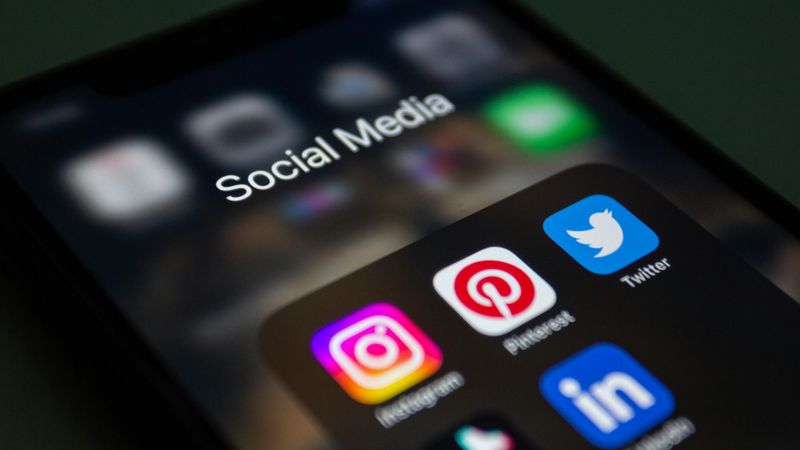
This one feels scary, but it might be the most powerful fix on this list.
Social media apps are specifically engineered to be as addictive as possible, using algorithms that keep feeding you content you can’t resist.
Removing them from your phone doesn’t mean quitting forever, it just means adding a small barrier between you and endless scrolling.
You can still access platforms through a browser when you genuinely want to.
That extra step of opening a browser kills the impulsive habit completely.
Most people who try this report feeling less anxious, more focused, and shocked by how much free time suddenly appears in their day.
10. Practice a Digital Sunset Each Evening

A digital sunset means choosing a time each evening, maybe 8 or 9 PM, when all screens officially go off for the night.
Think of it like telling your brain, okay, the online world is closed for now.
It sounds simple, but most people have never actually tried it consistently.
The hour before bed without screens allows your brain to wind down naturally, which leads to deeper, more restful sleep.
Fill that time with reading, journaling, stretching, or just talking with family.
After just a few nights, you’ll notice falling asleep feels easier, and mornings feel far less groggy and rushed.
Comments
Loading…