
 Hailey Watson
11 Ways to Reclaim Your Focus in an Era of Constant Notifications

Every buzz, ping, and pop-up pulls your attention away before you even realize it’s gone. In a world flooded with notifications, staying focused has become one of the hardest skills to hold onto.
Whether you’re trying to finish homework, crush a work deadline, or simply read a book in peace, distractions are always lurking. The good news is that with a few smart changes, you can take back control of your attention and get more done with less stress.
1. Turn On Do Not Disturb Mode
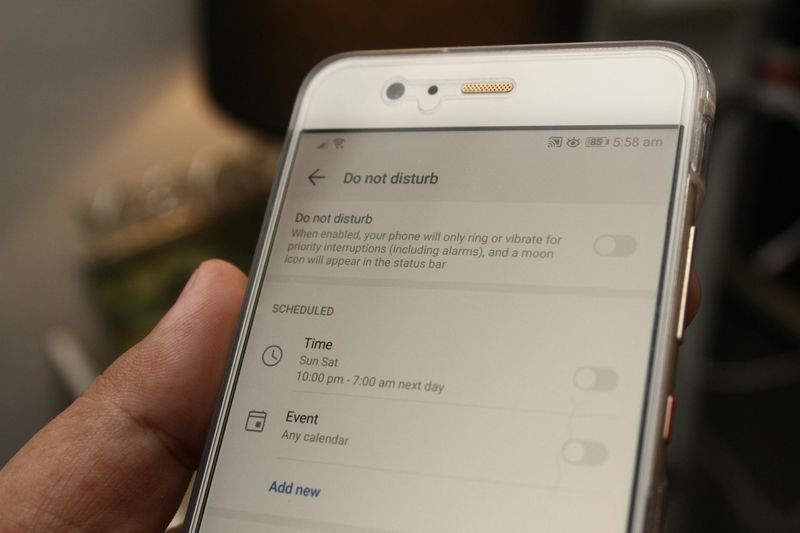
Somewhere between your third app notification and an unexpected group chat ping, your brain quietly gave up trying to focus.
Do Not Disturb mode is one of the simplest tools hiding right in your phone settings, and most people forget it exists.
Turning it on blocks calls, texts, and alerts during your chosen hours.
You can even customize it to allow calls from specific contacts in emergencies.
Think of it as putting up a “closed” sign for your brain.
Set it during study time, meals, or wind-down hours and notice how much calmer your mind feels without the constant interruptions.
2. Schedule Specific Times to Check Notifications

Most people check their phones over 90 times a day without even meaning to.
That constant checking chips away at your concentration more than you might think, because every glance breaks your mental flow.
Try batching your notification checks into two or three set windows throughout the day, like mid-morning, after lunch, and early evening.
Outside those windows, keep your phone face-down or in another room.
It feels uncomfortable at first, almost like missing out.
But within a few days, you will notice your work gets done faster and your stress levels drop significantly.
3. Use a Website Blocker During Deep Work

Fact: the average person spends over two hours daily on social media, often without planning to.
One harmless click on a news headline can spiral into forty-five minutes of scrolling before you resurface.
Website blockers like Freedom, Cold Turkey, or StayFocusd let you block distracting sites during focused work sessions.
You set the timer, choose the sites, and the app does the heavy lifting.
Your willpower gets a much-needed break because the temptation is simply removed.
Pair a blocker with a clear task list, and you will be amazed how much you can accomplish in a single hour of uninterrupted work.
4. Try the Pomodoro Technique

Named after a tomato-shaped kitchen timer, the Pomodoro Technique was invented in the late 1980s by Francesco Cirillo as a way to fight procrastination.
The concept is refreshingly straightforward.
Work for 25 minutes straight, then take a 5-minute break.
After four rounds, reward yourself with a longer 15 to 30-minute rest.
This rhythm trains your brain to focus in short, manageable bursts rather than expecting endless concentration.
It also makes big tasks feel less overwhelming because you only commit to 25 minutes at a time.
Apps like Pomofocus or Forest make tracking these sessions easy and even a little fun.
5. Create a Distraction-Free Workspace
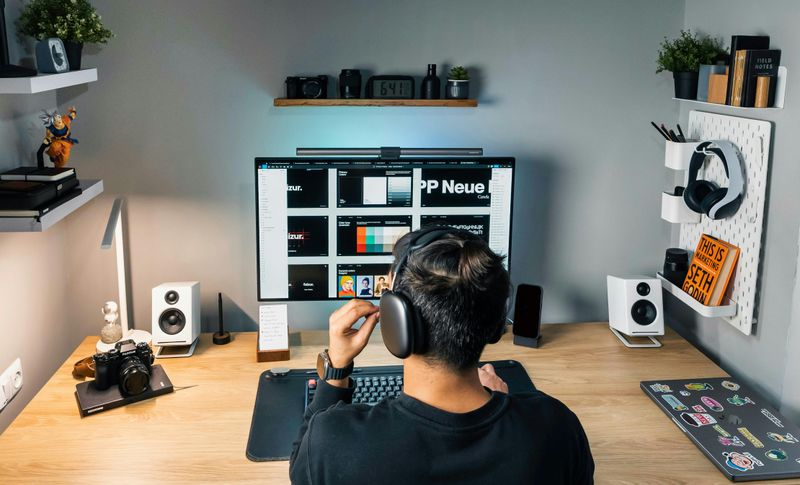
Your environment speaks to your brain before you even sit down to work.
A cluttered, noisy space signals chaos, while a clean, quiet setup whispers, “You can focus here.”
Clear your desk of everything except what you need for the current task.
Silence the TV, close unnecessary browser tabs, and let people around you know you need uninterrupted time.
Adding a small plant or a candle can make the space feel inviting without being distracting.
Over time, your brain will start to associate that specific spot with deep concentration, making it easier to slip into focus mode every single time you sit down.
6. Practice Single-Tasking Instead of Multitasking

Multitasking feels productive, but research from Stanford University shows it actually makes you less efficient and more prone to errors.
Your brain does not truly do two things at once; it just switches rapidly between them, burning extra mental energy each time.
Single-tasking means giving one job your full, undivided attention until it is complete or your timer runs out.
Start small by choosing just one task each morning to tackle before checking anything else.
Notice how much sharper your thinking feels when your mind is not stretched in five directions.
Over time, single-tasking becomes a habit that seriously boosts both your output and your confidence.
7. Set App Time Limits on Your Phone

Here is a surprising truth: most people have no idea how much time they spend on their favorite apps until they actually check.
Screen Time on iPhone and Digital Wellbeing on Android reveal the numbers, and they are often shocking.
Setting daily limits on your most-used apps forces you to become intentional about how you spend your screen time.
Once you hit your limit, the app grays out with a gentle reminder.
It is not about punishing yourself but about building awareness.
Even reducing social media use by 30 minutes a day can free up nearly 180 hours over a year for things that truly matter to you.
8. Build a Morning Routine Without Screens

How you start your morning sets the tone for your entire day.
Reaching for your phone the moment you wake up floods your brain with information, stress, and other people’s priorities before you have even had breakfast.
Try a screen-free first 30 minutes each morning.
Stretch, journal, drink water, or simply sit quietly with your thoughts.
This small ritual gives your brain a calm, clear starting point rather than a chaotic one.
Many high performers swear by this habit as the single biggest change they ever made.
Your focus throughout the rest of the day will feel noticeably sharper and more grounded.
9. Use Noise-Canceling Headphones or Focus Music

Background noise is one of the sneakiest focus killers out there.
A conversation happening nearby, a TV in the next room, or street sounds outside your window can all fragment your thinking without you even noticing.
Noise-canceling headphones create a personal quiet zone wherever you are.
Pair them with instrumental music, lo-fi beats, brown noise, or nature sounds to build an audio environment that supports deep thinking.
Studies suggest that moderate, consistent background sound can actually enhance creative thinking and concentration.
Platforms like YouTube, Spotify, and Brain.fm have entire playlists built specifically for focus, making it easy to find what works best for your brain.
10. Audit and Reduce Your Notification Settings

Not every app deserves a direct line to your attention.
Yet most phones arrive with notifications turned on for nearly everything, from weather updates to app badges you never asked for.
Spend 10 minutes going through your notification settings and turning off alerts from any app that does not truly need your immediate response.
Keep notifications only for calls, urgent messages, and calendar reminders.
This one-time cleanup can dramatically reduce the number of times your focus gets interrupted each day.
Think of it as unsubscribing from mental clutter.
Less noise means more mental bandwidth for the things you actually care about getting done.
11. Protect Your Focus With Boundaries and Communication

Technology is not always the biggest distraction.
Sometimes the people around you are.
Without clear boundaries, well-meaning interruptions from family, roommates, or coworkers can derail even the best focus session.
Communicate your focused work hours clearly and kindly.
A simple, “I am heads-down until 3 PM, then I am all yours” goes a long way.
Use visual cues like a closed door, headphones, or a status message in your workplace chat to signal unavailability.
When the people in your life understand your boundaries, they respect them.
Protecting your focus is not selfish; it is one of the most responsible habits you can build for yourself and everyone around you.
Comments
Loading…