
 Chloe Peterson
If you keep reaching for a paper planner, there is probably more to it than loving pretty stationery.
Psychologists say those pages reveal patterns about how you think, focus, and follow through.
You are not just writing tasks, you are shaping behavior and energy across the week.
Keep reading, and see how many of these traits sound exactly like you.
1. You regulate stress by “externalizing” your to-dos
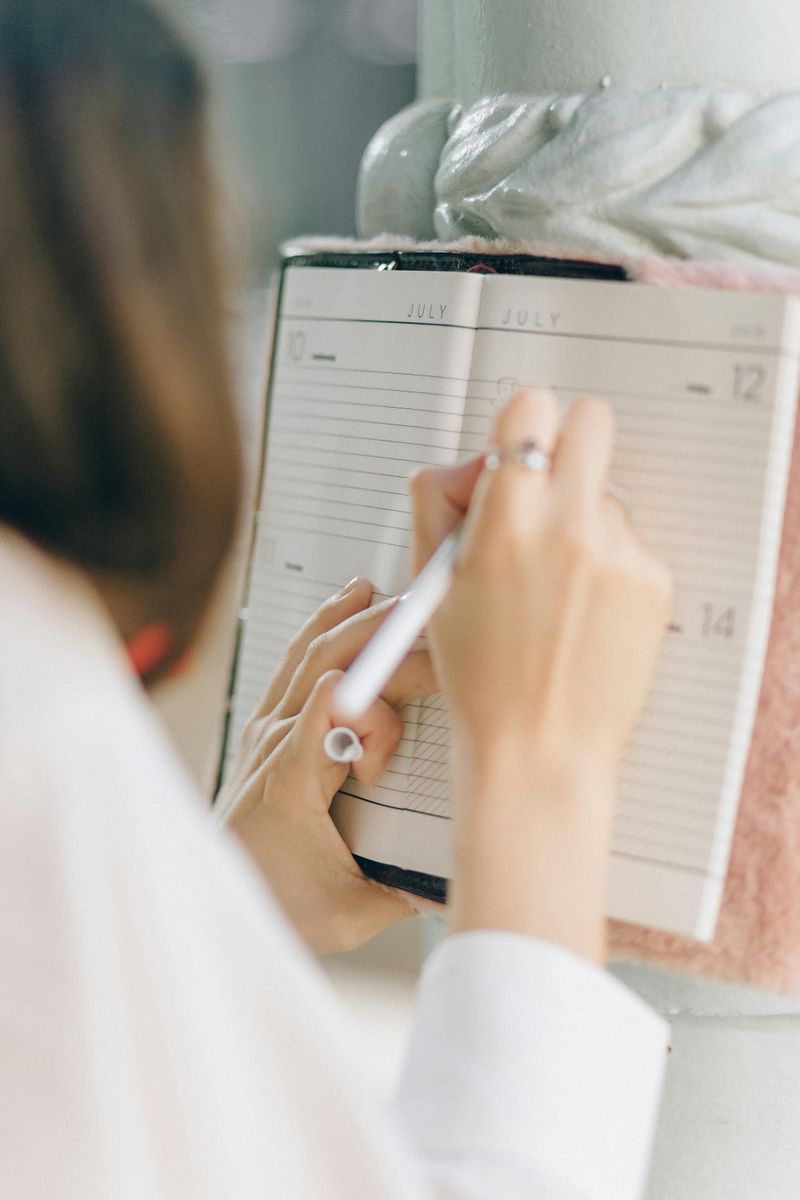
When your brain is busy, it loves to keep replaying unfinished tasks like a broken playlist.
Putting your plans on paper moves those reminders out of your head and into a place you can control.
That simple shift often reduces mental clutter, because you no longer have to “hold” everything in working memory.
Many people find that seeing tasks written down makes anxiety feel more manageable and less vague.
A planner also creates a gentle structure when life feels unpredictable, which can be calming in itself.
Instead of relying on panic as a motivator, you’re more likely to rely on a system.
Over time, that habit can become a form of self-soothing, because you know you have a plan to return to.
2. You’re more intentional with your time than most people
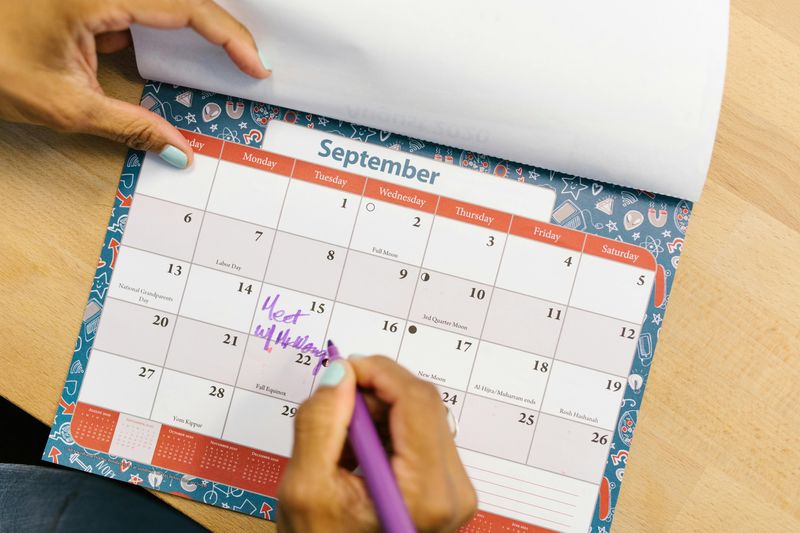
For a lot of planner users, the real goal isn’t perfection, it’s direction.
Writing things down encourages you to decide what matters before the day starts making choices for you.
That kind of pre-planning often signals you’re trying to protect priorities like sleep, workouts, or family time.
It also shows you understand the difference between “busy” and “meaningful,” which many people forget.
A paper layout makes tradeoffs visible, so you can see when you’re overcommitting or squeezing too much in.
Because the week is right in front of you, you’re more likely to catch unrealistic plans early.
Even if you don’t follow every plan exactly, your default setting is purposeful rather than purely reactive.
3. You value memory cues that actually stick

Typing can be fast, but handwriting tends to make information feel more “real” in the brain.
Many psychologists connect writing by hand with deeper processing, because it slows you down just enough to think.
That extra moment can help you encode details like deadlines, names, or time blocks more effectively.
A paper planner also becomes a visual cue, since you’re seeing the same pages repeatedly throughout the week.
The physical act of flipping pages and scanning a spread can strengthen recall in a way apps don’t always match.
If you’re someone who forgets things when they’re “out of sight,” paper keeps plans constantly in view.
This habit often suggests you’ve learned what actually works for your memory, and you lean into it on purpose.
4. You’re building self-trust through follow-through
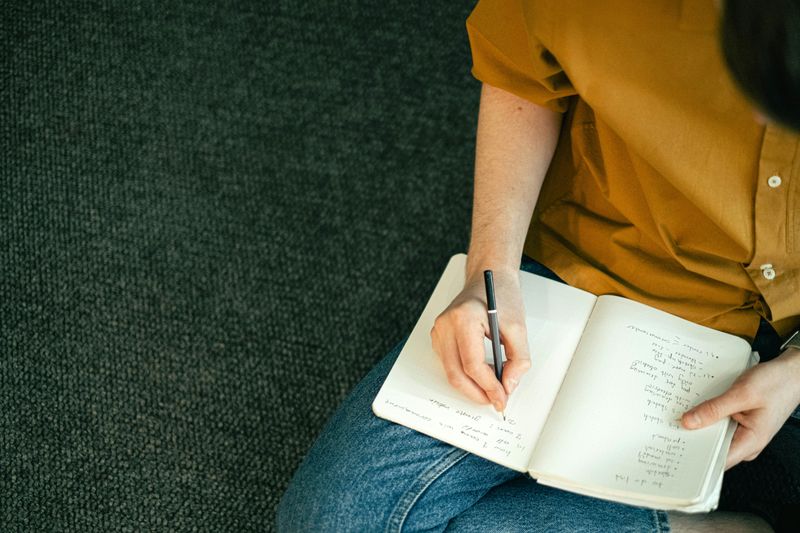
Small promises matter more than people realize, especially when life has felt chaotic or overwhelming.
Using a planner can be a way of making commitments to yourself that you can actually keep.
Each time you write a task and complete it, you reinforce the belief that you’re capable and consistent.
That’s important psychologically, because self-trust is often built through repeated evidence, not motivational quotes.
A planner also helps you break vague goals into concrete steps, which makes follow-through more likely.
Even the act of revising a plan can strengthen self-trust, because it shows you adapt instead of quitting.
Over time, you stop needing last-minute adrenaline, because your system becomes the steady motivator in the background.
5. You prefer control and clarity over constant notifications

Digital tools are helpful, but they can also come with a nonstop stream of pings and pop-ups.
Choosing paper often means you want planning to feel calmer, not like another source of stimulation.
A planner lets you decide when to engage with your schedule, instead of being interrupted all day long.
That kind of boundary-setting is a sign of strong self-awareness about what derails your focus.
Many paper-planner people notice they think more clearly when they’re not switching between apps and alerts.
It’s also easier to stay present when your planning system isn’t living on the same device as social media.
In a world that rewards constant availability, your choice suggests you value intentional attention and mental breathing room.
6. You’re realistic about your limits (or learning to be)
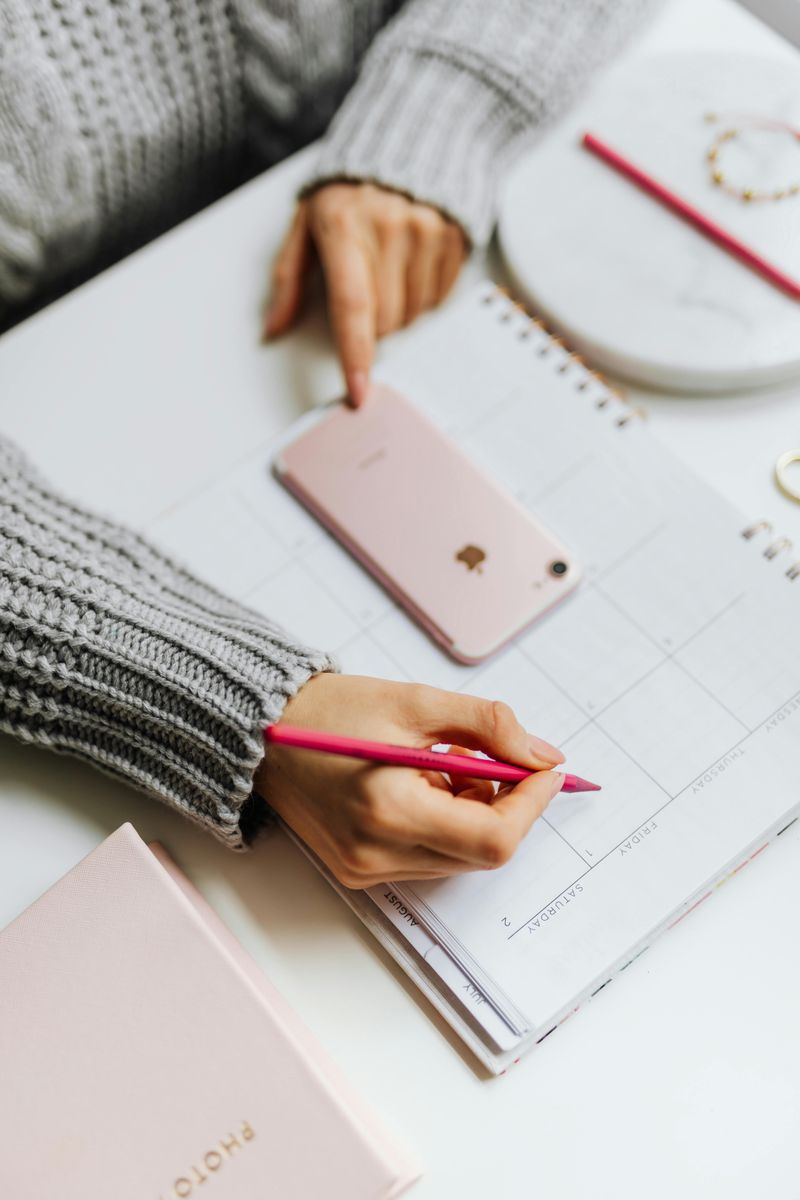
Time looks infinite until you force yourself to fit it into a week on paper.
A planner makes capacity visible, which helps you see when your schedule is crowded even before it feels crowded.
That awareness often signals you’re trying to plan with reality instead of optimism and wishful thinking.
When you can physically see the blocks of time, it becomes harder to pretend you can do everything at once.
Many people use paper planning to spot patterns, like overbooking Mondays or underestimating errands.
This habit can also reflect personal growth, especially if you’re practicing saying no or leaving buffer time.
Rather than pushing yourself until you burn out, you’re building a life that has room to breathe.
7. You’re motivated by progress you can see
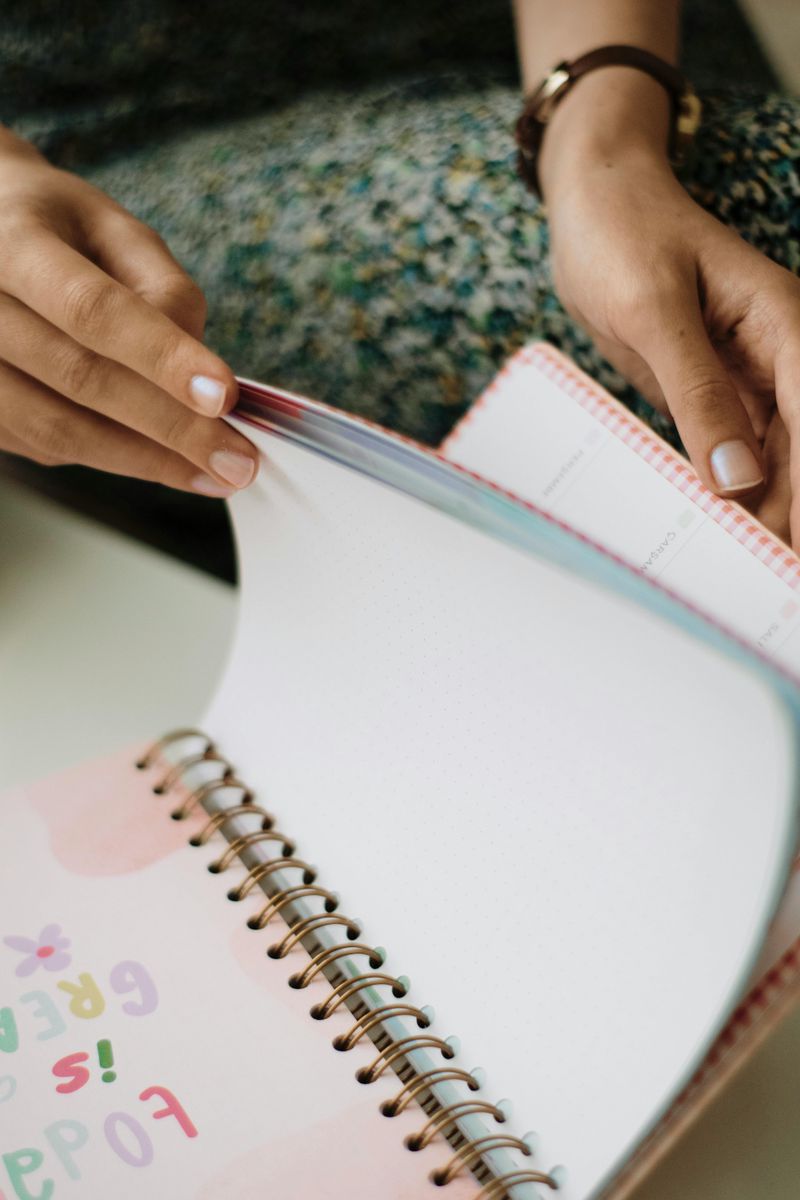
There’s something deeply satisfying about a crossed-off list that you can actually hold in your hands.
Paper planners create visible momentum, which is a powerful psychological reward for the brain.
When progress is tangible, motivation tends to last longer because it feels concrete instead of abstract.
Many people who love paper planning are naturally responsive to visual feedback and small wins.
A weekly spread also helps you notice what you accomplished, not just what’s still unfinished.
That matters because motivation often drops when you feel like nothing you do is ever enough.
By tracking progress in a physical way, you’re giving yourself evidence that effort adds up, even on messy weeks.
Comments
Loading…