
 Hailey Watson
Just Moved Into a New Home? Here Are 13 Things You Need to Do ASAP

Moving into a new home always feels a little bit like stepping into someone else’s life—at least until you bring in your boxes, set down your coffee mug, and start turning the space into something that feels like yours.
It’s exciting, overwhelming, and occasionally confusing, because the “What do I do first?” question hits the second the movers pull away.
That’s why having a simple plan makes everything easier, and why knocking out a few key tasks early can save you money, stress, and headaches later.
Think of this as your new-home cheat sheet—the stuff every homeowner wishes someone had told them before they found themselves searching for a flashlight at midnight during a blown fuse.
Let’s make your new house feel like home—minus the chaos.
1. Change All Exterior Locks and Codes
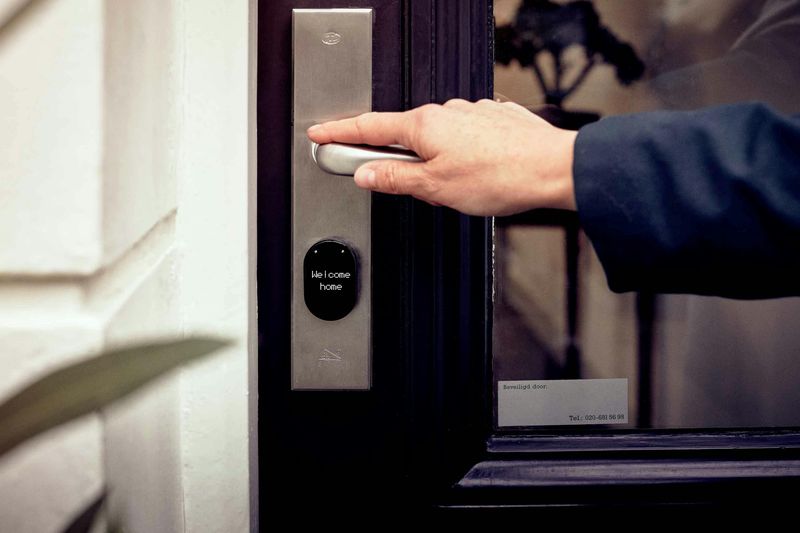
Nothing feels more reassuring than knowing that the only people who can get into your home are the ones you actually gave a key to.
It’s surprising how many old copies of house keys are floating around—neighbors, contractors, dog sitters, the cousin of the previous owner… you get the picture.
Swapping out locks or rekeying them puts you in control right away and sets a solid foundation for safety.
Garage keypads, gate codes, and smart lock credentials deserve an update too, because those are often forgotten about during a move.
Having everything reset takes only a little effort, but it instantly gives you peace of mind.
Once it’s done, you get to settle in without wondering who might still have access to your new place.
Consider it your first official act as the home’s new guardian.
2. Locate the Home’s Emergency Shut-Offs
Few things will make you feel more like a responsible adult than knowing exactly where to sprint when something goes wrong.
The main water shut-off valve is your best friend during leaks, and learning its location now saves you from panic later.
Gas shut-offs are equally important, especially in older homes where surprises can lurk behind walls.
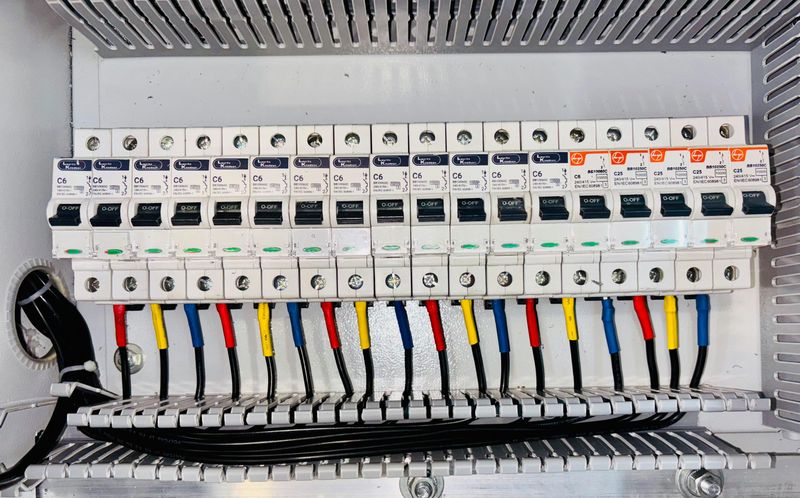
Your electrical panel might end up being the unsung hero of your home, and you’ll want to know which switch kills power to what before you’re in the dark.
Walking through these spots with purpose gives you a sense of ownership that makes the home feel less foreign.
It’s a quick tour that might not feel glamorous, but it’s one that every new homeowner should prioritize.
Emergency knowledge is power—and potentially money saved.
3. Test All Smoke and Carbon Monoxide Detectors

Most people assume alarms are working simply because they’re mounted to the ceiling, but that’s not always the case.
Batteries die, sensors fail, and previous owners don’t always stay on top of maintenance.
Running a quick test on every detector ensures you’re protected from day one.
Replacing batteries or installing missing alarms may not feel thrilling, yet the peace of mind is worth it.
Homes with multiple floors or closed-off spaces benefit from extra detectors, so don’t hesitate to add more if needed.
A functioning carbon monoxide detector is especially important if you have a gas furnace, stove, or water heater.
Once everything is tested and updated, you can breathe easy—literally—knowing your home is safely watching out for you.
4. Deep Clean Everything Before Unpacking
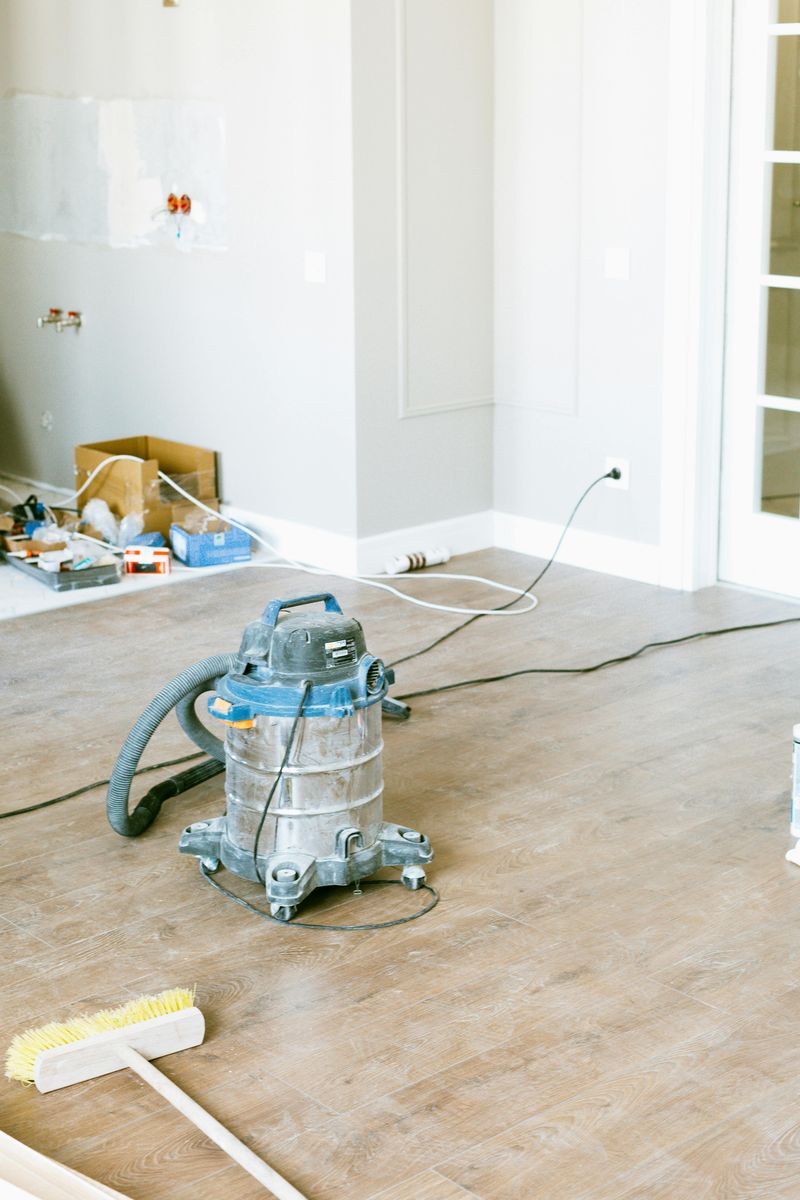
Moving boxes are much easier to deal with when you’re placing them into freshly cleaned spaces rather than dusty corners.
Even when a home looks spotless, you’d be amazed at what hides in cabinet crevices, closet floors, and behind appliances.
Starting with a full scrub-down makes the whole place feel more like yours and less like the setting of someone else’s daily routine.
Bathrooms, kitchens, and baseboards tend to benefit the most from a thorough cleanse.
Steam-cleaning carpets or mopping hard floors removes residual odors you may not have noticed during the walkthrough.
Unpacking becomes far more satisfying when each shelf and drawer is clean and ready to use.
Think of it as hitting the reset button on your home’s entire atmosphere before your belongings settle in.
5. Change HVAC Filters and Schedule a System Check
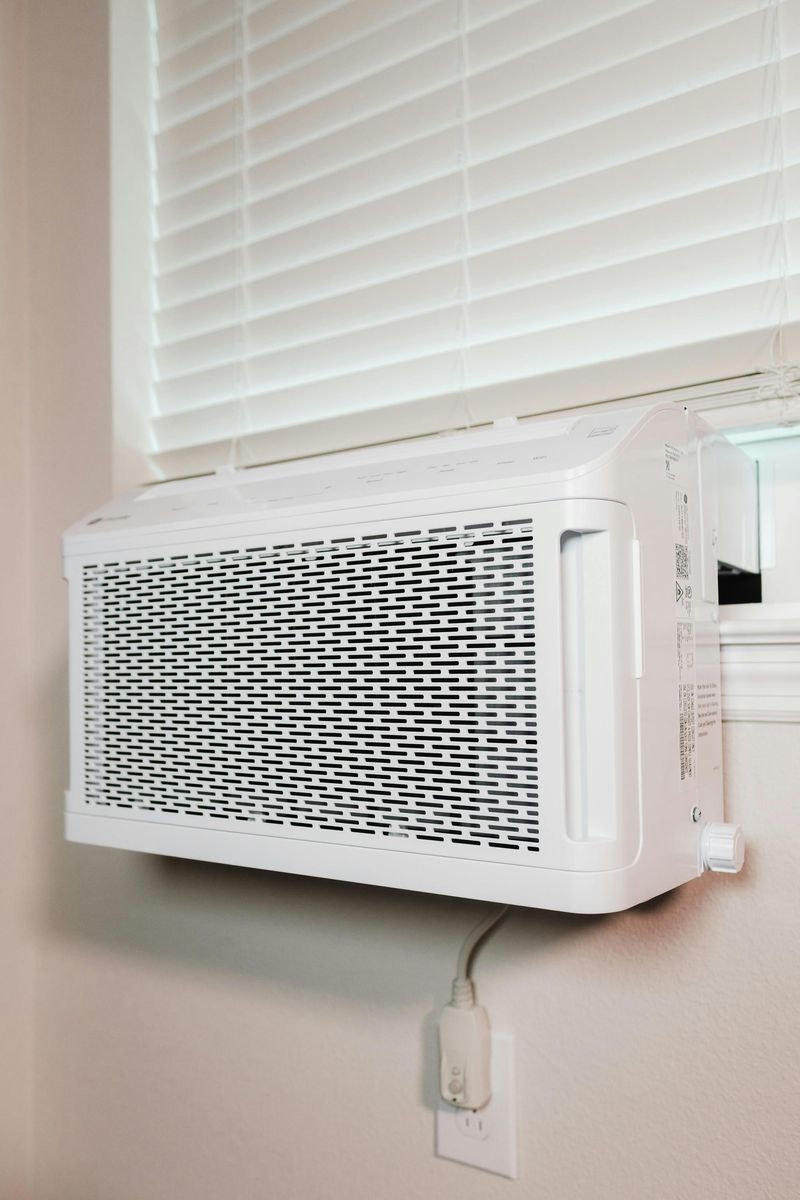
Indoor air quality is something you don’t really think about until you walk into a home that smells… less than fresh.
Old filters collect dust, pollen, pet hair, and countless particles you don’t want circulating in your new living space.
Switching them out is inexpensive and instantly improves airflow.
HVAC systems benefit from regular maintenance, especially if the previous owners weren’t diligent about upkeep.
Calling a technician for a quick inspection helps you catch potential issues before they become expensive repairs.
Your system will run more efficiently when everything is clean and tuned.
A little attention early on saves money, energy, and frustration when summer heat or winter cold suddenly tests your system’s limits.
6. Update Your Address Everywhere
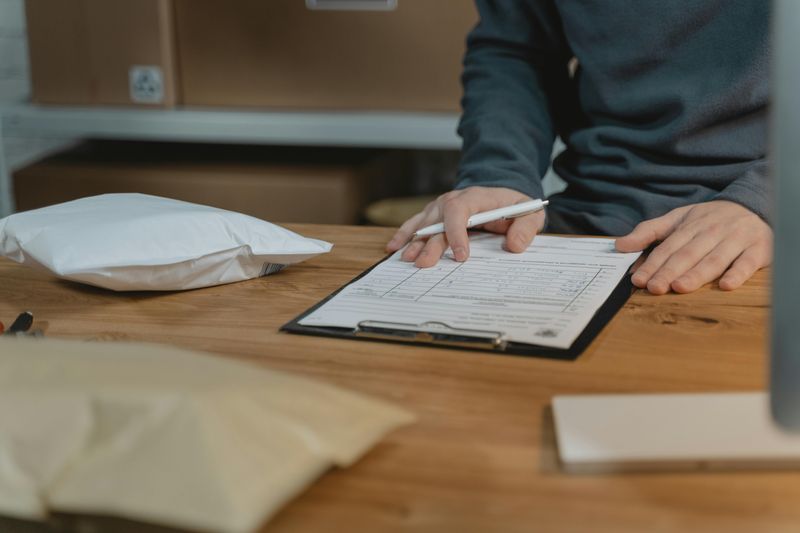
Trying to remember every place that needs your new address feels like a scavenger hunt with no official list.
The post office is your first stop, but banks, insurance providers, subscription services, and online retailers need the update too.
Missing a bill or important document creates problems that are much harder to untangle later.
Your driver’s license and vehicle registration might also need updating depending on your state’s rules.
Employer payroll systems and medical providers appreciate the correct address for tax forms and correspondence.
Going through everything methodically prevents surprises months down the road.
It’s tedious but satisfying once you’ve crossed each institution off your list and everything is officially following you to your new home.
7. Take Photos for Insurance Records
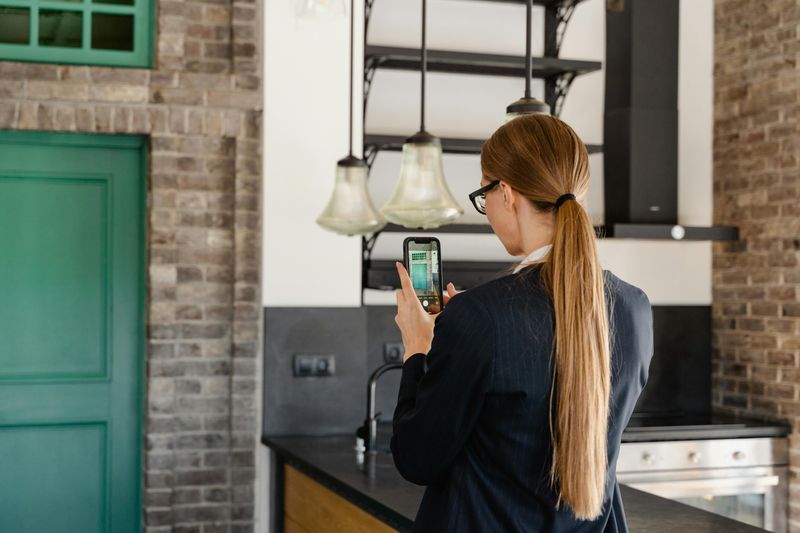
Every new homeowner should document their space before life starts adding dents, spills, or accidental dings to the picture.
Photos serve as proof of condition if an insurance claim ever becomes necessary.
Snapping shots of walls, ceilings, appliances, fixtures, and flooring gives you a thorough visual record.
This also helps track the home’s condition over time and can be useful if you later spot issues the inspector may have missed.
Including serial numbers of major appliances adds another layer of protection.
Storing the images in cloud storage ensures they’re accessible when needed.
A few minutes of photography today can save you from arguments with insurance companies or contractors in the future.
8. Check for Leaks, Drips, and Running Toilets
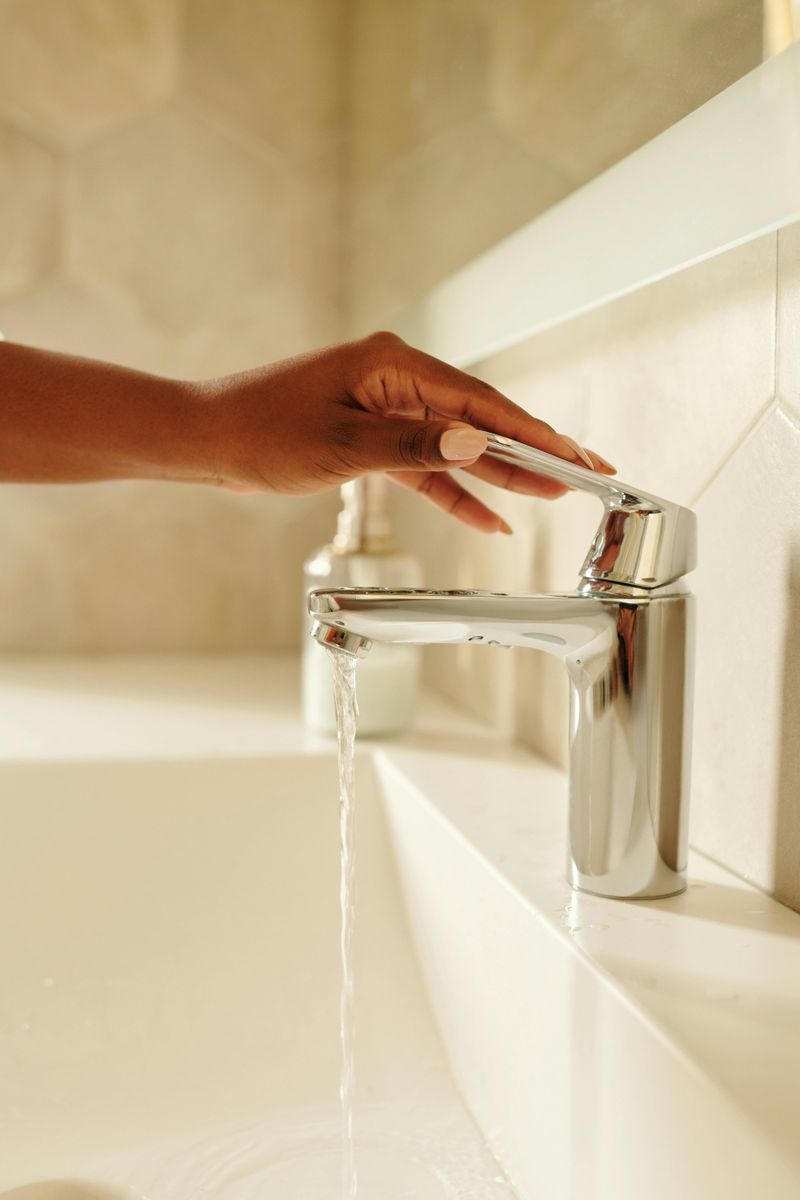
Water damage is one of the sneakiest and most expensive problems a homeowner can face.
A quick inspection under sinks, behind toilets, and around the water heater is worth the effort.
Small drips often go unnoticed until they’ve caused bigger issues.
Running toilets waste more water than most people realize and can inflate your utility bill fast.
Checking seals and pipes early gives you a chance to fix minor issues before they evolve.
Even brand-new homes aren’t immune to plumbing quirks.
Spotting moisture early could save you thousands and prevent the dreaded musty-smell mystery later.
9. Install or Set Up Home Security
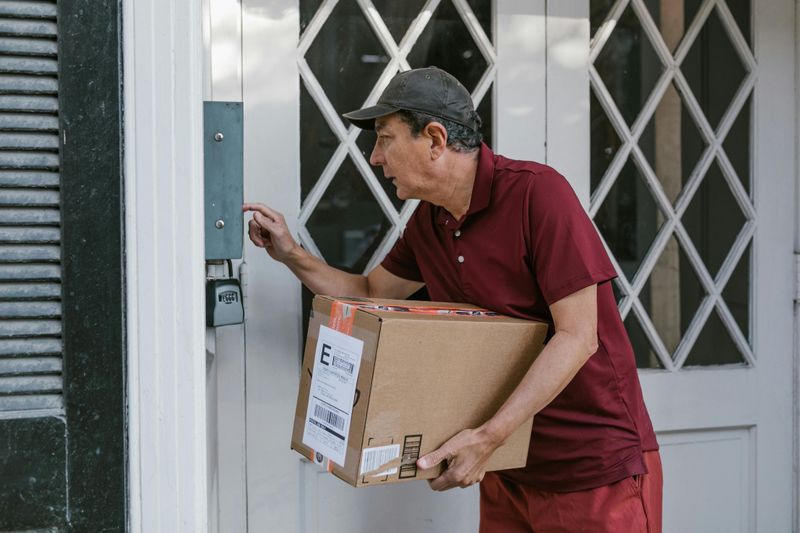
Modern home security is easier than ever, and setting it up right away helps you feel grounded in your new surroundings.
Smart doorbells, cameras, and sensor systems offer peace of mind from day one.
Mounting or syncing these devices early ensures their wiring or placement doesn’t interfere with furniture later.
Security systems often come with mobile apps that let you monitor your home, which is especially comforting for frequent travelers.
If you prefer a professional system, now is the perfect time to schedule installation.
Even simple motion lights can significantly improve safety.
Once everything is set up, your new home feels protected—and that helps you relax more fully.
10. Get Familiar With Trash and Recycling Rules
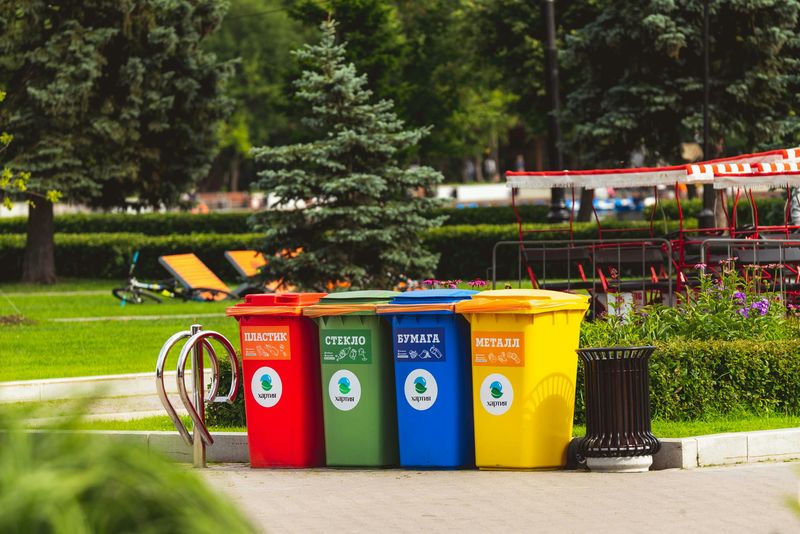
Every neighborhood has its own set of surprising and occasionally confusing guidelines for waste disposal.
Trash pick-up days might differ from your old home, and missing a collection day can leave you buried in moving debris.
Recycling rules vary widely—some places allow mixed items while others require sorting like you’re back in elementary school.
Bulk-item pickup schedules are particularly useful when dealing with packing materials or old furniture.
Local rules help you avoid fines and keep your curb from becoming an unintentional eyesore.
Your neighbors can be a great resource for understanding the system quickly.
Mastering waste routines early keeps your move-in period running much more smoothly.
11. Create a Maintenance Checklist for the First Year

Homes have their own rhythms, and understanding those rhythms makes upkeep much easier.
Creating a yearly checklist ensures you stay on top of tasks that prevent expensive repairs.
Seasonal reminders for gutter cleaning, HVAC servicing, and yard care make a noticeable difference in your home’s longevity.
Regular maintenance keeps everything running efficiently and reduces surprises.
Smartphone reminders or home management apps help you stay organized.
Taking note of when warranty periods expire can save you money on repairs.
A thoughtful maintenance plan turns you from a reactive homeowner into a proactive one—something your future self will be grateful for.
12. Unpack the Essentials First

Settling in becomes much easier when you can at least shower, sleep, and eat without rummaging through dozens of boxes.
Focusing on the bedroom, bathroom, and kitchen gives you the comfort and functionality needed to operate normally.
Setting up these core areas first makes the whole home feel less chaotic.
A well-made bed can magically transform your first night from stressful to peaceful.
A stocked bathroom eliminates the dreaded “Where’s the toilet paper?” moment.
Organizing the kitchen early prevents stackups of dishes and takeout containers.
With your basics handled, the rest of unpacking feels manageable instead of overwhelming.
13. Meet the Neighbors

Community plays a bigger role in your home experience than you might expect.
A simple hello to the people living around you helps establish trust and familiarity.
Neighbors can offer insight into local routines, hidden gems, and unwritten neighborhood rules.
Friendly interactions make the area feel warm and welcoming.
Even small connections—like learning which house bakes the best holiday cookies—add charm to your daily life.
Building relationships early may also come in handy for package deliveries or vacations.
Feeling connected transforms your new environment from unfamiliar territory into a community you’re part of.
Comments
Loading…