
 Mary Murphy
If a House Has Any of These 12 Issues, Don’t Buy It

Buying a home is a huge decision, and it’s easy to get starry-eyed the moment you walk into a space that smells faintly of fresh paint and baked cookies.
What most buyers don’t see at first glance, though, are the expensive surprises quietly hiding behind the walls, under the floors, or right beneath the roof.
The truth is, some issues are so costly and so stressful that no amount of charm, curb appeal, or “potential” can make them worth it.
Before you fall in love and make an offer you’ll regret, it helps to know when you should walk away without looking back.
Here are the biggest red flags that turn even the prettiest house into a full-time financial burden.
1. Foundation Cracks or Structural Shifting
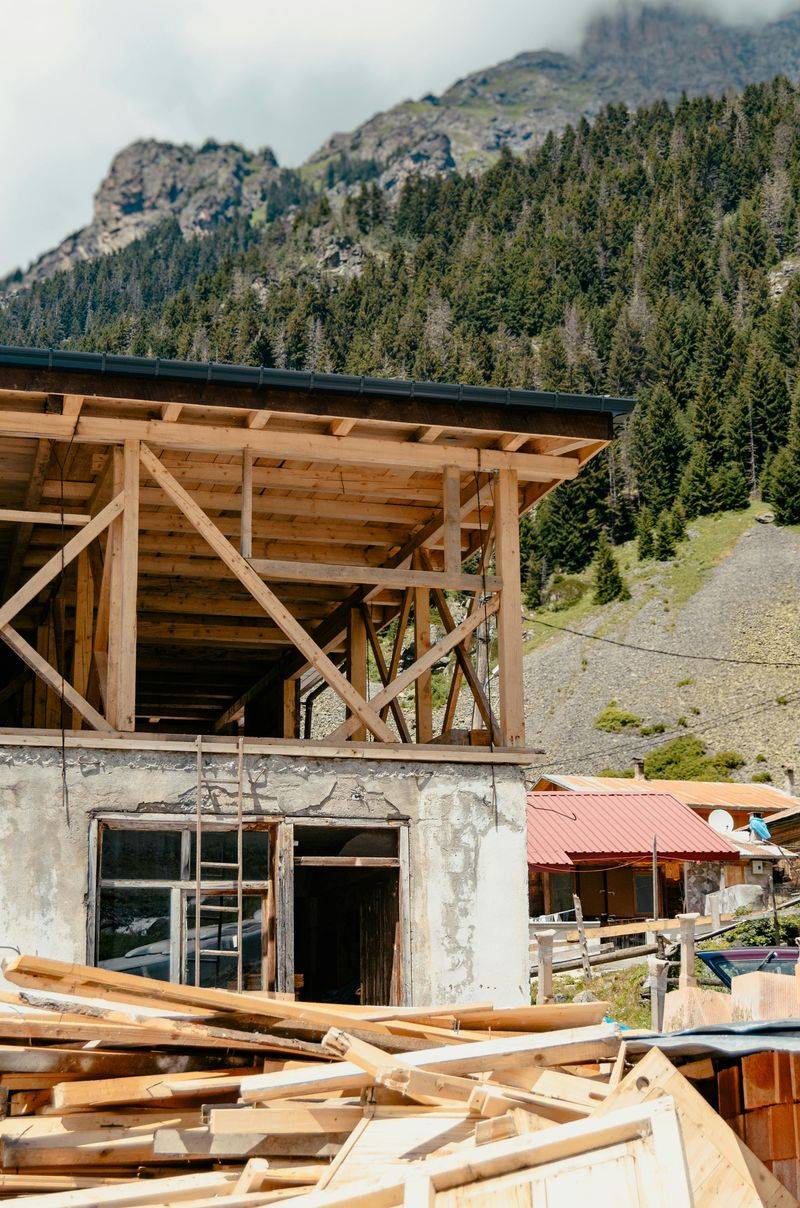
Any time a home feels slightly off-balance, it’s worth paying close attention to what’s happening beneath the surface.
You might notice sloping floors, doors that don’t close evenly, or long cracks snaking up the walls that weren’t caused by simple settling.
These problems often signal foundation issues that can cost tens of thousands of dollars to repair—and even then, there’s no guarantee the house will ever be truly stable.
Structural movement can also affect plumbing, electrical lines, and the home’s framing, leading to a domino effect of expensive fixes.
Inspectors can identify the severity, but sellers sometimes try to downplay the problem, hoping buyers won’t dig too deeply.
When the foundation is compromised, every other part of the home is at risk, and that’s a headache no new homeowner needs.
2. Signs of Water Damage or Mold
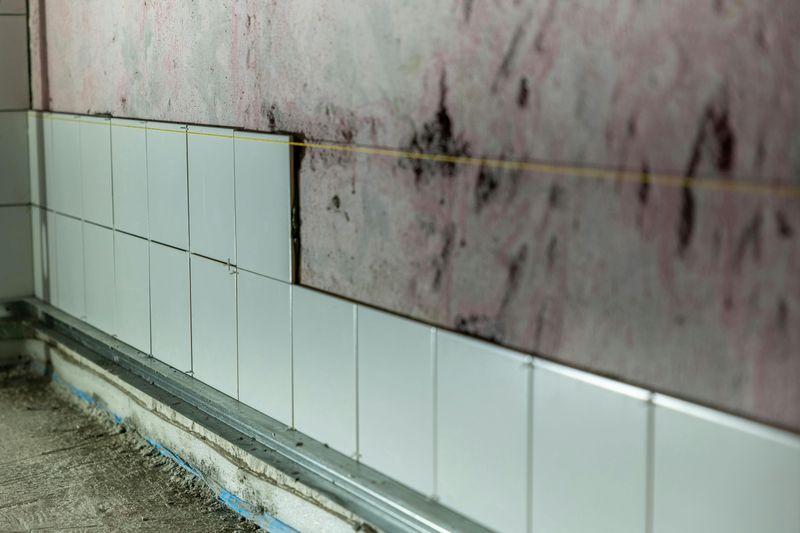
Nothing ruins a home faster than unwanted moisture quietly creeping into places it shouldn’t be.
You might pick up on a musty odor, stains along the ceiling, warped flooring, or bubbling paint that hints at hidden leaks.
Water damage often means there’s an ongoing issue the seller didn’t fix properly, and mold is almost always close behind.
Trying to remediate mold and repair moisture problems can lead to shockingly high bills, especially if the damage reaches insulation or structural supports.
Even if the house looks clean, mold spores can linger in the air and trigger allergies or long-term health concerns.
When water has found its way into a home, it usually returns unless the root cause is corrected, and that’s rarely a small job.
3. Old or Unsafe Electrical Systems
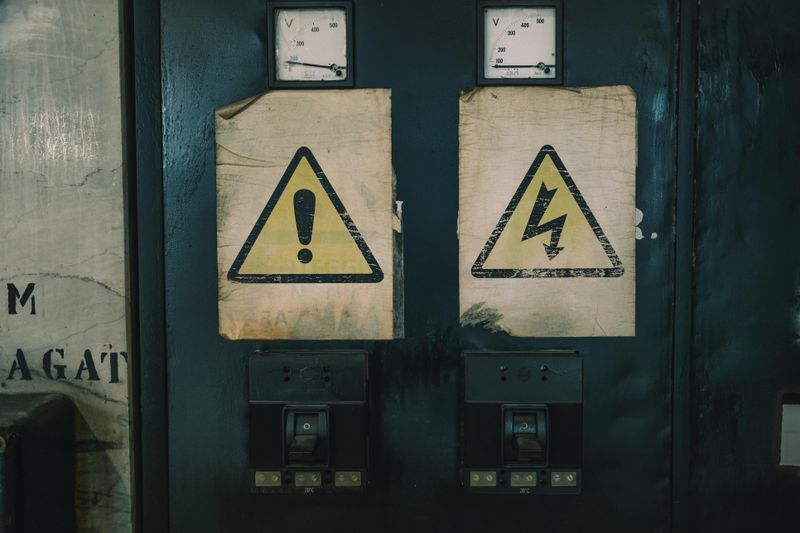
Homes with outdated wiring might seem charming, but behind the walls could be a serious fire hazard waiting to happen.
You may notice flickering lights, warm outlets, frequently tripped breakers, or a panel that looks like it hasn’t been touched since the 1950s.
Knob-and-tube wiring or aluminum wiring can be extremely expensive to replace, and insurance companies sometimes refuse coverage until it’s updated.
Electrical issues also make it hard to run modern appliances, charge devices, or use multiple electronics without overloading circuits.
While some sellers claim the old system “still works fine,” functioning and safely handling today’s electrical demands are two very different things.
A full-house rewiring project is no small expense, and the stress of living with risky electrical components simply isn’t worth it.
4. A Roof Near the End of Its Life
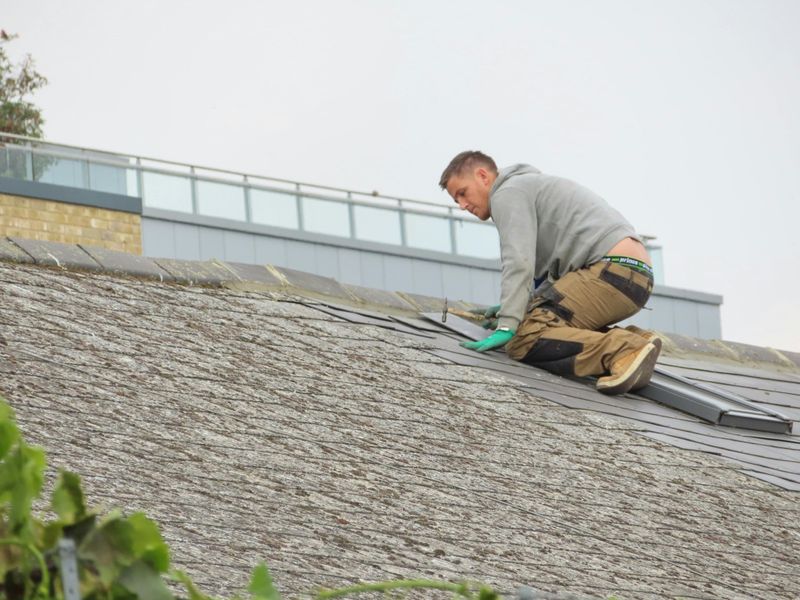
Walking into a beautiful home means little if the roof above you is one windstorm away from giving up completely.
You may spot missing shingles, sagging areas, or evidence of leaks that were patched instead of genuinely repaired.
Roofs typically last around 20–25 years, and replacing one isn’t just expensive—it’s disruptive and often reveals hidden problems underneath.
An aging roof can cause insulation issues, water damage, and even attic mold as moisture sneaks through weakened areas.
Sellers sometimes hope buyers won’t ask too many questions, especially if the roof looks “good enough” from the driveway.
But a failing roof becomes your responsibility the moment you sign the contract, and no one wants their first month of homeownership to involve a giant roofing bill.
5. Plumbing Issues or Signs of Sewer Problems
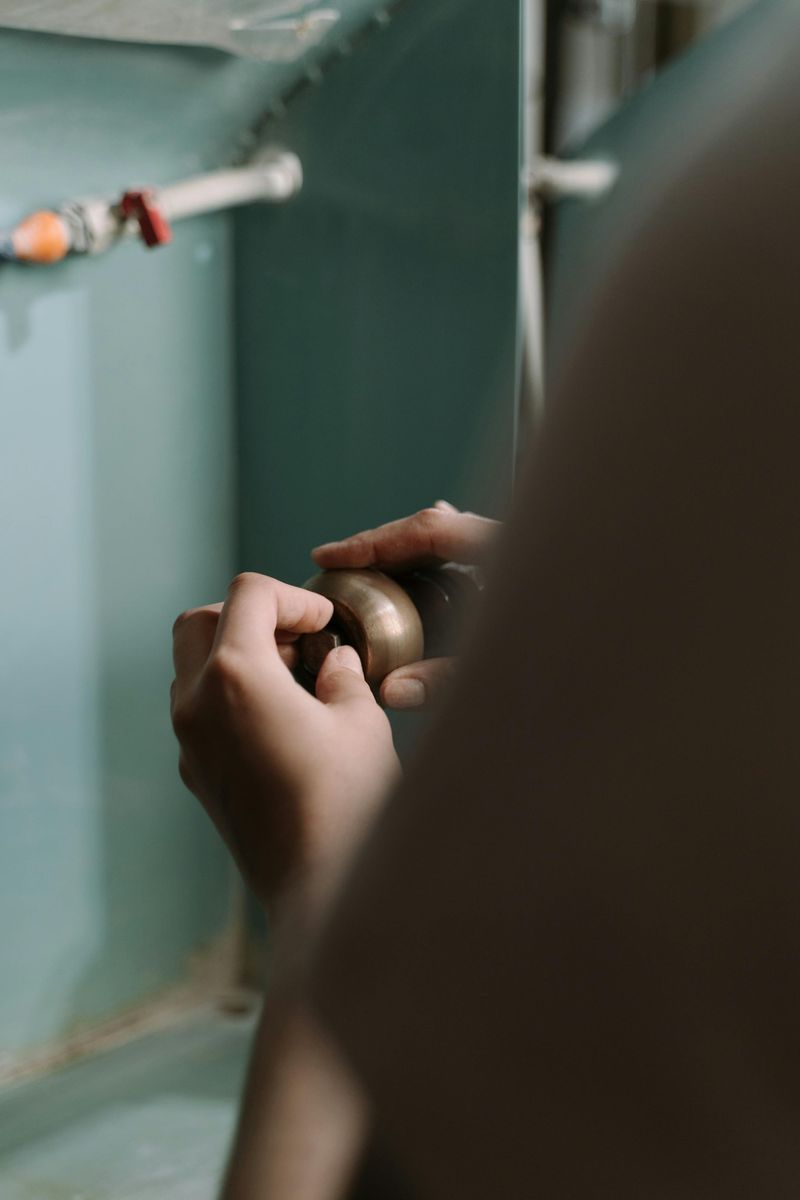
Strange sounds from pipes or that unsettling gurgling from the toilet can reveal far more than a minor nuisance.
You may experience low water pressure, discoloration in the water, or drains that empty more slowly than they should.
Older homes with outdated pipes sometimes hide corrosion or tree-root intrusions in the sewer line, which can cost thousands to repair.
Replacing old plumbing often means tearing into floors and walls, leaving you with construction dust and unexpected expenses.
Sewer line backups aren’t just disgusting—they can destroy flooring, drywall, and anything else the water touches.
If the plumbing is already struggling during a walkthrough, imagine what will happen when you’re actually living there full-time.
6. Outdated or Damaged HVAC System
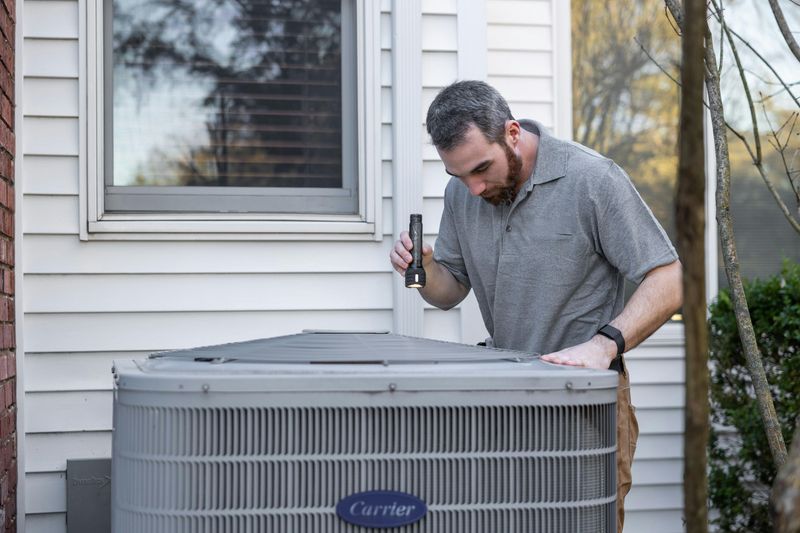
Temperature swings throughout the house often point to heating and cooling systems that are barely hanging on.
You might hear loud rattling, feel weak airflow, or notice the units look older than most of the appliances in your grandparents’ house.
Replacing an HVAC system is one of the most expensive upgrades homeowners face, and outdated equipment drives utility bills through the roof.
Poor ventilation can also contribute to allergies, humidity problems, and mold growth in places you can’t easily check.
Ductwork that hasn’t been cleaned or sealed properly only makes matters worse, causing hot and cold spots throughout the home.
While cosmetic upgrades are easy, HVAC problems are the kind of hidden issues that create long-term frustration and financial strain.
7. Evidence of Pest Infestations

Small signs of unwanted critters usually mean the actual problem is far larger than it appears.
You might spot droppings in cabinets, chewed wiring in the attic, or hollow-sounding wood that suggests termites have been busy.
Pests like carpenter ants, rodents, and termites can compromise a home’s structure in ways that aren’t obvious during a quick tour.
Treating infestations requires professionals, and repairing the damage afterward can be an entirely separate expense.
Sellers sometimes complete surface-level fixes that hide, but don’t solve, the issue, leaving new homeowners with a nasty surprise.
Once pests have made themselves comfortable, removing them completely is often difficult, and they can return if the underlying problem isn’t taken care of.
8. Poor Drainage or Grading Around the Property
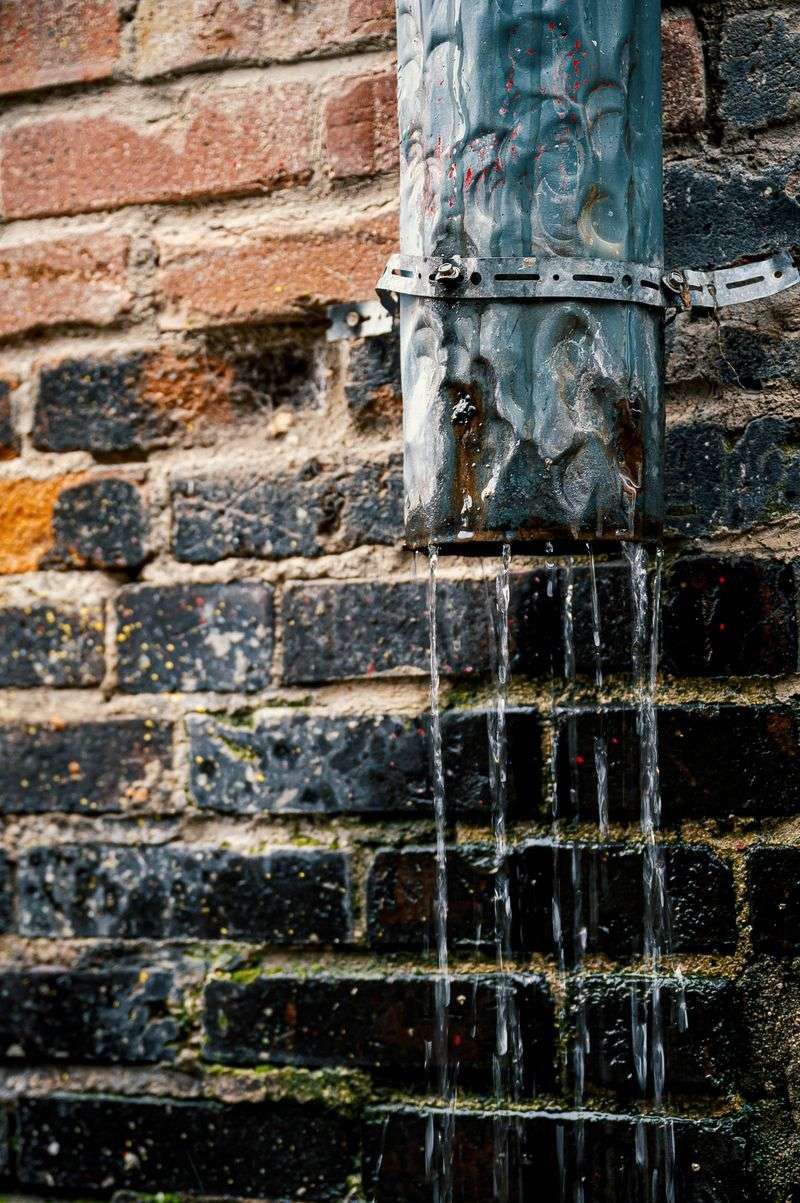
Water collecting around the home’s foundation can spell disaster long before anyone notices what’s happening.
You might see puddles forming near the house, soggy soil that never seems to dry, or landscaping sloping inward instead of outward.
Poor drainage leads to foundation cracks, basement flooding, mold issues, and even exterior erosion over time.
Fixing grading problems often requires redoing the yard or installing drainage systems, both of which can be surprisingly expensive.
Even homes with beautiful interiors can suffer if the land around them wasn’t properly designed to handle heavy rain.
Once water starts seeping in where it doesn’t belong, the damage spreads quickly, turning a seemingly perfect house into a constant maintenance battle.
9. DIY Renovations That Weren’t Done Correctly
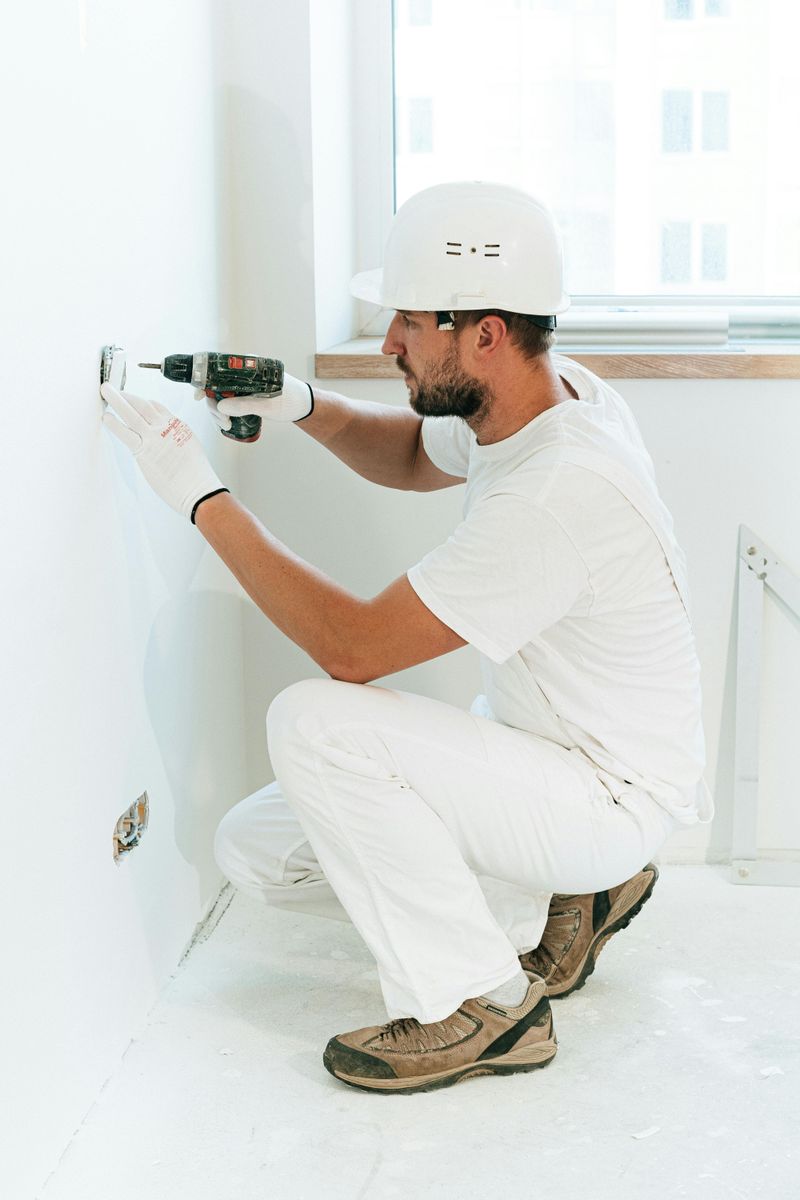
Ambitious previous owners may have taken on projects with more enthusiasm than skill.
You might notice uneven tile, crooked cabinets, poorly installed flooring, or suspiciously creative electrical work behind the walls.
DIY shortcuts often lead to long-term problems that become your responsibility the moment you move in.
What looks like a simple cosmetic fix may actually require tearing out entire sections to bring them up to code.
Inspections can uncover some of these mistakes, but many hidden flaws don’t reveal themselves until appliances fail or walls start cracking.
While DIY upgrades can save money for sellers, they often cost far more for buyers who have to redo everything the right way.
10. Asbestos, Lead Paint, or Other Hazardous Materials
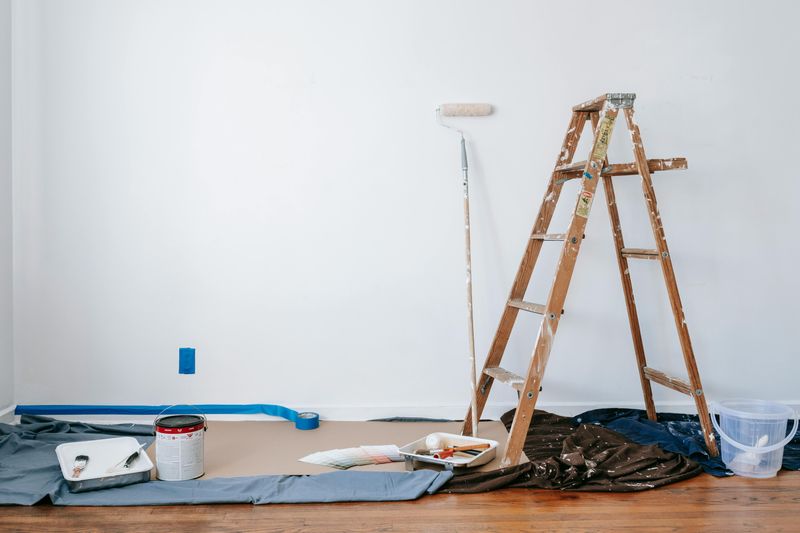
Older homes sometimes come with charming character, but they also bring safety hazards that are costly to remove.
You might encounter lead paint on window frames, asbestos in insulation or floor tiles, or outdated materials hidden behind walls.
Remediation requires licensed professionals, specialized equipment, and sometimes temporary relocation during the process.
Ignoring these hazards isn’t an option, especially if children or pets will be living in the home.
Even small projects like sanding or drilling can release dangerous particles, turning a simple task into a health risk.
When a house contains outdated materials that pose long-term danger, the cost and stress of removing them often outweigh the benefits of buying.
11. A Bad Home Inspection—or Sellers Who Refuse One

Nothing signals trouble more clearly than a long inspection report filled with surprises you weren’t prepared for.
You might see notes about electrical issues, roof leaks, foundation concerns, or hidden water damage that wasn’t apparent during your walkthrough.
Inspectors may flag problems the seller hoped you wouldn’t notice, which often reveals how well—or poorly—the home was maintained.
When sellers refuse an inspection altogether, it’s usually because they know exactly what an inspector will find.
Skipping the inspection means taking on every hidden flaw yourself, and that’s a gamble rarely worth making.
A thorough inspection gives you leverage, clarity, and peace of mind, and any home that doesn’t allow one deserves a quick exit.
12. Location Problems That Can’t Be Fixed
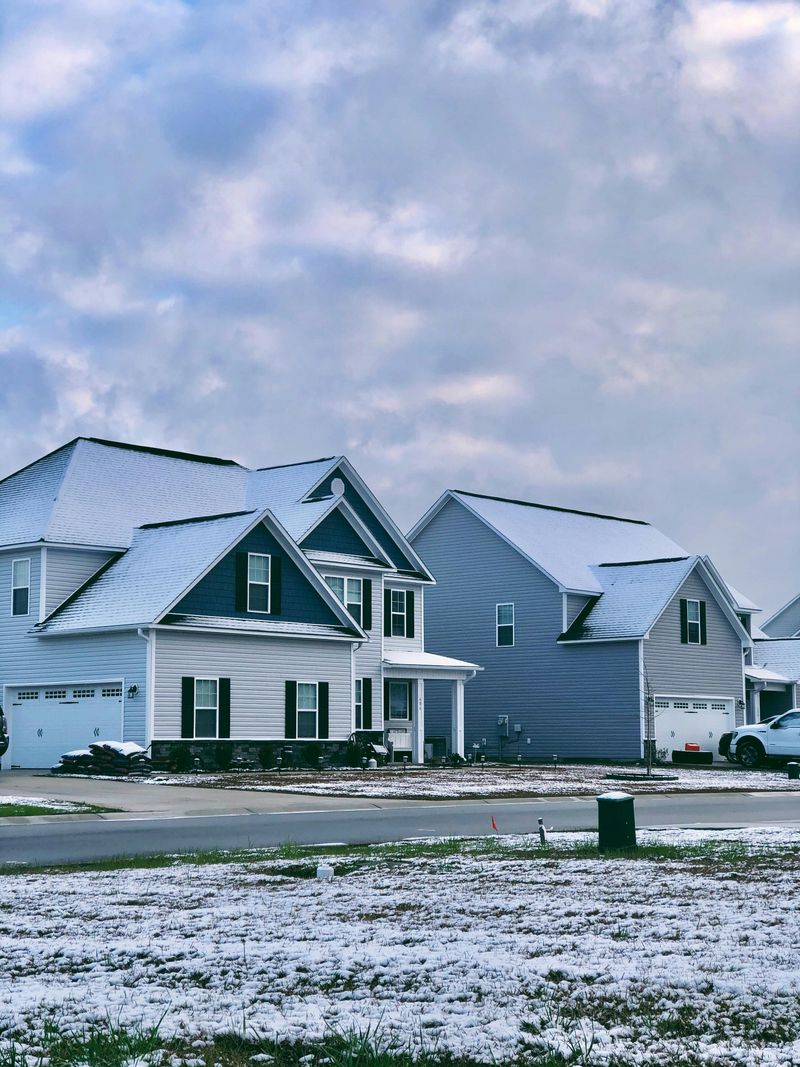
Even the most beautiful home struggles to outweigh a neighborhood that creates daily stress.
You might notice heavy traffic noise, poorly maintained surrounding properties, or a location that feels less safe than you’d prefer.
Schools, commute times, and local amenities all play a huge role in long-term happiness and future resale value.
Flood zones or areas with frequent natural disasters can also lead to skyrocketing insurance costs and potential property damage.
Unlike cosmetic flaws, location issues can’t be renovated or replaced once you move in.
When the environment surrounding the home raises more concerns than confidence, it’s a good sign to keep searching for a better fit.
Comments
Loading…