
 Chloe Peterson
Before You Renovate: 13 Pricey House Upgrades That Just Aren’t Worth It
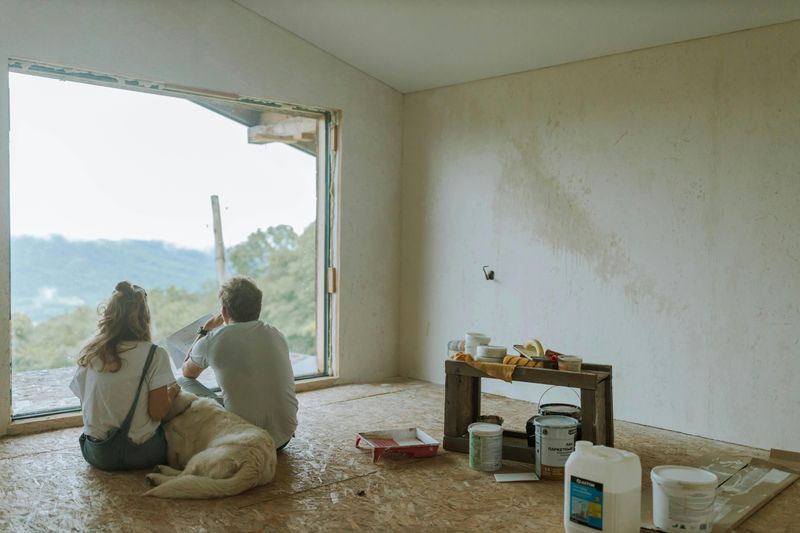
Renovating your home can feel like the ultimate glow-up, especially when you’re imagining a prettier kitchen, a spa-like bathroom, or a backyard that finally looks “done.”
The problem is that the most tempting upgrades are often the ones that drain your savings the fastest and deliver the least satisfaction over time.
Costs creep up, timelines stretch, and what looked perfect on Pinterest can turn into a constant maintenance headache or a resale drawback.
Even worse, some renovations create problems you didn’t have before, like moisture issues, awkward layouts, or features that only appeal to a tiny group of buyers.
If you’re trying to be smart with your money, it helps to know which projects commonly lead to buyer’s remorse.
Here are 13 costly home renovations that can backfire, plus what to consider before you commit.
1. Over-the-top luxury kitchen in a mid-range neighborhood
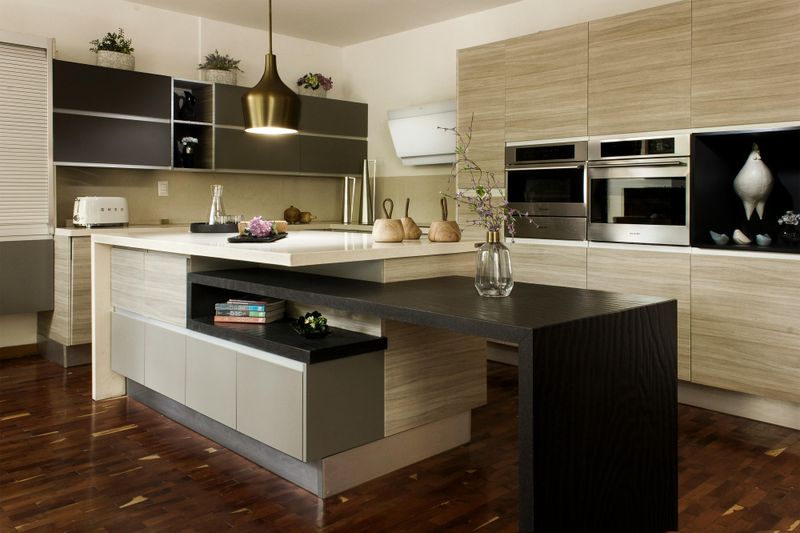
You love a showpiece kitchen, but your neighborhood sets the ceiling on value.
Spending like it’s a high-end zip code can mean you’ll never recoup the cost at resale.
Appraisers compare to nearby homes, not your dreams.
High-end stone, custom cabinetry, and built-in espresso stations are gorgeous yet pricey.
Repairs and specialty maintenance add up, and buyers might prefer a tasteful, mid-tier upgrade.
Value follows location and comps, not catalogs.
Aim for durable, classic finishes that feel elevated without screaming luxury.
Think quartz over rare stone, quality semi-custom cabinets, and good lighting.
Save extra funds for systems that actually sway buyers, like a newer roof or HVAC.
If you cook constantly, splurge thoughtfully on the features you use most.
Otherwise, keep the design balanced and timeless.
You will get daily joy without torching resale.
2. Converting a garage into living space
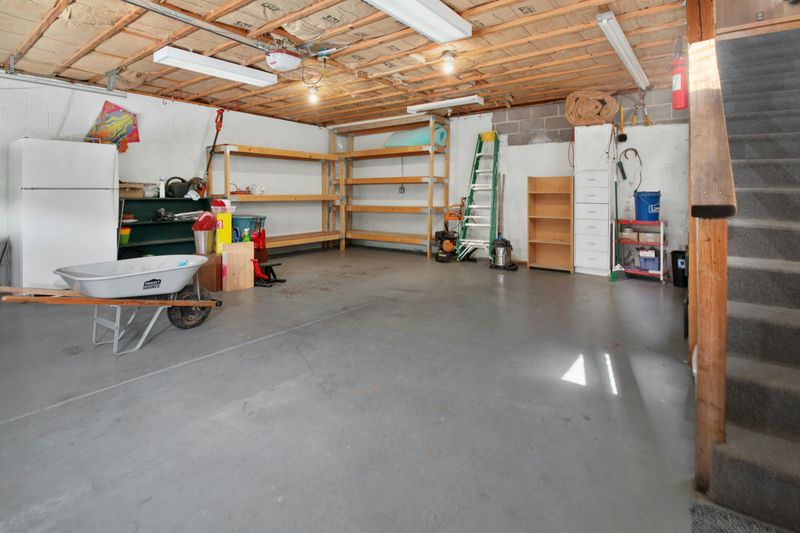
That extra room sounds great until buyers realize there’s nowhere to park or stash bikes, tools, and holiday bins.
It’s expensive with HVAC, insulation, permits, and structural changes.
Many shoppers walk away when the garage is gone.
Heating and cooling a former garage can be inefficient if not engineered carefully.
Moisture control, floor elevation, and proper egress get pricey fast.
Appraisers may not value the conversion like true living space.
If you need more area, consider a well-insulated detached shed or smart storage instead.
You keep parking while solving clutter and hobby space.
Your future self will thank you every winter morning.
In some markets, a garage is a must-have.
Losing it narrows your buyer pool, and negotiations get rough.
Keep flexibility by improving the garage, not eliminating it.
3. Removing a bathtub entirely
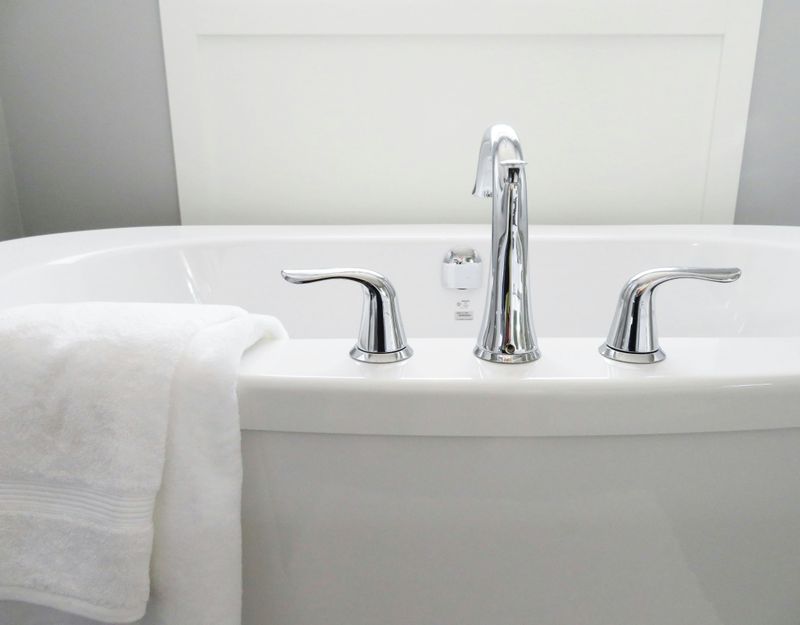
Walk-in showers feel spa-like, but losing every tub can backfire.
Families want a spot to bathe kids, and many buyers prefer at least one tub.
You could shrink your audience and stall offers.
Resale aside, illness or injury sometimes makes soaking incredibly helpful.
A tub also provides flexibility for pets and bulky items.
Removing all tubs can feel short-sighted once life changes.
Compromise with one full bath that keeps a standard tub-shower combo.
Then go luxurious with a primary bath shower if you like.
You’ll enjoy daily comfort and preserve practicality.
Keep design classic so it stays appealing over time.
Simple tile, solid plumbing fixtures, and easy-clean glass beat trends.
Your future buyer will see thoughtful choices instead of regrets.
4. Knocking down walls to create a huge open-concept layout
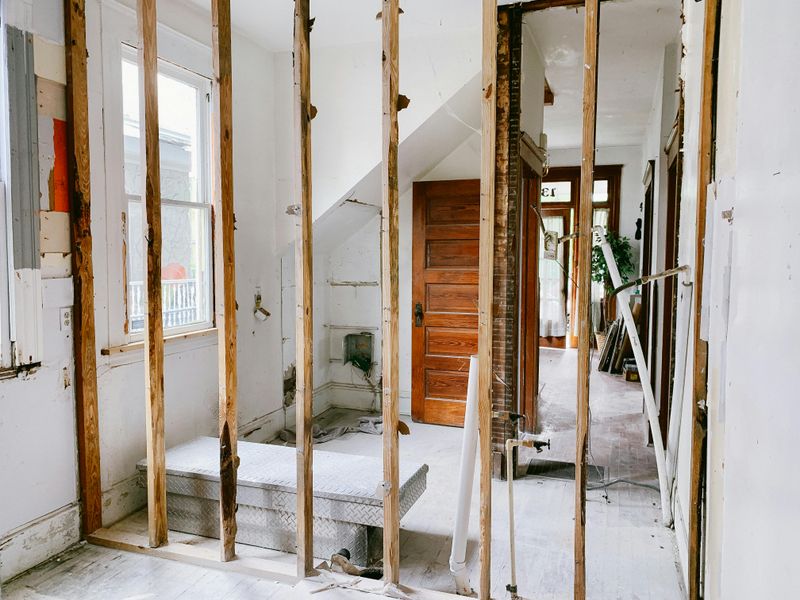
An airy floor plan looks amazing on camera, but it can remove usable rooms.
Noise echoes, smells travel, and privacy disappears.
If the layout becomes awkward, value can take a hit.
Structural changes require engineering and potential beams or posts.
Those supports can be expensive and visually clunky.
Suddenly, the dream space feels like a mall food court.
Instead, try wider cased openings or partial walls for flow without chaos.
Create sightlines while keeping zones for work, play, and quiet.
You’ll balance openness with comfort.
Talk with a designer before demo day to protect scale and function.
Lighting plans and furniture placement matter more than you think.
Keep the charm, and lose the headache.
5. Adding a swimming pool
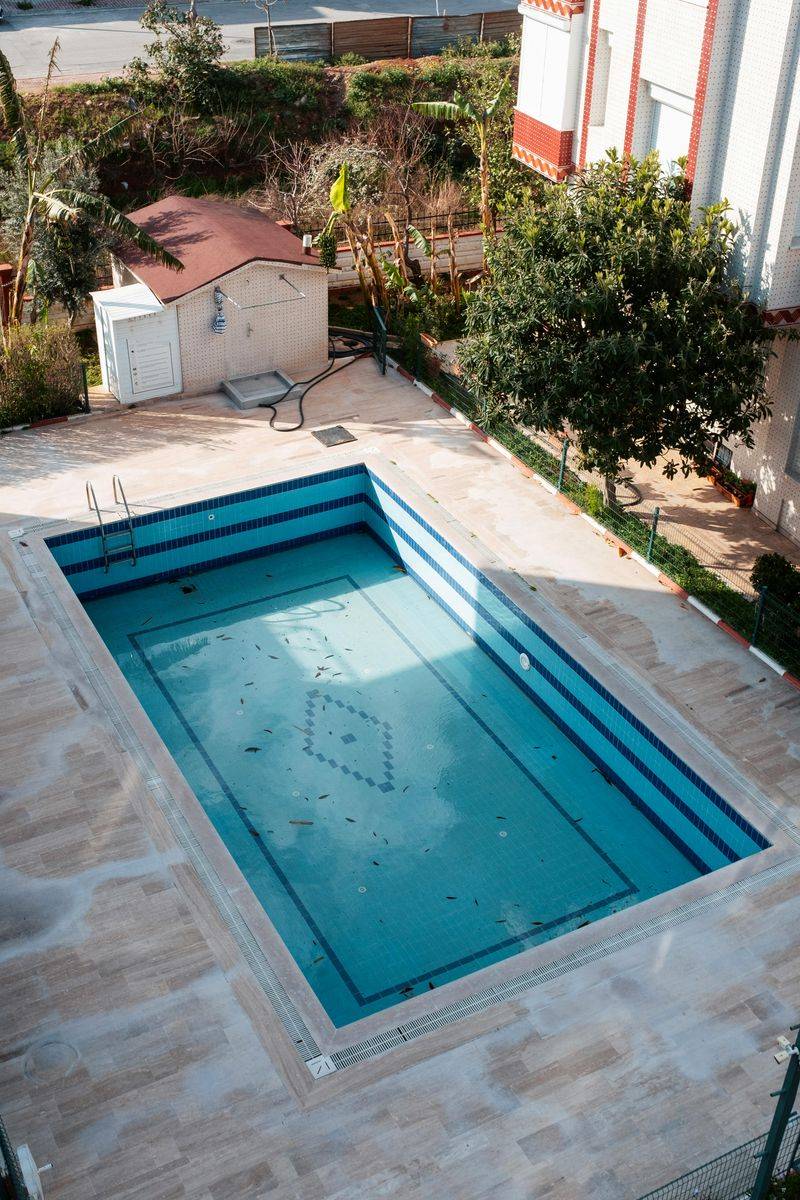
Few upgrades shout fun like a sparkling pool, yet the costs ripple far beyond installation.
You’ll face ongoing maintenance, chemicals, repairs, and higher insurance.
In many markets, a pool narrows your buyer pool.
Short seasons blunt usage in cooler climates.
Safety fencing and liability can keep you up at night.
Appraisers rarely grant dollar-for-dollar returns on pools.
If water is your love language, plan a realistic budget and timeline.
Consider simpler features like a hot tub or plunge pool.
Those deliver relaxation with less overhead.
Think twice if resale is near.
Buyers may see work, not lifestyle.
Keep your yard versatile so the next owner can dream too.
6. A home theater / media room build-out

Custom seating, miles of wiring, and soundproofing can cost a small fortune.
Many buyers will not pay extra for it, especially if the room becomes single-purpose.
Flexibility matters more than a niche setup.
Tech evolves fast and today’s premium gear dates quickly.
Repairs are specialized and pricey.
The next owner might rip it out for a gym or office.
Create a media-friendly multiuse room instead.
Add blackout shades, prewire discreetly, and choose modular seating.
You’ll enjoy movie nights without boxing yourself in.
Keep finishes neutral and lighting layered so the space adapts easily.
Good acoustics can be subtle, not permanent.
Your budget and future buyer will breathe easier.
7. Luxury landscaping that’s expensive to maintain
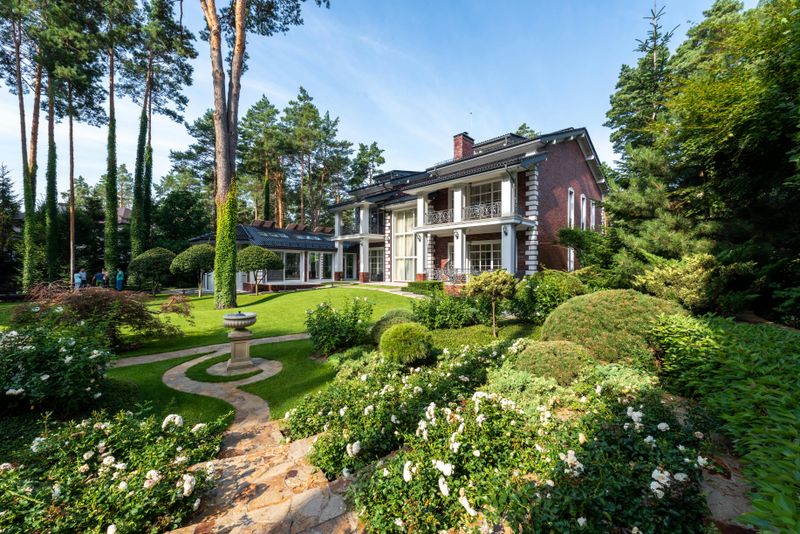
Elaborate water features and specialty plants feel impressive at first glance.
The upkeep becomes a weekly bill and a weekend chore.
Many buyers see maintenance rather than magic.
Complex irrigation and fragile species struggle through heat waves and freezes.
Replacement costs add up, and drought rules can ruin the effect.
Beautiful turns burdensome fast.
Opt for region-appropriate plants, drip systems, and clean lines.
You’ll get curb appeal that survives seasons and schedules.
Low-maintenance is secretly luxurious.
Hardscape smartly with paths, lighting, and mulch to reduce weeds.
Keep a focal point, not a full-time job.
Your yard should welcome you home, not put you to work.
8. Installing trendy, high-end materials that don’t age well

Ultra-specific tiles and bold statement stone can scream this year only.
When trends fade, buyers see renovations that need replacing.
That is a harsh hit after a big bill.
Short-run materials can be hard to match for repairs.
Maintenance may be finicky, and resale tastes lean neutral.
Classic wins more offers than the look-of-the-moment.
Use trend-forward elements in smaller, swap-friendly doses.
Think paint, lighting, mirrors, and hardware.
You’ll keep personality without permanent regrets.
For big surfaces, choose timeless profiles and durable finishes.
Layer in texture with rugs and art instead.
Your home will feel current today and calm tomorrow.
9. Upgrading to top-tier appliances you won’t use
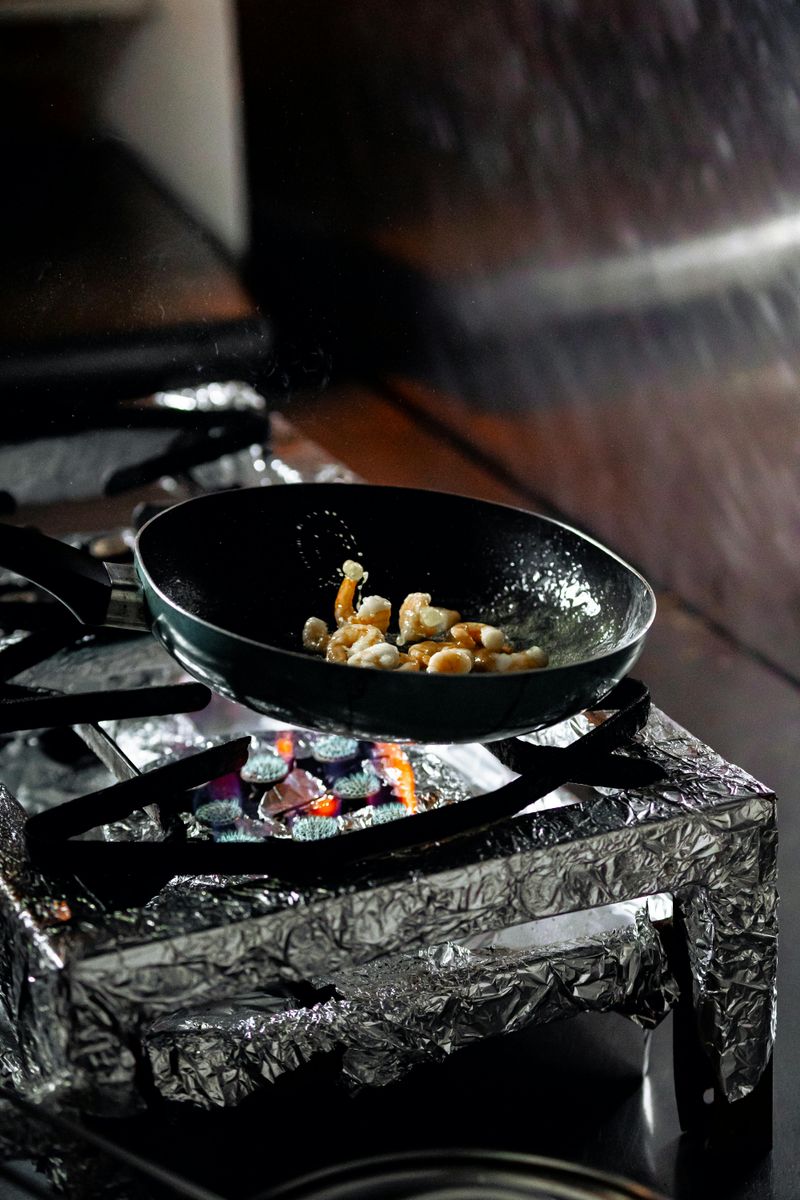
Pro-style ranges and built-ins look incredible, but underuse makes them pricey decor.
Repairs, ventilation, and energy costs add up.
If you mostly reheat leftovers, the ROI fizzles.
Buyers love clean, reliable appliances more than chef-level features.
A well-reviewed mid-tier set often checks every box.
Overspending here can crowd out more impactful upgrades.
Focus on function you’ll actually use daily.
Quiet dishwashers and counter-depth fridges feel luxurious without waste.
You get performance where it counts.
Keep receipts and warranties organized to reassure future buyers.
Regular maintenance beats prestige logos alone.
Practical choices keep both kitchen and budget humming.
10. DIY-ing major projects to “save money”

Saving money feels great until a leak ruins the ceiling or a miswired circuit trips constantly.
Mistakes with plumbing, electrical, tiling, or structural work snowball fast.
The fix costs more than hiring pros.
Permits, inspections, and codes exist to protect you.
Insurance may balk at unpermitted work.
Future buyers will, too, when disclosures raise eyebrows.
Tackle DIY where stakes are lower and skills fit.
Painting, caulking, and simple trim absolutely help budgets.
Leave complex systems to licensed experts.
Request multiple quotes and ask for scope breakdowns to learn and save.
You can demo, haul, or prep to reduce labor.
That way you stretch dollars without gambling your home.
11. Finishing a basement without solving moisture issues first
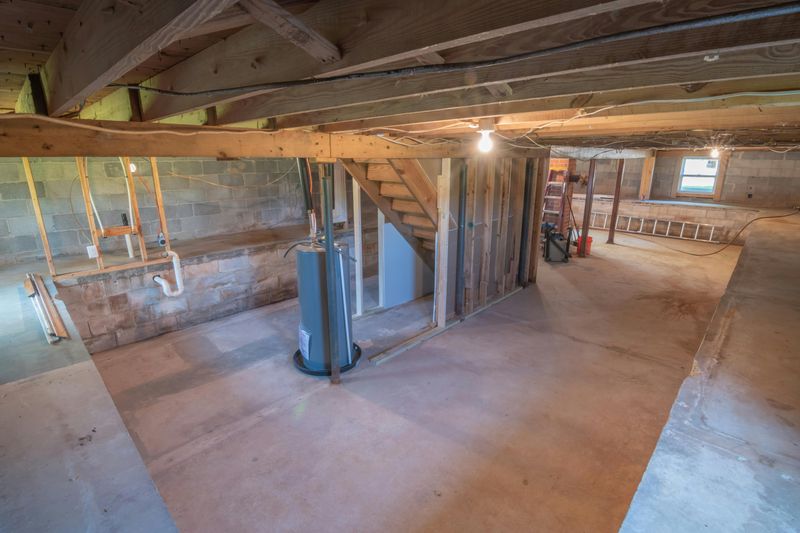
Fresh drywall over damp walls is a time bomb.
If water intrusion or humidity is not addressed, you may replace flooring and baseboards twice.
Mold is not the surprise anyone wants.
Start with drainage, grading, and gutters to route water away.
Consider sump pumps, vapor barriers, and proper insulation.
These unglamorous steps protect everything you add later.
Dehumidification and air sealing make the space livable year-round.
Choose moisture-tolerant materials where possible.
You’ll avoid that musty basement smell buyers dread.
Document remediation with photos and receipts for future confidence.
A dry basement feels bigger in appraisals and minds.
Build it once, and keep it that way.
12. Adding square footage with a pricey addition
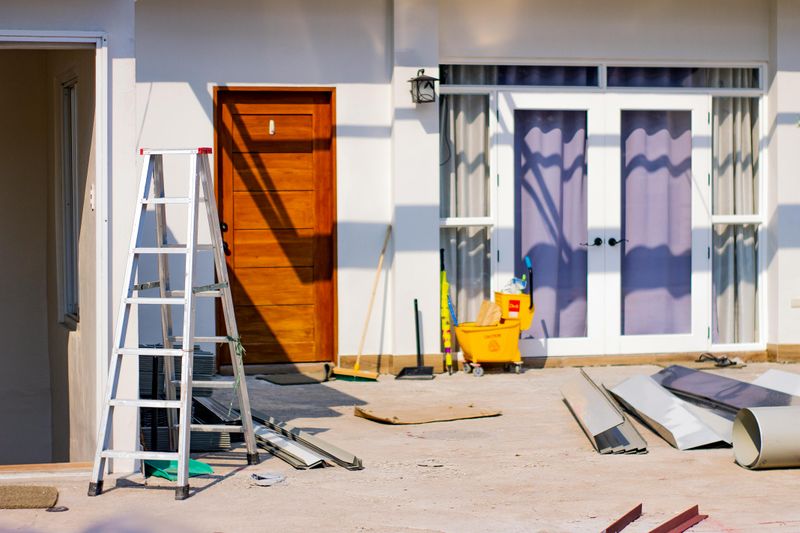
Extra space sounds perfect until budgets balloon and timelines slip.
Additions often run over and disrupt life for months.
The final appraisal may not match dollars spent.
Design creep and change orders multiply costs.
HVAC and rooflines get complicated quickly.
Square footage does not guarantee a matching value boost.
Maximize existing space first with layout tweaks and storage.
Finish attics or optimize closets before expanding.
You might get the function without the chaos.
If you proceed, insist on detailed bids and contingency funds.
Hire a designer to align structure and style.
Control the scope, and protect your sanity.
13. Replacing functional windows just for aesthetics
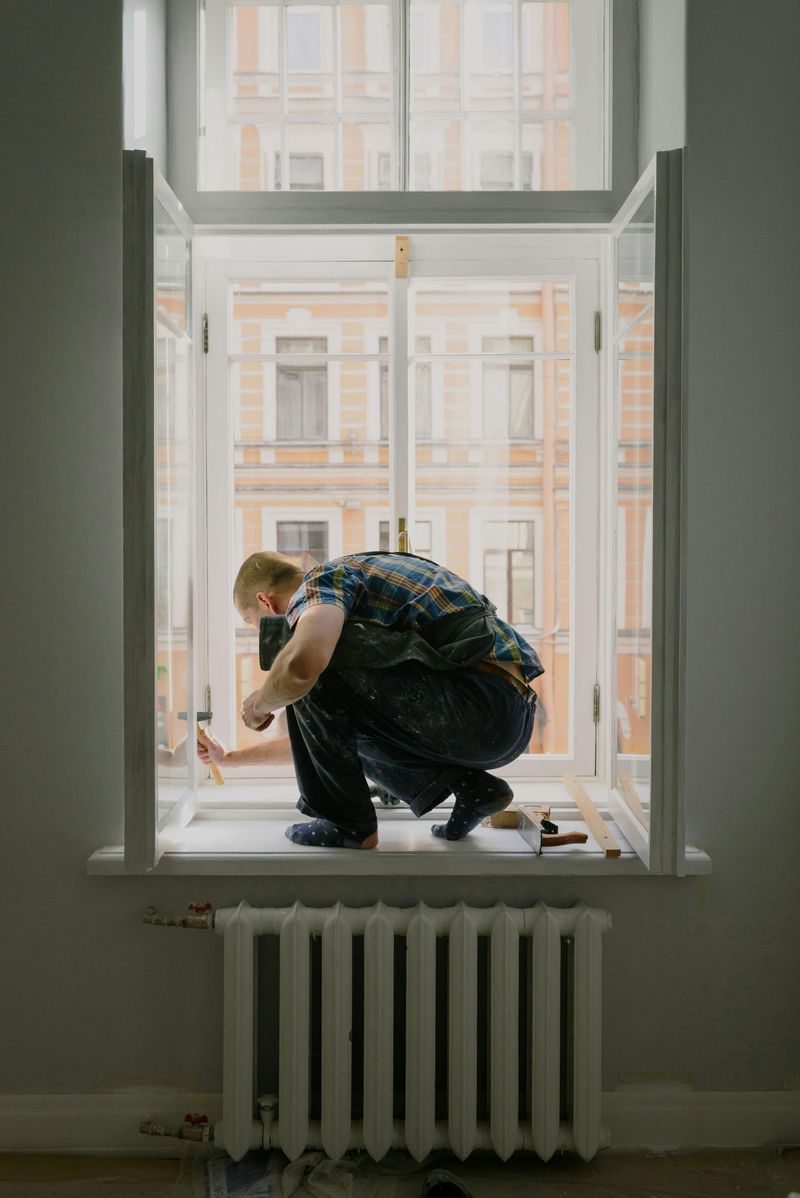
Full-window swaps can be shockingly expensive when the old ones still work.
Savings on energy may take longer than expected to recoup.
Buyers rarely pay extra for a swap they cannot feel.
Cosmetic upgrades like trim paint and new hardware refresh curb appeal cheaply.
Target problem units rather than mass replacement.
You’ll keep the budget intact and comfort steady.
If frames are failing or drafts are brutal, then replace strategically.
Choose efficient models that match architecture.
Function should drive the decision, not impulse.
Keep documentation for warranties and ratings to show value later.
A measured approach beats expensive overkill.
Your wallet and windows will both breathe easier.
Comments
Loading…