
 Hailey Watson
15 Mistakes You Make That Might Attract Thieves to Your Home

Your home doesn’t have to look “unsafe” to catch a thief’s attention.
It just has to look easy, predictable, and low-risk compared to the next house on the block.
Most break-ins aren’t movie-style heists, because many thieves are simply scanning for quick opportunities and clear signs nobody will notice them.
The good news is that the same small habits that accidentally advertise your home can be replaced with simple routines that quietly raise the difficulty.
Think of it as removing “open invitations” rather than living in fear.
Below are 15 common mistakes that can make a home more appealing to the wrong person, plus practical ways to tighten things up without spending a fortune.
1. Leaving boxes from big purchases at the curb (TVs, computers, appliances = instant “new stuff inside” signal)
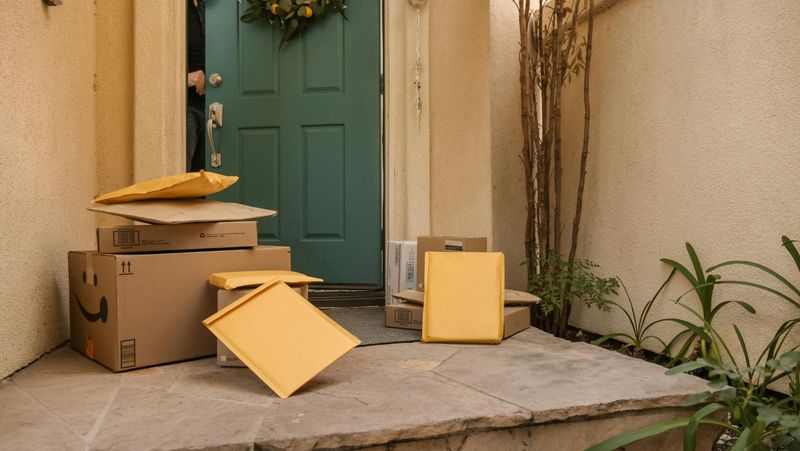
That giant box from your new TV or computer doesn’t just say “recycling,” it often announces “brand-new valuables inside this home.”
Even if you break it down, the branding and size can still clue in anyone driving by that something expensive recently arrived.
The safer move is to cut boxes into smaller pieces, flip branded sides inward, and spread disposal across multiple pickup days if you can.
If your area allows it, consider dropping high-value packaging at a recycling center instead of leaving it outside overnight.
This one change reduces the “shopping list” effect and keeps your home from standing out as a fresh target.
2. Hiding a spare key in the usual “obvious” spots (under the mat, fake rock, top of the doorframe)
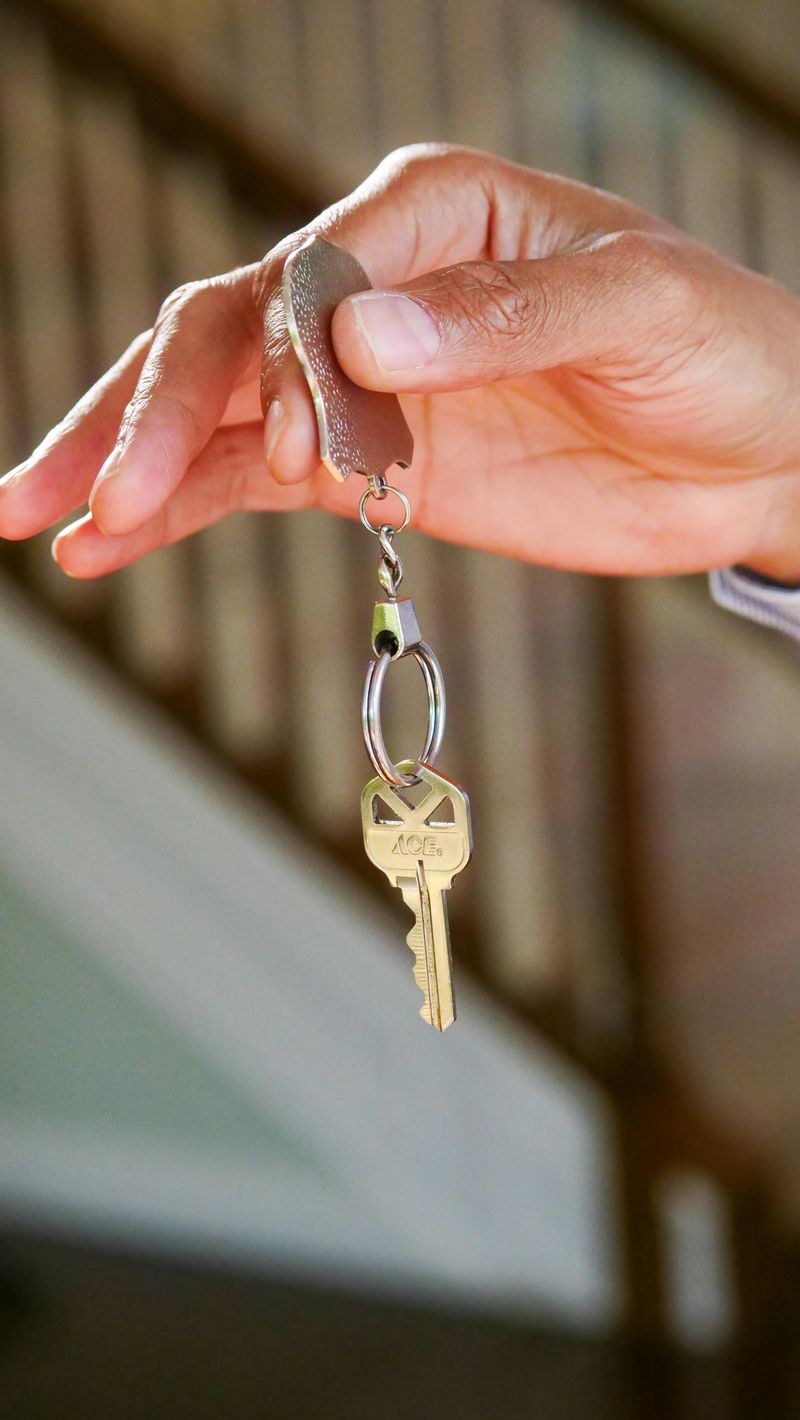
A hidden key feels like a smart backup plan, but burglars know the greatest hits, and they check those places first.
Under mats, in fake rocks, above doorframes, and inside planters are so common that they can be searched in seconds.
Instead, give a spare key to a trusted neighbor or friend, or use a lockbox designed for outdoor use with a code you can change.
If you prefer smart options, a keypad lock can eliminate the need for a physical backup while still keeping access convenient.
The goal is to stop treating your porch like a puzzle, because experienced thieves already know most of the answers.
3. Letting mail, packages, or flyers pile up (screams “no one’s home”)
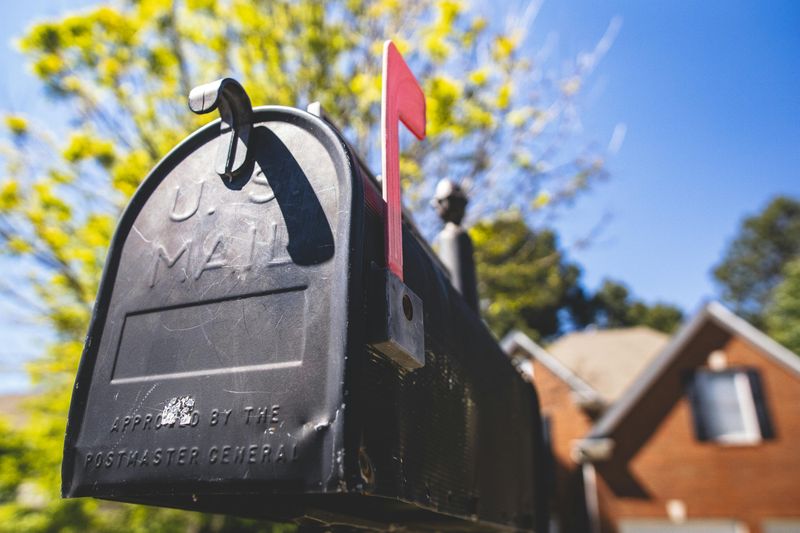
A stuffed mailbox is basically a public “we’re not home” sign that can attract attention faster than you’d expect.
Thieves look for visual proof that no one is checking the property, and paper buildup is one of the easiest clues to spot.
If you travel or work long days, ask a neighbor to grab items regularly or request a mail hold through your postal service.
Packages matter too, because boxes sitting on the porch signal both absence and potential new purchases worth grabbing.
Keeping the front area consistently clear makes your home look actively lived-in, which is often enough to make opportunists move along.
4. Posting vacation plans in real time (countdowns, airport selfies, “gone for a week!” captions)
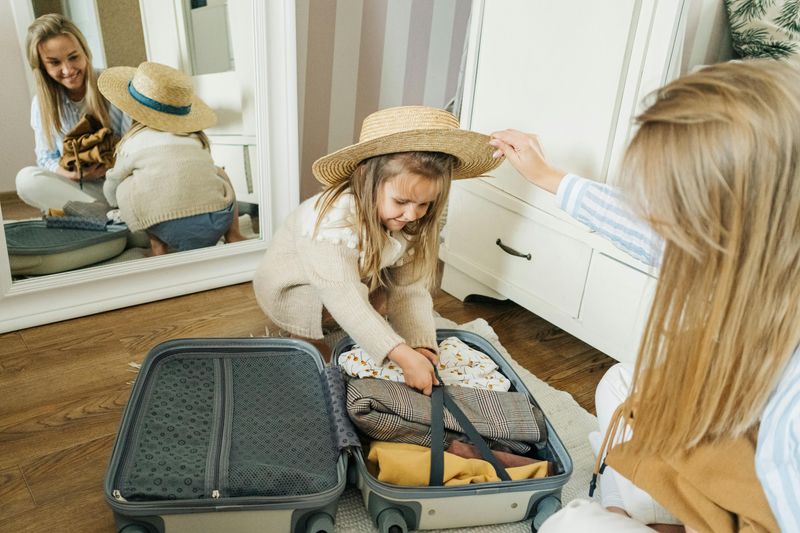
Sharing a beach photo is fun, but broadcasting “we’re gone all week” can unintentionally hand out perfect timing to strangers.
Real-time posts, location tags, and countdown stories create a clear window when someone can assume your house won’t be interrupted.
A safer habit is to post highlights after you’re back, or keep updates vague until your trip is over.
If you love sharing while you’re away, limit your audience to close friends and avoid showing your location, house exterior, or travel dates.
It’s not about paranoia, because it’s about not turning your social feed into a schedule for someone else’s bad decisions.
5. Not using any lights on timers (a dark house every night looks unoccupied)
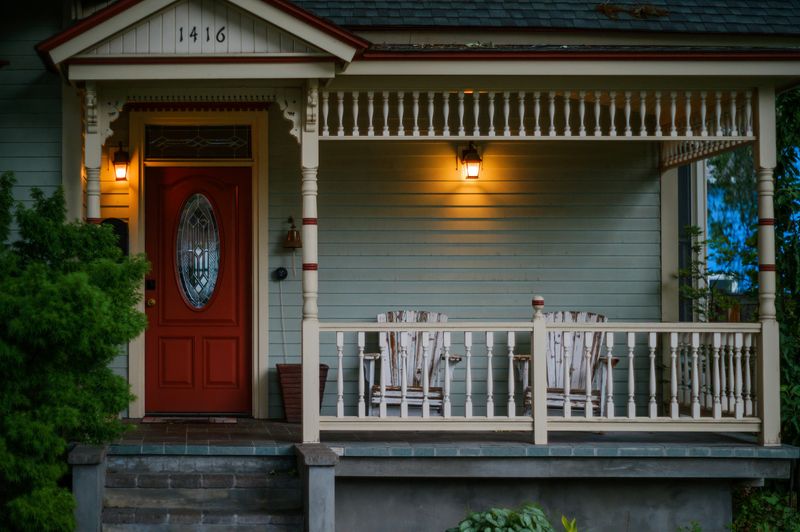
A consistently dark home at night can look unoccupied even when you’re just a person who forgets to turn lights on.
Thieves notice patterns, and “no lights ever change” is one of the simplest patterns to read from the street.
Timers, smart bulbs, or plugs can rotate lighting in a way that mimics normal movement without you thinking about it daily.
For the most believable effect, vary the timing and use rooms that face the street rather than relying on one lamp every evening.
When your home shows signs of activity, it becomes harder for someone to feel confident that nobody will notice them.
6. Leaving your garage door open—or closing it but leaving it unlocked (easy entry + tools + bikes)

An open garage is obvious, but a closed garage that’s left unlocked can be just as tempting to someone checking handles.
Garages often contain tools, bikes, and storage, and they can provide a quieter entry route than the front door.
Make closing and locking the garage part of your nightly routine, and consider a sensor that alerts you if the door stays open.
If your garage connects to the house, treat that interior door like an exterior door by upgrading the lock and reinforcing the frame.
A secure garage removes both an easy entry point and a convenient supply of equipment that can help a break-in escalate quickly.
7. Leaving ladders, tools, or patio furniture accessible (you’re providing the “break-in kit”)
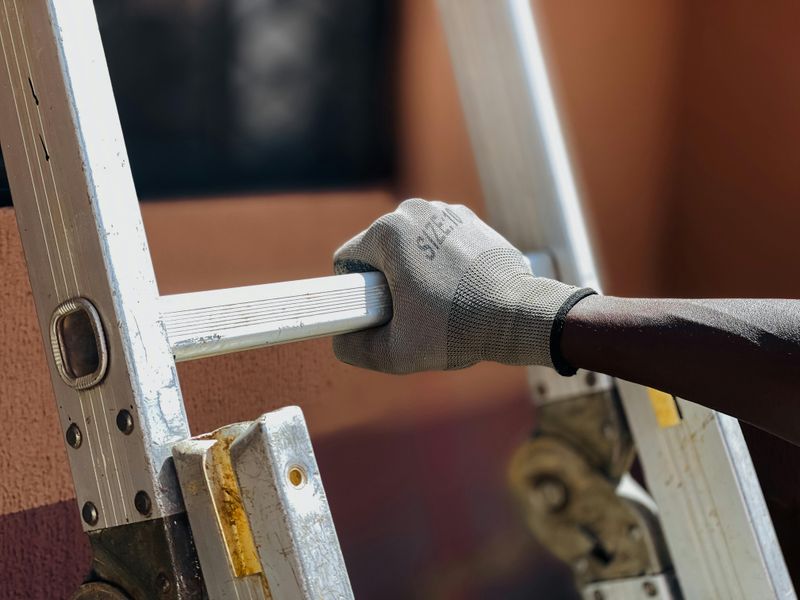
Outdoor items can feel harmless, but they can act like stepping stools, pry bars, or cover for someone who shouldn’t be there.
A ladder left out makes second-story windows more reachable, and tools can turn minor vulnerabilities into quick access points.
Even patio furniture can be dragged to a fence line or window to help someone climb, hide, or reach a latch.
Storing these items in a locked shed, garage, or secured area reduces the odds that your own belongings become part of the problem.
A good rule is that if you could use an item to get into a house, then someone else might be thinking the same way.
8. Ignoring broken or weak locks (loose deadbolts, flimsy strike plates, warped doors)
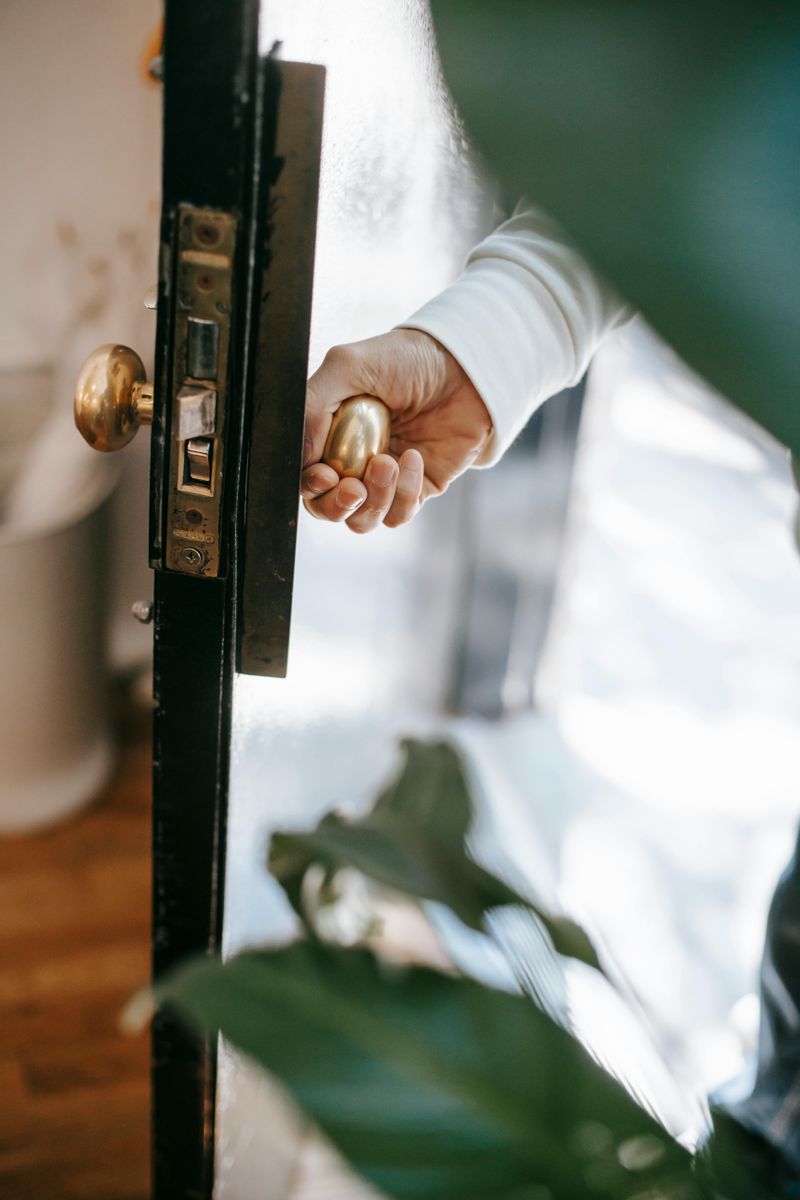
Locks are easy to take for granted until you realize many break-ins succeed because doors and frames are weaker than the lock itself.
Loose deadbolts, short screws in strike plates, and doors that don’t sit snugly create opportunities for quick kicks or prying.
Reinforcing the strike plate with longer screws, replacing worn hardware, and ensuring the door aligns properly can make a big difference fast.
If your deadbolt feels flimsy or your key sticks, consider a quality upgrade, because small mechanical issues often signal bigger weaknesses.
Strong locks don’t guarantee safety, but they raise effort and noise, which thieves typically try to avoid at all costs.
9. Leaving doors or windows cracked “for fresh air” (especially ground-floor and back/side windows)
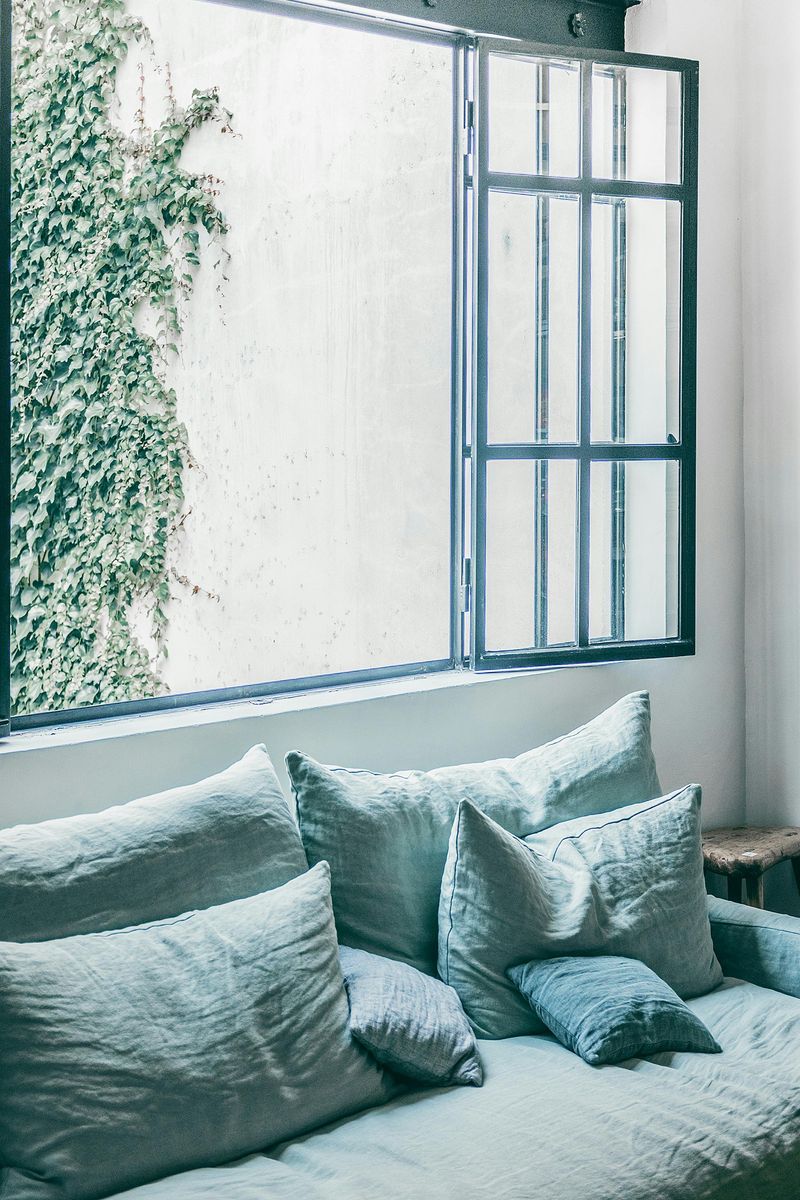
Fresh air is nice, but a partially open window can be an easy win for someone testing what they can reach or slide.
Ground-floor and side windows are especially risky, because they’re less visible and easier to approach without being noticed.
If ventilation matters, use window stops, security pins, or locks that allow a safe, limited opening rather than leaving a gap anyone can exploit.
Sliding doors deserve special attention, because many can be lifted or forced without a secondary bar or improved track lock.
When entry points are fully secured, you remove the “I’ll just try it” temptation that leads opportunists to take the next step.
10. Letting shrubs/trees create perfect hiding spots (overgrown landscaping = cover)
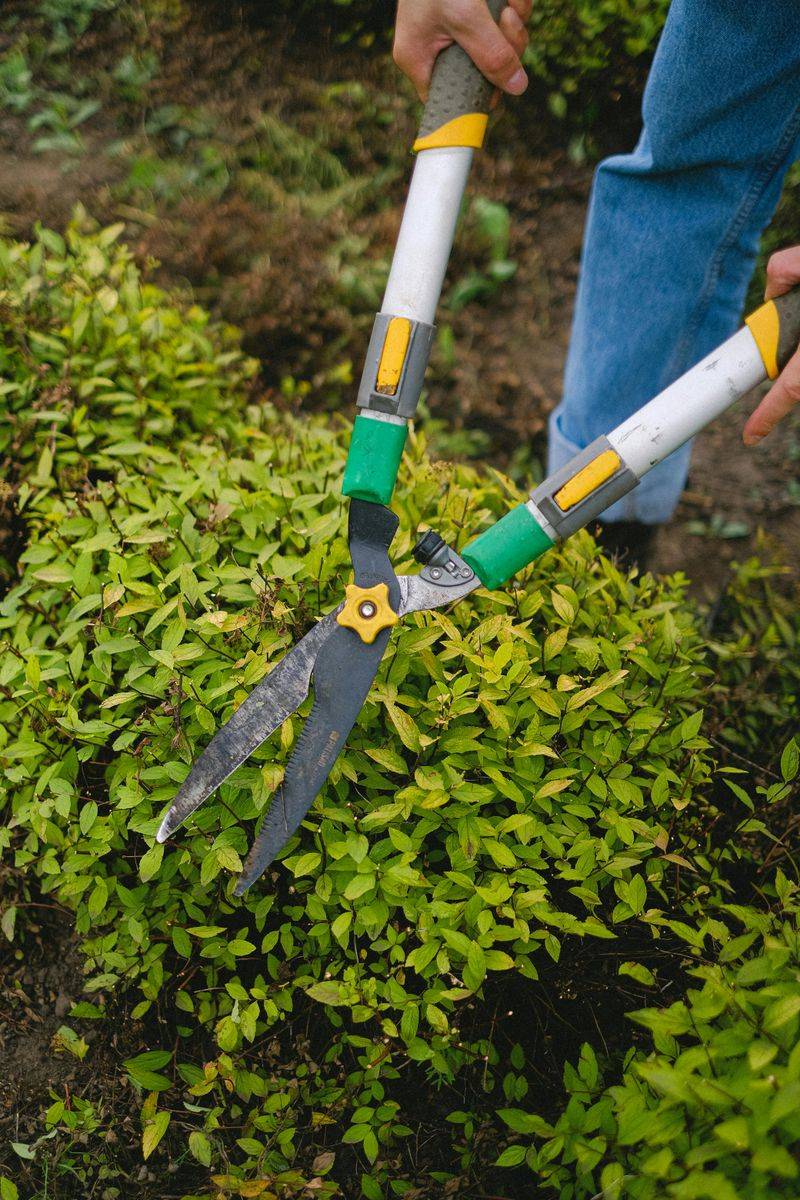
Overgrown shrubs and trees can make a yard look cozy, but they can also create perfect cover for someone lingering near a door or window.
If a person can crouch behind a bush and work without being seen, that’s a privacy feature you didn’t mean to provide.
Trimming plants below window level and keeping sightlines open from the street and neighbors increases natural surveillance.
Motion lighting paired with clear landscaping is especially effective, because it removes both darkness and hiding places at the same time.
A tidy yard isn’t just about curb appeal, because it’s about making your property feel exposed and risky to anyone with bad intentions.
11. Leaving valuables visible from windows (purses, laptops, game consoles, keys by the door)
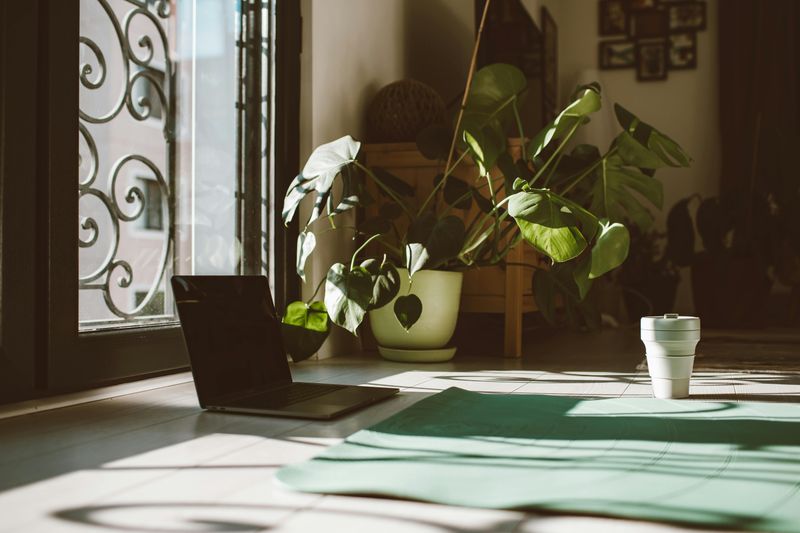
A laptop on the table, a purse on a chair, or car keys in a bowl by the door can be visible from angles you never notice.
Thieves often “shop” through windows first, because it helps them judge whether the payoff is worth the risk.
Closing blinds at night helps, but daytime visibility matters too, especially if sunlight reduces glare and makes interiors easier to see.
Rearranging high-value items away from windows and keeping entryway surfaces clear can reduce temptation without changing your lifestyle much.
When there’s nothing obvious to grab, your home becomes a less appealing target compared to one that offers instant rewards.
12. Keeping expensive items in plain sight in your car (garage remote, sunglasses, bags—leads to home access)
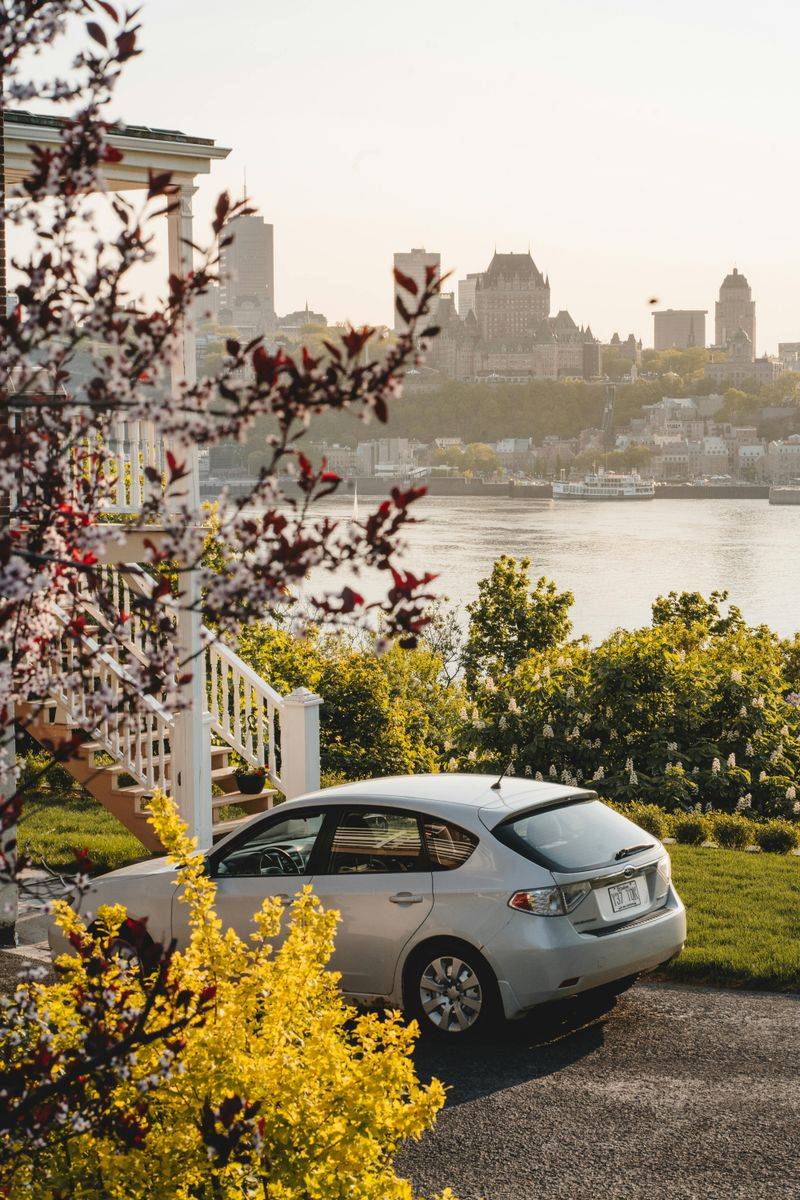
A car can become the gateway to your house if it contains a garage remote, spare keys, or paperwork with your address on it.
Even small valuables like sunglasses and gym bags can trigger a smash-and-grab, which can then escalate if access tools are inside.
Make it a habit to bring everything in, especially anything that helps someone identify where you live or how to get inside.
If you must keep a garage remote in the car, consider using a smart-control option that can be disabled quickly if the car is stolen.
Treat your vehicle like an extension of your home security, because thieves often see it as the easiest first step.
13. Having no visible deterrents (no camera, no alarm sign, no motion lights—low-risk target vibes)
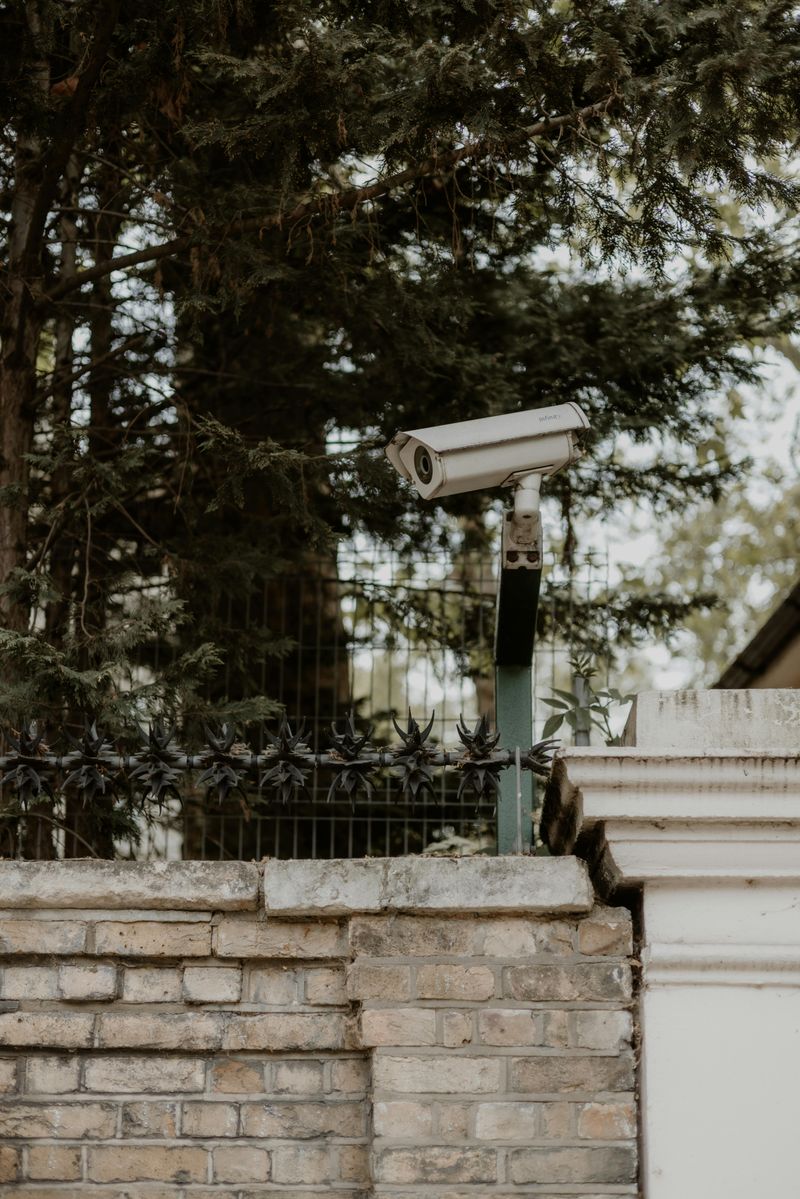
Burglars tend to choose the path of least resistance, and a home with zero deterrents can look like a low-consequence opportunity.
Motion lights, a doorbell camera, or even a clearly posted alarm sign can push someone to pick a different house instead.
Deterrents work best when they’re layered, meaning lights support cameras, and cameras support sturdy locks and good visibility.
You don’t need a high-end setup, because consistency matters more than flashy equipment that isn’t maintained or is pointed the wrong way.
The goal is to create enough uncertainty that a thief worries they’ll be seen, recorded, or interrupted before they can get anything.
14. Being predictable with routines (same time leaving/returning, same lights, same patterns)
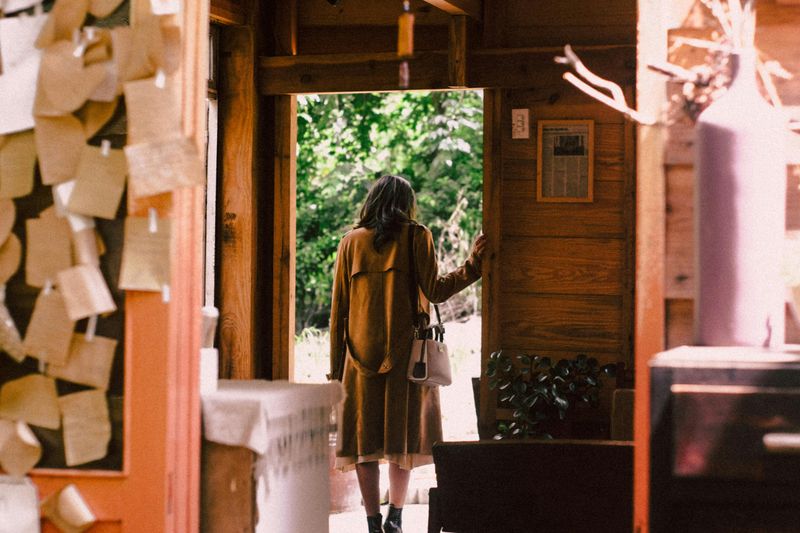
When your schedule is highly consistent, it becomes easier for someone to learn when the house is empty without ever speaking to you.
The same departure time, the same porch light timing, and the same quiet hours create a pattern that stands out over weeks.
You can add small variations by changing which lights come on, occasionally parking in a different spot, or asking a neighbor to vary pick-up routines.
Even minor changes like taking a walk at different times or having a friend stop by can disrupt the “safe window” assumption.
Predictability isn’t a moral failing, but adding a little randomness makes your home harder to read from the outside.
15. Not building “neighbor visibility” (no one notices unfamiliar cars, footsteps, or door-checking behavior)
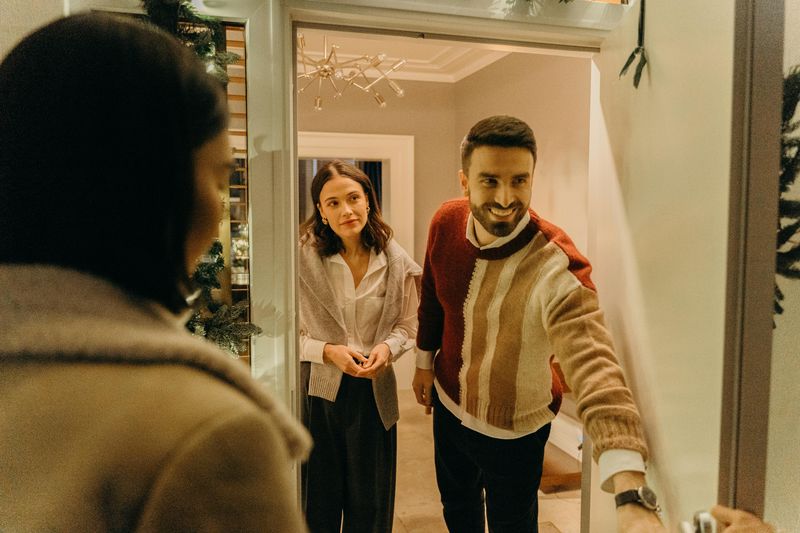
A neighborhood where nobody knows each other gives strangers more freedom to linger, knock, or walk around without being questioned.
When you have even one or two friendly connections nearby, suspicious behavior is more likely to be noticed and remembered.
Simple habits like saying hello, swapping phone numbers, and watching for deliveries during vacations can strengthen that informal safety net.
You don’t have to become best friends, because you just need a sense of who belongs and who doesn’t.
Strong neighbor visibility makes your street feel “watched,” and that social deterrent can be as powerful as any gadget you buy.
Comments
Loading…